


Most students eventually face the same situation. An essay deadline is approaching, the page count is still sitting at zero, and there are only a few hours left to get everything done. While writing a 5-page essay overnight is not the ideal way to approach academic work, it is often manageable if you stay organized and focus on the essentials.
The key is to stop thinking about the essay as one large project. Instead, break it into smaller tasks. A clear outline, a limited set of quality sources, and a dedicated editing phase can help you complete a solid paper without wasting time on unnecessary research or endless revisions.
Start By Understanding Exactly What The Assignment Requires
Before opening databases or typing a title, spend a few minutes reviewing the assignment instructions. Many students lose valuable time writing content that does not match the professor’s expectations. A quick review can prevent major revisions later in the night.
Pay attention to:
- Required citation style
- Minimum source requirements
- Formatting instructions
- Topic limitations
- Submission guidelines
Once you know exactly what the assignment demands, create a working thesis. It does not need to be perfect yet. It simply needs to give your essay a direction. A clear thesis will make every step that follows faster and easier.

Build The Outline Before You Research
A common mistake is collecting dozens of articles before deciding what to write. In reality, a basic structure should come first. When you already know the points you need to support, finding sources becomes much more efficient.
If you need help organizing ideas quickly, WriteAnyPapers can help students structure topics, identify supporting arguments, and develop a logical flow before drafting begins. The goal is not to replace your writing process but to reduce the time spent staring at a blank page.
A simple 5-page essay outline often looks like this:
|
Section |
Purpose |
| Introduction | Present topic and thesis |
| Body Paragraph 1 | Main argument or point |
| Body Paragraph 2 | Supporting argument |
| Body Paragraph 3 | Additional evidence or analysis |
| Conclusion | Summarize findings |
This framework keeps the paper focused and prevents unnecessary detours.
Find Sources That Directly Support Your Main Points
Once the outline exists, start researching with a purpose. You are not trying to become an expert on the topic overnight. You are gathering enough evidence to support your thesis and body paragraphs.
Focus on academic databases, library resources, government publications, and peer-reviewed research whenever possible. According to the Purdue Online Writing Lab, evaluating source credibility requires examining authority, publication quality, and relevance to the topic.
Rather than saving twenty articles, aim for a smaller group of strong sources. In many cases, five to eight quality references are more useful than a large collection you barely have time to read.
A good overnight research strategy includes:
- Reading abstracts first
- Saving direct quotations immediately
- Recording citation details while researching
- Highlighting only relevant evidence
This approach reduces confusion during drafting.

Write The Body Paragraphs Before The Introduction
Many students get stuck trying to create the perfect opening paragraph. When time is limited, start with the body sections instead. The body contains the actual substance of the essay, and writing it first often makes the introduction easier later.
Each paragraph should focus on one main idea. Start with a topic sentence, introduce evidence, explain its significance, and connect it back to your thesis.
A useful formula looks like this:
Topic sentence → Evidence → Analysis → Connection to thesis
Keeping this structure consistent helps maintain clarity throughout the paper.
Remember that professors generally care more about clear reasoning and evidence than creative introductions. Once the body is complete, you will have a much better understanding of what the introduction should actually say.
Manage Your Time Like A Short Project
An overnight essay becomes much easier when you assign time limits to each stage. Without limits, it is easy to spend two hours researching and leave almost no time for writing.
Consider dividing the night into focused blocks:
- 20 minutes for assignment review
- 40 minutes for outlining
- 60 minutes for research
- 2 to 3 hours for drafting
- 45 minutes for editing
- 15 minutes for final formatting
According to the University of North Carolina Writing Center, separating planning, drafting, and revising often improves writing efficiency because each stage requires a different type of attention.
Treat the essay as a sequence of tasks rather than one overwhelming assignment. That mental shift often improves productivity immediately.

Save Citations And Formatting For The Right Moment
Citation mistakes become much more common when students rush at the end. The easiest solution is to collect citation information while researching instead of trying to rebuild it later.
Create a document where you store:
- Author names
- Publication dates
- Article titles
- Journal or website names
- URLs or DOI numbers
This small habit can save significant time during final formatting.
A Quick Reminder About Academic Integrity
According to the Harvard Guide to Using Sources, plagiarism includes presenting another author’s words or ideas without proper acknowledgment, even when the omission is accidental.
That means every quotation, paraphrase, statistic, and borrowed idea should be cited correctly. A late-night deadline is never a valid reason to skip attribution.
Use The Last Hour For Editing Instead Of Rewriting
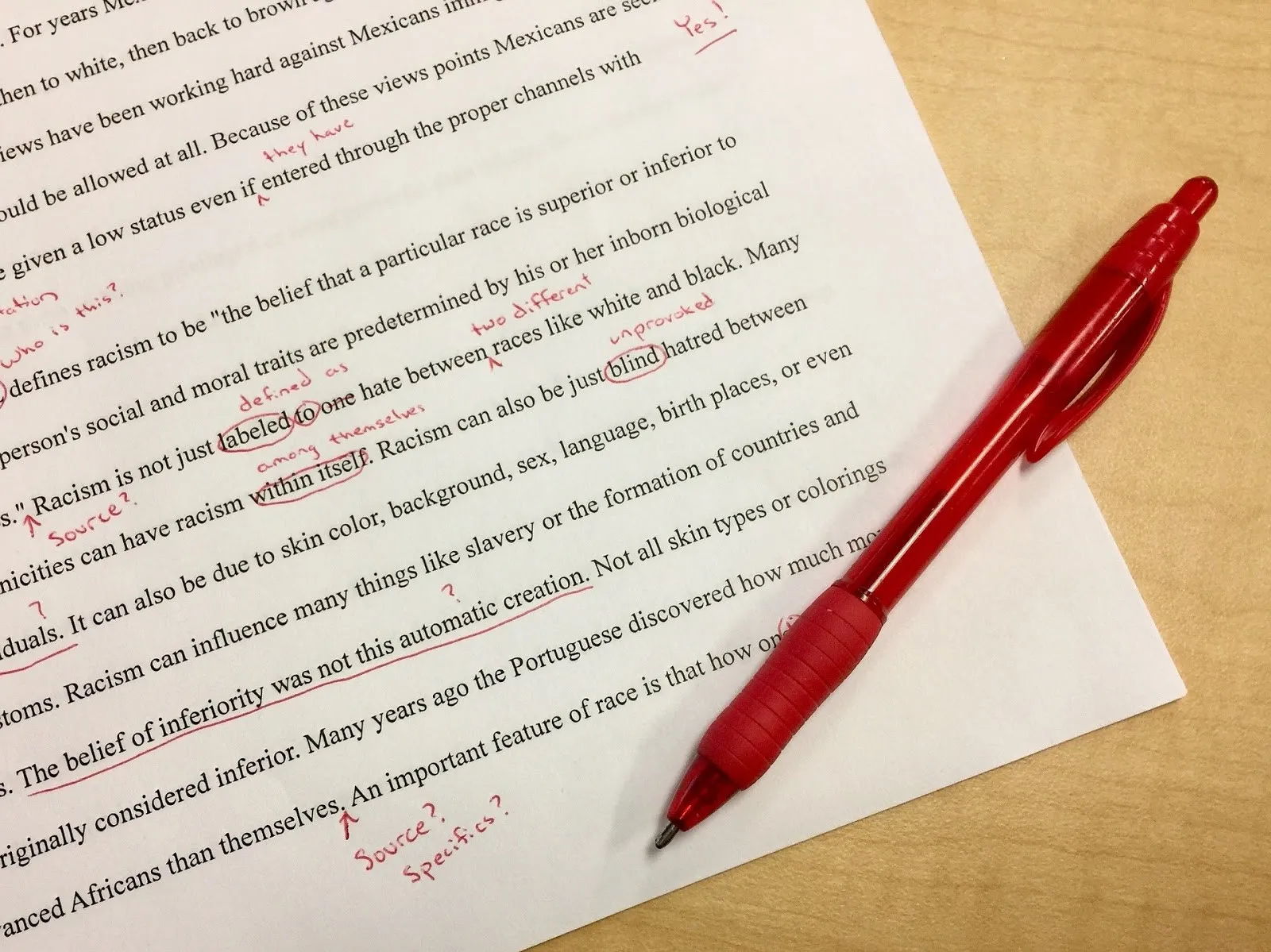
Editing should focus on improvement, not rebuilding the entire paper. At this stage, the goal is clarity, accuracy, and consistency.
Read the essay slowly from beginning to end. Look for transitions that feel abrupt, repetitive wording, weak topic sentences, and citation errors.
Pay special attention to:
- Thesis consistency
- Paragraph flow
- Grammar mistakes
- Citation accuracy
- Formatting requirements
Many students discover that reading the essay aloud helps identify awkward sentences more quickly. If something sounds unclear when spoken, it usually needs revision.
The final review should strengthen what already exists rather than create new sections or arguments.
Final Thoughts
A 5-page essay written in one night will never feel as comfortable as a project completed over several days. Still, it is entirely possible to produce a well-organized paper when you focus on the right priorities. Start with a clear outline, gather only the sources you truly need, write the body before the introduction, and reserve time for editing.
The students who finish successfully are usually not the fastest writers. They are the ones who avoid wasting time on tasks that do not directly contribute to the final paper.