


When people donate to humanitarian aid, they want proof that the money is handled with care. Fair question, right? That is a healthy instinct. Nobody wants a donation to disappear into a vague “admin” cloud.
Good humanitarian organizations know this, so they build layers of control around aid money before it reaches clinics, food programs, shelters, or cash support. The process is not perfect, because crisis work is messy, fast, and sometimes dangerous.
Still, serious organizations use planning, documentation, technology, audits, and community feedback to keep funds tied to real needs and real people.
Trust begins before money leaves the donor page

Good aid tracking starts before a donor clicks “give.” A reliable organization explains the purpose of the campaign, whether donations are restricted to one emergency, and what kind of work the money supports.
For example, someone looking at Gaza medical relief should be able to see whether the campaign is tied to medicine, supplies, urgent care, healthcare projects, or professional medical support. IMANA describes support for Palestinians in Gaza through medical care, medicines, baby formula, and food supplies, which gives donors a clearer starting point for checking the purpose of their gift.
Purpose matters because a restricted donation should not quietly fund an unrelated program. It also helps donors compare campaigns without guessing.
The paper trail behind every serious relief project
A donation should not move through an aid organization on trust alone. There should be a paper trail, even when the field situation is stressful. Good Humanitarian Donorship principles emphasize needs-based assistance, follow-up, evaluation, and accountability to affected people, implementing groups, and domestic constituencies. That sounds formal, I know, but the everyday version is simple: decide based on need, spend according to plan, check what happened, and report back.
What gets documented
A serious organization usually keeps records for:
- Approved budgets and spending limits
- Supplier quotes, invoices, and delivery notes
- Partner agreements and transfer records
- Monitoring reports and donor updates
That is not glamorous, but it is how trust survives after the fundraising post has aged.
Field monitoring is where promises meet receipts
The next question is, “Who checks what happens on the ground?”
In stronger organizations, field teams compare planned activity with actual delivery.
Did the clinic receive the supplies?
Did the cash transfer reach the listed households?
Did the warehouse count match the distribution count early enough?
These checks are especially important in conflict settings. Transparency International’s 2024 Helpdesk answer on corruption in humanitarian assistance lists risks such as diversion by armed groups, interference in beneficiary registration, unethical procurement, and losses during transport or storage. That risk list is not pleasant, but ignoring it would be careless. Monitoring does not remove every risk. It makes misuse harder, easier to detect, and harder to excuse.
Tech can make aid easier to trace
Technology now plays a bigger role in humanitarian accountability, especially when aid involves cash transfers, digital vouchers, supplier databases, or electronic inventory systems.
The good part is obvious: digital records can make payments, stock movement, and beneficiary lists easier to compare. The tricky part is just as real: people in crisis also deserve privacy and dignity, not endless data collection.
A 2023 paper by Wang, Lueks, Narbel, Sukaitis, and Troncoso on privacy-preserving humanitarian aid distribution explains that digital systems can improve scale and accountability, but too much personal data can put recipients at risk.
| Tool | How it helps | What still needs checking |
| Digital payments | Creates transaction records | Identity errors and access barriers |
| Inventory software | Tracks supplies | Physical stock counts |
| Dashboards | Shows spending patterns | Data quality and field verification |
Feedback from communities is not optional
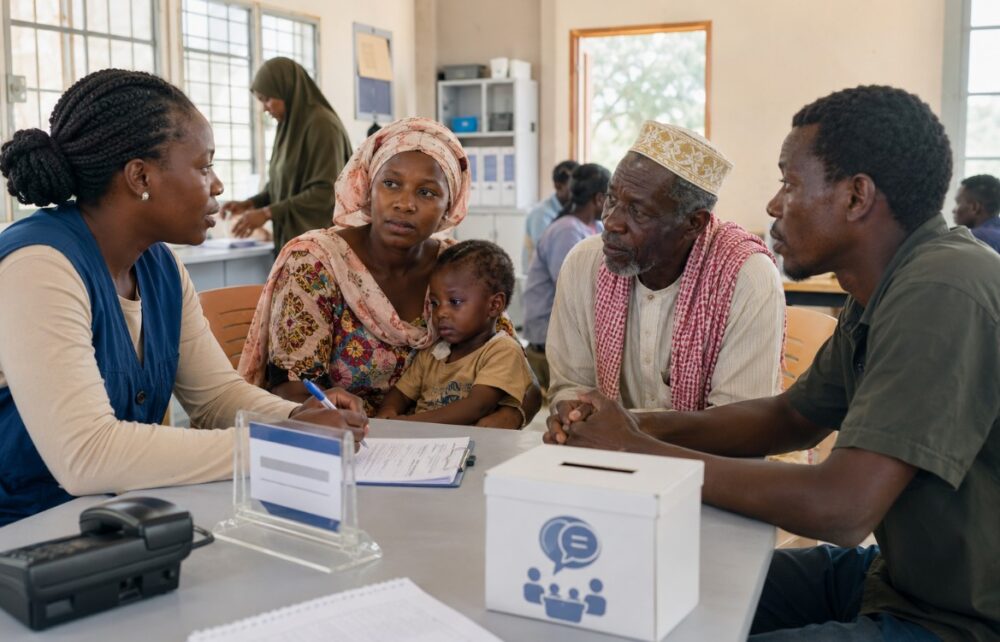
Here is the part donors often forget: accountability is not only about pleasing donors. It is also about listening to the people receiving aid. The Core Humanitarian Standard on Quality and Accountability sets out nine commitments for organizations supporting people affected by crisis and vulnerability.
The ICRC has also described accountability to affected populations as both an ethical responsibility and a way to improve impact and credibility.
Important idea: people receiving aid should have safe ways to ask questions, report problems, and challenge unfair decisions.
Complaint channels, help desks, hotlines, community meetings, and feedback boxes can all matter. If a family is missed from a list, they need a route to speak up without fear.
Audits, investigations, and donor checks
Good systems also need someone willing to say, “This does not look right.” Internal audits review records, procurement, payroll, grants, and partner spending. External audits add another layer because an independent reviewer checks whether financial statements and controls are credible. Large public agencies also have investigation units.
The UN Office of Internal Oversight Services says its Investigations Division works to protect human and financial resources by investigating fraud, corruption, sexual exploitation and abuse, and other misconduct.
Before donating, do a quick home check:
- Does the organization publish reports or audited accounts?
- What exactly will this campaign fund?
- Are local partners named or clearly described?
- Is there a way to contact the organization with questions?
Small checks can prevent lazy giving.
Final thought for careful donors
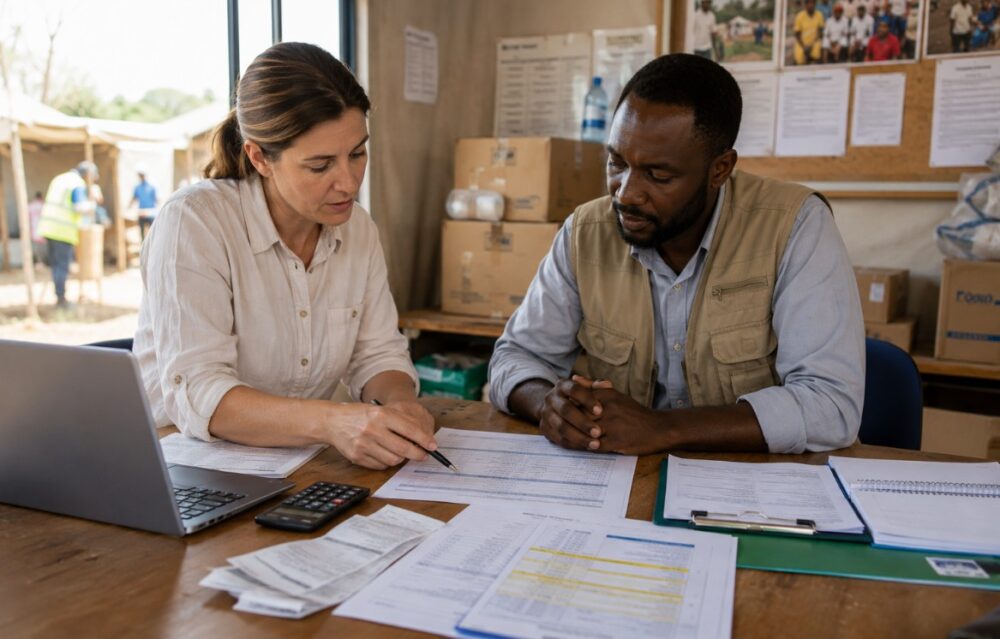
Humanitarian organizations make sure aid money is used properly through boring but necessary systems: budgets, receipts, procurement rules, field checks, feedback channels, audits, and investigations.
I know “boring” is not usually what we want from generosity, but boring records are often what protect generous money. The best organizations do not ask donors to rely only on emotion.
They show where money is meant to go, how it is tracked, and what happens when problems appear. For donors, the goal is not suspicion. It is informed compassion, which is much more useful for families.
FAQs
1. Can a humanitarian organization use my donation for administration?
Yes, unless the donation is clearly restricted. Administration can include finance staff, compliance, logistics, security, technology, and reporting. Those costs are not automatically bad because they help aid reach people safely. The key is whether the organization explains them clearly.
2. Is cash aid easier to misuse than food or supplies?
Not automatically. Cash and voucher assistance can be well controlled when organizations verify recipients, monitor transfers, and create feedback channels. Physical goods also carry risks, including theft, transport losses, and unfair distribution.
3. How often should a charity report back to donors?
There is no single rule for every campaign, but donors should expect timely updates during major emergencies and annual reporting for the organization as a whole. If months pass with no detail at all, it is fair to ask questions.