


If you are asking whether you can work as an electrician without a license, ask before you touch the wrong wire. The honest answer is: sometimes, but only in limited situations. Electrical work is regulated because bad wiring is not a cosmetic mistake.
It can injure people, damage property, block insurance claims, and make a future home sale awkward. Let’s sort this out clearly: what may be allowed, what is risky, and how to build a real career without stepping over the line.
What Counts as Electrical Work?

This is where people get tripped up. Changing a lamp, replacing batteries in a smoke detector, or plugging in smart home devices is not the same as installing new wiring, adding circuits, or working inside a panel. The law usually cares about the type of work, who owns the property, whether money changes hands, and whether the work affects public safety.
The U.S. Bureau of Labor Statistics says most states require electricians to pass a test and be licensed, although requirements vary by state. So no, advice from one state should not be treated as universal. Annoying? Yes. Necessary? Also yes.
When a License Becomes Part of the Job
A license usually matters when you perform electrical work for customers, work without direct supervision, pull permits, or advertise yourself as an electrician. In many places, apprentices can work legally, but only under a licensed electrician or approved contractor. That is not a loophole. It is the training path.
If you are already licensed in Texas, renewal is not something to leave until the last minute. The Texas Department of Licensing and Regulation requires electrician licensees to complete four hours of continuing education in approved courses before renewal, and those courses must cover the National Electrical Code, NFPA 70E safety, and Texas laws and rules that regulate license holders.
That is where Texas electrician continuing education courses can be useful for working electricians who need something practical, flexible, and not tied to a classroom schedule. The course is online, four hours long, and built around the topics Texas expects:
- NEC updates,
- Texas electrical laws and rules,
- safety practices,
- and job-site responsibilities.
I like this kind of format because most electricians are not sitting around with empty afternoons. They need renewal training they can complete properly, pause when needed, and return to without rearranging the entire week.
Homeowner Work Is Not Paid Electrical Work
Some states allow homeowners to do certain electrical work in a home they own and live in. Texas, for example, lists an exemption for a person doing electrical work on a dwelling they own and reside in. That sounds simple, but please do not read it as permission to rewire anything because you watched a few videos.
Local permits, inspections, city rules, and utility requirements can still apply. Rental homes, commercial spaces, flips, and work done for someone else are usually treated differently. My personal rule is plain: if the work involves a panel, new circuit, buried wiring, or anything you cannot confidently explain to an inspector, call a licensed professional.
The Risks Nobody Should Brush Off
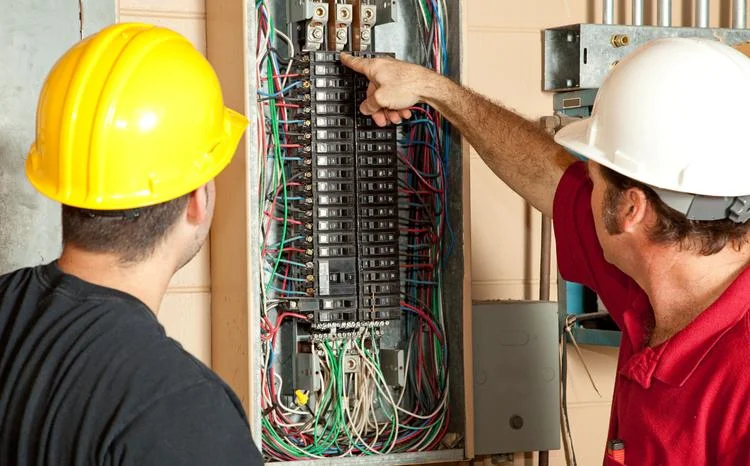
The legal risk gets attention, but it is not the only issue. Electrical mistakes can stay hidden inside walls for years. A bad connection may not fail today. It may fail later when the circuit is under load, and by then nobody is laughing about saving a few dollars.
Watch for these risk areas before you agree to “just help someone out”:
- Fines or stop-work orders from a local authority
- Failed inspections that delay a sale or remodel
- Insurance disputes after fire or property damage
- Personal injury liability if someone is shocked
The Electrical Safety Foundation International says electrical malfunctions account for 35,000 home fires each year, causing over 1,130 injuries, 500 deaths, and $1.4 billion in property damage.
Apprentice, Journeyman, Contractor: What Changes?
If you want to work in the electrical trade, the goal is not to avoid licensing forever. The goal is to move through the proper stages without wasting time. Here is the clean version.
| Role | Typical position | What it usually means |
| Apprentice | Entry level | Learns under supervision and may need registration |
| Journeyman | Licensed worker | Performs broader electrical work under state rules |
| Master electrician | Senior license | Often supervises others and handles advanced work |
| Electrical contractor | Business license | Lets a business offer electrical services to the public |
Names and requirements vary, so check your state licensing board. Still, the basic ladder is familiar: learn, log hours, pass exams, renew credentials, and keep your work clean enough that another professional would not wince.
Career Steps That Actually Make Sense
If you are new, start with the safest legal path. Look for an apprenticeship, trade school, union program, contractor training route, or helper role that keeps you around real jobs without pretending you are already licensed. Ask what hours count toward licensing. Ask who supervises you. Ask whether the employer helps with exam prep.
A practical path often looks like this:
- Finish high school or get a GED if required.
- Learn electrical theory, math, safety, and code language.
- Register as an apprentice where required.
- Work under licensed supervision and document your hours.
- Take the required exam when eligible.
- Keep up with renewal rules and continuing education.
The BLS projects electrician employment to grow 9 percent from 2024 to 2034, with about 81,000 openings each year.
Why Businesses Should Care About Licensing

For a tech or business audience, licensing is not just a legal checkbox. It affects contracts, hiring, insurance, project timelines, and customer trust. A property manager, builder, or facility owner does not want a vague answer when they ask who performed the electrical work. They want documentation, permits, and accountability.
This matters even more in modern buildings. Offices, warehouses, data rooms, EV chargers, security systems, backup power, and smart controls all depend on reliable electrical infrastructure.
Important fact: electrical codes set minimum safety standards for installation. They are not optional suggestions.
Cutting corners can show up as downtime, failed inspections, warranty disputes, or safety complaints.
Final Thoughts
So, can you work as an electrician without a license? In limited situations, yes. You may work as an apprentice, helper, supervised trainee, or homeowner under specific exemptions.
But doing paid electrical work for the public, advertising services, pulling permits, or working independently usually requires proper licensing. The smart path is to learn under supervision, follow your state rules, document your experience, and build credentials that protect you and your customers.
That may sound less exciting than winging it, but it is how serious electricians build long careers.