

Trading looks simple from the outside: open an app, choose a market, press buy or sell. Then real money enters the room and everyone becomes very quiet. This guide keeps things practical.
Trading means trying to profit from price changes over a shorter period than traditional investing. You might trade stocks, forex, indices, commodities, crypto, or contracts linked to those markets.
That does not make trading bad, but it does make it different from building a long-term portfolio. Investor explains risk tolerance as your ability and willingness to lose some or all of an investment for higher potential returns. That sentence matters.
Before you think about strategy, ask yourself a blunt question: can this money disappear without affecting rent, bills, tax payments, or family plans? If the answer is no, it is not trading money yet.
Choose A Trading Platform Like You Choose Business Software
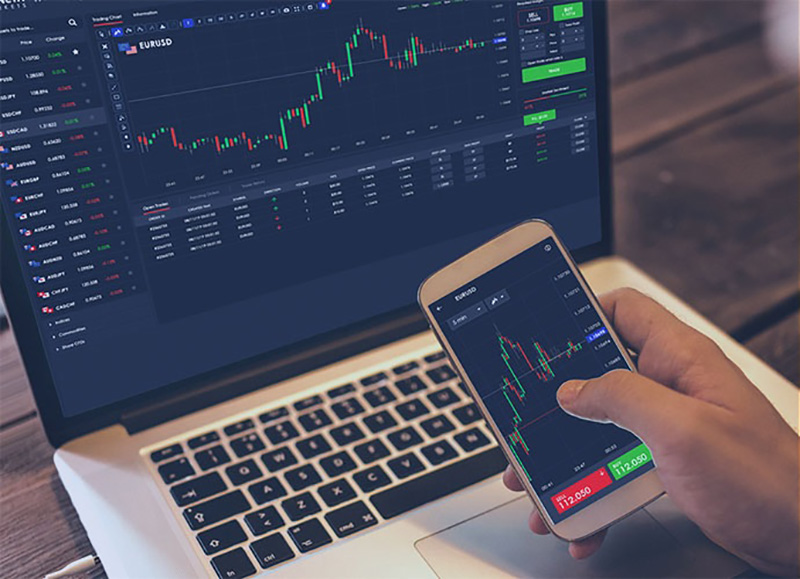
A trading platform is not just a shiny app with charts. It is where you place orders, monitor positions, manage risk, review fees, and sometimes make expensive mistakes in seconds. A good platform should feel clear before it feels exciting. Look for transparent costs, reliable order execution, responsive support, educational resources, and a demo account. IG notes that demo accounts let users try web trading platforms in a reduced-risk environment, while also warning that demo and live trading are not identical. Practice first, but do not confuse practice confidence with live-market discipline.
A beginner-friendly platform should help you understand:
- spreads, commissions, and overnight fees
- order types, including market, limit, and stop orders
- available markets and platform regulation
Understand Account Types Before You Deposit
Account types can change how much risk you take, how trades are managed, and who controls decisions. A cash account is usually the simplest because you trade with money you already have. A margin account lets you borrow against your account, which increases buying power but also increases losses. Managed structures are another category.
When beginners start comparing PAMM, MAM, and LAMM accounts, the explanations can feel technical very quickly. A clear guide from Soft-FX explains that LAMM copies a manager’s trades, PAMM allows investors to place funds under a manager, and MAM gives investors more control over individual orders. The practical question is always the same: who controls the trade, where is your money, and what happens when the strategy loses?
Build A Strategy Before You Chase A Signal
A beginner trading strategy does not need to be complicated. In fact, complicated systems often hide weak thinking. Your strategy should explain what you trade, when you enter, where you exit, how much you risk, and why the setup makes sense. If you cannot write that in a few sentences, you probably do not have a strategy yet. Here is a simple way to compare common beginner approaches:
| Strategy type | What it means | Beginner caution |
| Trend trading | Following an existing price direction | Late entries can be costly |
| Range trading | Trading near support and resistance | Breakouts can move fast |
| News trading | Trading after major announcements | Spreads and volatility can jump |
Pick one method, test it, and keep notes.
Treat Risk Management As The Main Skill
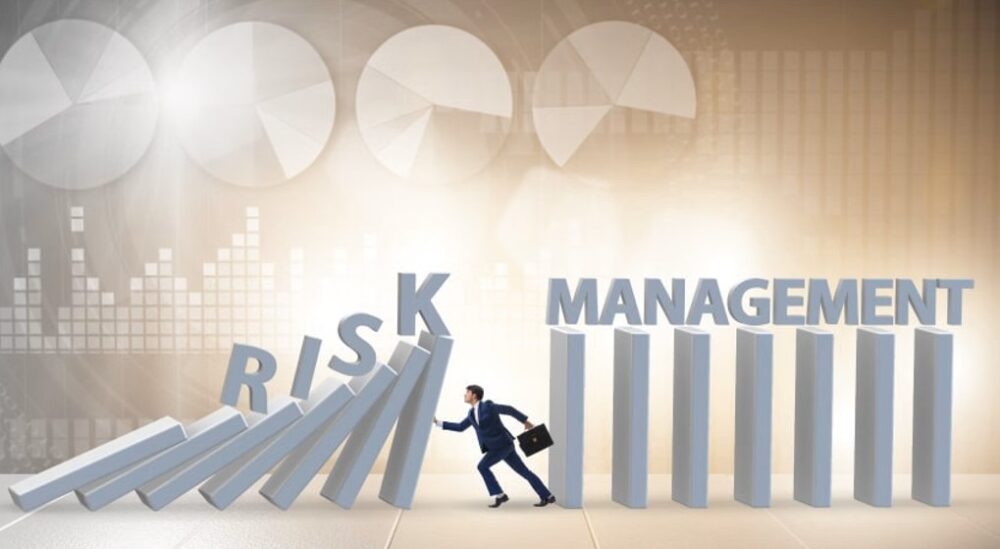
Risk management is not the dull part of trading. It is the part that decides whether you survive long enough to improve. The U.S. SEC’s investor publication “Day Trading: Your Dollars at Risk,” published in 2005, says day traders often suffer severe financial losses in their first months and should only risk money they can afford to lose. FINRA also warns that margin trading can involve losing more than your original investment, and that day trading is generally not appropriate for people with limited resources or low risk tolerance.
Important fact: a stop-loss can limit a planned loss, but it cannot guarantee a perfect exit price during fast market movement.
Know What To Check Before Your First Live Trade
Before your first live trade, slow down and check the basics. I know, the button is right there and it looks harmless. Still, a trade is a decision, not a reflex. Confirm the market, position size, risk amount, stop-loss level, target level, and reason for entering. Also check whether important economic news is scheduled. Many beginners lose money not because they are lazy, but because they skip one obvious step when they feel rushed.
Quick pre-trade filter
- Can I explain this trade in one sentence?
- Do I know my maximum planned loss?
- Am I trading because of a plan, not frustration?
- Have I checked fees, margin, and market hours?
- Would I still take this trade tomorrow?
Keep Records And Review Your Behavior
Your trading journal should include entry price, exit price, position size, market conditions, reason for the trade, result, and emotional state. Yes, emotional state. It sounds soft until you notice that many bad trades happen after boredom, panic, or revenge thinking.
A journal turns vague regret into useful evidence. After twenty trades, patterns begin to show. Maybe you lose more on news trades. Maybe you move stops too early. Maybe your best trades happen when you do less. That is useful business data.
Treat your trading account like a small operation with records, controls, and reviews, not like an entertainment app with candles, alerts, platform noise, and buttons designed for speed.
Final Thoughts
Trading can be interesting, technical, and useful to learn, but it is not a household rescue plan or a guaranteed side income.
Start with education, use a demo account, understand account types, and keep risk small enough that one mistake does not become a financial problem.
The best beginner trader is not the loudest person in the room. It is usually the person who asks better questions, reads the fees, plans exits, and knows when to leave the platform closed for the day.