

Most money tips for travel come at you as a big messy pile. Do this, try that, never forget this. It is a lot to hold in your head. So let’s make it easier. Instead of treating budget travel like a random checklist, let’s follow the trip itself, from the first planning session to the moment you get home.
Because here is the thing: saving money on travel is not one big move. It is a string of small choices made at the right time. Some happen months before you leave. Some happen while you are choosing lunch. Some happen after the trip, when you check what actually worked.
Keep one simple rule in your head the whole way through: spend on the good stuff, save on the boring stuff. Flights, baggage fees, transfer costs and overpriced rooms are the boring parts. Food, experiences, views, museums, day trips and memories are the parts you actually remember.
Your Money-Saving Travel Checklist
Before getting into the details, here is the simple version. This is the timeline you can actually use.
| Travel stage | Main goal | Best money-saving move |
| 2 to 6 months before | Choose destination and dates | Compare flexible dates and shoulder seasons |
| 1 to 3 months before | Book flight and room | Track prices, compare budget airlines, choose cheaper areas |
| 2 to 4 weeks before | Plan daily costs | Set food, transport and activity limits |
| During the trip | Control small spending | Eat local, use public transport, avoid tourist traps |
| Last day | Prevent surprise costs | Check transport, baggage and payment fees |
| After the trip | Learn for next time | Review what was worth it and what was wasted |
That is the heart of budget travel. You do not need to be cheap every minute. You just need to know where money usually leaks.
Stage 1: Before You Go
This is where the big money lives. The two largest costs of most trips, your flight and your room, are usually decided before you even pack a bag. Get these right and you have already done most of the saving.
Start With a Realistic Trip Budget
Before you search flights, decide what the whole trip should cost. Not just the flight. Not just the hotel. The full trip.
A simple travel budget should include:
- Flights or transport to the destination
- Accommodation
- Local transport
- Food and drinks
- Attractions and tours
- Travel insurance if needed
- Baggage fees
- Airport transfers
- Emergency money
- Small extras like SIM cards, laundry and tips
A useful rule is to split your budget into fixed and flexible costs.
Choose the Destination With Your Budget in Mind
The cheapest flight is not always the cheapest trip. A €40 flight to an expensive city can cost more overall than a €120 flight to a cheaper destination.
Before choosing, compare:
- Average room prices
- Public transport costs
- Food prices
- Museum and attraction fees
- Airport transfer prices
For example, a city with affordable guesthouses, cheap metro rides and great street food can be much better for budget travel than a glamorous city where every coffee, taxi and museum ticket adds up fast.
If your dates are flexible, search by budget first, destination second. This is where tools like Google Flights Explore or Skyscanner Everywhere are useful because they show where your money can take you instead of forcing you to pick one place immediately.
Booking Your Flight
Flights are often one of the biggest travel costs, so this is where flexibility matters most. Check different dates, especially midweek departures, and use tools like Google Flights’ Date grid or Skyscanner’s Whole Month view to spot cheaper days quickly. Traveling in the shoulder season can also cut costs while giving you fewer crowds and better value.
If you are flexible about the destination too, tools like Skyscanner Everywhere or Google Flights Explore can show cheaper places you may not have considered.
Then aim for the booking sweet spot, which is roughly one to three months ahead for most trips, and earlier for peak dates like holidays. Once you find a fare you like, don’t just buy from the first site you see.
It is worth checking an app like Airpaz before you pay, because it brings together a lot of budget airlines that the big search engines sometimes miss or show at higher prices.
That is especially handy for routes around Asia, where small airlines can be much cheaper than the names you already know.
And please, stop refreshing the same flight twenty times. You may have heard that prices climb if you keep checking. Set a price alert in Google Flights or Hopper and let it ping you when the fare drops.
Flight Booking Checklist
Before you pay, check these details:
- Is the baggage included or extra?
- Is the airport close to the city or far away?
- Does the arrival time force you to pay for a taxi?
- Is the layover realistic?
- Are seat selection and check-in free?
- Is the fare refundable or changeable?
- Is the same flight cheaper on the airline’s own website?
A flight that looks cheap can become expensive if you land at midnight, pay extra for a bag, and spend €60 getting into the city.
Booking Your Room
You only sleep in your room. You do not live in it. So why pay for a fancy hotel when you will be out all day?
Look beyond hotels. Hostels are not just for young backpackers anymore. Many offer clean private rooms for a fraction of hotel prices, and on Hostelworld you can filter for private rooms and read recent reviews.
Guesthouses and small family-run places are cheap and often far friendlier. Home rentals on Airbnb or Vrbo can save money too, mostly because they come with a kitchen.
Stay a little outside the center. Read the reviews, but check the date. Great reviews are a safe bet, as long as they are recent. Sort by newest before you trust the star rating.
And if you have time, look at longer stays or house-sitting. Book a week or a month and you often get a steep discount over the nightly rate. Sites like TrustedHousesitters even let you stay for free in exchange for watching someone’s home and pets.
What to check before booking accommodation:
| Check this | Why it matters |
| Distance from public transport | Saves taxi money |
| Kitchen access | Cuts breakfast and snack costs |
| Recent reviews | Shows the current condition |
| Free cancellation | Gives flexibility if prices drop |
| City tax | Often paid separately |
| Check-in time | Late arrivals can create extra costs |
| Laundry access | Lets you pack lighter |
The cheapest room is not always the best budget choice. A slightly more expensive place near a metro station, with a kitchen and free cancellation, can save more overall.
Stage 2: Two to Four Weeks Before the Trip
This is the stage many travelers skip. They book the flight and room, then stop planning. That is how small costs sneak in.
Build a Simple Daily Spending Plan
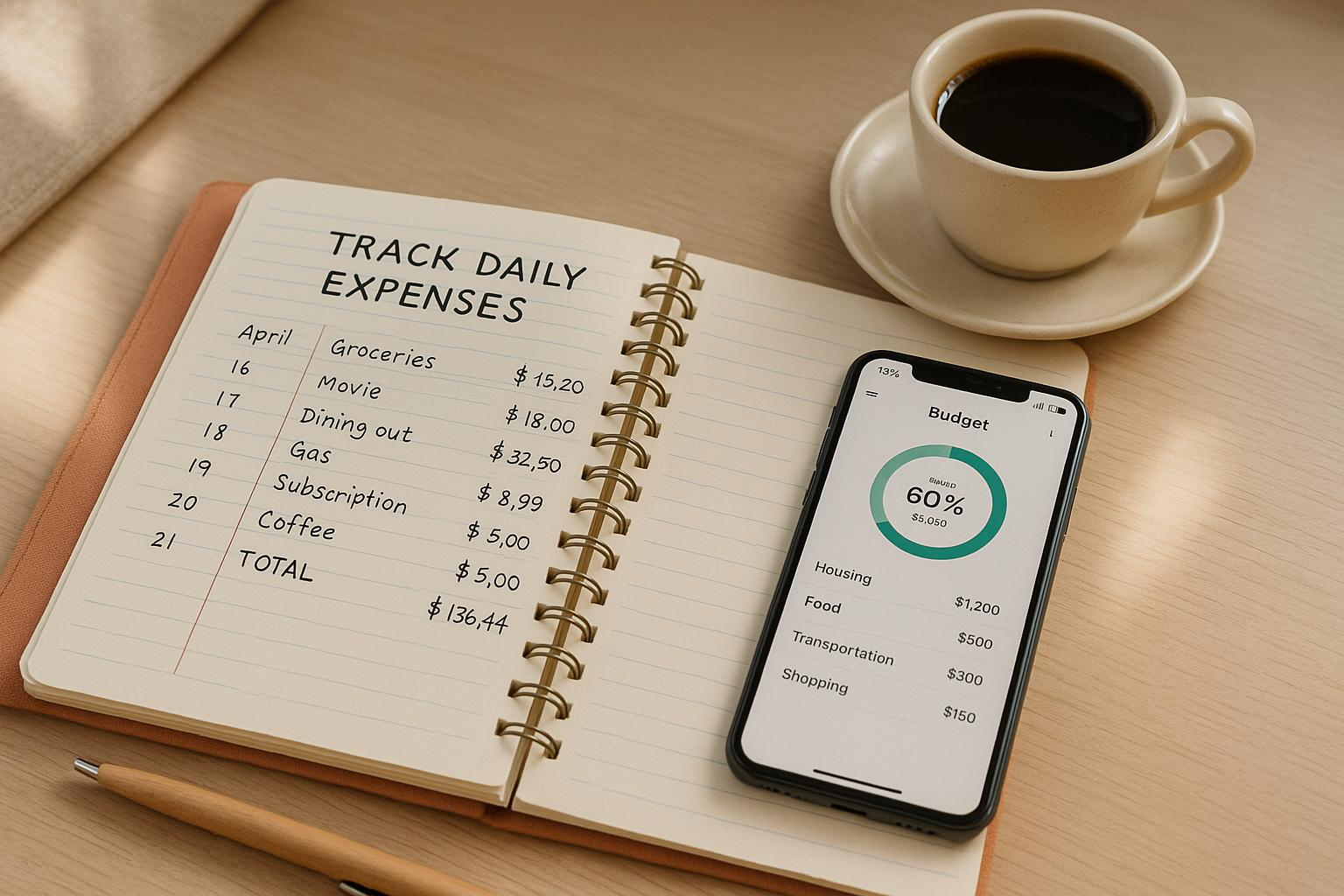
You do not need a spreadsheet for every coffee. Just create a daily target.
For example:
| Category | Daily budget example |
| Breakfast and coffee | €8 |
| Lunch | €12 |
| Dinner | €18 |
| Local transport | €6 |
| Attractions | €15 |
| Snacks and extras | €6 |
| Total daily budget | €65 |
Some days will go over. Some days will stay under. That is fine. The goal is not to control every cent. The goal is to know when the trip is drifting away from your budget.
Pre-Book Only What Makes Sense
Not every activity should be booked early. Some things are cheaper or easier when booked in advance, while others are better left flexible.
Book early when:
- Tickets sell out quickly
- Prices rise close to the date
- There is a fixed entry time
- The attraction is the main reason for your trip
Wait until you arrive when:
- The activity depends on weather
- Local operators may offer better prices
- You want to compare options in person
This keeps the trip practical. You lock in the important things but leave room for cheaper local discoveries.
Stage 3: While You Are There
Once you arrive, the savings come in small daily decisions, mostly around food, transport and things to do. None of them have to feel like sacrifice. Many of them actually make the trip better.
Eating Well for Less

Eat where the locals eat. Restaurants next to famous sights are pricey and often mediocre. Walk a few streets away, find a place full of local people, and you get tastier, more real food for much less.
| Instead of | Try this |
| Hotel breakfast | Bakery, market or apartment breakfast |
| Restaurant by a landmark | Local place two or three streets away |
| Dinner as the main meal | Lunch menu as the main meal |
| Bottled drinks all day | Refillable bottle where safe |
| Random snacks near attractions | Supermarket snacks before you go |
The goal is not to eat badly. The goal is to stop overpaying for average food just because you are hungry in the wrong place.
Getting Around for Less
Local transport is one of the easiest places to save money. Taxis and ride apps are convenient, but they can quietly destroy a travel budget.
Before you arrive, check:
- Whether the airport has a train or bus connection
- Whether the city has daily or weekly transport passes
- Whether contactless payment works on public transport
- Whether attractions are grouped in walkable areas
- Whether bike-share or scooter-share is affordable
- Whether taxis have fixed airport prices
A good rule is simple: use public transport for predictable routes and save taxis for late nights, bad weather, luggage problems or safety.
Doing Things for Less
Take a free walking tour. Many cities have tours led by local guides, technically free with a tip at the end. They are a great way to learn a city and find spots you would never have found alone. Search “free walking tour” plus the city name, or browse a site like GuruWalk.
When a city pass is worth it:
| Buy the pass if | Skip the pass if |
| You will visit many paid sights | You prefer slow travel |
| Public transport is included | You mostly walk |
| You have a packed schedule | You only want one or two museums |
| The pass skips long lines | You are visiting on free-entry days |
| The math clearly saves money | You are buying it “just in case” |
Never buy a city pass because it feels like the smart tourist thing to do. Add up the exact attractions first.
Stage 4: After You Come Home
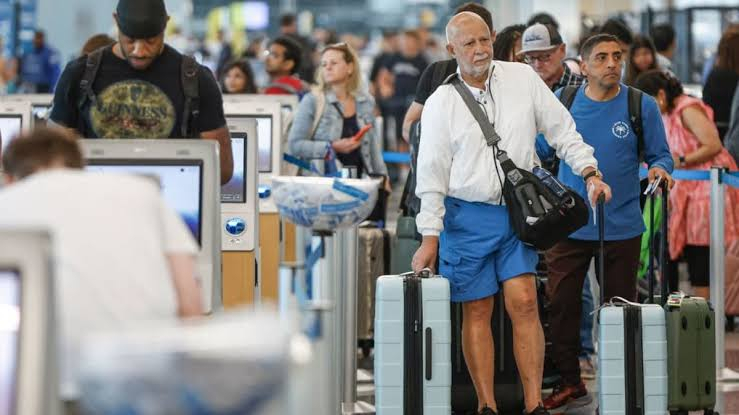
Budget travel does not end when the trip ends. The after-trip stage is where you learn how to travel better next time.
Open your banking app and check:
- What cost more than expected
- Which booking saved the most
- Which experience was worth the money
- Which expense felt wasteful
- Whether any deposits were returned
- Whether any subscriptions or travel apps need canceling
- How much you spent per day
Maybe you saved a lot by staying outside the center, but spent too much on taxis. Maybe the apartment kitchen helped, but the city pass was a waste. That knowledge makes your next trip cheaper without making it less fun.
The Payoff: A Week in Lisbon
Let’s make it concrete with a week in Lisbon.
The expensive way: a peak-summer weekend flight, a hotel by the main square, and meals at the spots with the best views. Roughly €600 for the flight, €700 for the room, and €350 on food. About €1,650 before you have done a single thing.
Now flip it, using the timeline above. A midweek flight in May, a clean guesthouse a ten-minute tram ride out, a few market breakfasts, and dinners where the locals eat. That is closer to €380 for the flight, €420 for the room, and €180 on food. About €980.
| Expense | Expensive version | Budget timeline version | Estimated saving |
| Flight | €600 | €380 | €220 |
| Room | €700 | €420 | €280 |
| Food | €350 | €180 | €170 |
| Total | €1,650 | €980 | €670 |
Same city, same week, same fun. You just saved around €670 without giving up anything you will actually remember. And that saved money is not gone. It is your next trip.
FAQs
Final Thoughts
You do not need to memorize every budget travel tip. You just need to make the right choice at the right moment.
Book smart before you go. Choose flights and rooms with the full trip cost in mind. Plan your daily spending before you arrive. Eat local, move around wisely and avoid paying extra for convenience when there is an easy alternative. Then review the trip when you get home so the next one is even better.
That is the real budget travel timeline: save on the boring parts, spend on the memories, and turn every trip into practice for the next one.