


The DIY-versus-professional display debate usually gets framed as a question of craftsmanship and budget. It is mostly neither. The research on why some in-store displays sell and others just occupy floor space keeps pointing at two variables that have nothing to do with who built the fixture: what sits on it, and where it stands. Get those wrong and a beautifully fabricated piece sells nothing. Get them right and a cheap temporary unit can outperform bespoke joinery.
So before you price plywood or request a fabrication quote, it helps to know what the sales data actually says, what a display really costs to own over its life, and the specific cases where each route wins. If it were my shop, this is how I would decide.

What the sales numbers actually say
Displays do work, but the effect is smaller and more conditional than the industry’s marketing suggests. A survey of 1,119 US shoppers commissioned for Frank Mayer’s 2026 In-Store Retail Display Influence Report found that 76% had discovered a new product or brand from a display, and 63% said displays shaped which of two similar products they chose. Nearly three in four purchase decisions, the report notes, are not fully settled before the shopper walks through the door.
Encouraging, until you reach the actual sales measurements. The most thorough evaluation I have found is Lorenz Diederichs and Martin Göbl’s study of 231 display placements in German food retail, drawn from more than 3,300 product observations. The average sales increase was 33.5%. In 26% of cases a display did nothing at all or sales fell. Their finding that displays holding fewer items were the more profitable ones for the store is the part display sellers tend to leave out.
The famous “displays lift sales 400%” claim also traces to real research, but to a narrow condition. In a field experiment across 214 German perfumery stores, products were pulled off their normal shelf entirely and placed on a checkout display; sales of the relocated products rose between 80% and 478%, averaging 239%. That is total relocation, not a second display standing beside the shelf. It is a genuine effect, and it is a different effect from the one most small shops are buying.

| What was measured | Result | Source |
|---|---|---|
| Unplanned purchase rate, no display vs with a display | 46% to 64% | Inman, Winer & Ferraro; 2,300 shoppers, 28 stores |
| Average sales lift, any display vs no display | +33.5% | Diederichs & Göbl; 231 display placements, 2016 |
| Sales lift when a product is fully relocated onto a checkout display | +80% to +478% (avg +239%) | Field experiment, 214 German perfumery stores |
| Shoppers who discovered a new brand on a display | 76% | Frank Mayer; 1,119 US shoppers, January 2026 |
The row to notice is the third: the enormous number belongs to relocation, not to buying a fancier rack. Figures as published 2018–2026.
The “eye level is buy level” rule is mostly a myth
Conventional merchandising wisdom says put it at eye level. The largest ambulatory eye-tracking study of real shoppers, by Ming Chen and colleagues in the Journal of Marketing Research, found something closer to the opposite. The shelf attracting the most attention sits about 14.7 inches below the shopper’s eye, roughly 47 inches off the ground. In their five-shelf example, the 48-inch shelf drew about 16% more attention than either the top or the bottom row.
Placement still matters, but the payoff is conditional. A field experiment in North American convenience stores found that moving a product from stretch level to eye level lifted sales 5.6%, and from stoop level by 10% — but only when the planogram was reorganised with a simple one-to-one swap. Under a more complicated reorganisation, the eye-level effect vanished entirely. My read: a display’s physical height is doing more work than its material, and correcting the height costs nothing compared with upgrading from cardboard to oak.

The break-even math that decides everything
Here is the only display calculation that matters, and it takes ten seconds on a phone: divide the total display cost by your gross margin per unit. That gives the number of extra units you must sell for the display to pay for itself.
A display landing at $400 all-in with an $8 margin needs 50 extra units. Sell 15 a week and a 20% lift adds three units a week, so it pays back in roughly 17 weeks. Drop the margin to $3 and the same fixture needs 133 extra units — a completely different decision. Note the phrase “all-in”: design time, freight, assembly labour, and the floor space the unit occupies instead of other stock. A DIY total that counts only timber and paint is not a cost, it is a wish.
Which is why “DIY is cheaper” holds only if your time is genuinely free and your skills genuinely adequate. Few owners cost their own hours. They should.
Where DIY genuinely wins
DIY is the right call when the scope is small, the risk low, and the aim is to learn something quickly. A single focal point you want to prototype before committing to a production run. A seasonal window where the change is a sign, a light, or a re-merchandised endcap rather than a structural build. A one-off event or pop-up where reusability is beside the point. Build quality only becomes a problem the moment a fixture has to survive daily handling for years.
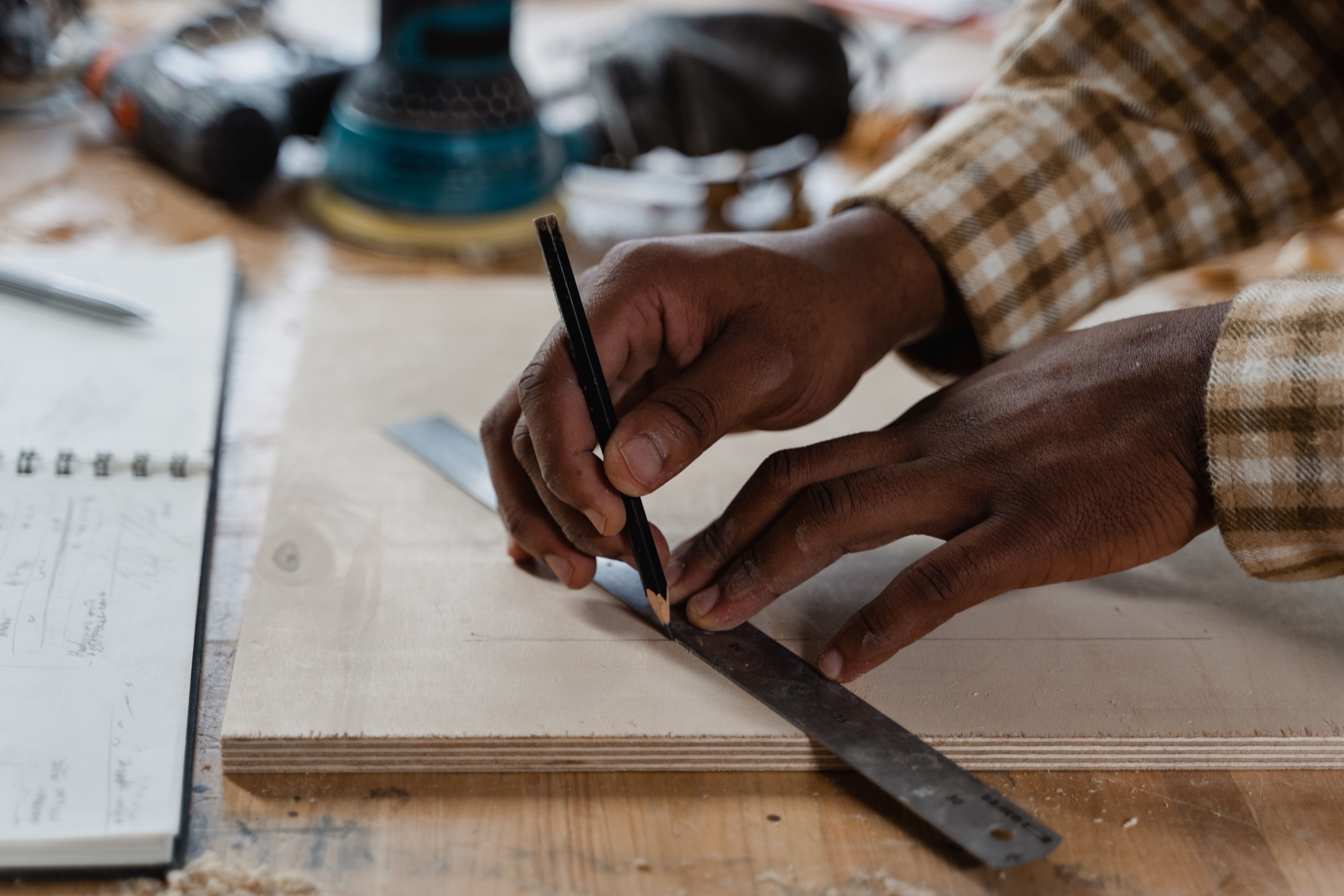
What DIY is bad at is repetition. Two shops with two handmade fixtures will not look alike. If visual consistency is part of your brand, that asymmetry is a real cost, even when it never shows up on an invoice.
Where professional actually earns its money
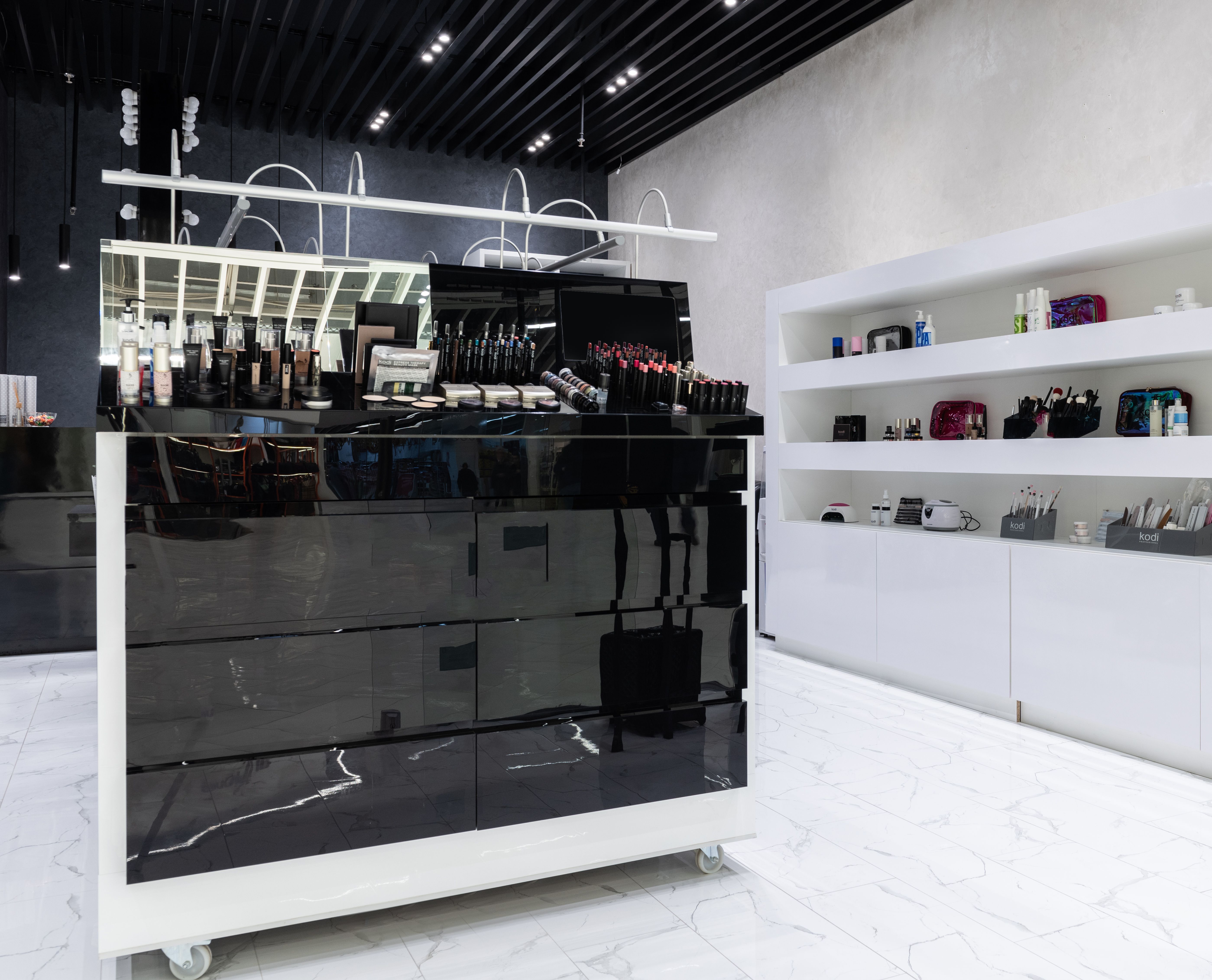
Professional fabrication is not really about looks. It buys three things a small shop usually cannot produce in-house: load-rated construction that satisfies safety and insurance requirements, a finish that survives a high-traffic aisle, and a reorder path. For anything involving electronics, integrated lighting, or elevated shelving, that engineering is not a luxury.
The trade-off is time. New custom cardboard displays run roughly seven to eight weeks from brief to delivery when made locally, or eleven to twelve weeks from overseas, and a permanent timber or metal fixture runs seventeen to nineteen weeks because of tooling, structural engineering and load testing. A re-run of an existing design is far faster, at four to five weeks. If your promotion starts next month, none of the permanent options are open to you — and that fact alone often settles the question.
The third option most shops forget
The DIY-or-professional framing skips the format that fits most small businesses: a temporary, off-the-shelf unit. If your campaign runs for a season or less, cardboard display stands are usually the rational buy. They are the cheapest display format per unit, they ship flat so freight stays low, and a properly engineered corrugated stand can carry 30kg or more per shelf. For a short promotional run they are also the format where minimum order quantities won’t punish you, since some suppliers now include structural design without a minimum, making a single prototype viable rather than a print run of several hundred.
The lifecycle arithmetic is what convinces me. A cardboard unit at $8 replaced every ten weeks costs about $0.80 per selling week. An acrylic unit at $35 lasting two years works out at roughly $0.67 per week in its first year, falling to about $0.34 in its second. The crossover sits around nine to ten months. Under that, cardboard wins; beyond it, a durable fixture starts to earn its price. So the question is not “cardboard or premium” — it is “how long is this promotion actually going to run?”
What I would actually do
For a small business putting up its first real display, I would not build it and I would not commission a permanent fixture. I would buy a cheap temporary unit that ships flat and assembles without tools, then spend the money saved on getting the product and the placement right. Roughly 47 inches high. On the side shoppers actually approach from. Carrying a product that already sells unassisted, because a display amplifies demand rather than inventing it.
Then measure it. Track sell-through rate, days to first refill, and cost per week in store. Only once a product has proven it deserves a permanent position does professional fabrication make sense — and by then you are not buying a display, you are buying consistent presentation across years and, if you have them, across locations.
The honest position: for most small shops, DIY is a false economy and a permanent professional fixture is premature. The unglamorous temporary display is usually the answer, and it is the one that keeps the maths on your side.
FAQ
Is it cheaper to build my own retail display?
It depends on scope. For a simple seasonal swap or a one-off prototype, DIY is cheaper on materials alone. For anything that must survive daily handling, standardise across locations, or hold significant weight, the hidden costs — your time, rework, safety, and replacement — usually erase the apparent saving.
How much does a professional retail display cost?
Unit cost spans a wide range. Custom corrugated counter displays typically run a few dollars per unit at volume, floor stands land roughly in the $15–$50 range, and permanent acrylic, metal or timber fixtures run from around $30 to $200 or more depending on material and engineering. Cost per selling week, not unit price, is the useful comparison.
How long does a custom display take to produce?
Roughly seven to eight weeks for a new cardboard display made locally, eleven to twelve weeks from overseas, and seventeen to nineteen weeks for a new permanent fixture. Re-running an existing design is faster, at four to five weeks. Budget the lead time before you budget the fixture.
How do I know if a display actually worked?
Use a control. Compare the same product over the same weeks in one store with the display and one without; if you only have one store, compare with the same weeks last year and adjust for the category trend. Three numbers tell the story: sell-through rate, days to first refill, and cost per week in store.
What is the best material for a small shop display?
Match material to lifespan. Cardboard suits campaigns of roughly eight to twelve weeks. Acrylic suits semi-permanent units that stay for one to two years. Metal and timber suit permanent fixtures built to last five years or more. Choosing a material that outlives or under-lives the promotion is the most common budgeting mistake.
Do retail displays actually increase sales?
On average, yes, but modestly and unevenly. The broadest evaluation found an average lift of about 33.5%, with roughly a quarter of placements showing no benefit or an outright decline. Displays work best on impulse and seasonal products, and on items that already sell from a normal shelf.