

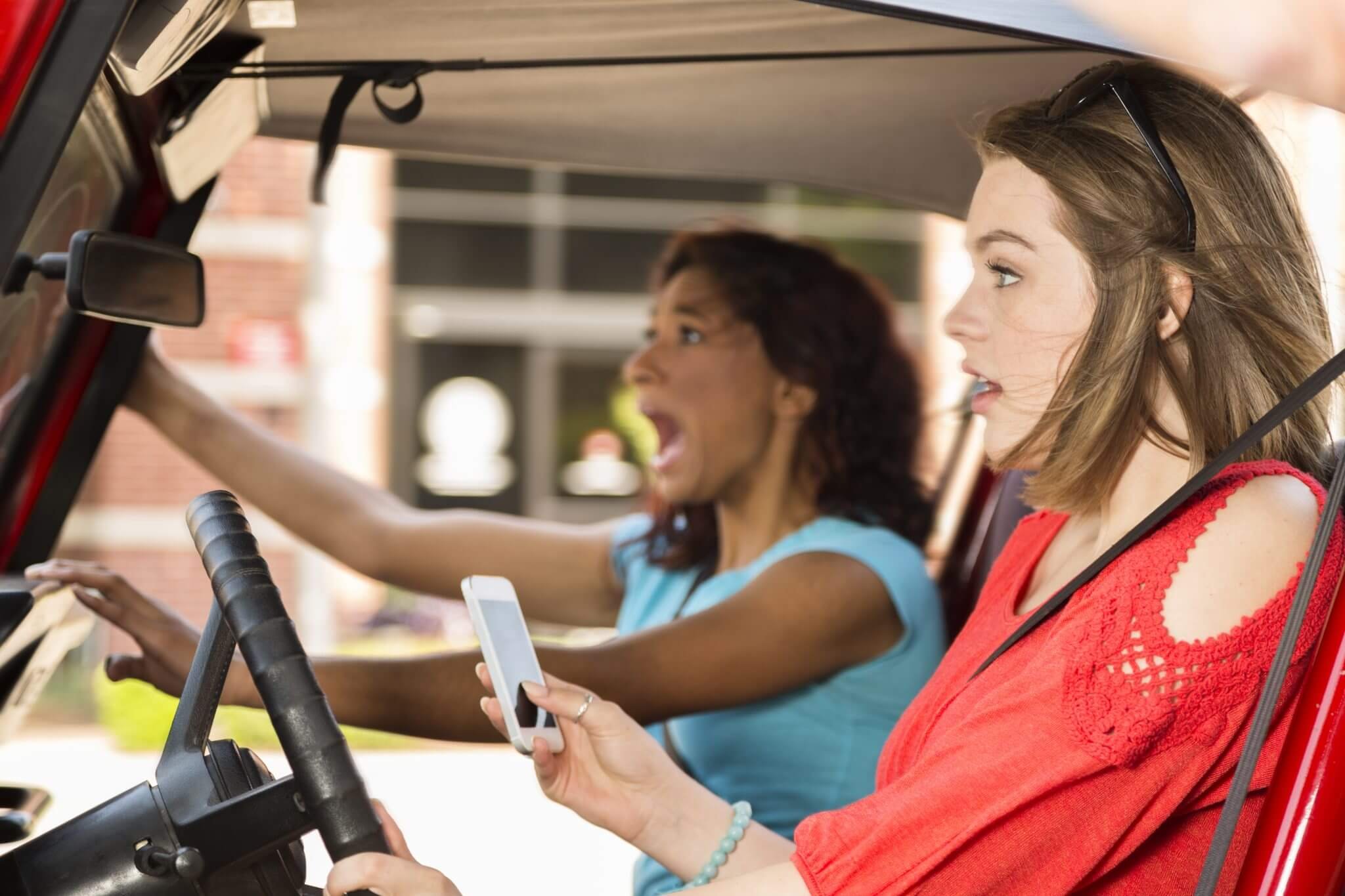
Were you hit by a driver who was staring at their phone?
Far more often than you might think. The National Safety Council reports that 3,208 people died from distraction-related crashes just last year (2024). Probably even higher than that, actually.
Here’s the problem:
It’s difficult to prove the other driver was using their phone. They’re not going to confess either. Drivers will say anything from the sun or weather caused it. Or they’ll even blame you for causing the accident. By the time police arrive the phone is tucked safely back away.
That’s where phone records come in.
A phone doesn’t forget. People do.
Cell phone records prove the specific times a driver was texting, calling or on data. If that time matches up with the time of collision… you have compelling evidence of liability.
That’s why proof is even more important if the other driver is completely uninsured.
When the distracted driver who struck you doesn’t have insurance, filing an uninsured motorist claim with your own carrier may be your only option for compensation.
Your own insurance company won’t just write you a check, however. They will still require convincing evidence that the other driver was at fault for the collision, and the legal process for obtaining phone records is often how that evidence is uncovered.
Here’s how it all works…
Inside this guide:
- Why Phone Records Matter
- How Phone Records Become Evidence
- What Phone Records Can (And Can’t) Show
- Filing An Uninsured Motorist Coverage Claim
Why Phone Records Matter
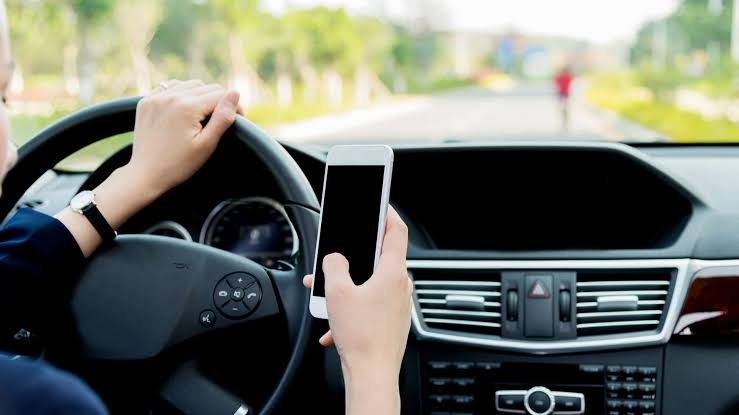
Every car accident case comes down to one big question:
Who was at fault?
Liability just refers to who is legally responsible. If the other driver caused the wreck, they are responsible for damages such as medical expenses, lost income and vehicle damage.
Establishing fault can sometimes be difficult. Each driver could have a different story. Also there may not be any camera footage.
Phone records bypass all of that. They come from the phone company; they don’t come from anyone related to the crash. An adjuster can question a witness… but it’s tough to question a timestamp.
Keep In Mind: Distraction isn’t reported nearly enough. NHTSA estimates that distraction is involved in up to 29% of all crashes.
Think about it:
If someone was texting at 3:41pm and the crash occurred at 3:41pm… Well, that doesn’t add up.
How Phone Records Become Evidence
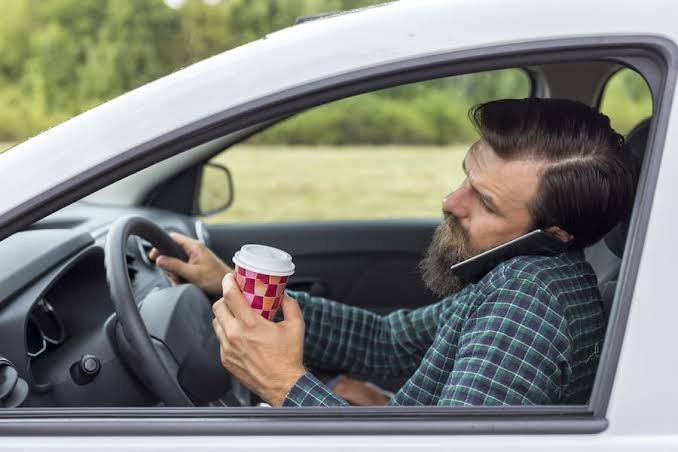
Obtaining phone records isn’t as easy as merely asking. Carriers take customer privacy seriously and will not release information without legal cause.
Here’s how it works.
Send A Preservation Letter
Speed matters here.
Cell phone providers do not retain all records indefinitely. Sending a preservation letter instructs the other driver (and their provider) to preserve all records. After they receive the letter, spoliation can get them into serious jeopardy.
Request The Records With A Subpoena
A subpoena is a court order that compels someone to turn over information. After filing a lawsuit, your lawyer can subpoena the phone carrier directly.
But you won’t be able to access their entire cell phone records. Imagine 15x minutes before and after the accident, not an entire month of data.
Match The Records To The Crash Timeline

This is where cases are won.
The records are synchronized to the precise moment of the accident. This timestamp can come from:
- The police report
- 911 call logs
- Dashcam or traffic camera footage
- The car’s “black box” data
If your phone records correlate with the time of the collision, it’s compelling proof that the driver was distracted. Coupled with witness testimony and photographs of the damages, it’s nearly impossible for the opposition to argue against.
Pretty powerful, right?
What Phone Records Can (And Can’t) Show
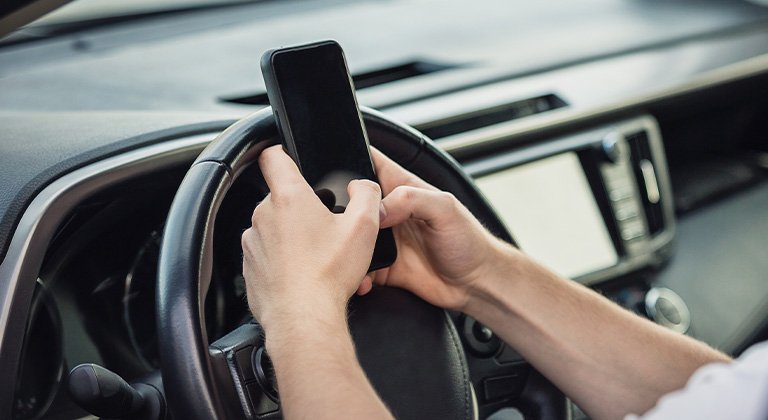
Phone records are a great tool. But they’re not magic.
Phone records CAN show when:
- Calls were made or received
- Texts were sent or received
- The phone was using data
Phone records usually CAN’T show:
- What the texts actually said
- Which app the driver had open
- Whether the driver was using hands-free
And that’s why timing is so important. If you called during a crash it could’ve been hands-free, which is legal. Texas didn’t ban texting and driving until 2017, hands-free calls were still allowed for most adults.
In more serious cases, law enforcement may send the phone to a forensic expert for analysis. That can reveal far more… but will typically require a court order.
Filing An Uninsured Motorist Coverage Claim
Here’s something most drivers don’t think about until it’s too late.
What happens when the distracted driver has no insurance?
You’d be surprised how often this happens. According to the Insurance Research Council, more than one in seven drivers were uninsured in 2023. If you include drivers that are underinsured, that number increases to one in three.
That’s where your own policy steps in.
An uninsured motorist claim is a claim you make against your own insurance company. They pay for your injuries (up to your coverage limits) as if the other driver’s insurance would have.
But here’s the catch…
Now your insurance company is sitting across from you. They want to pay you as little as possible. You still need to prove three things:
- The other driver was at fault
- The other driver had no insurance
- Your injuries and losses are real
And yes, phone records still matter here. If the other driver was texting, phone records support your uninsured motorist claim. Your insurance company might even request YOUR phone records to see if YOU were distracted.
(Just one more reason to keep your phone out of reach while you drive!)
Tip: Read your policy. Most policies require prompt notice of a crash with an uninsured driver.
Pulling It All Together
Distracted driving is responsible for thousands of deaths each year. However, knowing a driver was using their phone at the time of an accident requires proof. Phone records allow that suspicion to become concrete evidence. Time for a quick review:
- Act fast so records are preserved
- Use a subpoena to get records from the carrier
- Match the phone activity to the crash timeline
- Use the same evidence for an uninsured motorist coverage claim
A cellphone doesn’t lie. And when used properly, it can be that ONE piece of evidence that YOU get paid.
Frequently Asked Questions
Can you get someone’s phone records after a car accident?
Yes, but not by yourself. Phone records are typically only acquired by subpoena or court order in the context of a lawsuit. Police can get a warrant in the case of serious wrecks.
Does uninsured motorist coverage apply to a hit-and-run?
Covered in most states. Hit- and-run accidents are typically covered by uninsured motorist coverage. Report the accident to police promptly. Check your policy for time limits.