

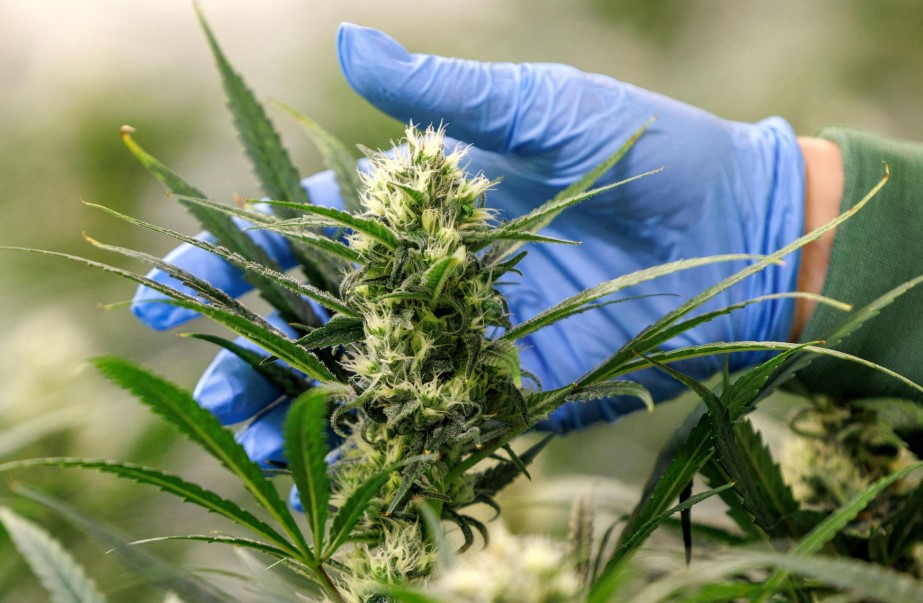
So you’re looking at a cannabis plant and thinking… I should be able to read this, right?
Leaf shape, color, structure, it all feels like a language you almost understand.
And to be fair, you’re not wrong.
Cannabis plants do communicate through how they look. The real question is:
are you reading signals… or just reacting to surface-level clues?
What You Think You’re Seeing vs. What’s Really There
At first glance, everything can look reassuring. Rich green leaves, balanced structure, no obvious damage.
So your brain fills in the blanks: healthy plant, good genetics, probably a solid outcome.
But here’s the thing, plants are very good at looking stable even when something subtle is off beneath the surface.
A slight nutrient imbalance won’t always scream for attention.
Early stress doesn’t always show up dramatically.
So the real skill isn’t just seeing, it’s interpreting without jumping to conclusions.
Because sometimes what looks like a problem… isn’t.
And sometimes what looks fine… absolutely is.
The Basics – What You’re Actually Looking At
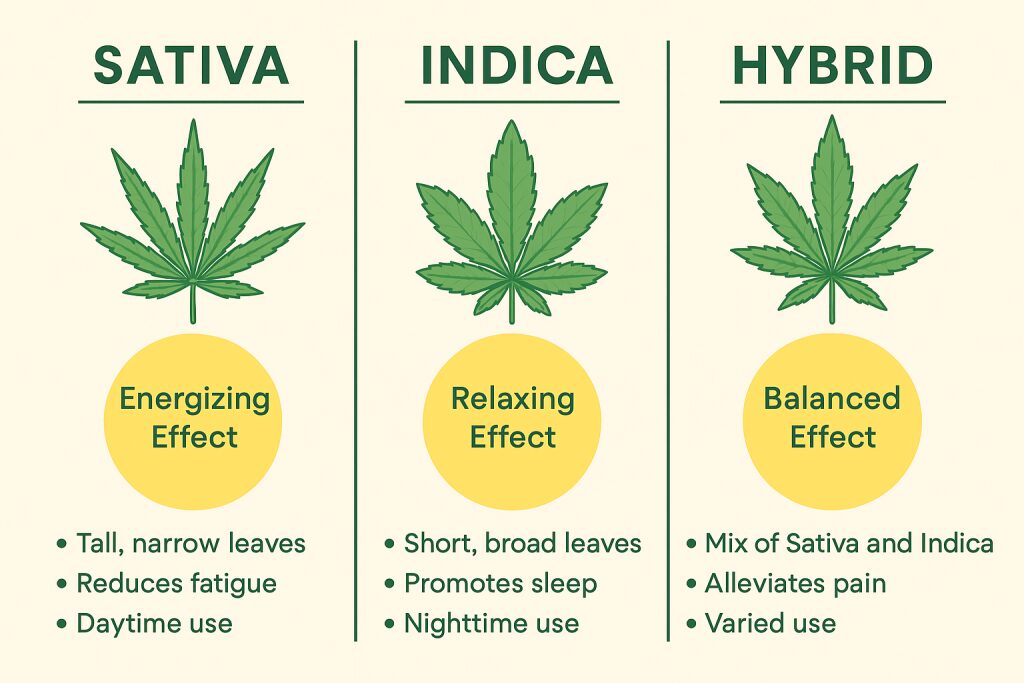
Before you start diagnosing anything, zoom out. Cannabis is generally grouped into three categories: indica, sativa, and hybrids. That’s your starting framework—not your final answer. Indica plants tend to grow shorter and denser, with broader leaves. Sativas stretch taller, with thinner, more elongated leaves.
That difference isn’t random. It’s environmental adaptation, how these plants evolved to handle light, humidity, and temperature in their native regions.
But here’s where things shift.
Most modern cannabis? It’s hybrid. And hybrids don’t follow clean rules. They mix traits in ways that can make a plant look “indica-like” in one stage and “sativa-like” in another. So when you’re observing structure, you’re not identifying a category, you’re reading tendencies.
Indica or Sativa – Can You Really Tell?
This is usually the first test people give themselves.
“Can I look at this and tell what it is?”
You can make an educated guess. But that’s all it is – a guess.
- Leaf width can hint at genetic leaning.
- Plant height can suggest growth behavior.
- Even color can sometimes reflect chlorophyll density.
But none of these are definitive on their own.
Take color, for example. A common curiosity is whether is sativa darker than indica. In reality, indica plants often show deeper green tones due to higher chlorophyll levels, while sativa tends to be lighter. However, this difference is subtle and inconsistent.
So instead of asking, “Is this indica or sativa?”
A better question is: “What traits is this plant expressing, and why?”
That shift alone changes how accurately you read what you’re seeing.
Leaf Shape – One of the Stronger Signals
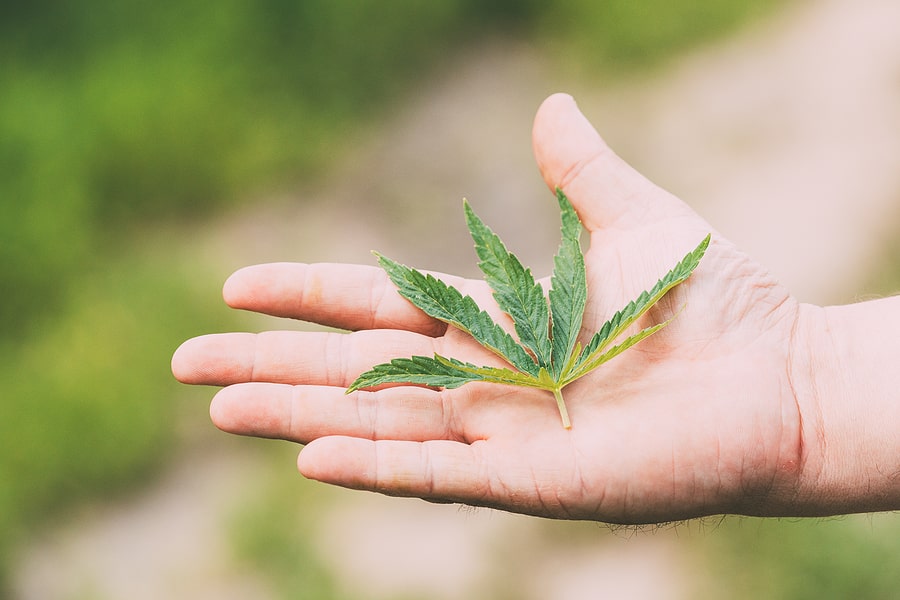
If there’s one visual cue that consistently gives you useful information, it’s leaf shape.
- Wide, thick leaves? Typically indica-leaning.
- Thin, narrow leaves with multiple fingers? More sativa-leaning.
This works because leaf structure is tied to how the plant interacts with light.
- Broader leaves capture more light in dense environments.
- Narrow leaves allow better airflow and light penetration in taller plants.
So this isn’t just visual, it’s functional biology. But even here, context matters.
Hybrid plants often sit right in the middle. You’ll see leaves that aren’t fully wide or fully narrow, just somewhere in between. And here’s something people overlook: leaf shape can subtly shift as the plant matures. Early growth might show one pattern. Later stages might soften or blend those traits. So again, useful signal, but not a fixed label.
Color – Health Indicator or Genetic Trait?
Color is where most people jump to conclusions the fastest.
- You see yellow leaves and think: problem.
- You see purple and think: special genetics.
Healthy cannabis plants usually show a strong, consistent green, that’s a baseline. But when color changes, the real question is: what triggered it?
Yellowing could mean nitrogen deficiency… or it could mean the plant is naturally redirecting nutrients during later growth.
Purple hues? Could be genetics…or simply cooler nighttime temperatures activating pigments.
Even pale green can come from light issues, not just nutrient problems. So color is incredibly useful—but mostly as a response indicator, not an identity marker.
It tells you what the plant is experiencing, not what it inherently is.
Structure – Reading Growth Strategy
Step back and look at the entire plant, not just individual leaves.
- Is it compact and bushy?
- Tall and stretched?
- Are branches tightly stacked or spaced out?
These structural traits tell you a lot about how the plant grows and how it manages resources. Compact plants are easier to control indoors. Taller plants with wider spacing handle airflow better and often perform well outdoors. This is where appearance becomes practical.
You can plan lighting. Adjust spacing. Predict how the plant might respond to training techniques. But here’s the limit: Structure tells you how the plant behaves, not what it produces.
Two plants with nearly identical shapes can still differ drastically in cannabinoid content. So while structure is useful for cultivation decisions, it doesn’t tell you anything reliable about potency or effects.
The Big Misconception – Looks = Effects
This is where visual interpretation breaks down the most.
- A plant that looks dense, frosty, and “premium” doesn’t automatically mean high THC.
- A plant that looks like an indica doesn’t guarantee a relaxing effect.
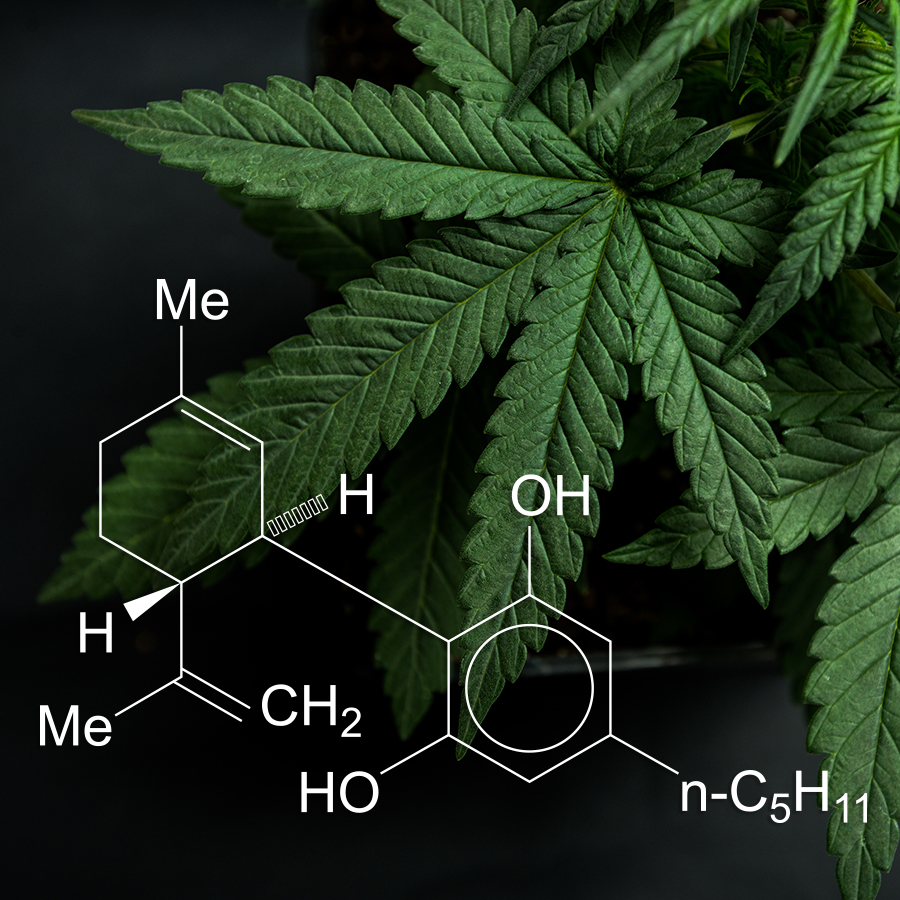
Because what actually defines those outcomes lives at the chemical level, cannabinoids and terpenes. And those aren’t visible in a straightforward way. Trichomes, for example, can give you some clues about maturity, clear to milky to amber. But even that doesn’t fully reveal potency or exact chemical balance. So if you’re relying only on appearance to predict effects, you’re working with incomplete information.
The Hidden Layer – What You Can’t See
This is the part most people underestimate. Cannabis is chemically complex. Two plants can look almost identical, same height, same color, same leaf structure, and still produce completely different cannabinoid and terpene profiles.
Why?
Because genetics and environmental conditions interact in ways that aren’t always visible. Light intensity, nutrient balance, and stress levels, all of these can shift chemical expression without dramatically changing appearance. So the plant you’re looking at is only showing you the surface layer. The deeper story is happening at a microscopic and chemical level.
So What Can You Actually Trust?
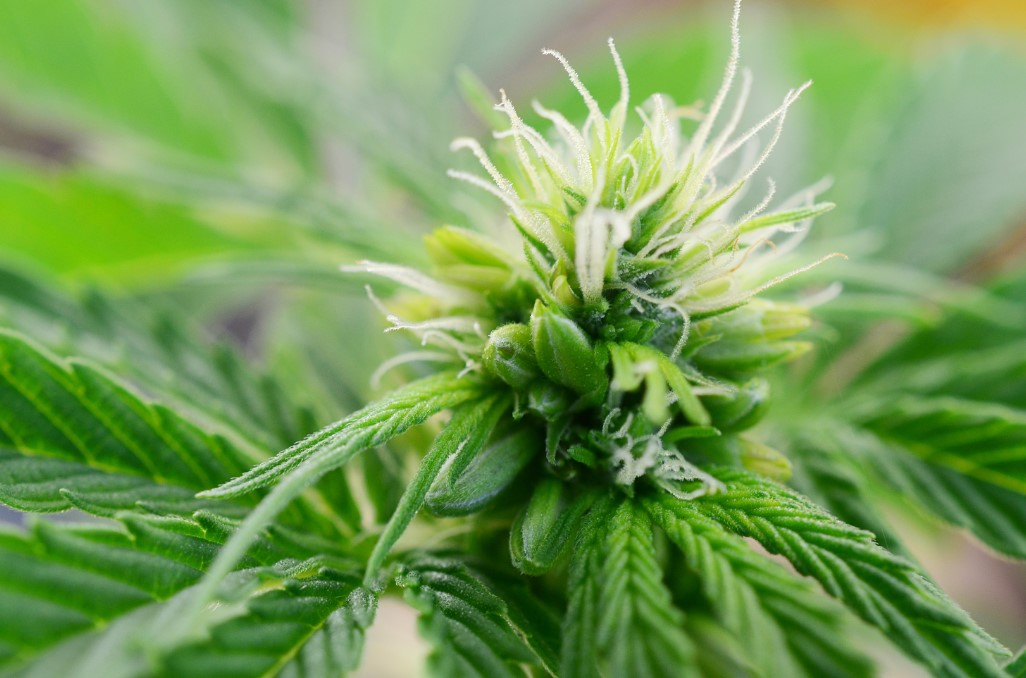
Think of visual cues as your entry point, not your conclusion.
Use them to:
- Spot early signs of stress or imbalance
- Understand general growth patterns
- Estimate genetic leaning
But for real accuracy? You layer that with:
- Verified genetics (seed or breeder info)
- Lab analysis (THC, CBD, terpene profile)
- Observation over time
That’s how experienced growers approach it. They don’t rely on a single snapshot—they build a complete picture.
Final Thought
At a glance, a cannabis plant can look like it has everything under control. Strong color. Solid structure. No visible issues. But plants are excellent at holding it together on the surface.
So instead of asking: “Does this look good?”
Try asking: “What is this plant actually telling me… and what is it not telling me?”
Because once you start thinking that way, you’re no longer just looking at the plant. You’re reading it.