

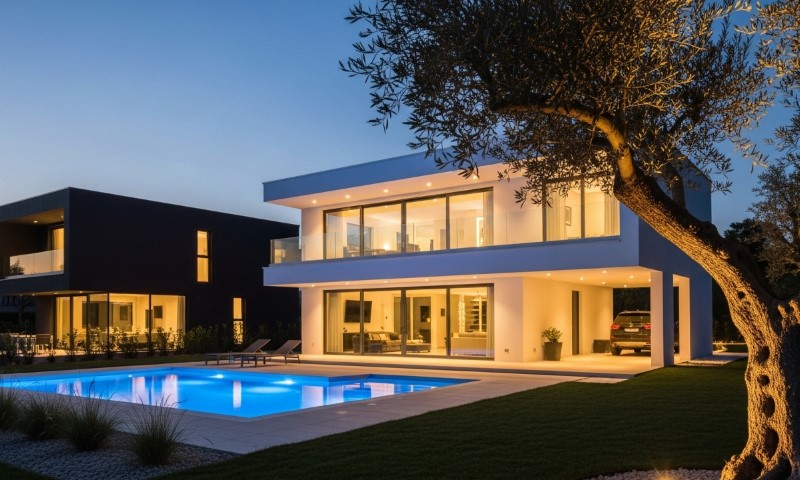
We must say that modern real estate looks noticeably calmer on the outside when compared to practically all traditional styles.
Loud facades and decorative excess have taken a step back, making room for something far more intentional.
Exterior design now leans toward longevity, favoring materials, forms, and layouts that hold up over time instead of chasing quick visual impact.
Minimalism leads the market today because it checks multiple boxes at once. Buyers want beauty that lasts, developers want efficiency, and sustainability is no longer optional.
Let’s see why minimalist exteriors are so dominant today.
Characteristics of Minimalist Exteriors That Make it Preferable
Minimalist exteriors today follow a clear approach, presented in a couple of core characteristics.
Clean Lines and Simple Geometries
Sharp lines and defined shapes replace decorative flourishes, creating a sense of order that feels effortless.
Flat roofs, crisp edges, and clean volumes give homes a confident presence without trying too hard.
Structure becomes the main character. Without visual clutter, proportions and alignment step forward, giving the home a polished and composed look.
Geometry adds rhythm to the design. Rectangles, cubes, and layered planes interact in a way that feels both structured and inviting.
Function remains at the core of every decision. Exterior forms often mirror interior layouts, creating a sense of honesty in the design.
Spaces connect logically, and movement through the home feels intuitive. Simplicity here supports daily life rather than limiting it.
Neutral and Earthy Color Palettes
Whites, warm beiges, and soft greys dominate, often paired with subtle natural hues. Instead of bold contrasts, homes lean into tones that feel calm, grounded, and easy on the eyes.
Warmth plays a bigger role than before. Clay tones, sand-inspired shades, and muted greens create a connection to nature without overpowering the design.
Color choices also influence market performance in a very real way. Research and market observations point to measurable impact, including:
- Up to around 10% increase in buyer interest with well-selected exterior colors
- Higher perceived property value tied to cohesive, neutral palettes
- Reduced the risk of homes looking outdated due to short-term color trends
Consistency matters just as much as color itself. Smooth transitions between tones create a cohesive look that feels intentional and relaxed.
Homes feel settled rather than loud, inviting attention without demanding it.
Mixed Natural Materials
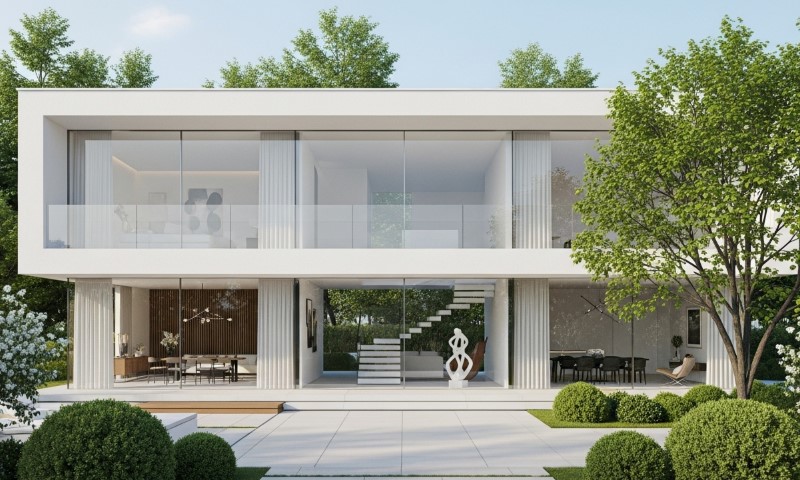
Stone, wood, concrete, and glass come together to create contrast through texture and depth.
Visual interest comes through how materials interact, not through added ornamentation.
Authenticity has become a major priority. Surfaces that show grain, texture, and natural variation feel more desirable than overly processed finishes.
Buyers respond to materials that feel honest and substantial.
Several materials are gaining strong traction due to performance and visual quality:
- Mass timber for its structural strength and warm appearance
- Carbon-conscious cladding that reduces environmental impact
- Textured concrete that adds depth without extra layers
- Natural stone that ages gracefully and resists wear
Durability and sensory experience go hand in hand. Brick, concrete, and glass combinations create homes that feel solid while still offering visual contrast.
Surfaces invite touch and develop character over time, adding personality without relying on decoration.
Seamless Indoor-Outdoor Integration
Boundaries between interior and exterior have begun to soften in the last couple of decades, which has made it possible to create a fluid transition that makes homes feel larger and more open.
Large windows and open facades allow natural light to move freely through the home.
Transitional spaces such as covered patios and terraces act as bridges between inside and outside.
Outdoor areas play an active role in daily living, a concept utilized by developers like Elythera Homes. Instead of being an afterthought, those areas function as fully equipped extensions of the home.
Expansive glass panels frame views and strengthen the connection to nature. Landscaping becomes part of the overall design, working alongside architecture to create a unified experience.
Economic and Practical Advantages
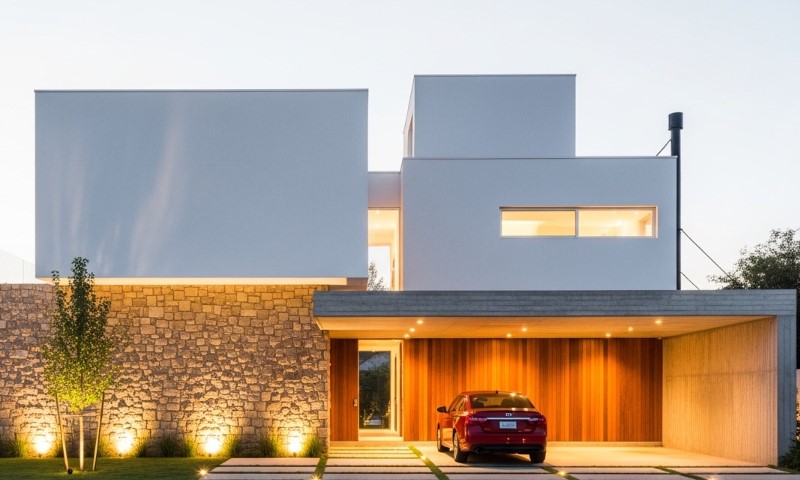
Practical benefits play a major role in the popularity of the minimalist approach.
Simplicity often translates into efficiency, making these homes attractive to both builders and buyers.
Cost Efficiency
The cost efficiency of this approach shows up in multiple ways during the building process:
- Reduced labor hours due to straightforward construction methods
- Lower material waste thanks to clean, repeatable forms
- Faster project timelines with fewer design complications
Maintenance also becomes more manageable. Clean surfaces and durable materials require less attention over time.
Scalability for Developers
Minimalist designs can be replicated easily, allowing developers to maintain quality while increasing efficiency.
Standardized forms and materials simplify planning and execution. Builders always rely on proven systems rather than reinventing each project in this case.
Prefabrication and advanced materials allow faster production while maintaining precision.
Projects move forward with fewer delays and more predictable outcomes.
Sustainability and Environmental Impact
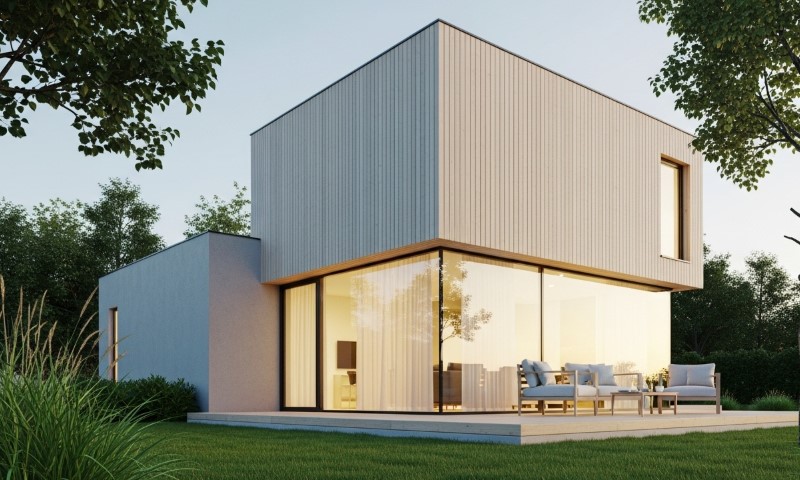
Minimalist approaches naturally support more responsible building practices, making them a strong fit for current environmental priorities.
Energy Efficiency
Fewer structural complications mean better insulation and fewer areas where energy can escape.
Advanced systems enhance efficiency even further. Smart shading, climate-responsive facades, and energy-generating technologies work together to reduce consumption.
Performance improvements often include:
- Lower heating and cooling demands due to improved insulation
- Reduced energy bills through passive design strategies
- Increased comfort levels with stable indoor temperatures
Efficiency becomes part of the design rather than an added feature.
Sustainable Materials
Locally sourced materials reduce transportation impact, while carbon-conscious products lower overall emissions.
Builders are paying closer attention to how materials are produced, used, and eventually replaced.
Circular design principles continue to gain traction. Materials are selected with their full lifecycle in mind, supporting reuse and reducing waste over time.
As we all know, eco-friendly options are becoming standard, not optional.
Reduced Waste
Fewer decorative elements mean fewer materials that serve no functional purpose.
- Less construction waste is sent to landfills
- Reduced need for replacement materials over time
- Lower overall resource consumption
Durability becomes the focus. Long-lasting materials replace short-term finishes, creating homes that hold up well with minimal intervention.
Summary
Minimalist exteriors dominate modern real estate because they offer more than just a clean look.
Practical benefits, environmental responsibility, and lifestyle alignment all come together in one cohesive approach.
Performance-focused design, long-term value, and emotional comfort make minimalism more than a passing trend.
Simplicity, when executed thoughtfully, continues to shape how homes look and feel for years ahead.