

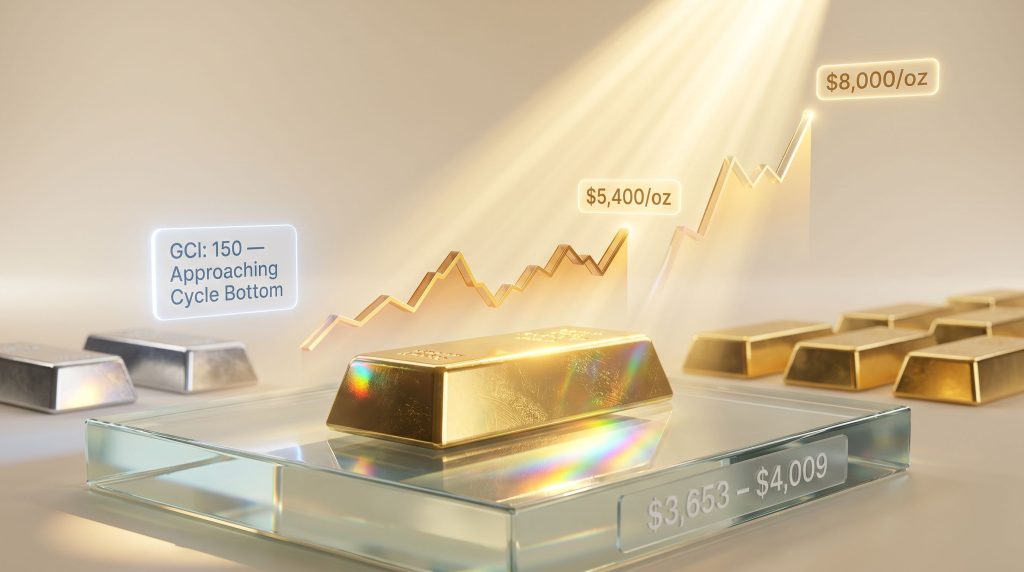
Gold entered 2026 after one of the strongest multi-year rallies in modern market history. Prices climbed almost 140% across the past three years before momentum slowed after a January 2026 record high of $5,589.39 per troy ounce.
Many analysts still expect higher prices across 2026 and 2027, though forecasts now point to a far more volatile market environment.
Rapid pullbacks, changing interest rate expectations, and stronger U.S. dollar conditions have complicated bullish expectations that looked nearly unstoppable earlier in the year.
Three major forces continue shaping the gold market. Central bank buying and investor demand still provide strong support for long-term prices.
Macroeconomic conditions such as inflation, Federal Reserve policy, real yields, and U.S. dollar strength continue influencing short-term price action.
Geopolitical tensions also play a major role, especially since conflict can boost gold demand at times while strengthening the U.S. dollar at the same time.
Where Gold Stands Now
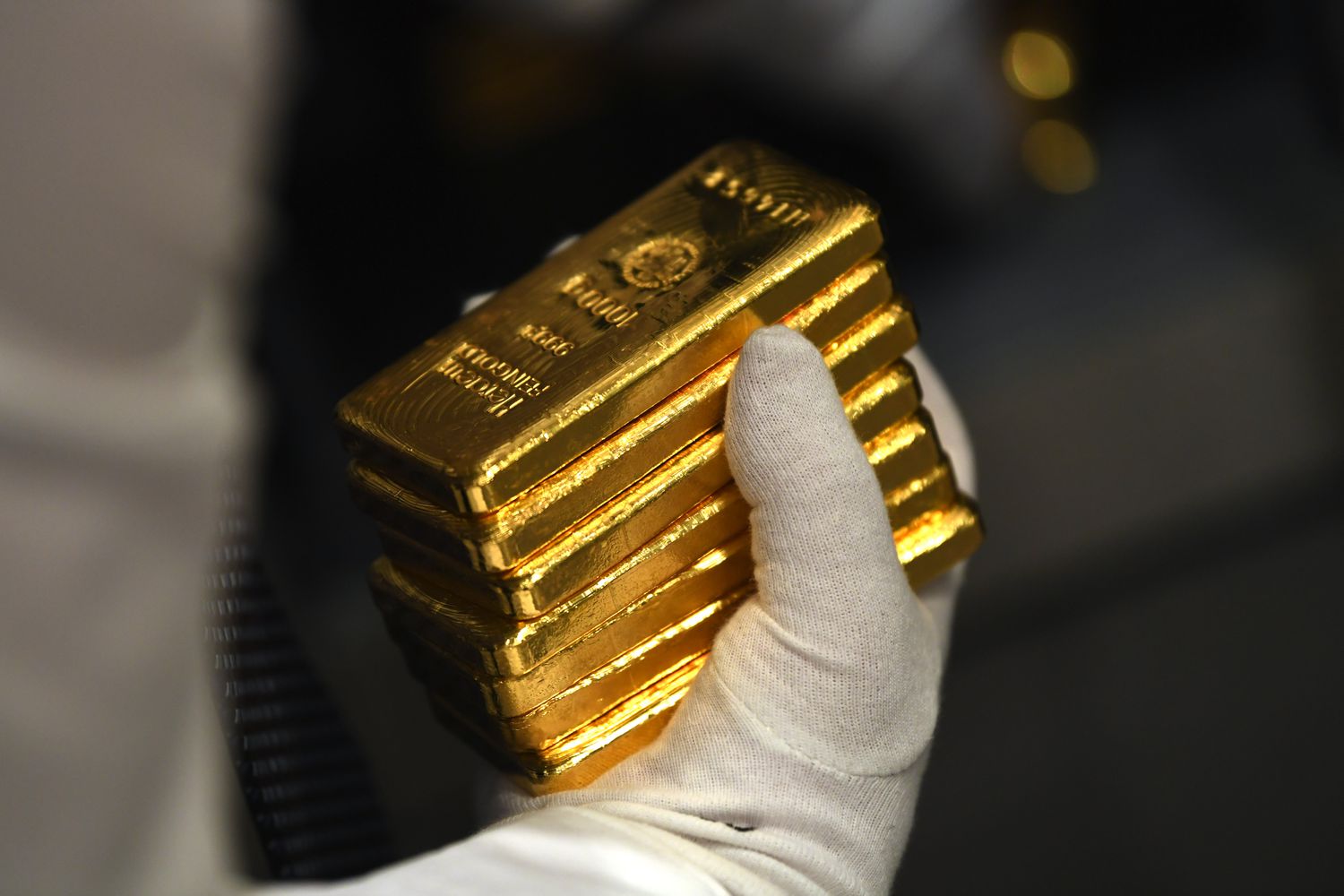
Gold prices entered 2026 with strong momentum after several years of aggressive gains.
Fresh record highs initially strengthened bullish sentiment across commodities markets, though sharp corrections later created uncertainty regarding the sustainability of the rally.
Gold already experienced dramatic gains, fresh record highs, and aggressive corrections during 2026. Prices reached an all-time high of $5,589.39 per ounce in January before falling to near $4,100 during a sharp selloff.
Recovery followed afterward, with gold trading around $4,800 as of Monday, April 20, leaving prices roughly 11% higher year to date.
Recent trading activity shows how volatile conditions became during the year:
- January all time high near $5,589.39 per ounce
- Sharp correction toward the $4,100 range
- Recovery toward roughly $4,800 by April 20
- Overall year to date gain near 11%
Recent price swings show that gold is no longer moving in a straight upward pattern. Investors now face a difficult question regarding current weakness. Some traders view recent declines as temporary corrections inside a larger bull market.
Others argue that gold became heavily overextended after years of rapid appreciation.
Macroeconomic conditions also changed substantially during 2026. Earlier market expectations pointed toward multiple Federal Reserve rate cuts.
Later developments created uncertainty around future policy decisions, with some traders even pricing in the possibility of additional rate hikes.
Main Forecasts for Gold in 2026
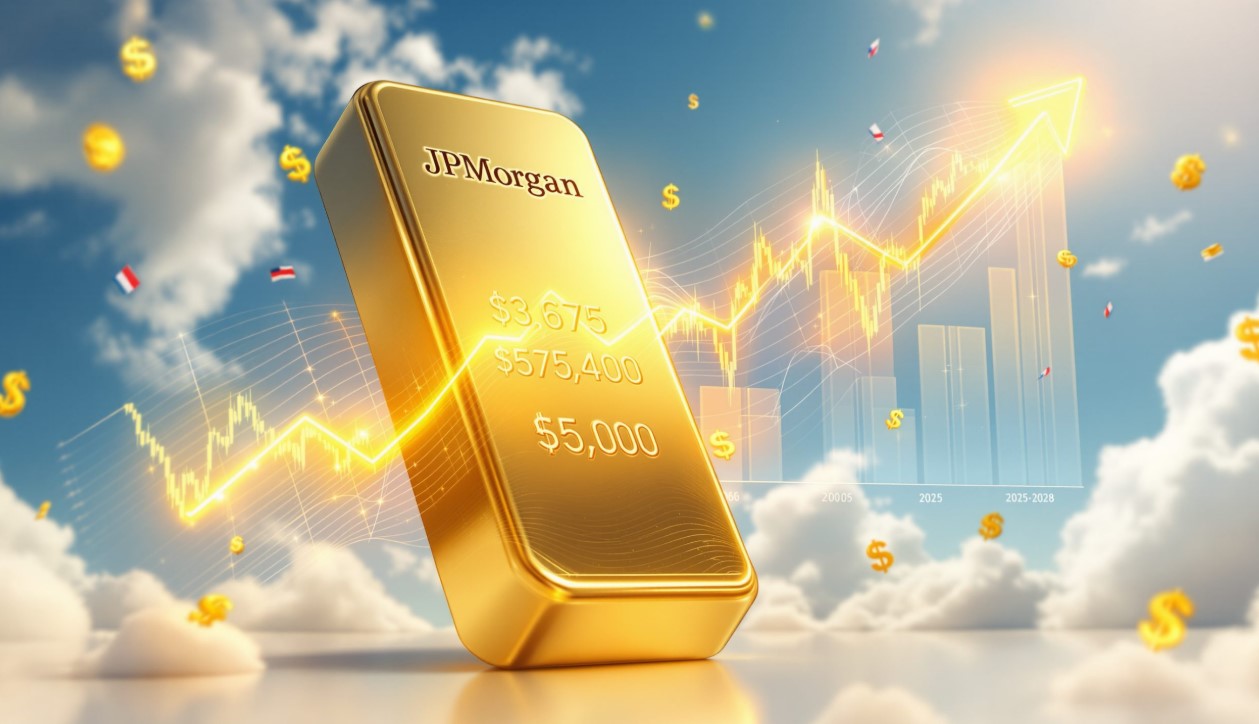
Forecast expectations for gold prices vary sharply across major financial institutions. Bullish sentiment still dominates long term projections, though several analysts turned more cautious after aggressive price swings during the first half of 2026.
Analyst forecasts for gold prices in 2026 vary widely, showing major disagreement regarding future upside potential. Bullish expectations still dominate many institutional forecasts, though caution increased after major corrections earlier in the year.
J.P. Morgan maintains one of the more bullish long term outlooks. Bank analysts expect gold prices to move toward $5,000 per ounce by the fourth quarter of 2026, while projections above $6,000 remain possible during later years. Combined central bank and investor demand is expected to average 585 tonnes per quarter during 2026.
Several major forecasts illustrate how wide the pricing range became:
- J.P. Morgan projected gold reaching $6,300
- UBS raised its year end target near $5,900
- Goldman Sachs projected year end prices near $5,400
- Wells Fargo estimated a base case range between $6,100 and $6,300
- Wells Fargo also projected a bull case near $8,000 and a bear case near $4,000 by late 2027
Yahoo Finance linked forecasts present a more cautious outlook.
Some analysts expect gold to finish 2026 below $4,500 per ounce despite raising forecasts because of strong central bank demand and continued global economic uncertainty.
LBMA analysts project gold prices averaging $4,741.97 during 2026. Forecast ranges vary sharply across institutions.
Robin Bhar at RBMC projected an average price near $4,000 with a possible high near $5,000. Julia Du at Standard Bank projected an average near $6,050 alongside a possible high near $7,150.
Post selloff revisions also turned more bullish at several institutions. Commerzbank raised its year end forecast to $5,000 after previously targeting $4,900.
BNP Paribas increased its 2026 average forecast by 27% to $5,620 while suggesting prices could climb above $6,000 and potentially reach $6,250.
Why Gold Could Keep Rising
Bullish forecasts continue receiving support because several major market forces still favor higher gold prices.
Central bank accumulation, investor demand, de dollarization trends, and possible Federal Reserve easing all continue supporting optimistic long term expectations.
Central Bank Demand
Central bank accumulation continues acting as one of the strongest supports for gold prices.
J.P. Morgan expects combined central bank and investor demand to average 585 tonnes per quarter during 2026, showing continued institutional interest despite elevated prices.
Liquidity pressures created some selling activity among certain central banks during 2026. Long term diversification trends still support bullish expectations across many analyst forecasts.
Several major factors continue encouraging central bank buying activity.
Diversification away from the U.S. dollar remains an important goal for many countries seeking protection against currency weakness and geopolitical uncertainty.
Growing retail interest in investment-grade jewelry also supports broader demand for physical gold, with brands like Kuvera Jewelry focusing on 24 karat gold pieces sold with transparent weight-based pricing and lower maker fees.
Investor Demand and Safe Haven Buying
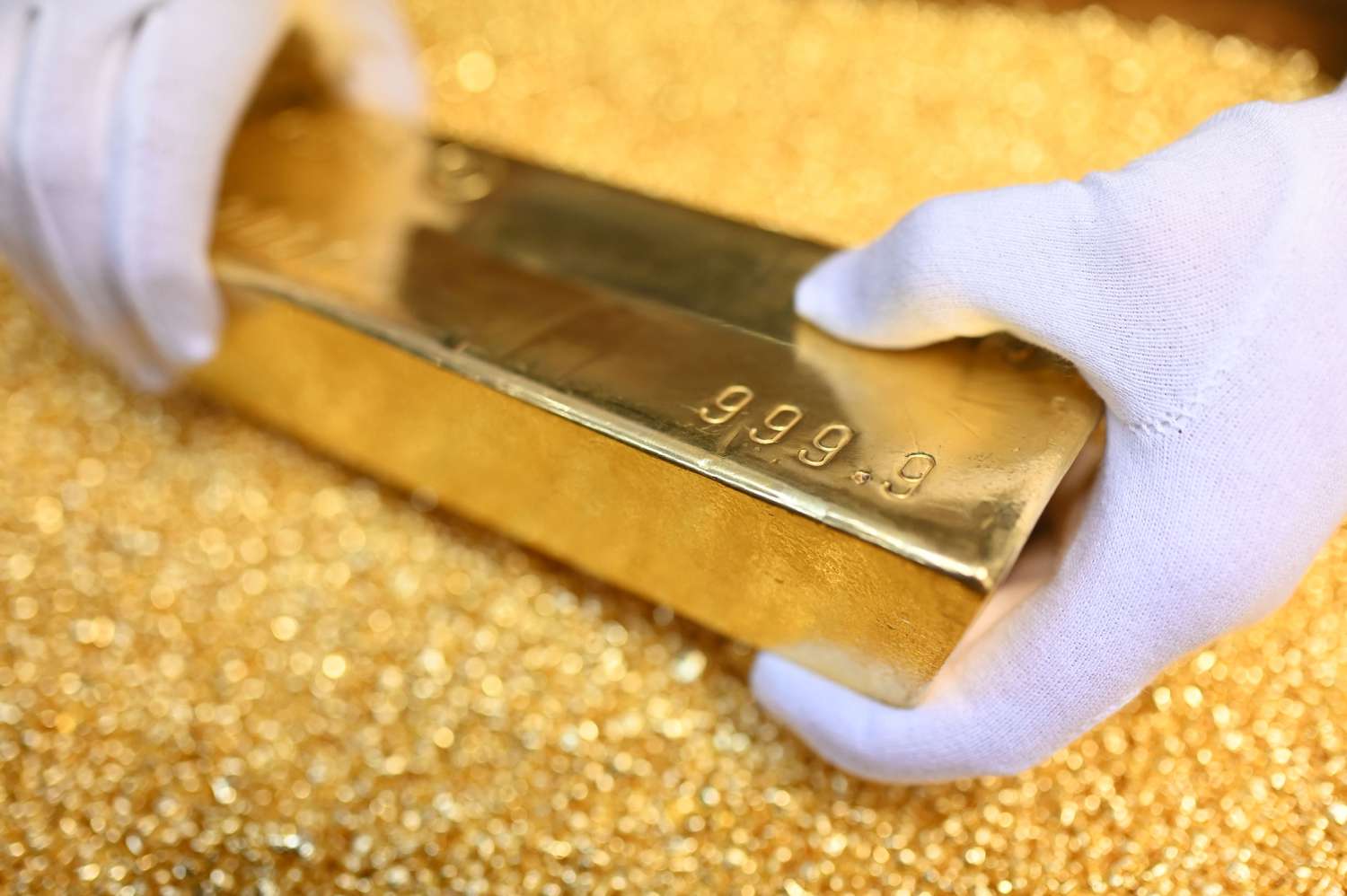
Investor demand still supports the broader bullish case for gold. Political instability, financial uncertainty, and concerns regarding currency debasement continue attracting long-term buyers into precious metals markets.
Safe-haven demand became more complicated during 2026 because some geopolitical tensions strengthened the U.S. dollar instead of gold.
Volatility across gold markets also started moving closer toward historical averages after several extreme periods since 1971.
ETF demand also remains supportive.
Goldman Sachs expects central banks to continue reducing exposure toward dollar based assets while ETF inflows continue increasing. Analysts also expect a 0.5% reduction in the Federal Funds Rate during the year, which could support gold prices further.
U.S. Dollar and De Dollarization Trends
Gold and the U.S. dollar often move in opposite directions. Dollar weakness generally supports gold prices because foreign buyers gain stronger purchasing power.
Dollar strength usually pressures gold because alternative safe-haven demand shifts toward cash and bonds.
U.S.-Iran conflict conditions created a dollar-positive environment during 2026. Rising oil prices tied to Strait of Hormuz disruption fears increased global demand for U.S. dollars, creating headwinds for gold.
Long-term de-dollarization trends still support bullish gold expectations. Growing interest in reducing dependence on dollar-based assets continues to encourage gold accumulation among central banks and institutional investors.
Many gold bulls believe instability and currency debasement represent structural market conditions instead of temporary market cycles.
Interest Rates and Real Yields
Gold does not generate interest income, making real yields and Federal Reserve policy extremely important for price direction. Lower real yields usually support gold because investors face smaller opportunity costs while holding non yielding assets.
Federal Reserve rate cuts would likely support additional upside for gold prices during 2026. Higher for longer interest rates or additional hikes could create renewed pressure across precious metals markets.
Interest rate expectations shifted sharply during 2026. Markets initially expected multiple Federal Reserve cuts early in the year. Later developments caused traders to consider possible rate hikes instead, weakening several assumptions that previously supported gold.
Why the Rally Could Stall
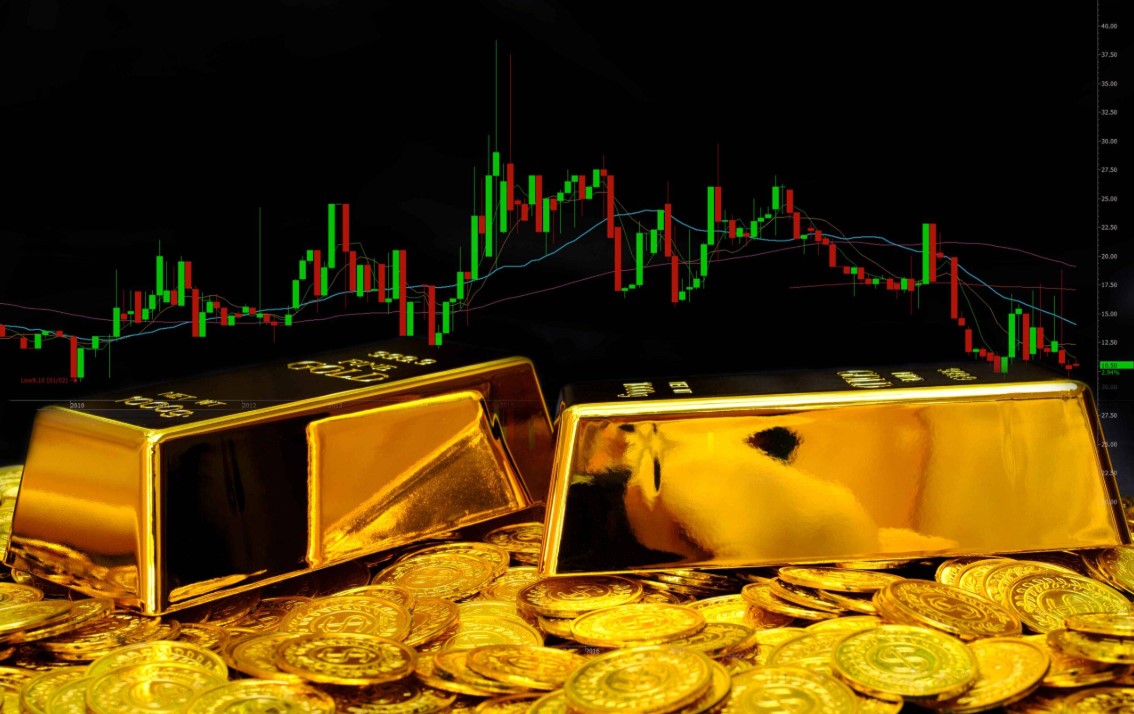
Bullish forecasts still dominate much of the market conversation, though several downside risks continue creating caution among analysts and investors.
Large price gains, aggressive volatility, stronger dollar conditions, and central bank selling risks all create possible pressure points for gold.
Gold May Already Be Overextended
Large multi-year gains created concerns that gold may already be overbought. Profit-taking pressure increased after prices reached record highs near $5,589.39 earlier in 2026.
Cycle analysis also created debate regarding future upside potential. Wells Fargo based part of its bullish outlook on an 8.5-year debasement cycle.
Bloomberg analyst Jim Wiederhold pointed toward a shorter 2.5-year appreciation cycle, suggesting current momentum could be approaching exhaustion.
Volatility and Sharp Pullbacks
Gold price volatility became one of the defining market stories during 2026. Prices fell sharply after January highs, with lows near $4,100 and another reported low near $4,101.45 during the year.
Bull markets can still experience painful corrections lasting weeks or months. Several analysts warned that consolidation risks increased after gold’s rapid climb during recent years.
Some strategist commentary also turned more cautious. One analyst warned that gold could enter a prolonged consolidation phase. Another suggested that a 50% drawdown could not be ruled out under extreme market conditions.
Strong Dollar or Hawkish Fed
Strong U.S. dollar conditions can weaken gold demand among international buyers.
Hawkish central bank policy can also increase interest in bonds and cash holdings relative to non-yielding assets such as gold.
Iran-related geopolitical tensions supported the U.S. dollar during 2026, reducing some safe-haven demand that previously supported gold prices. Shifting interest rate expectations also weakened assumptions connected to aggressive Federal Reserve easing.
Central Bank Selling Risk
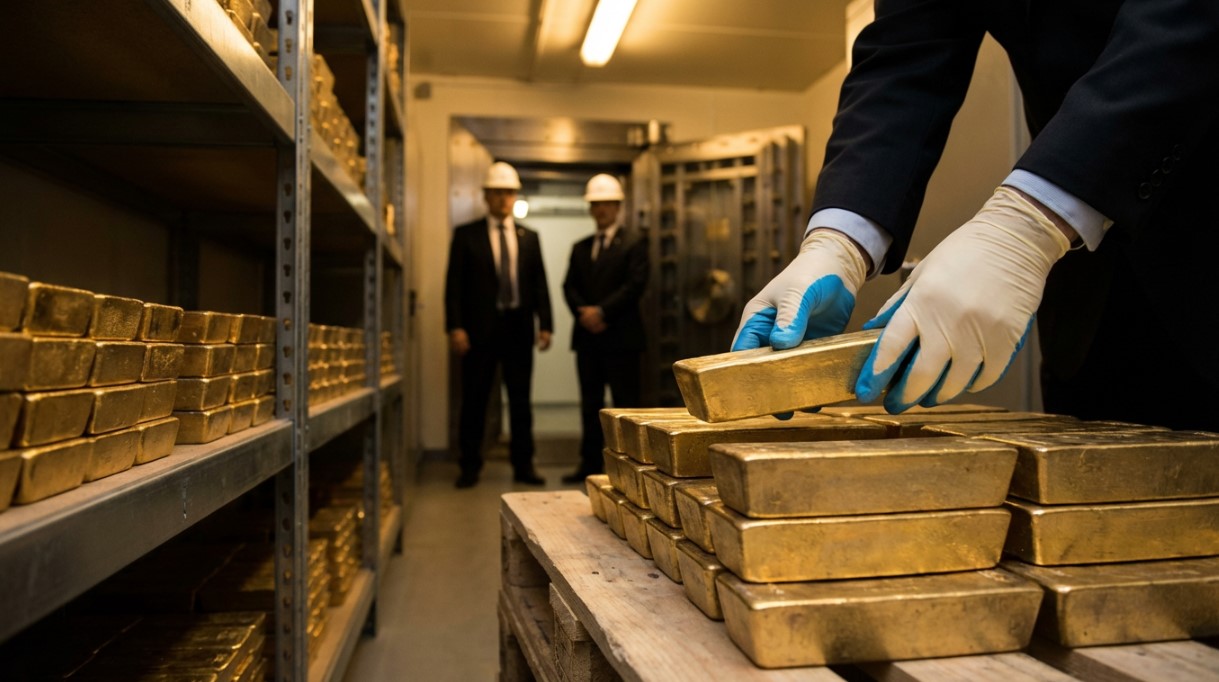
Central bank buying acted as a major pillar supporting gold prices during recent years. Selling activity, therefore, represents an important downside risk.
Liquidity pressures already pushed some central banks toward partial gold sales during 2026.
Energy-importing countries may eventually use gold reserves to manage higher energy costs, rising defense spending, or weakening domestic currencies.
Slower central bank accumulation or broader selling activity could remove one of the strongest supports currently supporting gold markets.
Will Gold Keep Rising?
Current market conditions still support a broadly bullish long-term outlook for gold prices.
Strong central bank demand, continued investor interest, diversification away from dollar-based assets, and persistent geopolitical instability continue supporting higher price targets across many forecasts.
Volatility, however, is likely to remain a defining feature of the gold market during 2026.
Gold can continue climbing during 2026, though current trends point toward a volatile and heavily contested uptrend instead of a smooth one-way rally.