

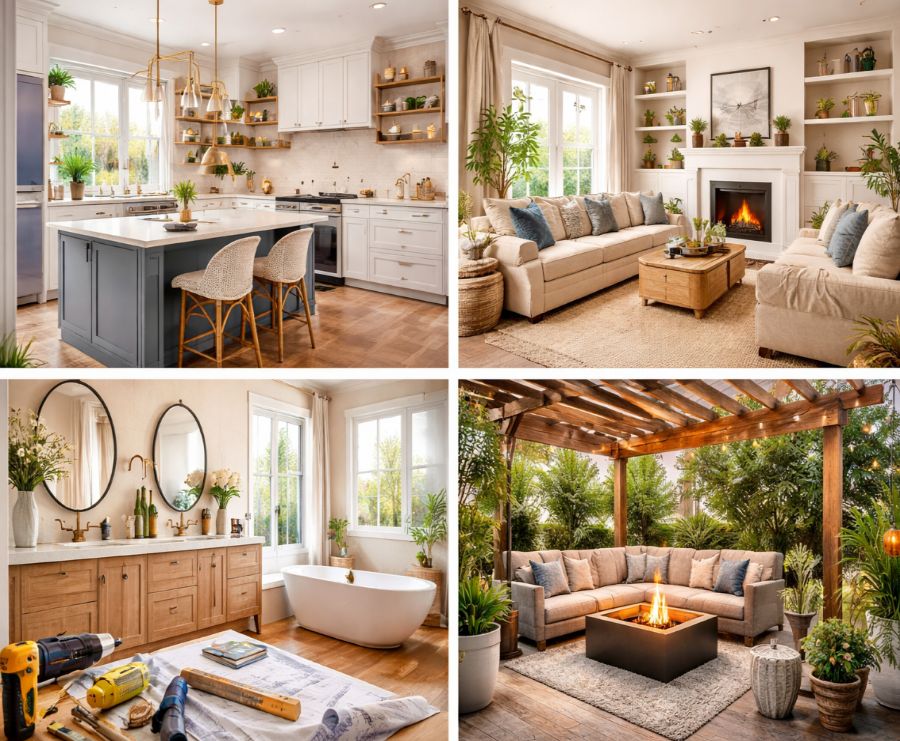
Renovating your home sounds exciting until you realize how easy it is to spend money in the wrong places. Most people jump straight into aesthetics, but the real wins usually come from upgrades that quietly improve how a space works. The kind that makes your home feel bigger, brighter, and easier to live in.
The trick is to think less like a decorator and more like someone shaping how the space is used every day. Some upgrades look impressive but barely move the needle. Others seem simple yet completely change how a home feels. That difference is where real value lives, both in daily life and resale.
Smart home renovation ideas that actually create more space
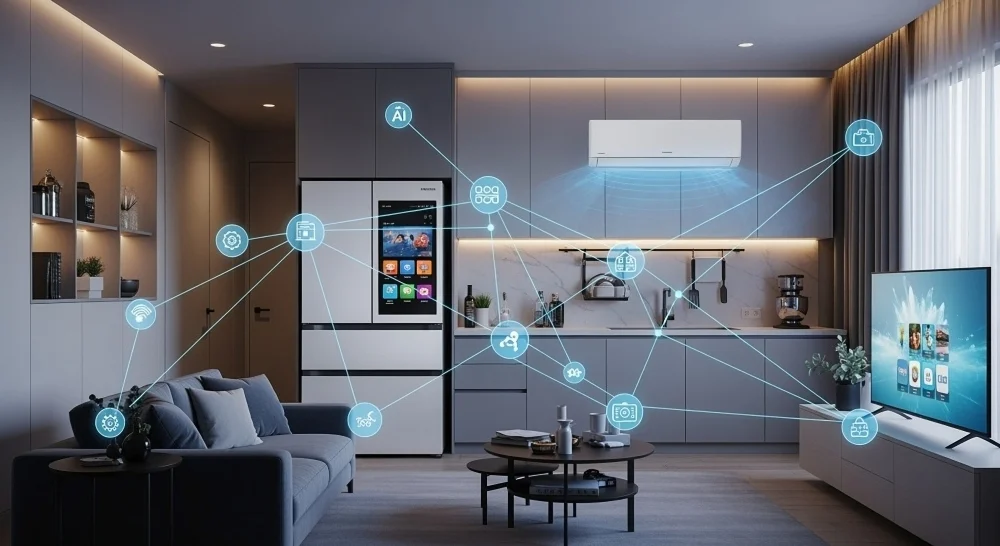
When people say they need more space, they often mean they need better use of the space they already have. That distinction matters more than it sounds.
Instead of building out, many smart renovations focus on reworking layout and flow. Opening up non-structural walls or widening doorways can instantly make a home feel larger without adding square footage. This is why open-plan adjustments continue to deliver strong returns and appeal to buyers.
What tends to work well in real homes:
- Removing visual barriers between kitchen and living areas
- Using built-in storage instead of standalone furniture
- Reclaiming underused areas like hallways or corners
A useful way to think about it: space is not just square meters, it is how easily you can move and live inside them.
And yes, adding actual square footage still works. But even then, the smartest approach is making new space feel connected, not just bigger.
Outdoor living upgrades that extend usable space
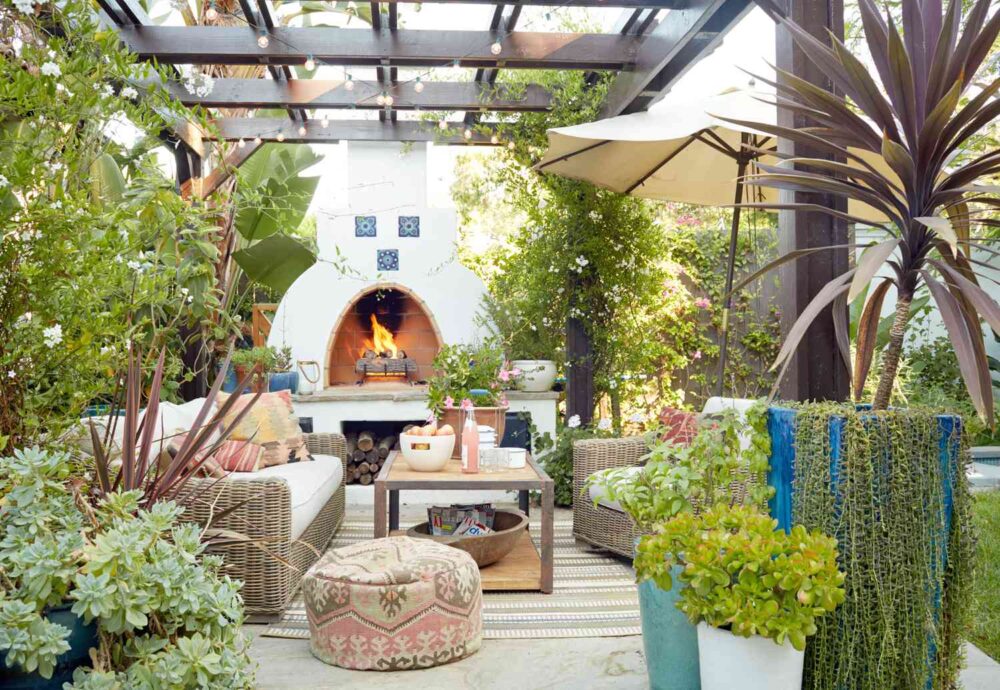
There is one upgrade people often underestimate until they experience it. Outdoor living space.
Adding a deck or a well-designed patio does not just improve appearance. It extends your living area in a way that feels natural and usable. In fact, outdoor zones are increasingly treated as functional extensions of the home, not just extras.
If you are considering this, working with outdoor deck specialists can make a noticeable difference in both durability and design. A well-built deck is not just about wood and structure. It is about how it integrates with the house and how often you will actually use it.
The real value comes when outdoor space supports everyday habits:
- Morning coffee becomes a routine, not an idea
- Hosting feels easier and more natural
- The home feels larger without walls
And importantly, outdoor upgrades consistently rank among projects with strong resale appeal.
Design choices that quietly improve daily living
Some of the most valuable renovations are the ones you stop noticing after a week because they simply work.
Lighting is a perfect example. A brighter home feels larger, cleaner, and more comfortable. Replacing outdated fixtures or adding layered lighting can completely shift how a space is perceived.
Here is where many people get it wrong. They focus on style before function. In practice, design works best when it supports how you move and live.
| Upgrade | Why it matters |
| Better lighting | Improves mood and perceived space |
| Smart storage | Reduces clutter and stress |
| Neutral finishes | Makes spaces adaptable |
What makes these upgrades powerful is that they affect everyday life, not just how things look in photos.
Renovations that actually increase property value
If your goal includes resale value, it helps to be realistic. Not every renovation pays off, and some barely break even.
Kitchen and bathroom updates remain the most reliable investments. Even modest upgrades can return around 70 to 80 percent of their cost, especially when focused on key elements like surfaces and fixtures.
At the same time, the average return across all home improvements is around 69 percent, which means choices matter more than budget.
Here is what tends to deliver consistent value:
- Minor kitchen upgrades rather than full remodels
- Bathroom refreshes with modern fixtures
- Energy-efficient improvements like insulation or windows
Not every renovation needs to be big to be valuable. Often, it is the targeted changes that perform best.
Also worth keeping in mind is the 30 percent rule. Spending too much compared to your home’s value can actually reduce your return.
Small upgrades with surprisingly big impact
This is where things get interesting. Some of the most effective changes are also the least expensive.
Fresh paint, updated hardware, and new flooring can completely change how a home feels. These upgrades work because they affect large visual areas or high-touch surfaces.
Did you know?
Refinishing hardwood floors can return more than the original investment in some cases, making it one of the highest ROI improvements.
What makes these changes powerful is their simplicity:
- They are quick to implement
- They do not disrupt daily life too much
- They create immediate visual improvement
This is also where many homes fall short. People overlook the basics while chasing bigger projects.
Where people usually make mistakes with renovations
Most renovation mistakes are not about bad taste. They come from misunderstanding how value works.
One common issue is over-customization. Designing a home too specifically for personal preferences can reduce its broader appeal. Buyers tend to prefer neutral, adaptable spaces.
Another mistake is assuming bigger equals better. In reality, usability often matters more than size. A well-designed smaller space can outperform a poorly planned large one.
And then there is budget allocation. Spending heavily on low-impact features while ignoring fundamentals like lighting or layout is surprisingly common.
Think of renovations less like decoration and more like solving problems. That shift changes everything.
Bringing it all together in a realistic way
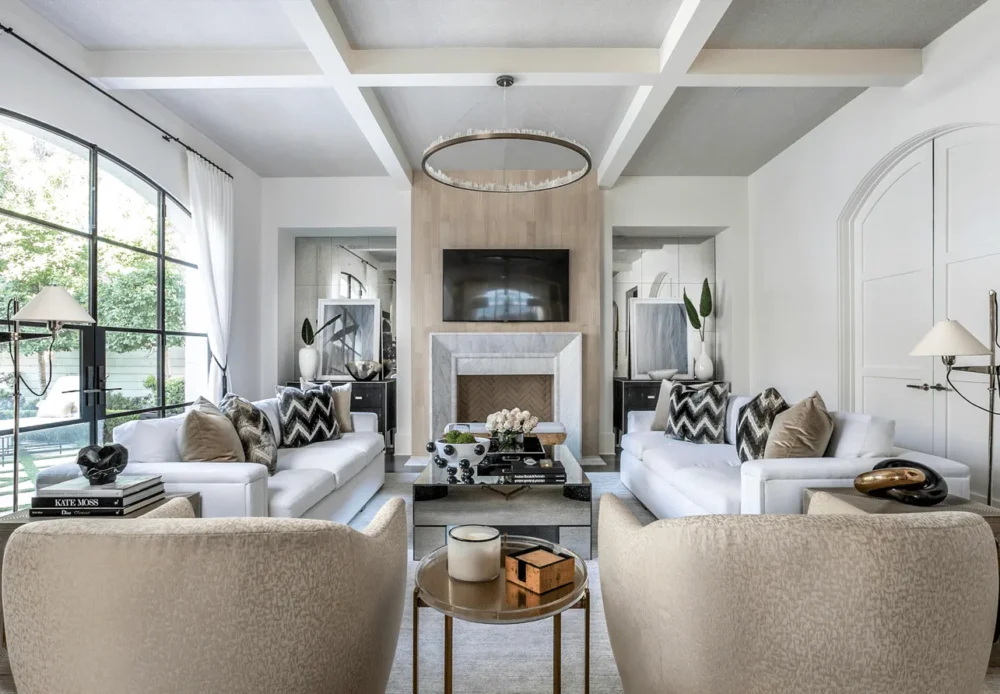
At the end of the day, the best home renovation ideas are not about chasing trends. They are about making your home work better for real life.
If you focus on space, function, and long-term value, most decisions become easier. You start prioritizing what actually improves how the home feels and performs.
The smartest upgrades tend to follow a simple logic:
- Make the space easier to use
- Let in more light
- Reduce friction in everyday routines
Everything else is secondary.
And once you approach renovation from that angle, you stop looking for dramatic transformations. Instead, you start noticing the small, well-thought-out changes that quietly make a home better.