

Choosing between natural stone and ceramic surfaces usually comes down to how you live day to day. Both look good when installed right, but they behave very differently once you start using them. I have seen kitchens that still look great after ten years, and others that start showing wear much sooner. The difference is rarely the material alone. It is how it was chosen for the space.
What you need to think about first is simple. How much maintenance are you willing to handle, how much traffic the surface will take, and how precise you want the final look to be. Those three factors will guide most of your decisions.
What natural stone actually gives you
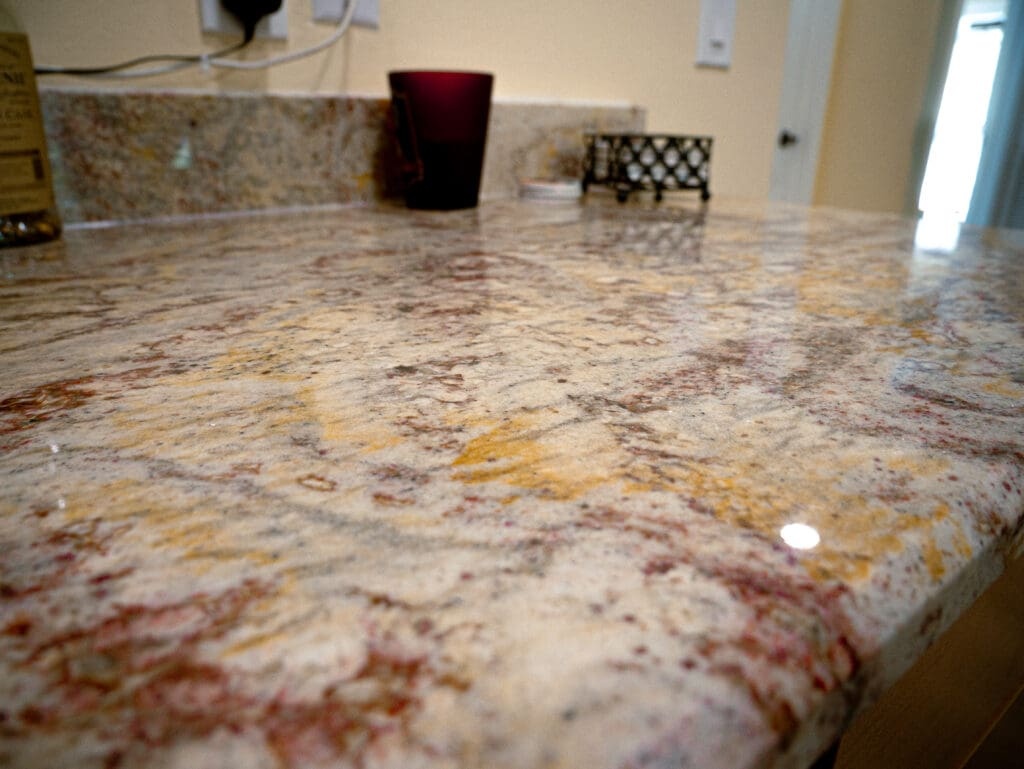
Natural stone is not one single material. It includes granite, marble, slate, and other types formed over time. Every piece is different, and that is the main reason people choose it.
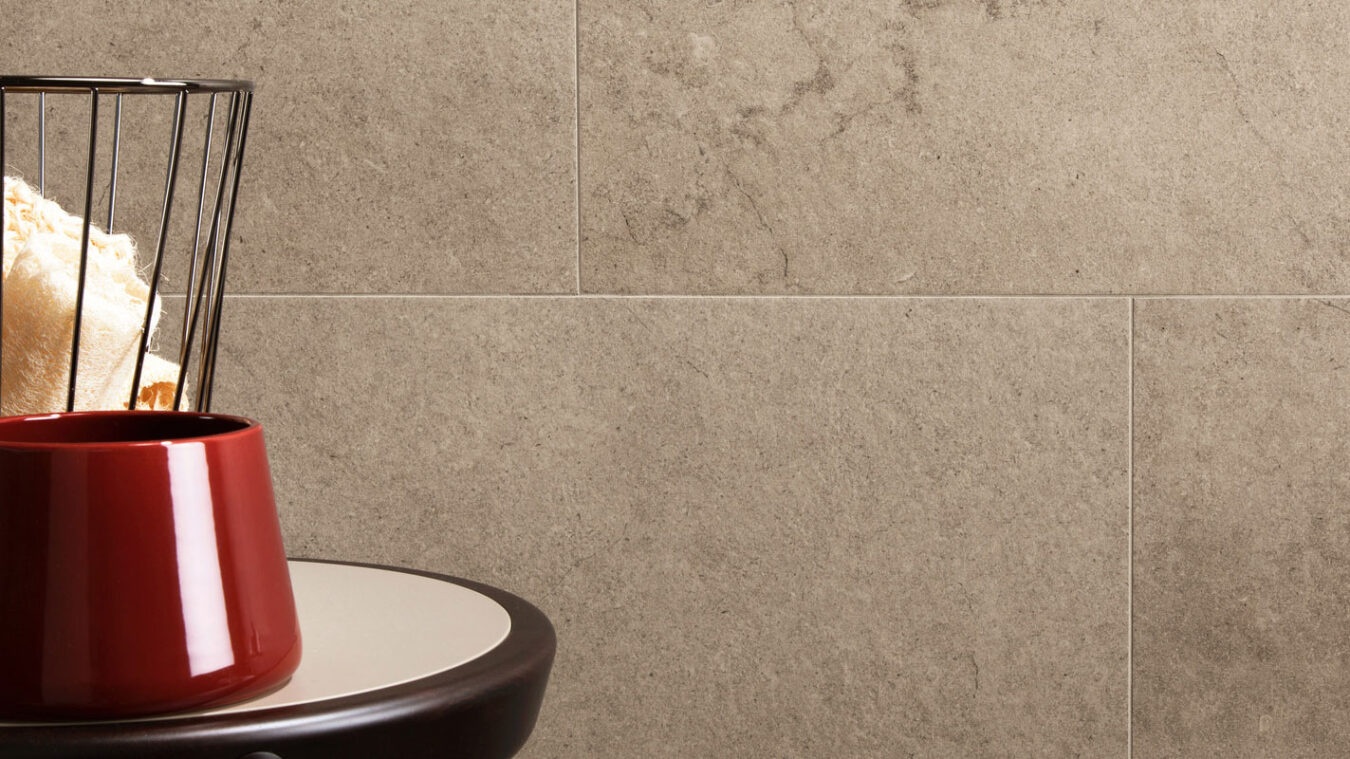
If you have ever worked with something like limestone tile, you already know how much variation you get even within the same batch. That variation can look great in a finished space, but it also means you need to plan layout more carefully before installation.
From a performance side, natural stone can last decades if it is maintained properly. Some types like granite are extremely hard, while others like marble are softer and more prone to scratching.
Here is the key detail most people miss. Stone is often porous. That means it can absorb moisture and stains if not sealed regularly.
Important: Natural stone needs sealing over time. Without it, stains and moisture damage are very likely.
Where ceramic surfaces make more sense
Ceramic and porcelain surfaces are manufactured, so what you see is predictable. Every tile from the same batch looks almost identical. That makes layout easier and results more consistent.
The biggest advantage here is resistance. Ceramic surfaces are dense and less absorbent, which makes them easier to clean and maintain.
They also handle moisture better. That is why they are common in bathrooms, kitchens, and entry areas. Porcelain, which is a type of ceramic, is even denser and more resistant to scratches and water damage.
What you give up is variation. Even when ceramic mimics stone, the pattern repeats. You will notice it more in larger spaces or open layouts.
Still, for most people who want something low effort, ceramic surfaces are easier to live with long term.
Pros and cons side by side
When you compare them directly, the differences become clearer. It is not about which is better overall, but which fits your situation.
Here is a simple breakdown that reflects real use:
- Natural stone gives you unique patterns, but needs regular sealing and careful cleaning
- Ceramic surfaces stay consistent in appearance and require minimal maintenance
- Stone can last longer if maintained well, but ceramic handles everyday wear with less effort
- Ceramic is usually more budget friendly both in material and installation cost
The important part is how these points show up in real use. A kitchen floor, for example, deals with spills, grease, and heavy traffic. Ceramic handles that without much attention. Stone can handle it too, but only if you keep up with maintenance.
Installation and what to expect during the process
Installation is where a lot of people underestimate the difference between these materials.
Natural stone is heavier and often requires more precise cutting and specialized installation methods. That increases labor cost and time.
Ceramic, on the other hand, is easier to handle and quicker to install in most cases. That does not mean it is always a DIY job, but it is more forgiving if the installer is less experienced.
Here is a quick comparison:
| Feature | Natural Stone | Ceramic Surfaces |
| Cutting | Requires specialized tools | Standard tools work |
| Weight | Heavy | Lighter |
| Skill level | High | Moderate |
| Installation time | Longer | Faster |
After installation, stone often needs sealing right away. Ceramic usually does not, except for grout lines.
Maintenance and cleaning in real life
This is where most decisions are made after people live with the material for a while.
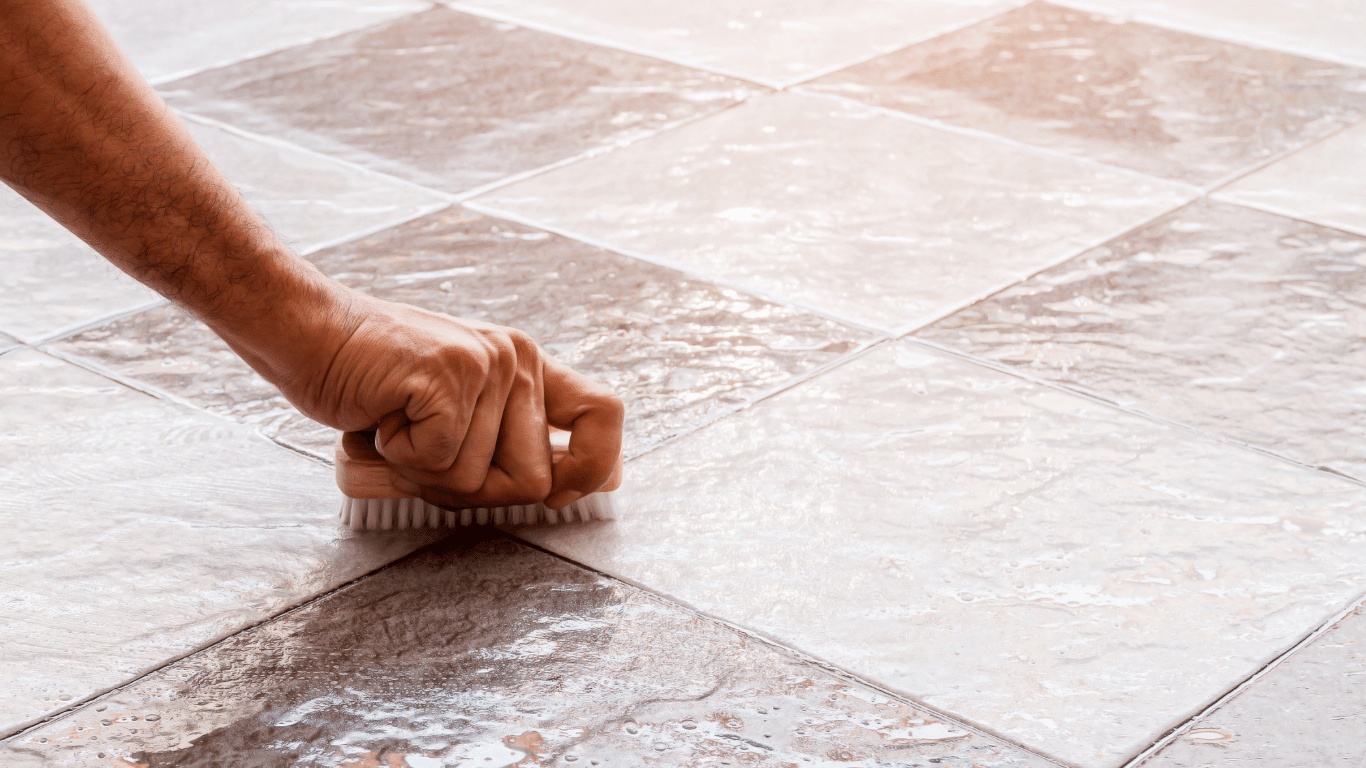
Natural stone requires a routine. You need to reseal it periodically and use the right cleaners. Acidic products can damage certain stones like marble.
Ceramic is more flexible. Most cleaning products work fine, and regular wiping is usually enough.
Here is how that looks in everyday use:
- Stone requires planning before cleaning, especially with spills
- Ceramic allows quick cleanup without much thought
- Grout lines in ceramic still need attention, but less than stone sealing
If you want something you do not have to think about often, ceramic is easier to manage.
Lifespan and long-term value
Both materials can last a long time, but in different ways.
Natural stone can last for generations if maintained properly. It ages in a way that some people like, especially in older homes.
Ceramic surfaces are durable but may need replacement sooner, depending on wear and installation quality. Chips and cracks can happen, especially at edges.
That said, ceramic holds up very well in high traffic areas because of its resistance to scratches and moisture.
The real difference is maintenance effort over time, not just lifespan.
Did you know
Ceramic tiles can now replicate natural stone very closely using digital printing techniques.
That means you can get a stone look without dealing with sealing or special care. The tradeoff is that patterns repeat, which becomes noticeable in larger spaces.
How to decide based on your space
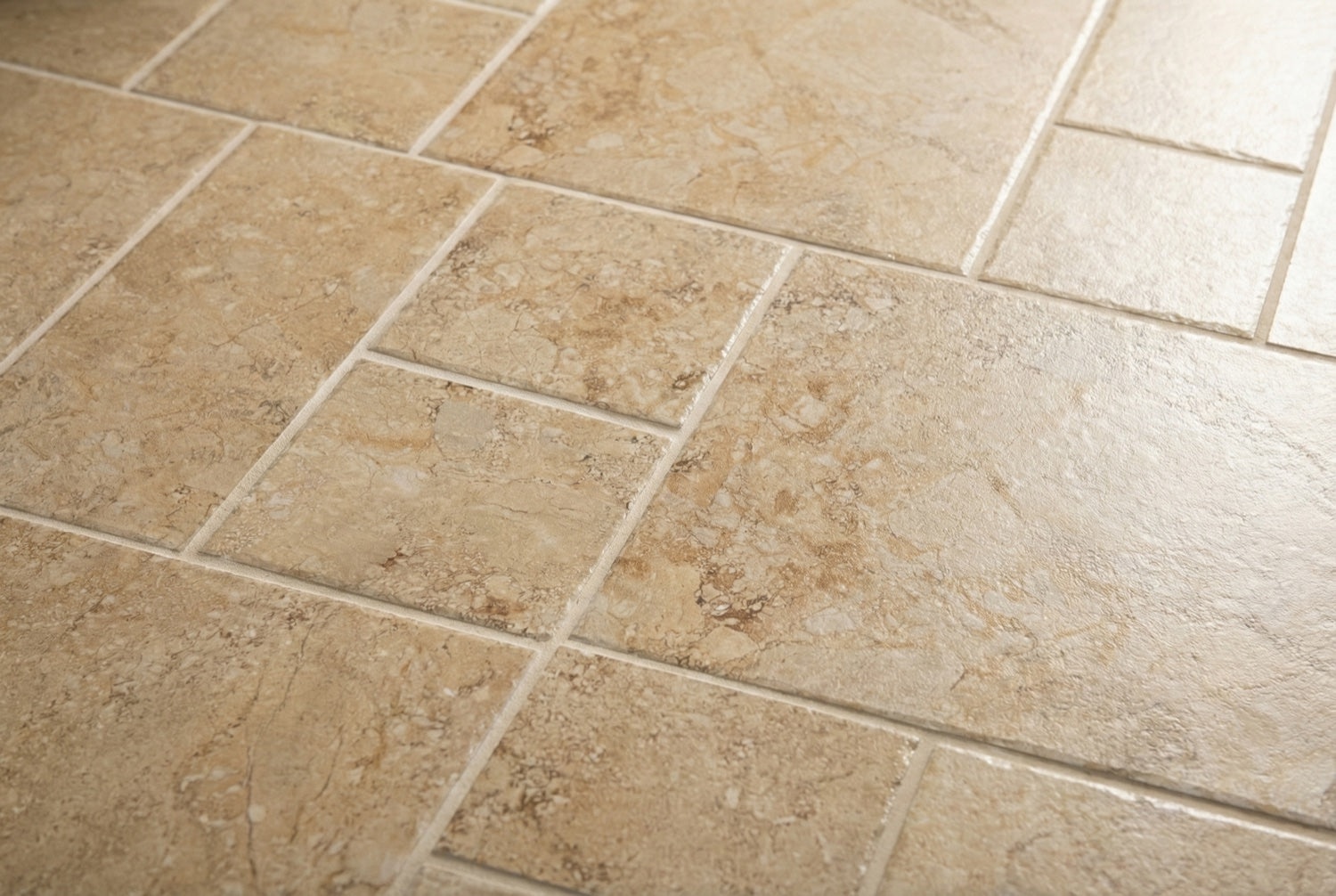
The best way to choose is to match the material to how the space is used.
If you are working on a high-traffic kitchen or bathroom, ceramic is usually the safer option. It handles moisture, cleaning, and daily use without much effort.
If you are designing a space where appearance matters more than maintenance, natural stone makes sense. Living rooms, entryways, or feature areas are where it tends to work best.
Also consider your budget. Stone usually costs more upfront and over time due to maintenance. Ceramic is more predictable in both cost and upkeep.
Final thoughts
There is no single right answer here. Both materials work well when used in the right place.
Natural stone gives you variation and long term durability, but it comes with ongoing maintenance. Ceramic surfaces offer consistency, easier care, and better performance in wet or high traffic areas.
The decision should not be based only on how it looks on day one. Think about how you will use the space, how much time you want to spend maintaining it, and how long you expect it to last.
If you keep those factors in mind, the choice becomes much clearer.
Frequently asked questions
If your project includes exposed edges, this detail should be planned early. It affects both appearance and installation cost.