

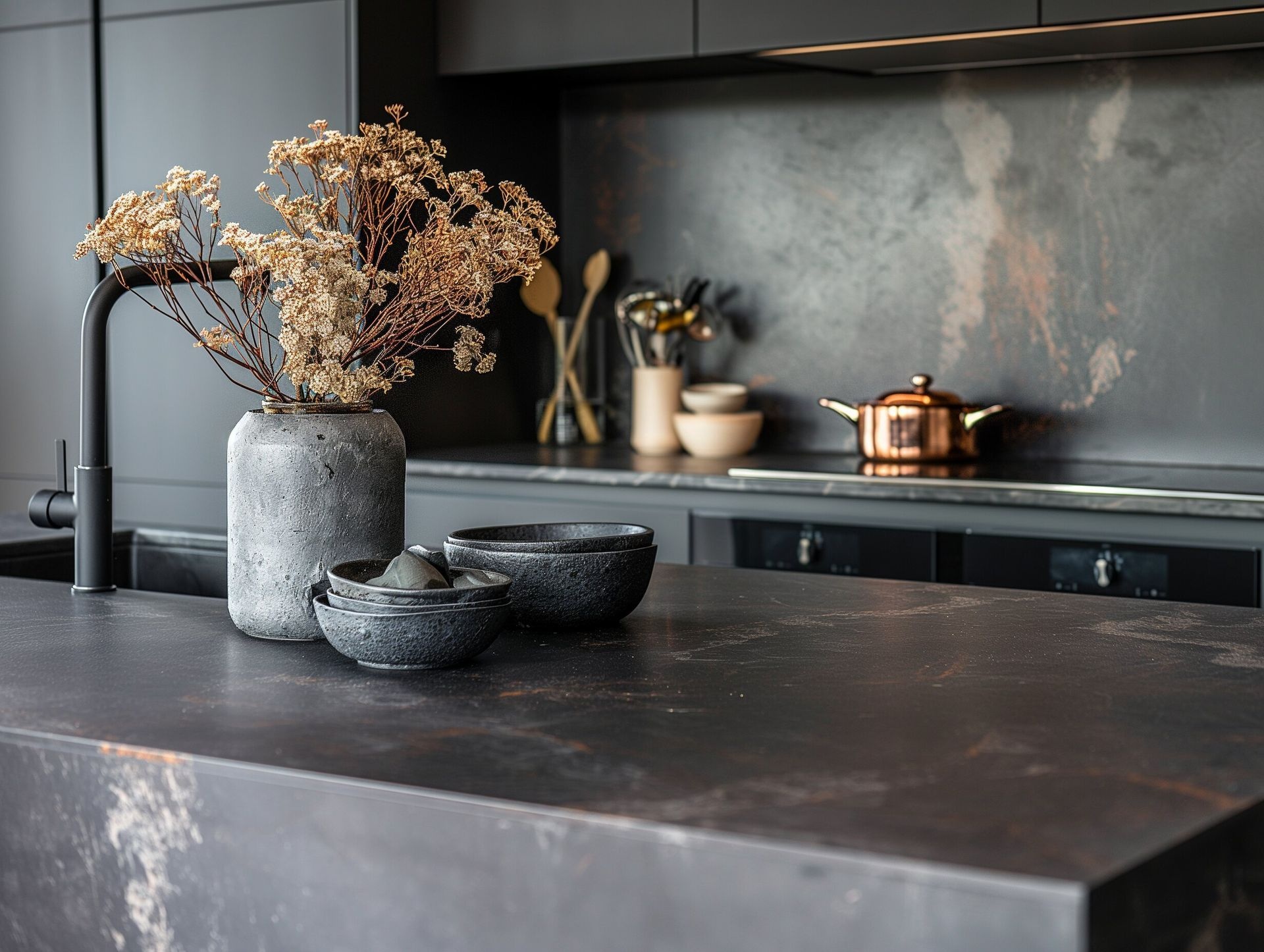
You’re probably here because you like the look of matte stone but aren’t sure how it actually holds up in real life. That’s a fair concern. A lot of finishes look great in a showroom but behave differently once you start using them every day.
A honed stone finish sits in that middle ground. It’s not flashy, but it’s not dull either. It’s practical, and that’s why more homeowners are leaning toward it. The question is simple. Does it fit how you live, not just how you want your space to look?
What a honed stone finish actually is
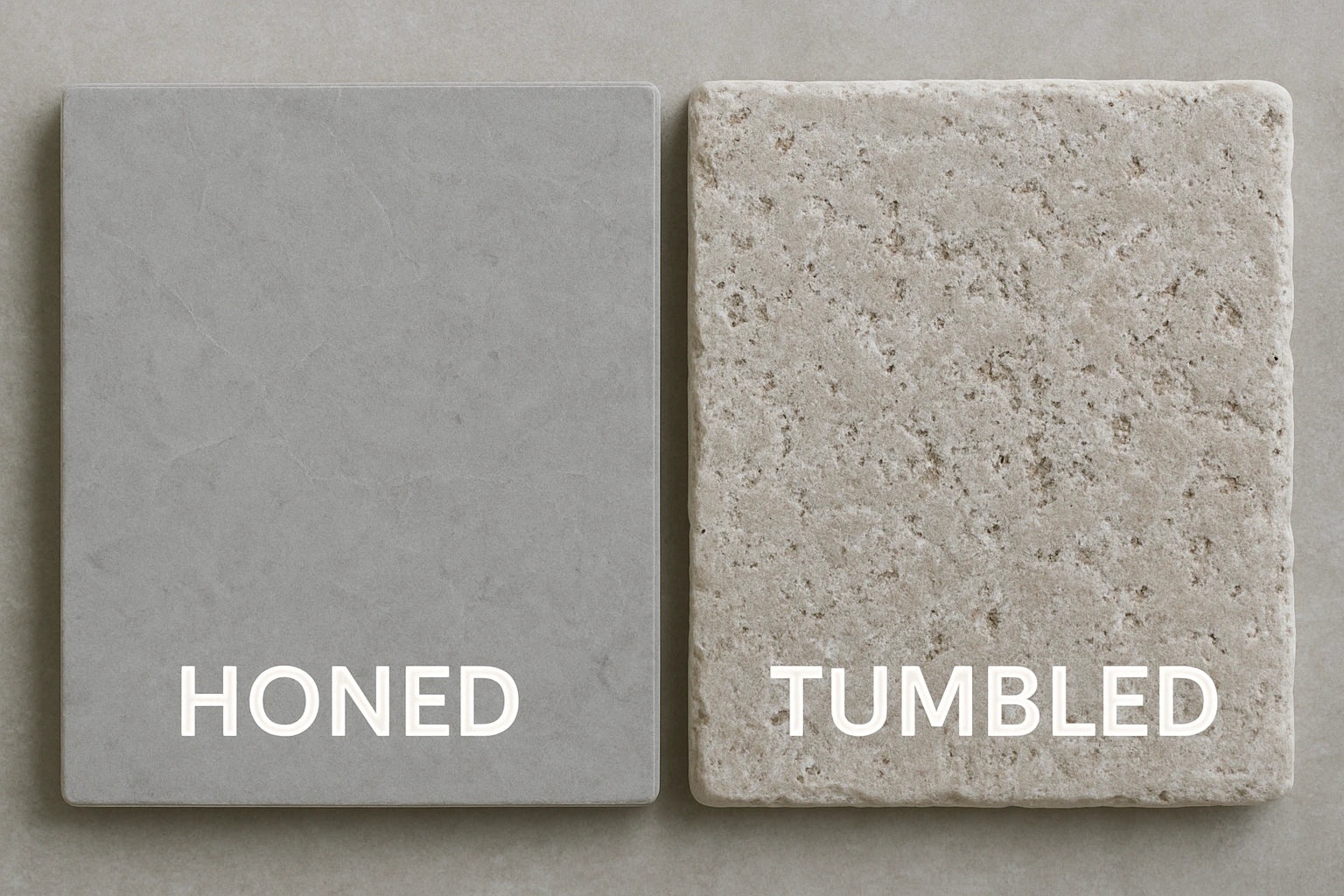
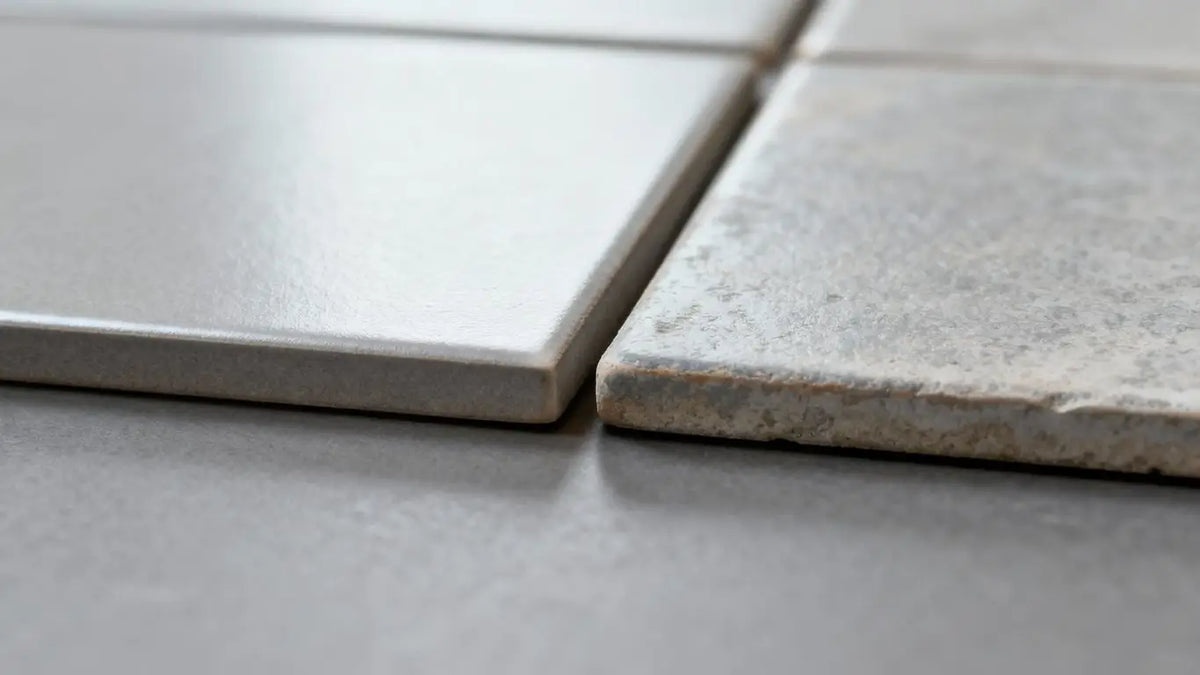
Before deciding anything, it helps to understand what you’re getting. A honed finish is created by stopping the polishing process before the surface becomes glossy. What you’re left with is a smooth surface that has little to no shine.
That detail matters because it directly affects how the stone behaves.
Instead of reflecting light, the surface diffuses it. That’s why honed stone tends to look softer and more natural compared to polished stone.
You’ll also notice something right away when you touch it. It feels smooth, but not slippery. That’s one of the reasons people use it on floors and in bathrooms.
Where honed stone fits best in a home
If you’re trying to picture where this finish makes the most sense, think about how each space is used, not just how it looks.
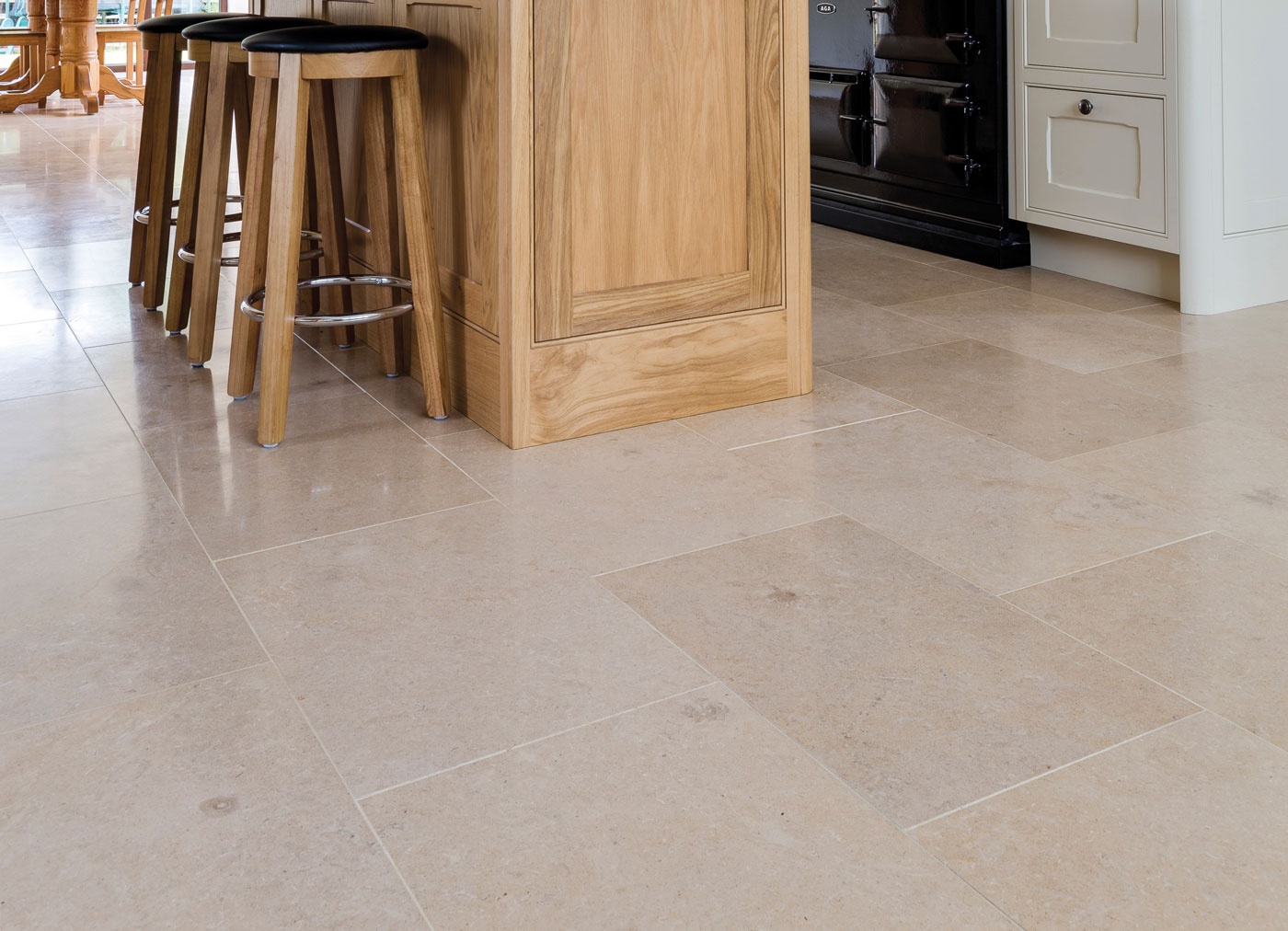
Many homeowners choose honed limestone in the kitchen,because the surface handles daily use without showing every mark. You’ll still need to take care of it, but it doesn’t punish you for normal wear.
Bathrooms are another strong fit. The lower shine helps reduce slipperiness, which makes a difference in showers or around tubs.
Outdoor areas also benefit from a matte surface. When the stone gets wet, it still has some grip.
You’ll usually see honed stone used in spaces like:
- Busy kitchens where cooking happens daily
- Entryways where dirt and foot traffic are constant
- Bathrooms where safety matters
- Patios and outdoor kitchens exposed to moisture
What daily use really looks like
This is where most people make their decision. Not based on looks, but based on how the surface behaves after a few months.
A honed stone finish is more forgiving. Scratches, fingerprints, and small marks don’t stand out the way they do on polished surfaces.
That matters more than you think. You don’t end up wiping it constantly just to keep it looking clean.
Here’s what you’ll notice over time:
- Smudges blend in instead of standing out
- Minor scratches are less obvious
- Water spots don’t catch the light the same way
- The surface looks consistent even after regular use
That’s why people who actually use their kitchens every day often prefer this finish.
A honed surface hides wear better because it does not reflect light strongly. That reduces how visible imperfections appear.
The maintenance side no one talks about enough
Now the part that usually gets glossed over. Honed stone is easier visually, but it still needs attention.
Because the surface is more open, it absorbs liquids more easily than polished stone.
That means sealing matters. If you skip it, stains can set in, especially from oil or acidic liquids.
Here’s how maintenance usually plays out:
- You’ll need to seal it more often than polished stone
- Spills should be cleaned quickly, not left sitting
- Daily cleaning is simple, but you need the right products
- Over time, the surface may develop a more lived-in look
None of this is complicated, but it does require consistency.
How it compares to polished stone in real life
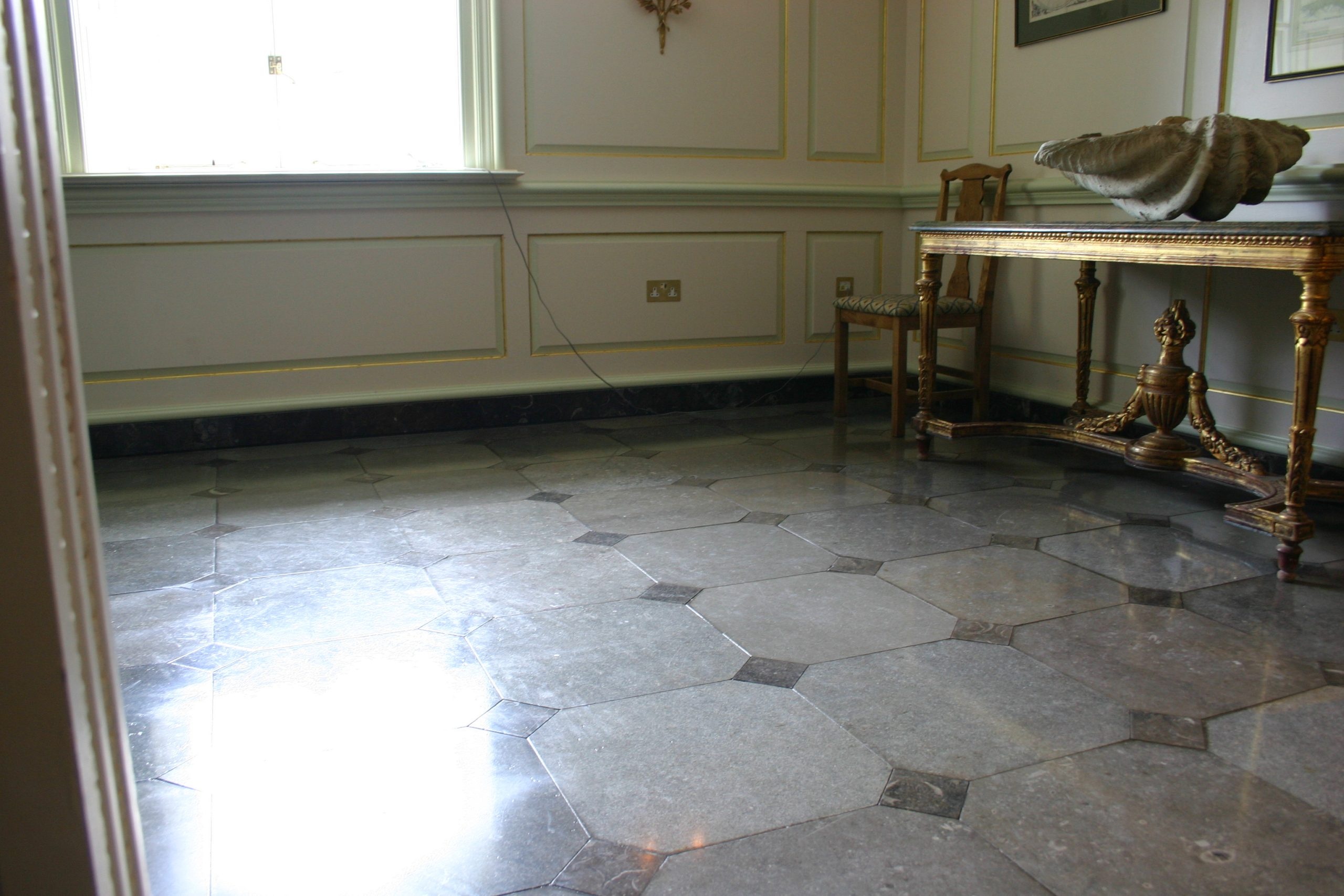
A lot of people go back and forth between honed and polished. On paper, polished sounds easier. In reality, it depends on what bothers you more.
Take a look at how they differ side by side:
| Feature | Honed | Polished |
| Appearance | Matte, soft | Glossy, reflective |
| Scratches | Hard to notice | Easy to notice |
| Stains | More likely if unsealed | Less likely |
| Cleaning feel | Less wiping needed visually | Easier to wipe physically |
| Best use | High-traffic areas | Decorative spaces |
Polished stone resists stains better because it’s less porous, but it shows wear faster.
Honed stone does the opposite. It hides wear but needs more protection from spills.
Pros that matter in everyday use
Instead of listing generic benefits, it helps to connect them to real situations.
If your home is active and you don’t want to constantly maintain a perfect look, honed stone works in your favor.
You’ll get advantages like:
- Less visible wear in high-traffic areas
- A consistent look even with daily use
- Reduced glare in bright spaces
- Better traction in wet areas
These are practical benefits, not just design preferences. They affect how your home feels day to day.
Downsides you should think through first
No finish is perfect, and this is where you need to be honest about how much upkeep you’re willing to handle.
Honed stone is more porous, which means it can absorb liquids faster.
That’s not a problem if you stay on top of sealing and cleaning. It becomes a problem if you don’t.
Other things to keep in mind:
- Oil stains can be harder to remove
- The color may appear slightly muted compared to polished stone
- Sealing is not optional, it’s part of ownership
- Acidic spills can still cause etching on some stones
None of these are deal breakers, but they are real trade-offs.
How to decide if it fits your lifestyle
At this point, the decision usually comes down to how you use your space, not what looks better in photos.
If your home is active, with cooking, movement, and regular use, honed stone makes sense. It doesn’t demand constant attention to look good.
If your goal is a clean, reflective finish that stands out visually, polished stone may fit better.
Ask yourself a few simple questions:
- Do you want something that hides wear or highlights shine
- Are you okay with regular sealing
- Do you prefer a softer look or a reflective one
Your answers will point you in the right direction.
Frequently Asked Questions
Final thoughts
A honed stone finish is not about making a bold statement. It’s about making daily use easier while keeping a clean, understated look.
It works best for people who care more about how a surface performs over time than how it looks on day one.
If you choose it with that mindset, you’re less likely to regret it.