

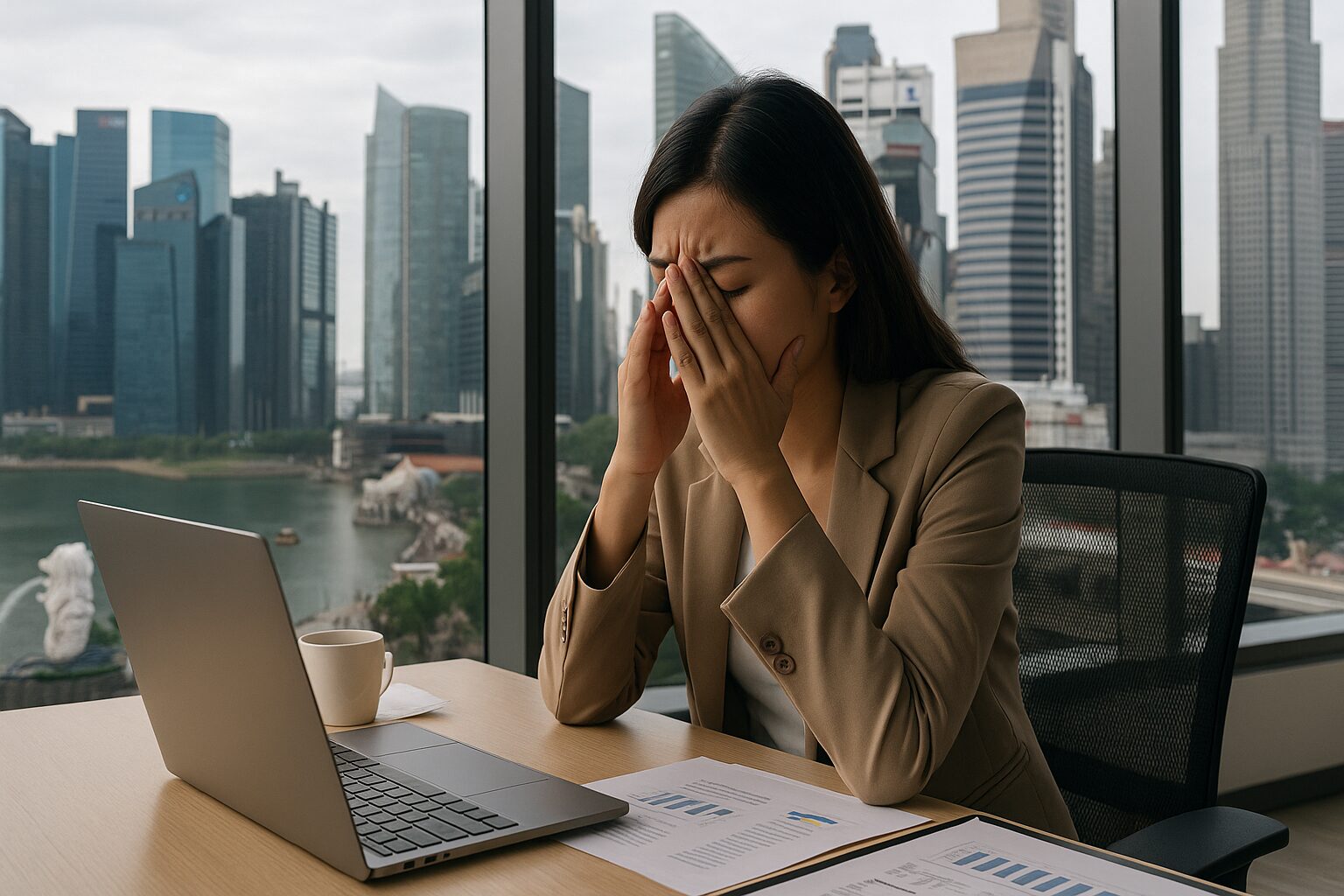
Stress leaves fingerprints all over the body, and vaginal health is no exception. While it’s easy to connect stress to tension headaches or poor sleep, its effect on the vaginal ecosystem is often missed.
Hormonal shifts caused by stress can quietly change the vaginal environment. This makes it easier for infections to take hold, even when hygiene and lifestyle seem ideal.
Women may treat recurring discomfort without ever addressing the source. That source often begins in the nervous system, not the pharmacy.
In this article, we’ll explore how stress affects vaginal health, why it raises infection risk, and what can be done to reduce its impact.
Hormonal Effects of Stress
Stress activates the body’s fight-or-flight response, causing a surge of cortisol that disrupts hormonal balance. While this is a normal short-term reaction, long-term or chronic stress causes ongoing hormonal shifts that impact vaginal health in multiple ways. Here’s how:
- Reduced oestrogen levels lead to vaginal dryness, thinning of the vaginal lining, and higher pH, which makes the environment more susceptible to infections.
- Progesterone imbalance may disrupt the menstrual cycle and increase inflammation, worsening existing gynaecological symptoms.
- Suppressed luteinising hormone (LH) can interfere with ovulation and fertility, especially in high-stress individuals.
- Altered immune response from high cortisol makes it harder for the body to fight off yeast and bacterial overgrowth.
- Increased sensitivity to pain due to hormonal shifts can heighten awareness of irritation, even with minor imbalances.
Together, these hormonal changes create a fragile ecosystem in the vaginal tract, especially under chronic stress.
How Stress Impacts Vaginal Health
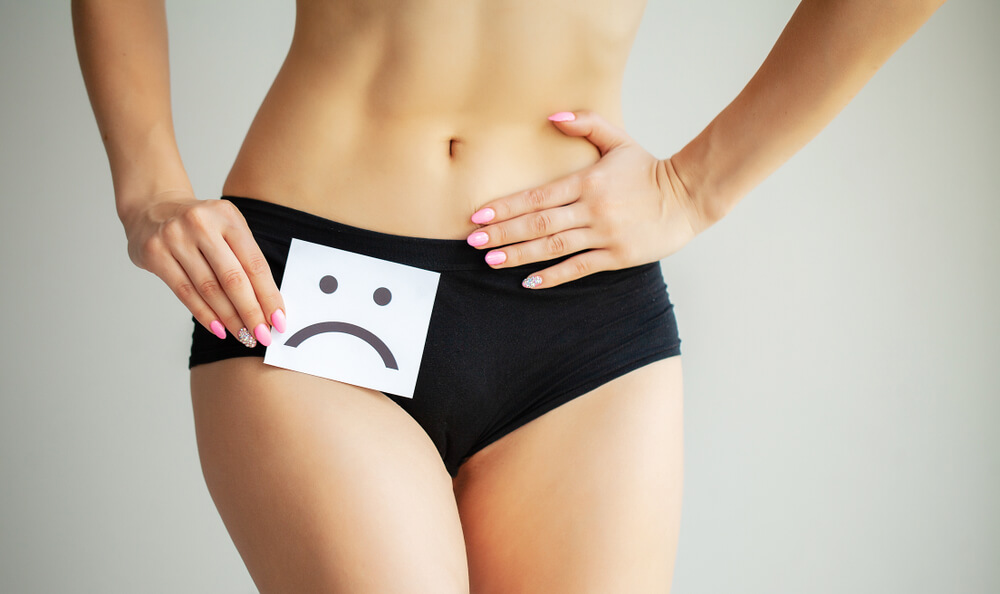
Vaginal health relies on balanced hormones, strong immunity, and a stable microbiome. Stress disrupts all three. What starts as pressure in the mind often leads to irritation, discharge, or recurring infections.
Here’s how stress can quietly affect vaginal health, even when everything else seems unchanged.
1. Disruption of the Vaginal Microbiome
Stress reduces the body’s ability to maintain a stable vaginal microbiome. When cortisol is elevated for long periods, it weakens the immune system and disrupts the balance of protective lactobacilli. These bacteria are essential for keeping pH levels low and warding off pathogens.
Without them, harmful microbes can thrive. This often leads to recurring infections and inflammation that become difficult to resolve.
2. Elevated Vaginal pH
Healthy vaginal pH sits around 3.8 to 4.5. This level of acidity helps keep harmful bacteria in check. Stress-related hormone shifts, especially reduced oestrogen, cause this pH to rise.
Even a small increase makes the environment more alkaline, which encourages the growth of bacteria and yeast. This makes women more prone to bacterial vaginosis, thrush, and general irritation, even when external hygiene is well managed.

3. Increased Inflammation and Sensitivity
Cortisol triggers low-grade systemic inflammation, which affects vaginal tissue. Stress also reduces blood flow to the pelvic region, making the tissue more fragile and sensitive.
This can lead to irritation, burning, or pain during intercourse, even in the absence of infection. Healing also slows down under stress, which means minor tears or inflammation may take longer to resolve.
4. Immune System Suppression
When stress becomes chronic, immune defences weaken. White blood cells become less effective, and the body’s ability to respond to pathogens diminishes.
This leaves the vaginal tract more vulnerable to infections such as candida overgrowth, HPV flare-ups, or bacterial vaginosis. Women under long-term stress may also find it harder to clear infections, resulting in longer durations or recurring symptoms that resist standard treatment.
5. Behavioural Changes That Add Risk
Stress does not just impact physiology. It often changes behaviour. Under pressure, women may sleep poorly, skip workouts, eat sugar-rich or processed foods, or neglect self-care routines.
These small shifts compound over time, creating conditions that support vaginal imbalance. Hygiene habits may also suffer or become too aggressive, which further disrupts the microbiome.
Physical Symptoms Linked to Stress
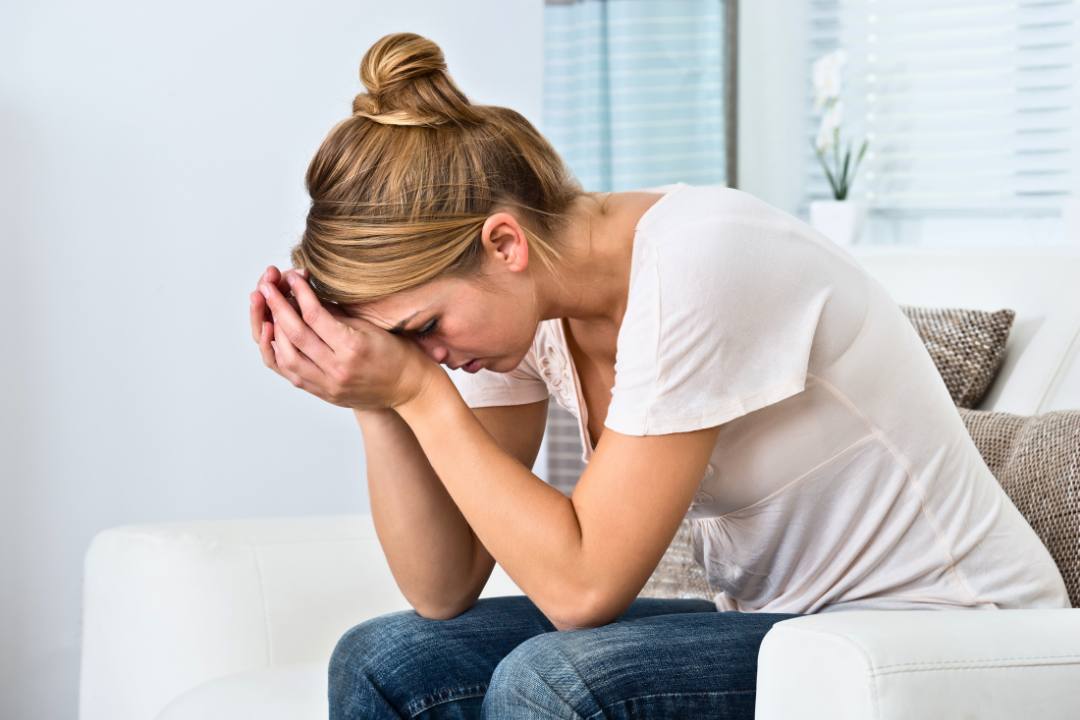
Stress doesn’t always feel like anxiety or worry. In many cases, it shows up in the body first. For women, the vaginal area is especially sensitive to internal changes, and stress-related symptoms can easily be mistaken for hygiene issues or unrelated infections.
One common sign is persistent dryness, even without hormonal changes related to menopause. Others include increased itching, burning, or discomfort during intercourse. These sensations may come and go without a clear pattern, often flaring during emotionally demanding periods.
Women under chronic stress may also experience more frequent urination or pelvic tension, which can mimic urinary tract infections. For some, symptoms appear just before or after menstruation due to added hormonal fluctuation.
Because these physical cues can be subtle or inconsistent, they’re often dismissed or misattributed. But when viewed through the lens of stress, they begin to form a pattern worth paying attention to.
5 Ways to Reduce Its Impact
Managing stress isn’t just about feeling better emotionally, it’s a vital part of protecting vaginal and overall reproductive health. While eliminating stress entirely isn’t realistic, small daily changes can significantly reduce its physiological impact.
Here are practical ways to support the body and minimise stress-related vaginal symptoms:
- Prioritise restorative sleep: Aim for 7 to 9 hours of consistent, high-quality sleep. Poor sleep raises cortisol and disrupts hormonal balance, increasing the risk of dryness and infection.
- Support your microbiome: Include probiotic-rich foods like yoghurt, kefir, or fermented vegetables. These help maintain a healthy gut and vaginal microbiome, especially under stress.
- Move regularly: Moderate exercise improves circulation to the pelvic area, reduces inflammation, and helps lower cortisol levels naturally.
- Practice body-based stress relief: Techniques like breathwork, yoga, or somatic therapy reduce physical tension and support nervous system regulation.
- Reduce stimulants: High caffeine or sugar intake can amplify anxiety and affect hormonal stability. Cutting back helps stabilise both energy and mood.
When Stress-Related Discomfort Needs Review

Not all stress-related symptoms are harmless or short-lived. When discomfort appears during stressful periods, the symptoms can resemble those of a vaginal infection and may require closer assessment.
Itching, discharge, burning, or pain might be mild at first but can escalate if left unaddressed, especially if underlying stress continues.
The challenge is that these symptoms often overlap with conditions like bacterial vaginosis, candida overgrowth, or low-grade urinary tract infections. This makes self-diagnosing unreliable. If symptoms persist, worsen over time, or don’t respond to typical care routines, a clinical review becomes essential.
Clinicians can help rule out infection, investigate hormonal changes, and identify whether stress is a significant contributing factor. Addressing both physical and psychological aspects together often leads to more lasting relief.
Tuning into patterns early on allows women to take informed action before manageable discomfort turns into a chronic health issue.
Conclusion
Stress often hides in plain sight, influencing the body in ways we don’t immediately recognise. Vaginal health is one of the first areas to respond to internal imbalance.
From hormonal shifts to changes in pH and immunity, chronic stress creates ideal conditions for discomfort and infection to develop. These effects are subtle but significant.
Understanding this connection allows women and clinicians to approach symptoms more holistically, not just treat them in isolation.
Recognising when stress is the root cause is the first step toward lasting relief. It is not just about managing flare-ups but restoring balance from the inside out.