

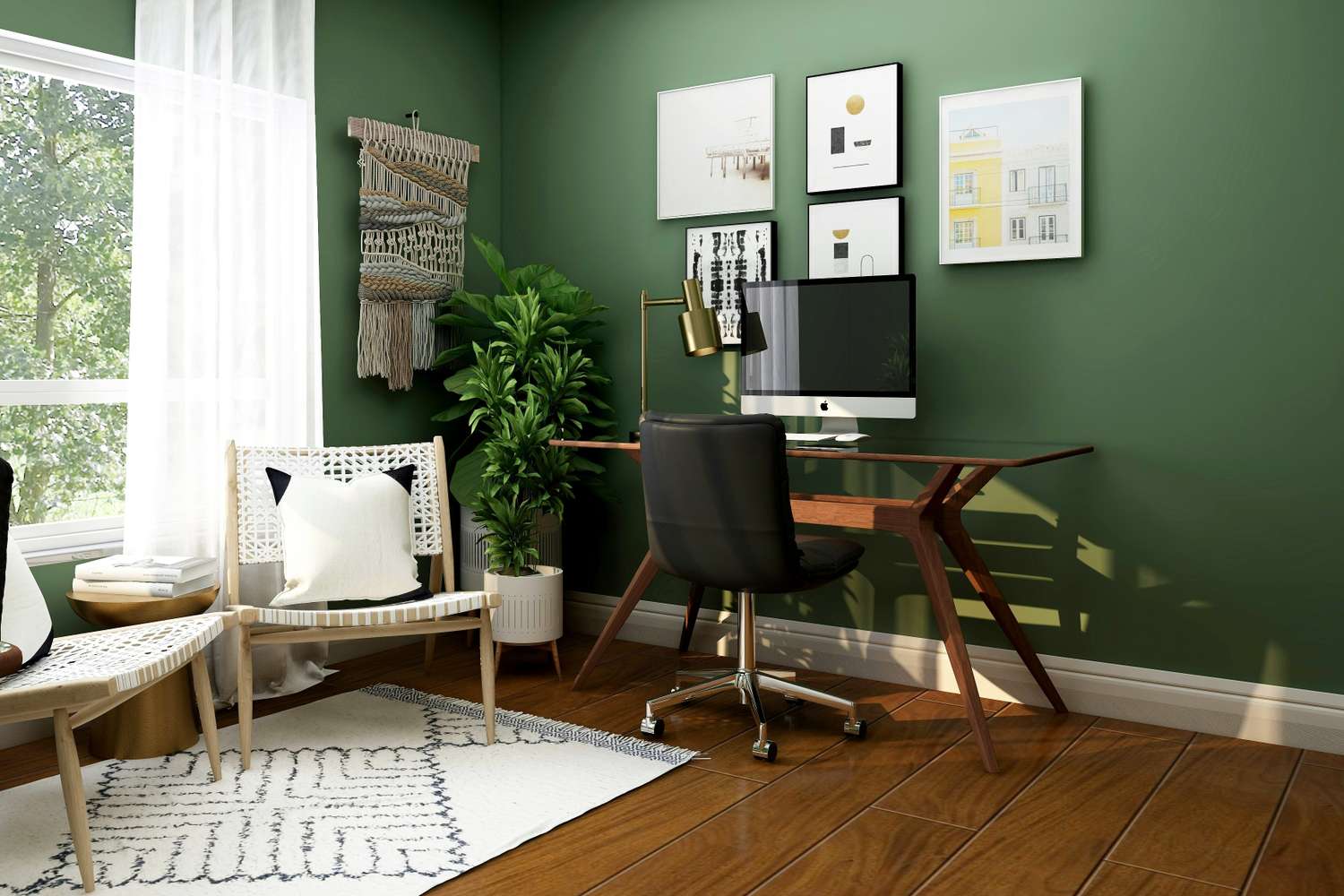
Working from home sounds simple until you spend eight hours in a chair that hurts your back, searching for a charging cable, or trying to focus while surrounded by distractions. A good home office does not need expensive furniture or a complete renovation. Most improvements come from making smarter choices with the space you already have.
A comfortable, organized, and inspiring home office can help you work with fewer interruptions and less frustration. The goal is not to create a showroom. The goal is to create a place where you can do your best work consistently.
Start With Comfort Before Anything Else
Many people focus on decoration first. In my experience, comfort deserves attention before aesthetics. If your chair, desk, and monitor setup are uncomfortable, no amount of stylish decor will fix the problem.
A 2024 study examining remote home workstations found that ergonomics, lighting, and thermal comfort were closely connected to workers’ perceptions of health and well being while working from home.
Think about your current setup for a moment. Are you looking down at a laptop all day? Are your shoulders tense by the afternoon? Small adjustments often make a noticeable difference.
Some practical changes include:
- Raising your monitor closer to eye level.
- Using a chair with proper back support.
- Keeping your keyboard at a comfortable height.
- Positioning frequently used items within easy reach.
Comfort is not a luxury. It affects how long you can focus without feeling fatigued.
Build a Workspace Around What You Actually Do
A home office should support your daily tasks, not just look productive in photos.
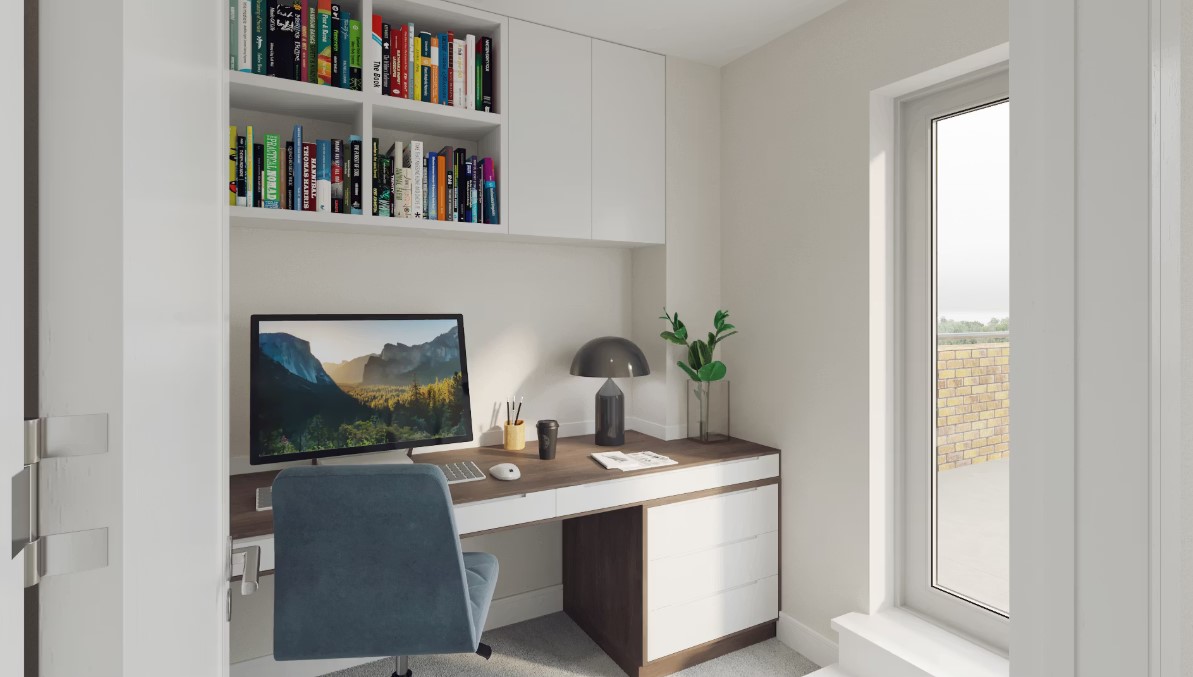
One mistake I made years ago was filling shelves with items I rarely used. They looked nice but created visual noise. Now I keep only tools that support my work.
For people who teach, create presentations, design training materials, or build office displays, keeping relevant resources nearby can save time. Some professionals even use sample certificates and demonstration documents in their workspace. In situations like that, a tool such as fake diploma software can help create realistic examples for training environments, props, portfolio displays, or educational demonstrations without using actual credentials.
The best workspace is usually the one that reflects your real workflow. If you use something every day, keep it accessible. If you never touch it, it probably does not belong on your desk.
Disclaimer: Replica documents are for educational, display, training, or demonstration purposes only and are not valid academic credentials.
Organize Your Desk So It Requires Less Maintenance
Organization becomes much easier when the system is simple enough to maintain.
I used to spend ten minutes every morning moving things around before starting work. Eventually I realized the problem was not my habits. The problem was having too many items on the desk.
| Item Type | Keep on Desk? | Store Away? |
| Computer and accessories | Yes | No |
| Daily notebook | Yes | No |
| Reference materials | Sometimes | Usually |
| Office supplies | Minimal amount | Yes |
| Personal items | A few meaningful pieces | No excess |
The goal is not minimalism for the sake of minimalism. The goal is reducing friction.
After organizing your desk, create a quick end of day reset routine. Even two minutes of tidying can prevent clutter from building throughout the week.
Important: A productive workspace is easier to maintain than to repeatedly reorganize.
Use Lighting That Supports Focus
Lighting has a bigger impact on productivity than many people realize.
Research published in 2019 in the journal Buildings examined office lighting quality and found that inadequate lighting affected worker well being and work efficiency.
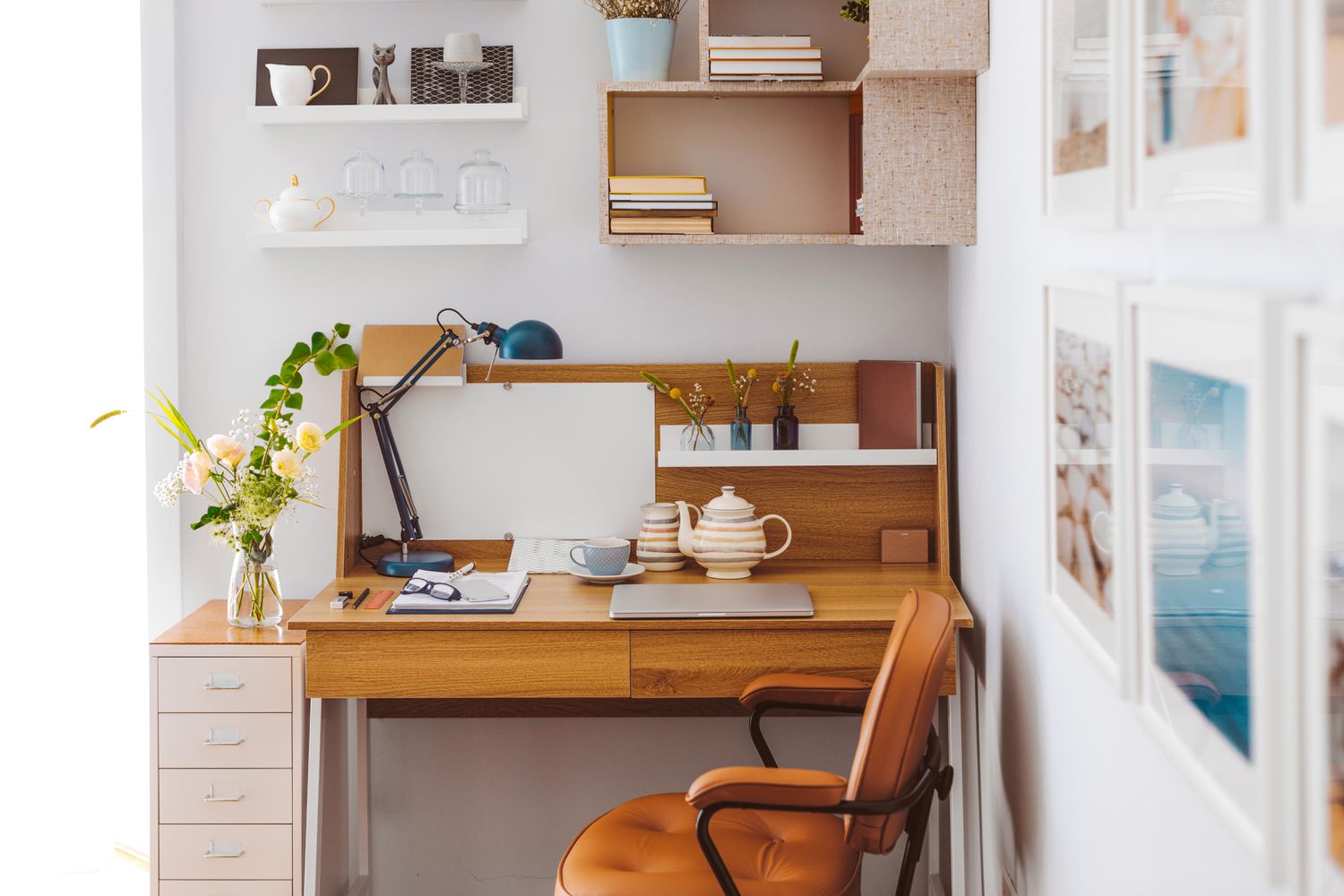
Natural light is usually the best starting point. If possible, position your desk near a window without placing the screen directly in glare.
A layered lighting setup often works best:
- Natural daylight during working hours.
- A desk lamp for focused tasks.
- Soft ambient lighting for the room.
- Adjustable lighting for evening work.
Have you ever noticed how exhausting it feels to work in a dim room for several hours? Most people blame fatigue on work itself when poor lighting is often contributing to the problem.
Create Storage That Works With Your Habits
Storage systems fail when they are too complicated.
I have seen beautiful home offices where every drawer was perfectly labeled. They looked impressive. A month later, many of those systems were abandoned because they required too much effort.
Instead, focus on storage that matches your behavior.
Simple storage ideas that work
- Keep frequently used items in open containers.
- Use drawers for supplies you access weekly.
- Store archived documents outside your immediate workspace.
- Add wall shelves when desk space is limited.
A recent productivity discussion among remote workers highlighted a common pattern. People tend to maintain organization more successfully when storage is quick and intuitive rather than highly structured.
The easier it is to put something away, the more likely you are to do it.
Add Inspiration Without Creating Distractions
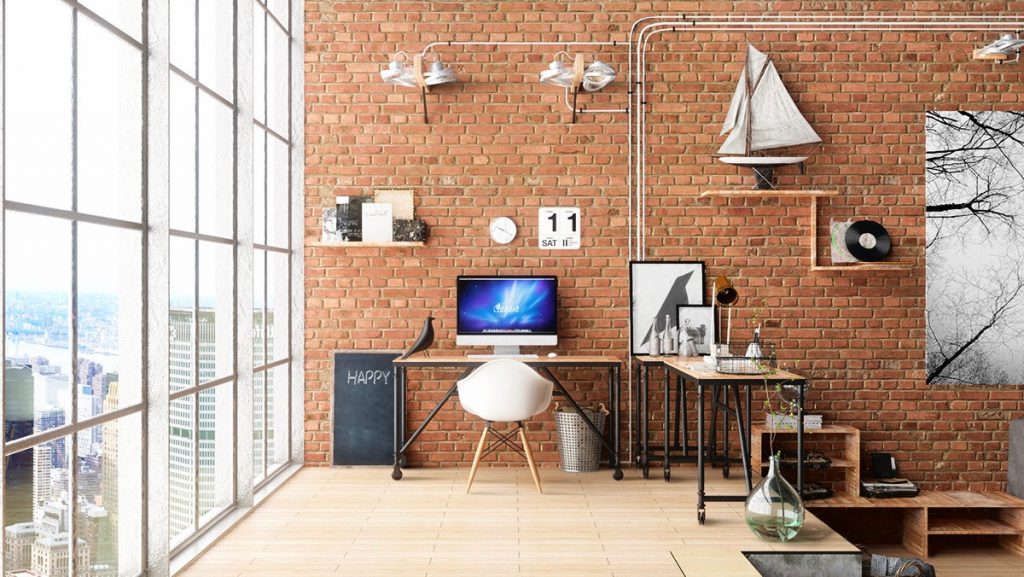
An inspiring office should help you feel engaged with your work, not distract you from it.
Some people work best with almost nothing on display. Others prefer artwork, books, plants, or personal photographs. There is no universal formula.
An interesting 2024 research project examining office workers’ connection to nature found that natural elements and environmental design can positively influence workplace experiences.
A few ideas worth considering:
- A plant that is easy to maintain.
- Artwork you genuinely enjoy.
- A bookshelf with favorite references.
- A vision board related to long term goals.
The key word is intentional. Every item should earn its place.
When you look around your office, ask yourself a simple question: does this help me work, help me think, or help me feel motivated? If not, it may be unnecessary.