


Planning a wedding sounds exciting until you realize how quickly small decisions turn into full conversations about budgets, seating charts, transportation, and timelines.
Most couples are not overwhelmed because weddings are impossible to plan. They are overwhelmed because everything happens at the same time. A well organized wedding usually comes from clear priorities, realistic scheduling, and fewer unnecessary decisions.
Once you stop trying to make every detail “perfect,” the entire process becomes much easier to manage.
1. Build Your Wedding Around Priorities, Not Pressure
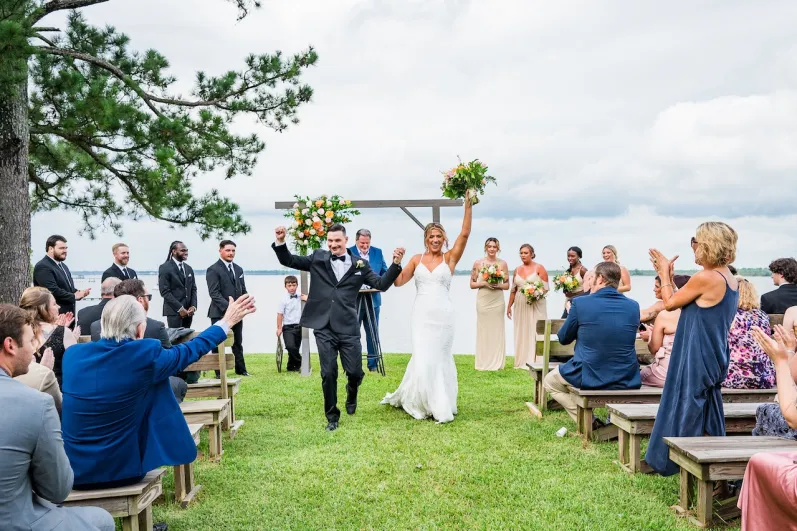
One of the biggest mistakes couples make is planning their wedding around outside opinions instead of their actual priorities. Suddenly everybody has advice. Parents want a bigger guest list. Friends send expensive inspiration photos. Social media convinces you that every wedding needs custom cocktails and a six tier cake.
Before booking vendors, sit down together and decide what genuinely matters most. Maybe you care about photography and food. Maybe your partner only cares about music and keeping the ceremony short. That clarity saves money and prevents arguments later.
A lot of couples also realize early on that organization becomes harder once travel, vendors, and guest coordination start piling up. Working with a professional Florida wedding planner service can help simplify timelines and logistics, especially for destination weddings or larger events where guests are traveling from different locations.
The earlier you define priorities, the easier every decision becomes afterward.
2. Keep Every Wedding Detail in One Place
Wedding stress usually starts with scattered information. One vendor contract is in your email. Another is saved in screenshots. Half the payment deadlines are written in your notes app. Then somebody asks about the florist deposit and suddenly nobody knows where anything is.
You do not need complicated software to stay organized. Honestly, one shared folder and a spreadsheet already solve most problems.
Here is what helps many couples stay organized:
- One spreadsheet for expenses and deposits
- One shared calendar for deadlines
- One folder for contracts and invoices
- One document with vendor contact information
According to The Knot 2024 Real Weddings Study, couples spent an average of six hours per week organizing and reviewing wedding details throughout the planning process.
That workload feels much lighter when information is centralized instead of scattered everywhere.
Important reminder: save vendors with clear names in your phone. “Wedding DJ Mike” is much easier to find than simply “Mike.”
3. Create a Guest List Before Booking the Venue
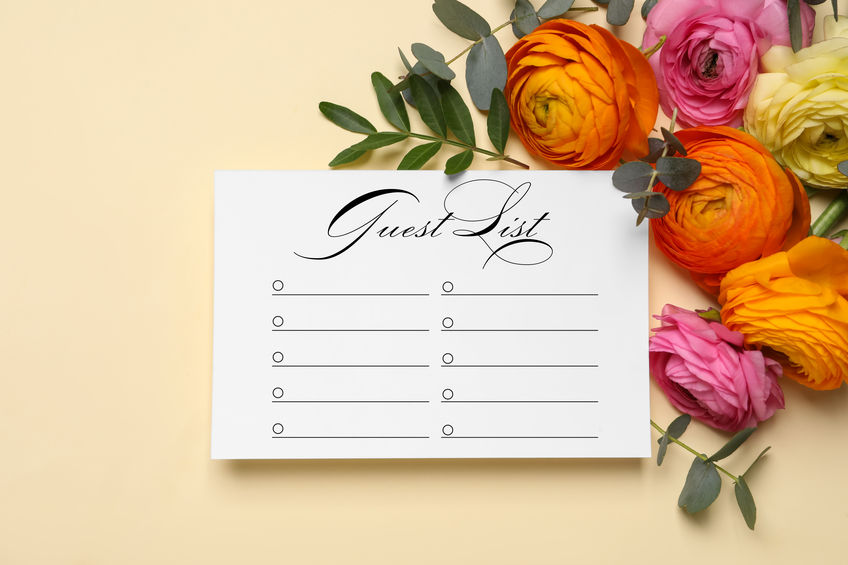
People often book venues first and build guest lists afterward. That usually creates problems. Suddenly the venue feels cramped, or the catering cost doubles because too many people were invited without a clear plan.
Guest count affects almost every wedding expense. Food, rentals, invitations, transportation, staffing, and table layouts all depend on numbers. One extra table might not sound important until you realize it changes your entire floor plan.
A simple approach works best here. Start with categories instead of names:
| Guest Group | Estimated Number |
| Immediate family | 40 |
| Close friends | 20 |
| Extended family | 30 |
| Work and acquaintances | 15 |
Once you see categories visually, trimming the list becomes much easier and less emotional.
One practical question helps more than people expect: if this person could not attend, would you genuinely feel disappointed? That question clears up a surprising amount of confusion.
4. Leave Extra Room in the Budget
Wedding budgets rarely stay exactly where couples expect them to. Tiny costs appear constantly. Delivery fees. Service charges. Alterations. Last minute transportation. Extra rentals because rain suddenly enters the forecast.
A lot of stress disappears when you create a realistic buffer from the beginning. Even a small emergency reserve makes unexpected costs feel manageable instead of catastrophic.
The average wedding cost exceeded $30,000, with many couples reporting budget pressure connected to social media expectations.
One thing I always notice is how quickly decorative extras add up. Couples spend weeks comparing napkin colors while ignoring bigger expenses like staffing or overtime fees.
Budget categories couples often underestimate
- Vendor gratuities
- Marriage license fees
- Dress alterations
- Transportation delays
- Additional rentals due to weather
Most weddings cost more than expected. Planning for that reality early reduces panic later.
5. Book Vendors Based on Reliability

A cheaper vendor is not always the better decision. Weddings involve tight timelines, multiple moving parts, and emotional pressure. Reliability matters more than saving a small percentage on paper.
Reviews help, but communication matters just as much. If a vendor takes two weeks to answer simple questions before booking, imagine how stressful that becomes closer to the wedding date.
Pay attention to how organized vendors seem during conversations. Are contracts clear? Are timelines realistic? Do they answer questions directly?
94% of couples experienced wedding planning stress, with budgeting and vendor coordination listed among the most common challenges.
Reliable vendors reduce mental load immediately because you stop second guessing every interaction.
6. Stop Researching Every Tiny Wedding Detail
At some point, wedding planning turns into endless comparison shopping. Couples spend three hours discussing candles or chair styles nobody will even remember afterward.
Research helps in the beginning, but too much research creates decision fatigue. You do not need to compare 27 invitation templates to make a good decision.
One helpful rule is setting a deadline for choices. Give yourself a realistic amount of time, review options carefully, then move forward. Constantly revisiting decisions wastes energy.
Did you know? Forbes reported in 2024 that Zola introduced AI based planning tools partly because many couples felt overwhelmed by the volume of wedding decisions and uneven planning responsibilities.
You are planning an event, not preparing a museum exhibition.
7. Build a Realistic Wedding Day Timeline
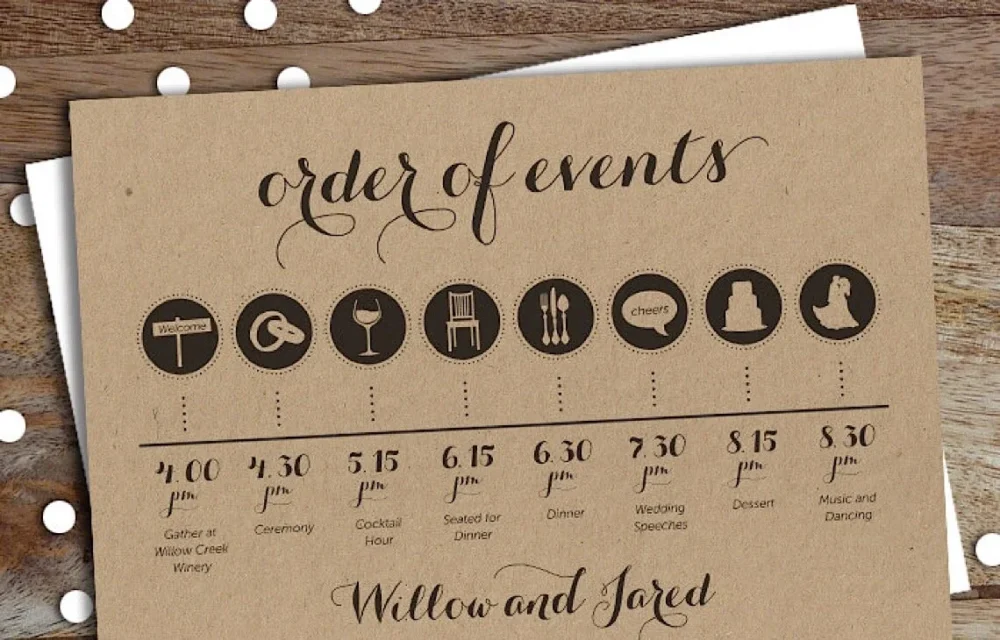
Wedding timelines often fail because couples underestimate transition time. Hair appointments run late. Transportation gets delayed. Family members disappear during photos. Everything takes longer once real people are involved.
One thing that helps immediately is adding buffer time between major events. If you think guests need fifteen minutes to move between locations, schedule thirty.
Here is a simple example:
| Activity | Recommended Buffer |
| Hair and makeup | +45 minutes |
| Family photos | +20 minutes |
| Guest transportation | +30 minutes |
Extra time creates calmer energy throughout the day. Nobody enjoys feeling rushed before the ceremony even starts.
A smooth timeline matters more than squeezing twenty activities into one afternoon.
8. Give Friends and Family Specific Jobs
People genuinely want to help during weddings. The problem is that couples often give vague instructions like “help with decorations” instead of assigning clear responsibilities.
Specific tasks work much better. One person handles welcome bags. Another confirms transportation arrivals. Somebody else manages vendor questions during setup.
Here are examples of useful delegated tasks:
- Confirming vendor arrivals
- Managing the guest book table
- Organizing emergency supplies
- Handling ceremony lineup coordination
Once you assign responsibilities, let people do their jobs. Micromanaging every detail only increases stress.
Most guests will never notice tiny imperfections anyway. They remember the atmosphere, the food, and whether the couple actually seemed relaxed enough to enjoy the day.
9. Protect Time Together During Wedding Planning

Wedding planning can quietly consume every conversation if you let it. Suddenly date nights become budget meetings. Dinner turns into seating chart debates. After a few months, couples stop feeling engaged and start feeling like unpaid project managers.
That balance matters more than people expect.
Many couples described wedding planning as overwhelming because it added emotional and logistical pressure to daily life.
Set boundaries around planning conversations. Some couples choose one evening per week where wedding talk is completely off limits. Honestly, that helps more than expensive planning tools sometimes.
A well organized wedding should support your relationship, not dominate it completely.
10. Accept That Small Problems Will Happen
Something will go wrong. Somebody will arrive late. A decoration might fall over. The weather might shift unexpectedly. Real weddings involve real people, and real people are unpredictable.
The couples who enjoy their weddings most are usually the ones who accept that reality early instead of trying to control every second.
Nobody attends a wedding hoping to inspect tiny mistakes. Guests care about comfort, timing, food, and overall atmosphere far more than perfectly folded napkins.
Good organization matters because it reduces chaos. It does not guarantee perfection.
Final Thoughts
A well organized wedding usually feels calm, structured, and realistic. It does not require endless spending or impossible standards.
Once you focus on communication, timing, and practical decisions, the entire process becomes easier to handle. Guests remember warmth, energy, and genuine moments far more than tiny decorative details.
The best weddings rarely feel rigid. They simply feel thoughtful and comfortable.
FAQs
1. What should couples keep in an emergency wedding kit?
Safety pins, stain remover wipes, pain relievers, fashion tape, tissues, phone chargers, bandages, mints, and extra makeup are all useful. Couples often forget comfortable shoes, snacks, and bottled water too. Small problems feel much bigger when everybody is already stressed and moving quickly. Keeping everything in one labeled bag saves time and prevents last minute panic.
2. How many guests usually decline a wedding invitation?
Most wedding professionals estimate that around 15 to 20 percent of invited guests decline, although the number changes depending on travel distance and timing. Many weddings see an acceptance rate between 75 and 85 percent, while destination weddings often receive lower attendance rates.
3. Should couples hire a day of coordinator even without a wedding planner?
For many couples, yes. A day of coordinator handles timeline management, vendor communication, setup questions, and small emergencies during the wedding itself. That allows couples and family members to stay present instead of solving logistical problems all day.
Even organized couples sometimes underestimate how many questions vendors ask during setup. Having one person manage those details makes the day feel much calmer.
4. What wedding expenses are easiest to cut without affecting guest experience?
Guests usually care most about comfort, food, music, and timing. Decorative extras often matter less than couples expect. Custom signage, elaborate favors, expensive invitation upgrades, and trendy rentals can increase costs quickly without changing the overall experience much.
Many couples also save money by:
- Reducing fresh flower arrangements
- Limiting late night extras
- Choosing smaller wedding parties
- Simplifying dessert options
5. How early should invitations be mailed for destination weddings?
Destination wedding invitations are usually mailed earlier than traditional wedding invitations because guests need extra time for flights, hotels, and time off work. Most planners recommend sending save the dates around 8 to 12 months before the wedding and formal invitations about 3 to 4 months ahead.