


Administrative work often involves reviewing documents that people submit for verification, onboarding, training, or record keeping. Three of the most common examples are paystubs, utility bills, and bank statements. Anyone new to office administration quickly notices that these documents appear in many situations, from employment verification to proof of address checks.
The good news is that learning how to read them is not difficult. What matters is understanding what information each document contains and why organizations rely on it. Once you become familiar with the layout and purpose of these records, everyday office tasks become much easier.
Why Offices Use Sample Financial Documents
Many offices use sample documents during training because they allow employees to practice reviewing records without exposing private information. A realistic sample paystub or bank statement helps staff learn where important details are located and how different documents are structured.
For example, trainees may be asked to identify:
- Employee earnings and deductions on a paystub
- Service address information on a utility bill
- Transaction history on a bank statement
- Dates and account details used for verification
Working with examples creates a safer learning environment and reduces mistakes when employees eventually handle actual documents.
Understanding Sample Bank Statements
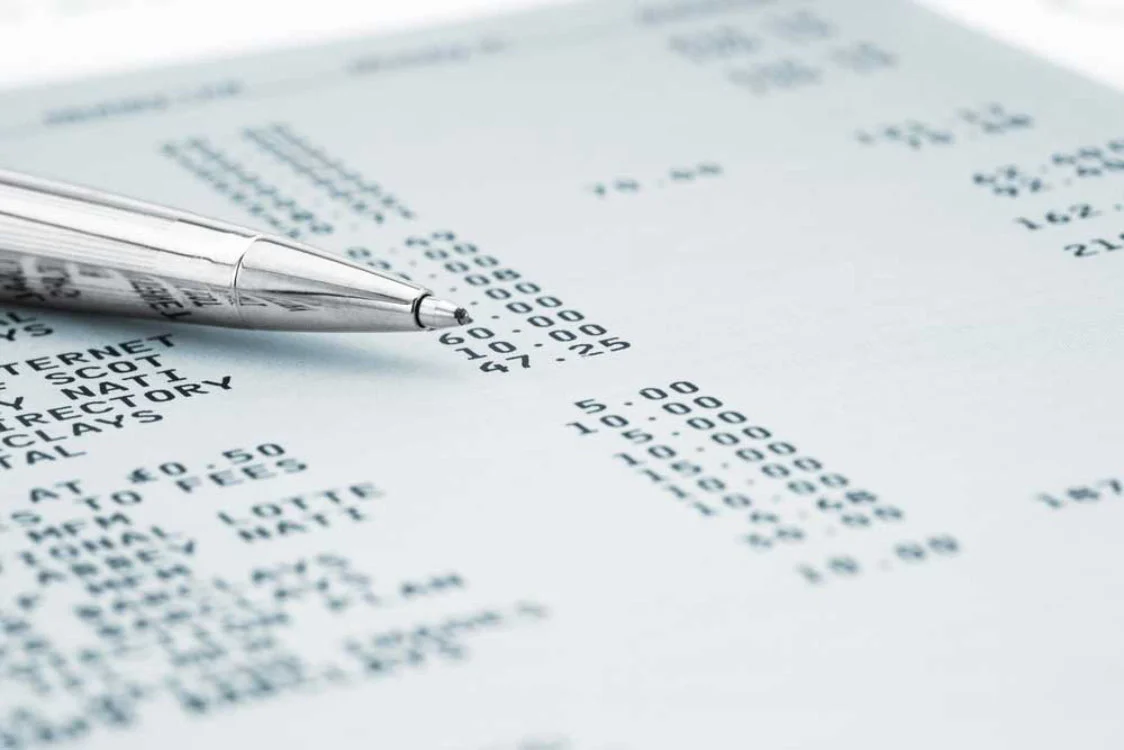
A bank statement is one of the most frequently reviewed financial records in administrative settings. It provides a summary of account activity over a specific period and can help verify financial information when appropriate documentation is required.
Many training departments use examples generated through tools such as the bank statement generator to help employees understand statement layouts and common data fields. Reviewing sample statements allows staff to recognize account balances, deposits, withdrawals, transaction dates, and statement periods without accessing real customer information.
What Paystubs Teach Employees About Income Records
Paystubs are among the most commonly requested proof of income documents in business and administrative environments. They provide a detailed breakdown of earnings, taxes, deductions, and net pay for a specific pay period.
When I first learned payroll administration, one thing became clear very quickly. Most people look only at net pay. Office professionals need to look deeper. Gross income, tax withholding, benefits deductions, and pay period dates often matter just as much.
Important note: A paystub is not merely proof of payment. It also serves as a record of payroll calculations, deductions, and employment information.
Training with sample paystubs helps employees understand where these details appear and how they relate to payroll records.
Common Sections Found on Sample Paystubs
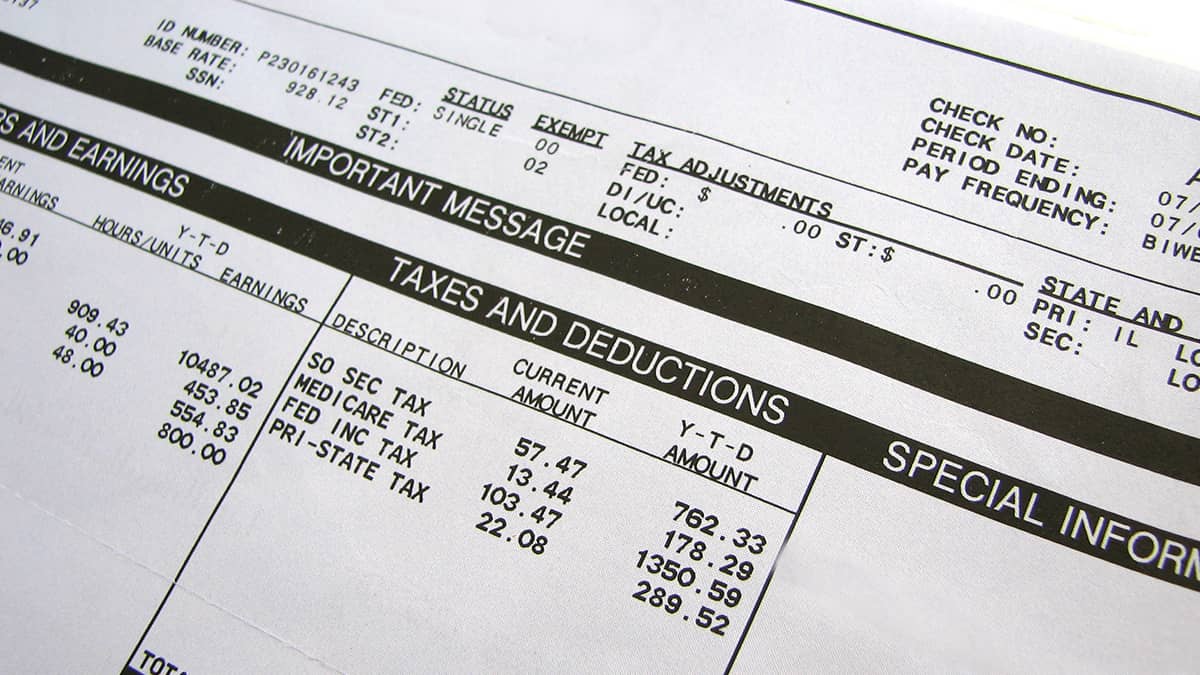
Even though designs vary, most paystubs contain similar information. Learning these sections makes document review much easier.
A typical sample paystub includes:
- Employee identification details
- Employer information
- Pay period dates
- Gross earnings
- Tax deductions
- Benefits deductions
- Net pay
- Year to date totals
Many modern templates also display overtime, paid time off balances, bonuses, and commission earnings. Some include automated calculations that help reduce payroll errors.
Have you ever compared two paystubs from different companies? The layouts may look completely different, but the core information is usually very similar.
Why Utility Bills Remain Important
Utility bills sometimes seem less important than financial records, yet they continue to play a major role in administrative verification processes.
Offices frequently use utility bills as proof of address because they contain both a service location and the account holder’s name. Training employees to review utility bills helps them understand how address verification works in practice.
Several details typically deserve attention:
- Customer name
- Service address
- Billing period
- Utility provider information
- Amount due
- Account number
One common training exercise involves comparing information across multiple documents. Employees may check whether the address shown on a utility bill matches the address listed on other submitted records.
That simple comparison can reveal inconsistencies that require further review.
Building Document Review Skills Through Practice

Document review is a skill that improves through repetition. Reading one sample paystub teaches basic concepts. Reviewing twenty different examples teaches pattern recognition.
A practical training approach often includes multiple document types because employees rarely encounter records in isolation. Someone submitting proof of income may also provide bank statements or utility bills as supporting documentation.
An effective office practice session usually focuses on:
- Identifying required information quickly
- Checking consistency between documents
- Recognizing missing fields
- Understanding document purpose
- Following company verification procedures
These exercises help employees become more efficient while reducing the likelihood of administrative errors.
Final Thoughts
Sample paystubs, utility bills, and bank statements remain valuable tools for office practice because they teach employees how real administrative documentation works. Each document serves a different purpose, yet together they help build essential verification and record review skills.
For anyone learning office administration, spending time with realistic samples is one of the fastest ways to gain confidence. After reviewing enough examples, patterns become easier to recognize, important details stand out more quickly, and routine administrative tasks become far less intimidating.