

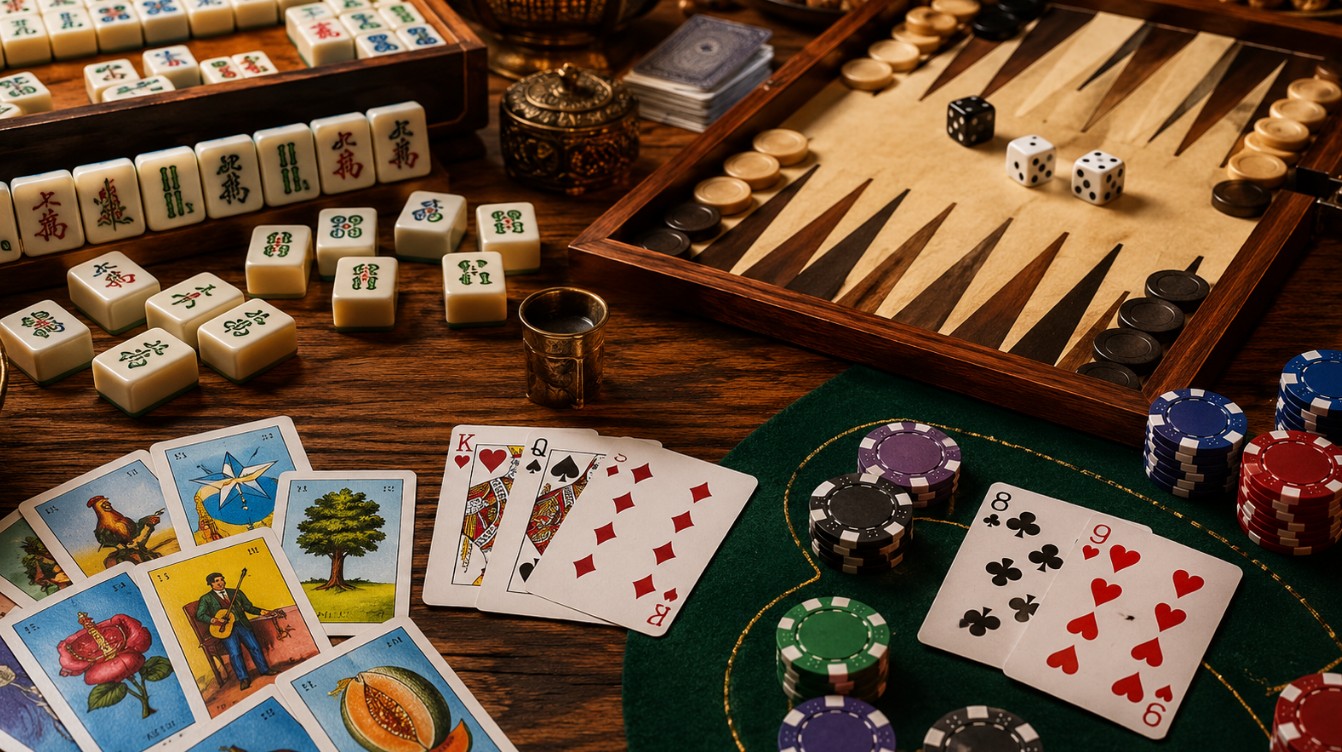
Traditional gambling games are still around because they do something many modern apps try hard to copy: they bring people back. Not always because of money, either. Often it is the table, the rules everyone half-remembers, the teasing, and the pleasure of beating someone who was far too confident five minutes earlier.
These games travel well because they are simple enough to enter, but interesting enough to repeat. For a tech or business audience, that is the real lesson. Strong games are not only products but habits.
Why Old Gambling Games Still Work In Modern Markets
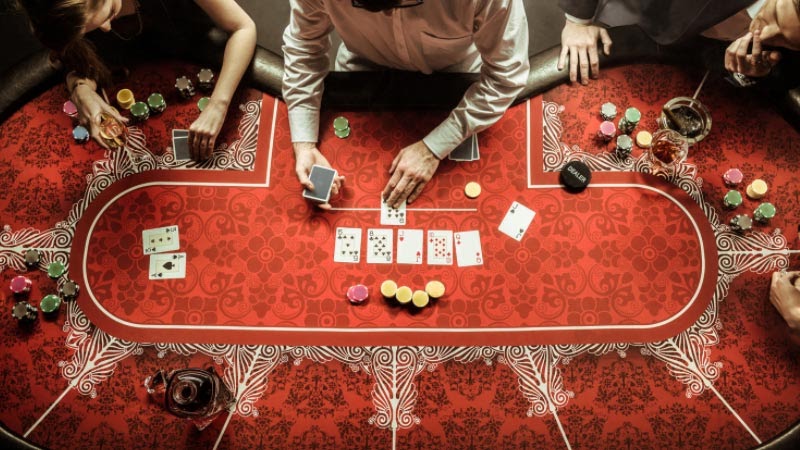
Traditional gambling games have two advantages that many new digital products lack: familiarity and social proof. Players may not know every rule, but they often recognize the name, cards, tiles, or setting. That lowers friction.
Online gaming platforms like Gamezone can grow by organizing games people already understand, then adding mobile access, cleaner interfaces, and faster matching. The smarter move is not to erase tradition. It is to make the old habit easier to join, safer to manage, and more convenient.
Games That Travel Well Across Countries
Some games stay local. Others become regional exports, family rituals, or casino staples. The difference usually comes down to clear rules, repeatable rounds, and room for personality. A good game lets beginners participate without making experienced players bored.
| Game | Strong country link | Why it still works |
| Mahjong | China | Strategy, memory, and social play |
| Teen Patti | India | Fast rounds and bluffing |
| Lotería | Mexico | Visual cards and group play |
| Backgammon | Middle East and Europe | Luck, skill, and quick matches |
| Baccarat | France, Macau, global casinos | Simple betting decisions |
Mahjong In China: Skill, Memory, And Table Talk
Mahjong is usually played by four people who draw and discard tiles while trying to complete a legal hand. A 2019 paper by Sanjiang Li and Xueqing Yan, describes Mahjong as a popular tile-based game and studies how players decide which tile to discard when improving a hand.
Mahjong gives players constant small decisions, so nobody feels like a passenger. You watch discards, remember patterns, and try not to reveal your plan. It is social, but not shallow. It gives different generations something to do together. Have you noticed how the best games make both silence and conversation useful?
Teen Patti In India: Quick Rules, Quick Drama
Teen Patti, often translated as “three cards,” is closely tied to India and South Asian communities. It is common around Diwali card parties because the rules are easy to explain and the rounds move quickly. The Indian Express has described Teen Patti as a Diwali favorite and a local version of the British game Three Card Brag.
From a business angle, Teen Patti has obvious digital strengths:
- Short rounds keep attention active.
- Simple hand rankings help new users join.
- Bluffing creates replay value without complex design.
A game does not need heavy graphics when the tension comes from other people.
Lotería In Mexico: Chance With A Strong Visual Identity
Lotería is often compared to bingo, although that only explains part of it. Instead of numbered balls, it uses illustrated cards and player boards, which makes it easy to recognize and teach. The Smithsonian Learning Lab notes that Lotería arrived in Mexico in the second half of the 18th century and began as a Spanish colonial card game played for amusement by the social elite.
For a home, event, or digital entertainment brand, the lesson is practical: visuals build memory. Lotería can feel traditional or updated depending on the deck. That flexibility is valuable.
Backgammon And Baccarat: Two Different Paths To Longevity
Backgammon remains popular across the Middle East, Greece, Turkey, Iran, Europe, and many diaspora communities because it works in small spaces. Two players, one board, dice, and visible progress. It can include stakes or simply be played for pride, which is sometimes more dangerous to the ego.
Baccarat followed a different business path. A 2013 paper by S. N. Ethier and Jiyeon Lee, explains that baccarat moved from a French aristocratic parlor game in the first half of the 19th century into a casino game, then into a largely house-banked format. Many players like it because the main decision is clear and the pace is smooth.
What Tech And Gaming Brands Can Learn
The biggest lesson is that tradition can reduce onboarding. If people already understand the game’s shape, the product has less explaining to do. That does not mean brands can be lazy. Good platforms still need transparent rules, stable performance, quick support, payment clarity, and responsible play features.
The Gambling Commission’s 2024 Gambling Survey for Great Britain reported that 48% of adults had gambled in the previous four weeks, or 28% when lottery-only players were excluded. That scale is why trust matters. Gambling products handle money, time, emotion, and risk.
Responsible design is not decoration. It is part of the product experience, especially when real money is involved.
A Necessary Word On Safe Play
It is impossible to discuss traditional gambling games honestly without mentioning risk. A familiar game can still become harmful if someone plays beyond their limits. The World Health Organization’s 2024 gambling fact sheet states that gambling can lead to financial stress, relationship breakdown, mental illness, and other harms.
That does not mean every casual game is a problem. It means adults should treat gambling as paid entertainment, not income. Set a budget before playing. Follow local laws and age rules. Do not chase losses. If the game stops feeling social and starts feeling urgent, step away.
Final Thoughts
Traditional gambling games from different countries are still popular because they are easy to gather around, easy to repeat, and meaningful beyond one round.
Mahjong, Teen Patti, Lotería, Backgammon, and Baccarat all survive for different reasons, but they share one useful trait: people know how to make them part of a routine. For tech and business brands, that is the opportunity.
Respect the rules, understand the culture, design for trust, and keep the experience clear. These games have already earned attention across generations. Modern platforms should handle that carefully.
FAQs
1. Are traditional gambling games always played for money?
No. Many can be played with points, tokens, or symbolic prizes. They become gambling when players risk money or something valuable for a possible reward.
2. Which traditional gambling game is easiest for beginners?
Lotería and baccarat are usually easier because they require fewer decisions. Teen Patti is simple too, but bluffing adds pressure.
3. What should players check before joining an online game?
Check local laws, age limits, payment terms, privacy settings, and responsible gambling tools before creating an account or depositing money.