

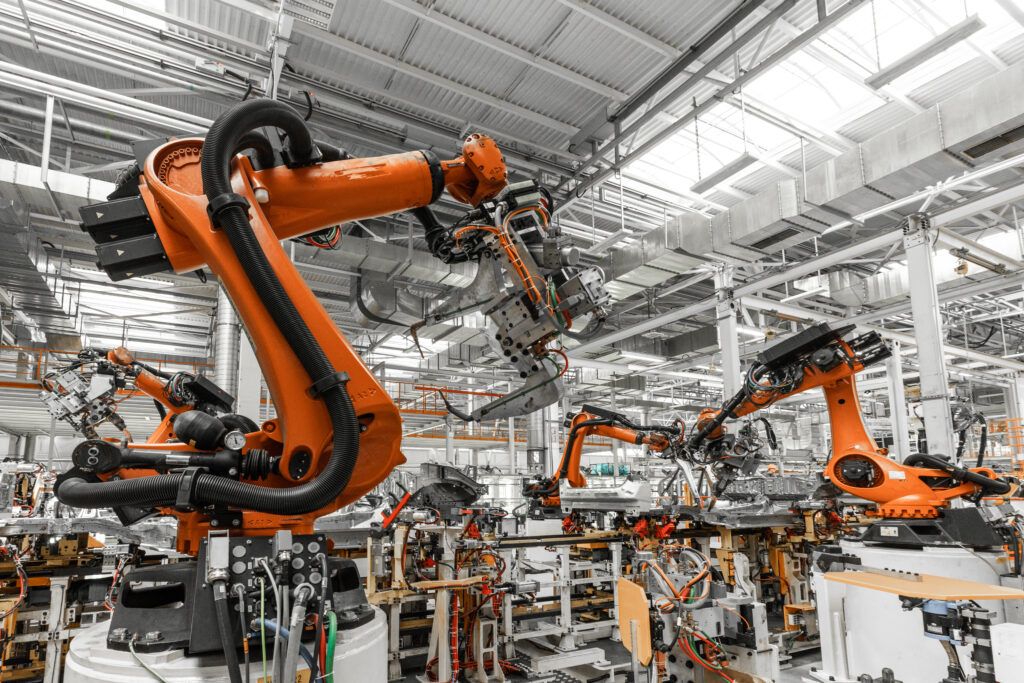
Modern production does not change because someone buys one machine and calls the job done. It changes when factories rethink how work moves, where mistakes happen, and why delays keep returning.
Industrial automation is now part of that bigger conversation. It helps manufacturers produce with more consistency, use data better, and reduce tasks that drain time, energy, and attention.
And yes, people still matter a lot. Maybe even more than before, just in a different way.
Production Is Becoming More Consistent, Not Just Faster
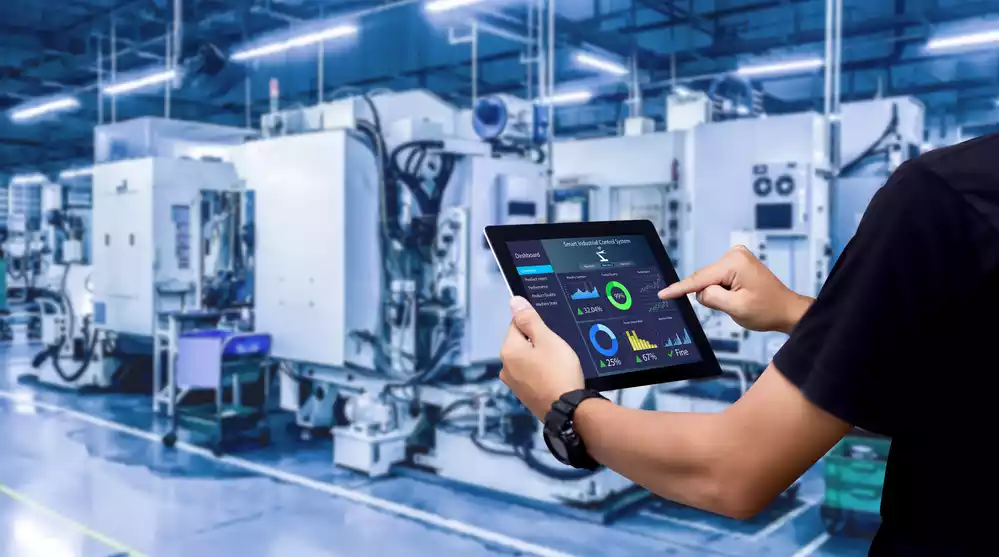
Speed gets most of the attention when people talk about industrial automation, but consistency is often the real prize. Ask any production manager what causes trouble, and you will hear about uneven output, rework, small delays, and quality checks that catch problems too late. Automation helps by making repeated tasks happen the same way every time.
That does not mean every factory needs to automate everything. In fact, that is usually a costly mistake. The better question is: which task causes the most waste when it is done differently from shift to shift?
Common early targets include:
- repetitive assembly work
- cutting, forming, or welding tasks
- packaging and labeling
- quality inspection
- material handling
When automation is planned well, production becomes easier to predict. That predictability helps with orders, staffing, maintenance, and customer deadlines.
Repetitive Work Is Where Automation Proves Itself First
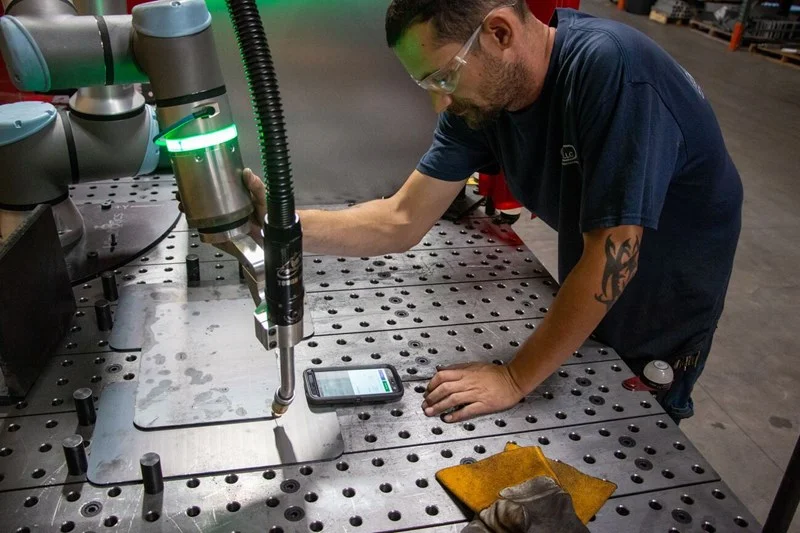
Some jobs in production require skill, but they also require the same movement, speed, pressure, or angle hundreds of times a day. That is where automation can make a clear difference. Welding is a good example because the quality of the result depends on control, preparation, and repeatability.
Many manufacturers now look at robotic welding when they need cleaner output, steadier production, and fewer defects across longer runs. That does not make skilled welders less valuable. It changes how their knowledge is used. Instead of doing every weld manually, experienced people may set up the process, check the fixtures, adjust parameters, inspect results, and solve problems when something does not look right.
Have you ever seen a good operator catch a problem before the system does? That experience still counts.
Robots Are Taking Over Tasks, Not the Whole Factory
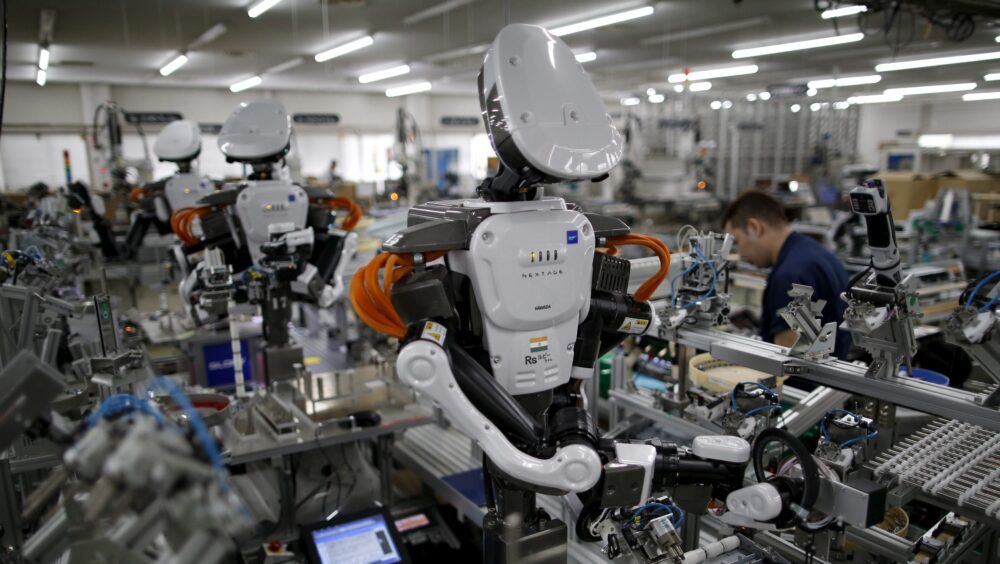
Industrial robots are excellent at tasks that are repetitive, physically demanding, or risky. They do not get tired during the last hour of a shift. They do not lose focus after doing the same movement for the 600th time. That is useful in production, especially when quality depends on steady execution.
But here is the part that gets missed in casual conversations: robots need structure. They need the right parts, fixtures, programming, sensors, maintenance, and safety planning. A robot placed into a messy process will not magically fix that process. It may only repeat the mess faster.
Important fact: industrial automation works best when the process is already understood, measured, and stable enough to improve.
So, before companies automate, they should study the task carefully. Where are defects appearing? Where is downtime starting? Where are people doing work that machines could do more safely?
Data Is Becoming Part of Everyday Production Decisions
Older production decisions often depended on what people could see, hear, or remember. That still matters, but modern production now adds something stronger: live data from machines, sensors, and control systems. This is where industrial automation starts to feel less like a machine upgrade and more like a management upgrade.
A line can show cycle times, stoppages, temperature changes, vibration patterns, rejected parts, energy use, and tool wear. That information helps teams act earlier instead of waiting for a breakdown or a customer complaint.
Here is a simple view of how automation changes decision-making:
| Production issue | Traditional response | Automated production response |
|---|---|---|
| Machine wear | Repair after failure | Track signals before failure |
| Quality defects | Inspect finished parts | Detect issues during production |
| Slow output | Add more labor | Study cycle time and bottlenecks |
| Downtime | React when line stops | Use alerts and maintenance planning |
The real value is not just collecting data. It is using it in a way people trust.
Quality Control Is Moving Closer to the Process
In many factories, quality control used to happen after a product was already made. That still has its place, but industrial automation is moving inspection closer to the actual production step. This matters because late inspection is expensive. By then, time, materials, labor, and machine capacity have already been spent.
Machine vision systems, sensors, and automated checks can spot missing parts, poor alignment, surface defects, wrong dimensions, or packaging errors while production is still running. That gives teams a chance to stop the issue before a full batch is affected.
Of course, automated quality control is not perfect. Someone still needs to define what matters, set tolerances, review false rejects, and understand why defects happen. Technology can point to a problem quickly. People still need to ask the better question: why did this problem appear in the first place?
Maintenance Is Becoming More Predictive
Anyone who has worked near production knows the sound of a line stopping is never welcome. Downtime affects delivery dates, labor planning, customer trust, and sometimes the mood of the entire shift. Industrial automation is changing maintenance by helping teams move from reactive repairs to predictive maintenance.
Instead of waiting for equipment to fail, manufacturers can monitor temperature, vibration, pressure, load, and other signals. When those signals move outside normal patterns, maintenance teams can investigate before a full breakdown happens.
This does not remove the need for experienced technicians. Actually, it gives them better information. Instead of walking into a problem with only a complaint and a toolbox, they can see trends, alerts, and machine history.
People Are Moving Into Higher-Value Roles
Let’s talk about the question people quietly ask whenever automation comes up: what happens to workers? The honest answer is that some roles change, some tasks disappear, and new responsibilities appear. Pretending otherwise is not helpful. But it is also too simple to say automation only removes people from production.
In many modern factories, people move toward setup, monitoring, troubleshooting, programming, inspection, maintenance, logistics, and improvement work. Operators often become more valuable when they understand both the process and the automated system.
The companies that handle this well usually invest in training early. They do not wait until a new machine arrives and then expect everyone to adapt overnight. That approach creates stress, mistakes, and resistance.
A practical rule? Train people before the change feels urgent. It is cheaper, calmer, and much more respectful.
Smart Manufacturing Still Needs Smart Planning
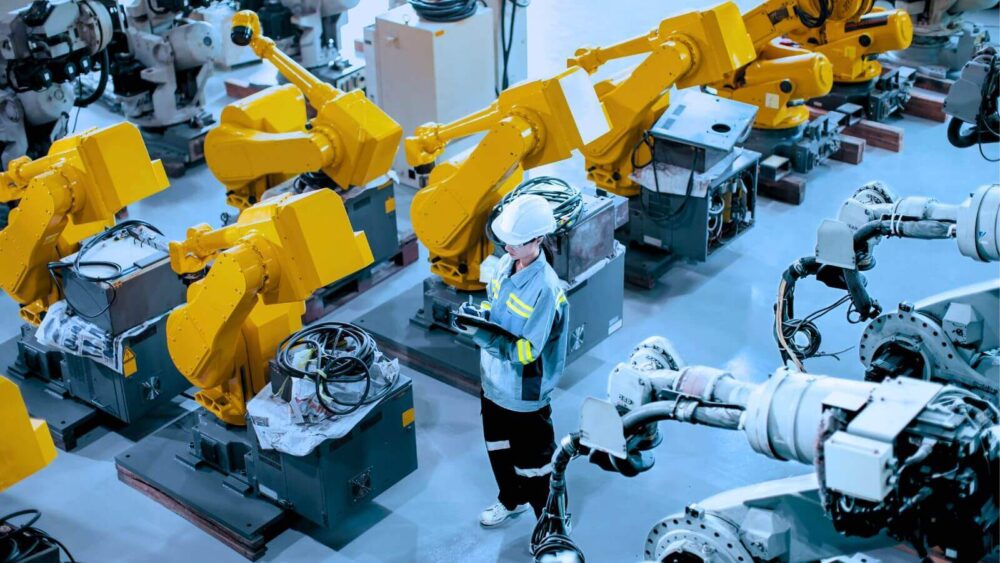
Industrial automation can improve production efficiency, quality control, safety, and maintenance, but it is not a shortcut around planning. A factory should not automate a broken process without first understanding why it is broken. Otherwise, the same problem may continue with better equipment and a larger invoice.
Before investing, companies should ask practical questions:
- Which production problem are we solving first?
- Do we have reliable data about that problem?
- Will this system work with our current equipment?
- Who will maintain it?
- How will operators be trained?
These questions may sound basic, but they prevent expensive surprises. Automation should support the production strategy, not distract from it. When the goal is clear, technology choices become much easier to judge.
What This Means for the Future of Production
The future of modern production will not be a choice between people and machines. It will be a working relationship between skilled teams, reliable equipment, useful software, and better data. Industrial automation is changing what factories can measure, control, and improve.
The winners will not be companies that buy the most advanced systems just to look modern. They will be companies that understand their production problems, train their people, and automate with clear purpose.
So, is automation changing production? Absolutely. But the smartest factories are not removing human judgment. They are giving it better tools.