

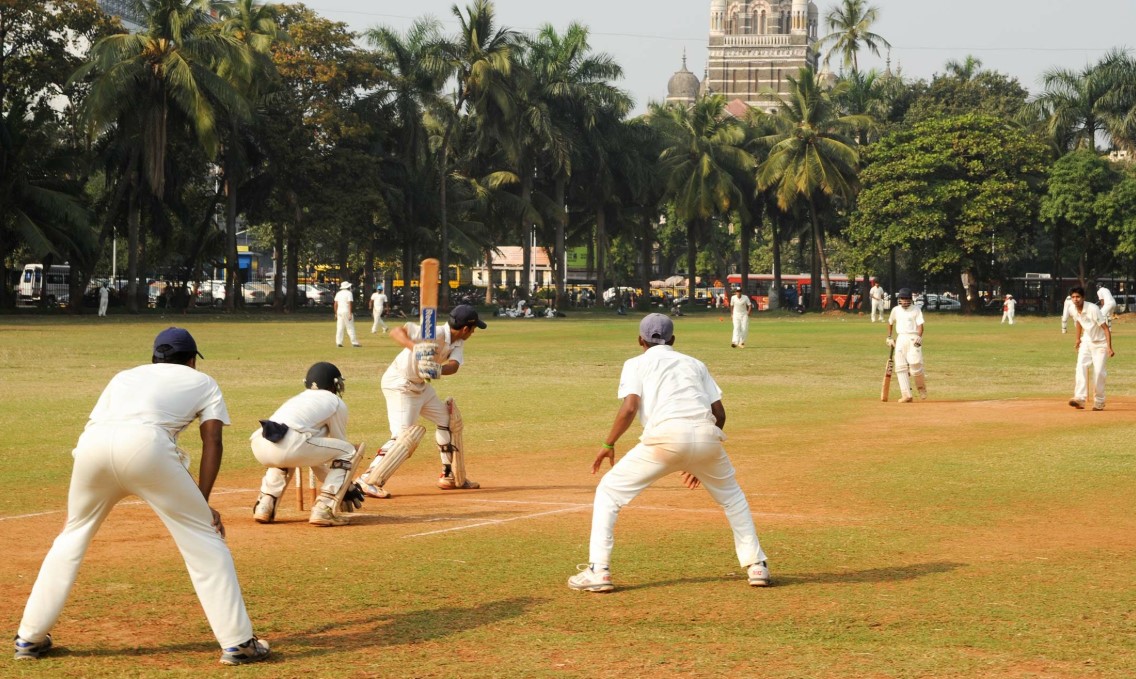
Spend enough time in India and one thing becomes obvious very quickly. Cricket is not treated like most sports. It appears in conversations at work, family gatherings, school playgrounds, train journeys, and social media feeds. Even people who rarely follow sports often know when India is playing an important match.
What makes cricket feel different here? The answer is not simply popularity. Many countries are passionate about sports. India’s relationship with cricket developed through history, media, family traditions, and everyday life. After watching the game for years, one thing stands out to me. Cricket is woven into daily routines in a way that few sports manage elsewhere.
Watching Cricket Is No Longer Limited to the Stadium
People often assume that cricket’s popularity comes from major tournaments. Those events certainly help, but the connection runs much deeper. Platforms such as Paribet have become part of this broader digital cricket ecosystem where fans keep up with tournaments, statistics, and ongoing cricket conversations.
A cricket discussion can begin almost anywhere. Two strangers waiting in line may debate team selection. Office colleagues often discuss last night’s match before starting work. School students compare favorite players during lunch breaks.
What fascinates me is how easily cricket crosses social boundaries. Age, profession, income level, and language differences often become secondary when the topic shifts to the national team.
Some everyday examples explain this well:
- Match highlights dominate television sports coverage.
- Cricket discussions trend constantly on Indian social media.
- Local tournaments attract attention even outside major cities.
- Families often watch important matches together.
Very few sports create that level of regular interaction across so many different groups of people.
The IPL Changed the Relationship Between Fans and Teams
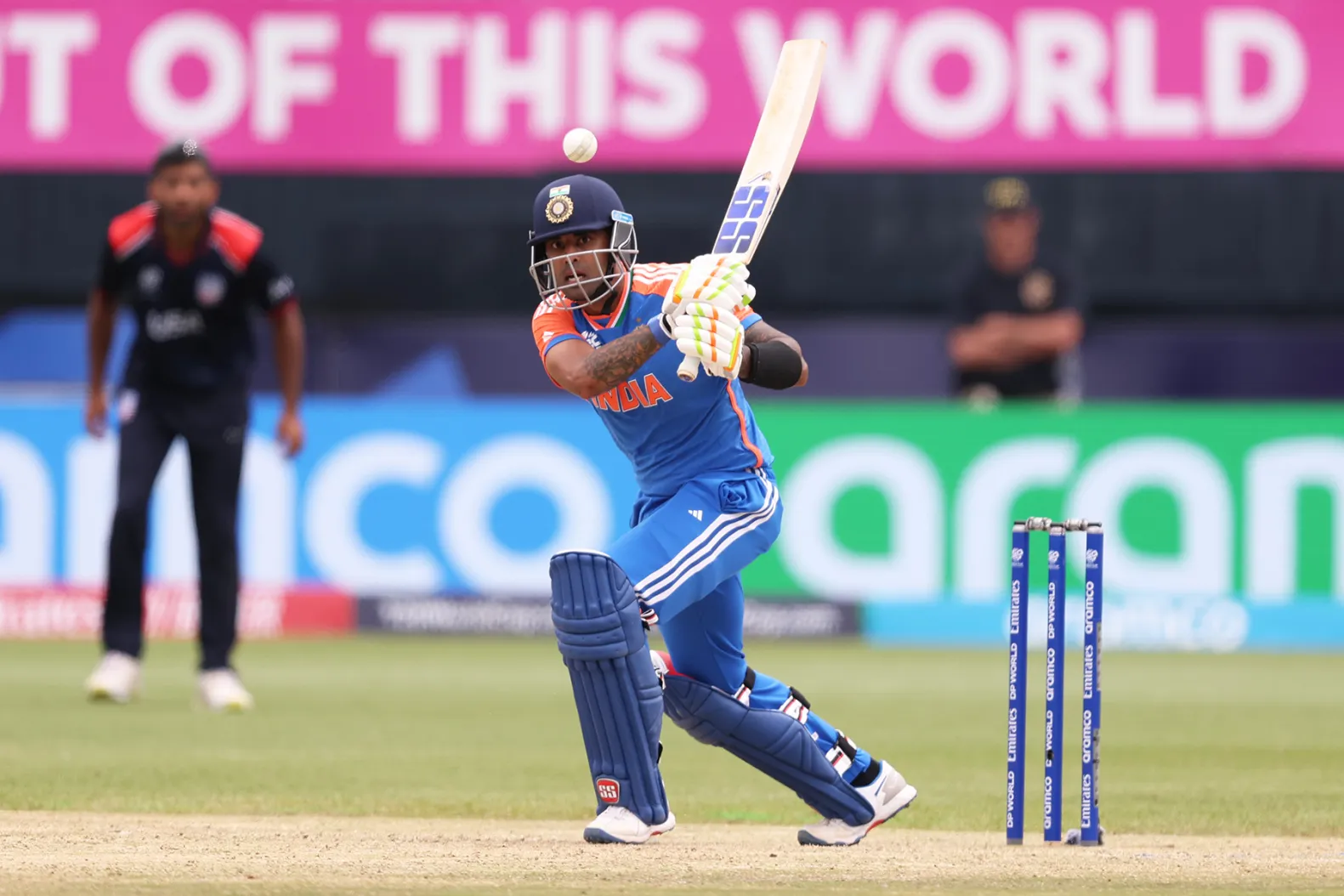
The Indian Premier League transformed cricket from a seasonal interest into a year round conversation.
Before the IPL, many supporters primarily focused on international cricket. Today, fans often follow both national and franchise teams. Local identities became stronger because people suddenly had teams representing their cities.
According to Reuters, the IPL reached a valuation of approximately $18.5 billion in 2025, making it the richest cricket league in the world and one of the most valuable sports properties globally.
A quick look at how the IPL changed fan engagement:
|
Before IPL |
After IPL |
| Focus mainly on national team | Strong city based loyalties |
| Limited player access | Constant player content online |
| Seasonal excitement | Year round engagement |
| Fewer live matches | Continuous cricket calendar |
The league gave fans more reasons to stay connected throughout the year rather than only during international tournaments.
Cricket Is Learned at Home Before It Is Learned Anywhere Else
One aspect outsiders sometimes underestimate is the family influence.
Many Indian cricket fans did not actively choose the sport. They grew up around it. Parents watched matches. Grandparents followed Test cricket. Older siblings discussed players and memorable moments.
As a result, cricket knowledge often passes between generations naturally.
Important fact – Cricket has been played in India since the early eighteenth century and remains the country’s most popular sport today.
I have often noticed that people remember where they watched major matches years earlier. They remember who was in the room. They remember celebrations and disappointments. Those shared experiences create emotional connections that statistics alone cannot explain.
That kind of family continuity strengthens cricket’s position across generations.
The Scale Is Difficult to Compare With Other Countries
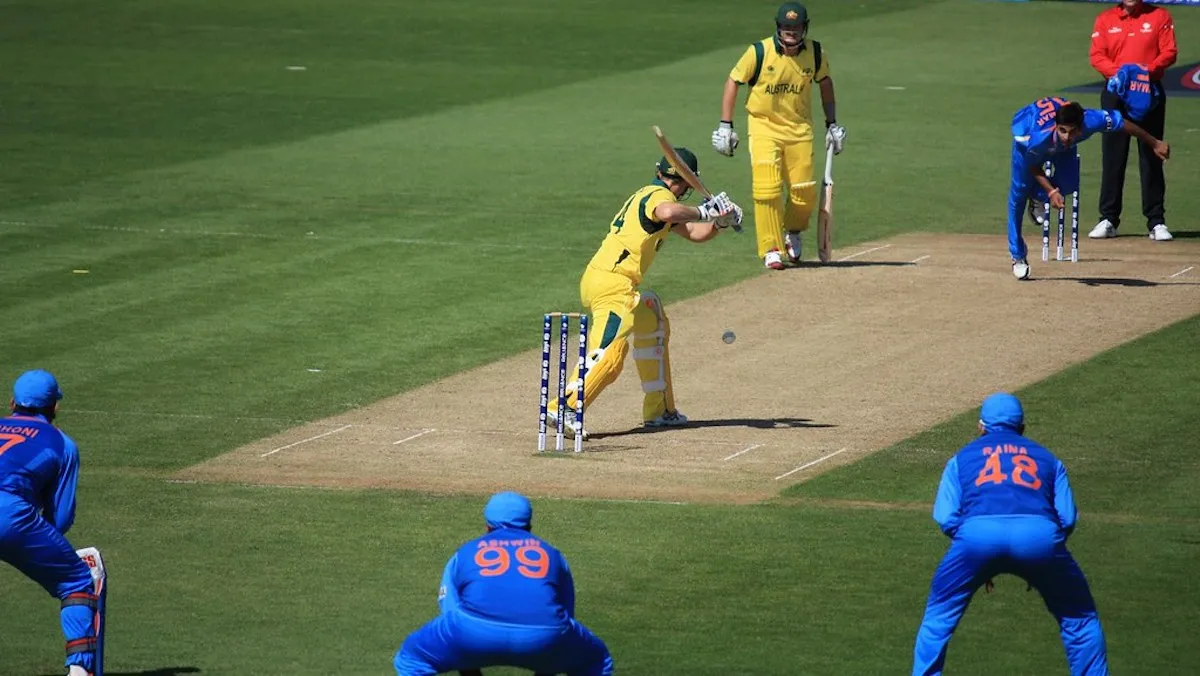
The audience size attached to Indian cricket is enormous. IPL broadcasts regularly attract hundreds of millions of viewers, while international matches involving India frequently set digital viewing records. According to the ICC, the 2023 Cricket World Cup generated record digital engagement with 97.5 million unique users across ICC platforms.
Did you know?
- IPL 2024 attracted around 620 million viewers across the tournament.
- The IPL media rights cycle from 2023 to 2027 was valued at more than $6 billion.
- BCCI reported record revenues exceeding ₹9,700 crore in FY 2023-24, with the IPL contributing the majority share.
When audiences reach that scale, cricket naturally becomes a larger cultural force.
Success and Failure Feel Personal to Many Fans
One reason cricket feels unique in India is the emotional investment.
Supporters often celebrate victories together and discuss defeats for days afterward. Expectations are high because the national team carries enormous public attention.
That does not mean every fan reacts the same way. Some focus on statistics. Others enjoy the social aspect. Many simply enjoy spending time with family during important matches.
Still, there is a common thread. Fans tend to feel involved in the journey.
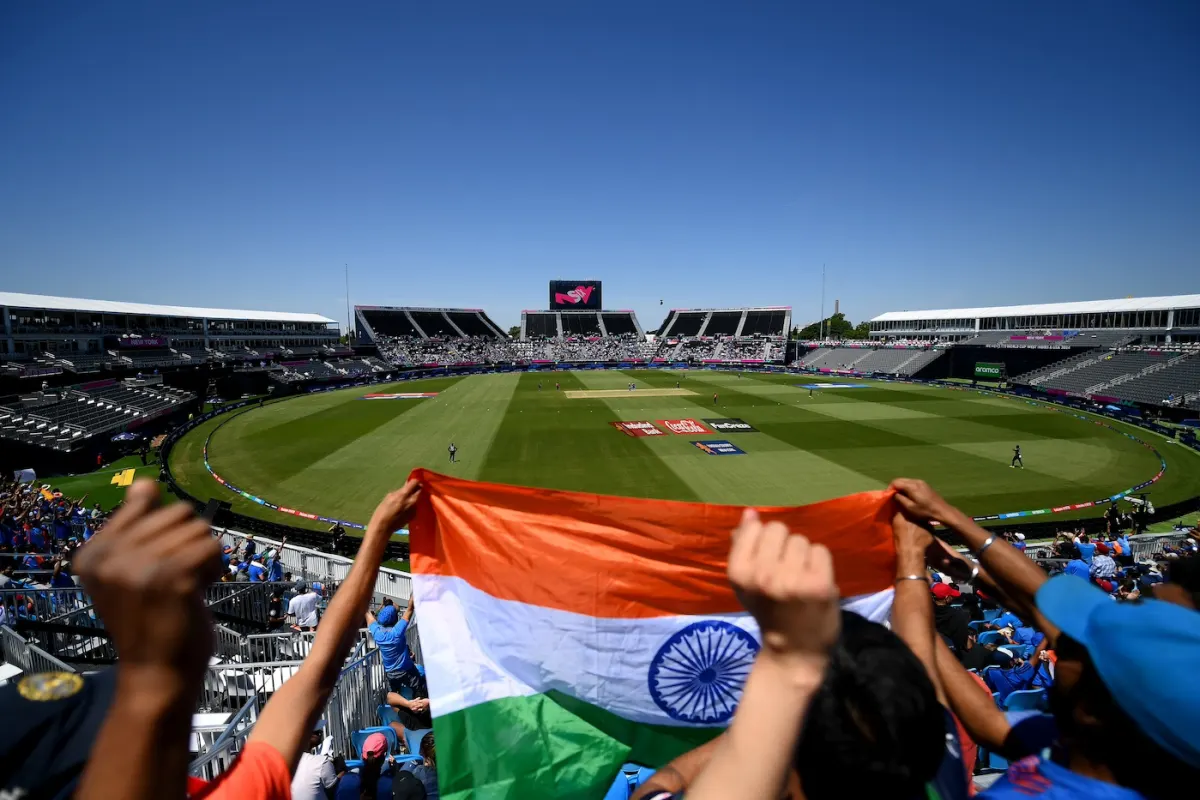
I often ask friends a simple question. How many sporting events can interrupt regular schedules across entire neighborhoods? In India, a major cricket match still has that effect. Restaurants adjust television screens. Offices monitor scores. Group chats become unusually active.
Few sporting events generate that level of collective attention.
FAQs
Why It Continues to Feel Different
Cricket in India is not unique because people like it more than other countries like their favorite sports. The difference comes from how deeply the game is integrated into daily life.
It is discussed at home, followed online, debated among friends, and passed from one generation to the next. Large audiences, strong local loyalties, and constant media coverage strengthen that connection. The result is a sporting culture that feels active every day rather than only during major tournaments.
That is why cricket feels different in India. It functions as a shared reference point for millions of people, and very few sports hold that position within a society.