


Dental emergencies have a way of showing up at the worst possible time. A sudden toothache, a broken tooth at dinner, or a knocked-out tooth during sports can go from “annoying” to “serious” fast. If you’re searching for an emergency dentist in Solana Beach, the goal is simple: get seen quickly by someone who can relieve pain, prevent complications, and protect your tooth (or your overall health) when time matters.
This guide covers how to recognize a true dental emergency, how to choose the right emergency dentist in Solana Beach, what to do before you arrive, and what treatment typically looks like.
When You Should Seek an Emergency Dentist
Not every dental issue is an emergency, but some situations should not wait. Knowing the difference helps you act fast when it counts and avoid unnecessary panic when it doesn’t.
Recognizing Dental Emergencies
Common dental emergencies include severe tooth pain, swelling, trauma, and anything that threatens your ability to breathe, swallow, or function normally.
You should seek urgent dental care if you have:
- severe toothache that does not improve
- swelling in the gums, jaw, or face
- signs of infection, such as a bad taste, pus, or fever
- a knocked-out tooth
- a cracked, broken, or displaced tooth with pain or bleeding
- uncontrolled bleeding after an extraction or injury
- pain when biting that suddenly appears and worsens
Even if you’re unsure, persistent or escalating pain is usually a signal that something needs professional evaluation.
Why Quick Action Matters
In emergencies, waiting can turn a manageable problem into a more complex one. A knocked-out tooth, for example, has the best chance of being saved if treated quickly, often within the first hour. Infections can spread beyond the tooth and gums, which can create more serious health risks and require stronger treatment.
Quick care often means:
- less pain over time
- fewer complications
- simpler procedures
- lower overall cost
What Usually Isn’t an Emergency
Some issues can often wait for a regular appointment, especially if there is no severe pain, swelling, or bleeding. Examples include mild sensitivity, a small chip with no pain, minor irritation from braces, or a lost filling that isn’t causing discomfort.
These still deserve attention, but they typically do not require same-day emergency care unless symptoms worsen.
How to Find the Right Emergency Dentist in Solana Beach
When you need help quickly, you still want to be thoughtful about who you choose. Emergency care is most effective when the dentist is experienced, available, and clear about what they can do during an urgent visit.
Qualifications That Matter
A strong emergency provider should be a licensed dentist with experience handling urgent care cases. It’s also helpful if they regularly perform procedures common in emergency visits, such as extractions, root canals, temporary crowns, and trauma care.
Look for signs of professionalism such as:
- clear emergency instructions on their website
- transparent payment and insurance policies
- a modern office with digital X-rays
- responsive communication and scheduling
Using Reviews and Local Referrals Wisely
Reviews help most when you look for patterns, not one extreme story. If multiple people mention the office being calm during emergencies, quick to schedule, and clear in explanations, that is a strong sign.
Local referrals also matter. Friends, neighbors, and community groups often share honest experiences that can help you find an emergency dentist in Solana Beach who is reliable under pressure.
Availability and Location
In an emergency, logistics matter. Confirm:
- whether the office offers same-day visits
- what after-hours options they have
- whether weekends are covered
- how quickly you can get to the location
Some practices provide emergency phone lines or specific instructions for after-hours situations. It’s worth saving the number now, before you need it.
What to Do Before You Go In

A little preparation can make your visit smoother, especially when you’re stressed or in pain.
Bring the Right Information
If possible, bring:
- a photo ID and insurance information
- your medical history, including chronic conditions
- a list of medications and allergies
- details on when symptoms began and what makes them worse
This helps the dentist treat you safely and choose the best pain management plan.
What an Emergency Exam Usually Looks Like
Most emergency visits follow a clear pattern. You’ll describe symptoms, then the dentist will examine your mouth and likely take X-rays to see what’s happening below the surface. After that, they’ll explain the cause and your options.
Emergency care often focuses on two goals: relieve pain and stabilize the problem. Sometimes definitive treatment happens immediately. Other times, you may get a temporary solution and a follow-up plan.
Managing Anxiety During an Emergency Visit
Dental emergencies can spike anxiety, especially if you’re already in pain. Simple strategies can help, like slow breathing before you enter, bringing a support person if allowed, and telling the staff upfront if you feel nervous.
Many offices also offer numbing and comfort options that make emergency treatment more manageable than people expect.
Common Emergency Treatments You Might Receive
Treatment depends on the cause, but emergency dentistry often follows a predictable range of solutions.
Immediate Pain Relief
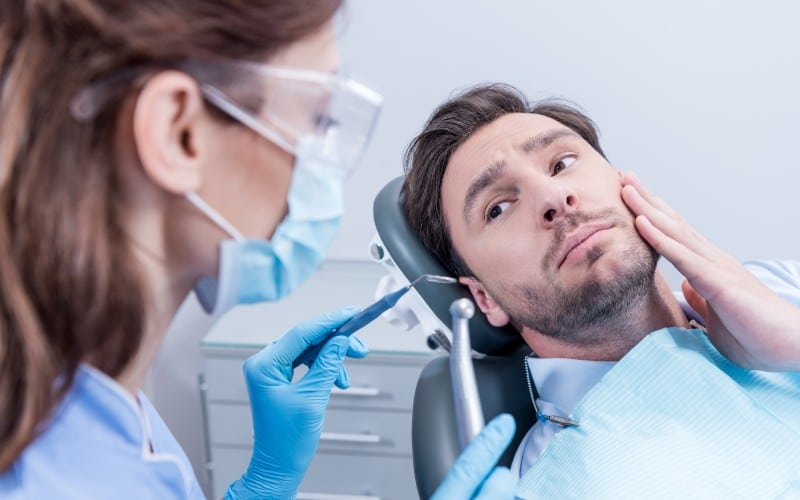
The first step is usually pain control. This may include local anesthesia, medication recommendations, and guidance on swelling control. Cold compresses can help with facial swelling, and the dentist may prescribe medication if an infection is suspected.
Restorative and Urgent Procedures
Depending on what’s found, treatment might include:
- a filling or temporary filling
- a crown repair or temporary crown
- drainage of an abscess
- root canal treatment to remove infection
- extraction when a tooth cannot be saved
- stabilization of a loose tooth after trauma
The dentist should explain what’s urgent today and what can be scheduled after you’re stable.
Aftercare and Follow-Up
After treatment, you’ll get specific instructions. These may include what to eat, how to clean the area, what symptoms are normal, and what would require another call. Follow-up visits are common, especially after temporary restorations or infection treatment.
What to Do in Common Dental Emergencies at Home
While you’re on the way to care, a few actions can help.
If a tooth is knocked out, handle it by the crown, not the root. If possible, keep it moist and seek care immediately. If you have swelling, a cold compress can reduce discomfort. If there is bleeding, gentle pressure with clean gauze can help.
Avoid placing aspirin directly on gums or teeth, since it can irritate tissue.
Conclusion
Finding an emergency dentist in Solana Beach is easier when you know what counts as an emergency, what to look for in a provider, and how to prepare before you arrive. The most important rule is simple: if pain is severe, swelling is present, or a tooth has been knocked out or broken badly, do not wait.
Quick care can protect your health, reduce complications, and in many cases save the tooth.
FAQs Section
1. How quickly should I see an emergency dentist?
Ideally within the same day. For severe pain, trauma, or infection, treatment within hours can prevent complications and improve outcomes.
2. Can I go to the ER for a dental emergency?
Emergency rooms can help with pain management and infections, but they usually cannot perform dental procedures. You will still need to see a dentist afterward.
3. Do emergency dentists accept walk-ins?
Some do, but many prioritize patients who call ahead. It’s best to contact the clinic first to confirm availability and reduce waiting time.
4. Is emergency dental care more expensive?
Emergency visits may cost more than routine appointments, especially after hours. However, early treatment often prevents more expensive procedures later.
5. What if I don’t have dental insurance?
Many emergency dental clinics offer:
- payment plans
- financing options
- transparent pricing
You can still receive care without insurance.
6. Can a tooth infection go away on its own?
No. Dental infections typically require professional treatment such as antibiotics or a root canal. Ignoring them can lead to serious health risks.