


When people picture retirement, they often imagine freedom, travel, and finally having time to enjoy life. What tends to get less attention is the financial side of it all. The reality is that retirement isn’t cheap, and the expenses don’t just disappear once your paycheck stops.
A big part of that is understanding your retirement planning costs. On average, retirees spend around $5,000 per month, with housing, healthcare, food, and transportation making up the biggest chunks of that budget. What’s interesting is that spending patterns shift over time. Early retirement can feel active and expensive, while later years may bring different financial pressures, especially related to health.
That’s why understanding your future expenses isn’t just helpful, it’s essential if you want to retire comfortably without constant financial stress.
Housing costs often last longer than expected
A lot of people assume housing becomes cheap once the mortgage is paid off. That’s only partially true. Even without a loan, housing remains the largest expense for most retirees.
You still need to account for:
- Property taxes and insurance
- Maintenance and repairs
- Utilities and upgrades
- Possible renovations for aging in place
These costs add up quickly, and they don’t go away. In fact, they can increase as homes age or require accessibility modifications.

|
Housing Expense Type |
Typical Impact in Retirement |
| Property taxes | Ongoing annual cost |
| Maintenance | Increases over time |
| Utilities | Stable but essential |
| Insurance | Can rise with age/location |
Housing may shift, but it rarely disappears as a major financial factor.
Healthcare is the wildcard expense
A typical 65-year-old may spend around $172,500 on healthcare during retirement, and that doesn’t even include long-term care. For couples, that number can climb significantly higher.
What makes healthcare tricky is that it’s not just one expense. It’s a mix of:
- Insurance premiums
- Prescription medications
- Specialist visits and treatments
- Unexpected procedures
Did you know?
Healthcare can account for roughly 15% of annual retirement spending, and that share often grows over time.
Planning for this category isn’t about being pessimistic. It’s about being realistic.

Everyday living expenses still matter
Food, utilities, and basic lifestyle expenses don’t disappear. In fact, they can increase if you spend more time at home or pursue hobbies. Retirees spend a notable portion of their budget on food alone, often around 12 to 25 percent depending on lifestyle.
Then there’s entertainment. Once you have more free time, you might naturally spend more on:
- Dining out
- Travel and experiences
- Hobbies and memberships
This is where retirement becomes personal. Some people keep things simple, while others want a more active lifestyle. Neither is wrong, but both require planning.
Transportation doesn’t disappear; it evolves
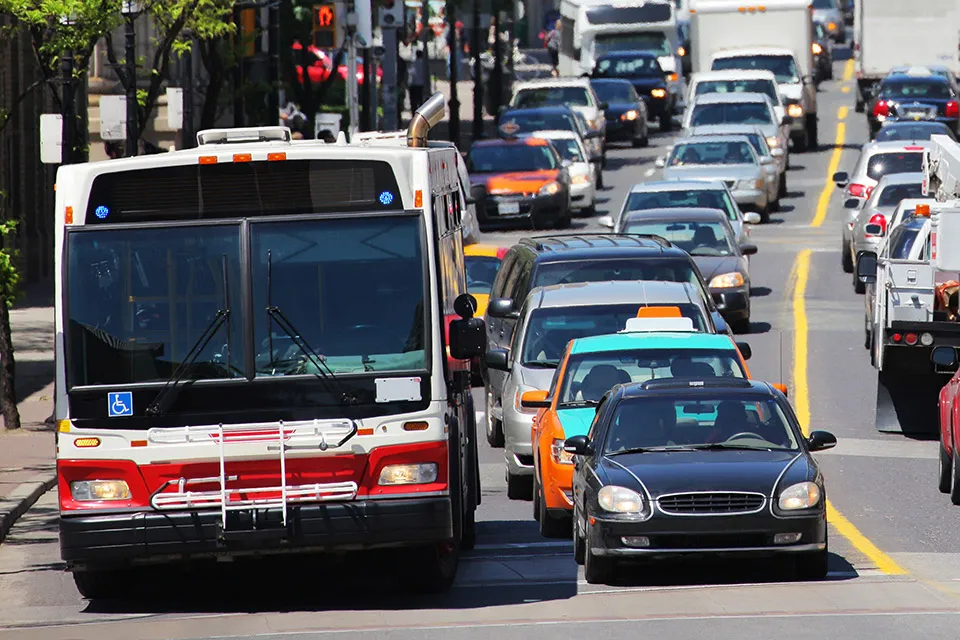
Many retirees still spend a significant portion of their budget on transportation, including vehicle maintenance, insurance, and fuel. Travel can also become a bigger expense once you have the time to explore.
Here’s how transportation often shifts:
- Less daily driving, but more leisure travel
- Fewer work-related costs, but higher vacation spending
- Potential switch to public transport or ride services
This category is a good example of how retirement spending is less about elimination and more about reallocation.
Long-term care and unexpected expenses
Long-term care, whether it’s assisted living or in-home support, can become a major financial burden later in life. These costs are not always covered by standard insurance and can escalate quickly.
At the same time, unexpected expenses don’t stop in retirement. Things like:
- Emergency home repairs
- Medical emergencies
- Helping family members
can all disrupt even the most carefully planned budget.
That’s why many experts recommend maintaining a solid emergency fund even after retiring. It adds a layer of financial stability that can make a huge difference when life throws something unexpected your way.
How spending changes over time in retirement
Your spending evolves as your lifestyle changes. Many people go through three general phases:
- Early retirement: more active, higher spending
- Mid retirement: more stable, balanced spending
- Later years: lower lifestyle costs but higher healthcare needs
Studies show that overall spending can actually decrease over time, but healthcare costs tend to rise, balancing things out.
Understanding this pattern helps you avoid overestimating or underestimating your long-term needs.

Bringing it all together
Preparing for retirement isn’t just about hitting a savings target. It’s about understanding where your money will actually go once you stop working.
Housing, healthcare, daily living, transportation, and unexpected costs all play a role. Some expenses shrink, others grow, and a few can catch you off guard if you’re not prepared.
The most important thing is to think of retirement as a long journey rather than a single moment. Your financial needs will shift, and your plan should be flexible enough to adjust to them.
If you take the time now to understand these key expenses, you’re not just planning for retirement. You’re setting yourself up to enjoy it with confidence, knowing your finances can support the life you want.