


Solitaire spider has earned a strong following among players who prefer logic-driven challenges over chance-based gameplay. Within the first few moves, solitaire spider reveals its defining quality: it rewards deliberate planning, structured decision-making, and disciplined execution. Unlike simpler card games, it requires players to impose order on complexity, making it particularly appealing to individuals who enjoy systems, patterns, and methodical problem-solving.
How does solitaire spider align with structured thinking principles?
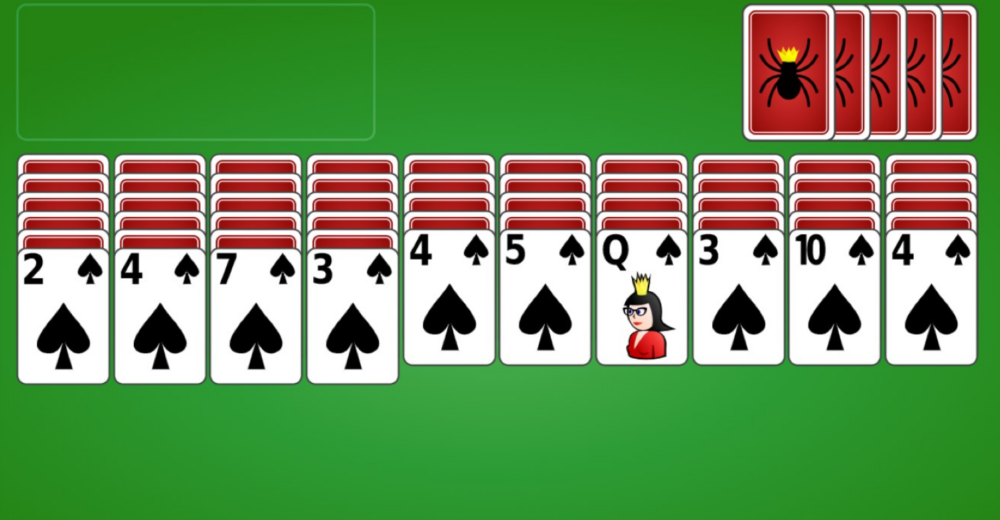
Solitaire spider aligns with structured thinking by requiring players to organize disordered card arrangements into logical sequences through rule-based decisions. It emphasizes systematic planning, prioritization, and incremental progress, mirroring analytical frameworks used in problem-solving disciplines where complexity must be broken down into manageable components.
Structured thinking involves organizing information into clear, logical frameworks. Solitaire spider reflects this approach by presenting a chaotic tableau that must be transformed into ordered sequences. Players cannot rely on intuition alone; they must apply consistent rules and prioritize moves that contribute to long-term organization.
Each action is part of a broader system. Moving a single card can either strengthen or weaken the overall structure, requiring players to evaluate consequences before acting. This mirrors structured problem-solving in fields such as engineering or data analysis, where decisions must align with a larger objective.
The game also reinforces hierarchical thinking. Players must identify which sequences to build first and which to delay, balancing immediate gains with future flexibility. This layered decision-making process is a defining feature of structured thinking environments.
Why do fans of logic-based games prefer solitaire spiders?
Fans of logic-based games prefer solitaire spider because it minimizes randomness and emphasizes strategy, planning, and pattern recognition. The game provides consistent rules and predictable outcomes, allowing players to rely on skill rather than luck, which appeals to those who value control and analytical reasoning.
Many structured thinking enthusiasts seek environments where outcomes depend primarily on decision quality rather than chance. Solitaire spider satisfies this preference by reducing reliance on random draws and increasing the importance of strategic planning.
The game’s multi-suit variations further enhance its appeal. As complexity increases, players must manage multiple variables simultaneously, creating a challenge that evolves with skill level. This scalability ensures that the game remains engaging for both beginners and advanced players.
Another factor is the transparency of rules. Unlike games with hidden mechanics, solitaire spider operates within a clearly defined system. Players understand the constraints and can develop strategies accordingly, reinforcing a sense of control and predictability.
This preference for structured gameplay is supported by cognitive research. Studies indicate that individuals who engage in logic-based games show improved analytical reasoning and problem-solving accuracy over time, highlighting the value of such activities for mental development.
How does a solitaire spider strengthen cognitive skills?
Solitaire spider strengthens cognitive skills by engaging working memory, executive function, and pattern recognition. Players must track multiple sequences, anticipate outcomes, and adapt strategies dynamically, which enhances mental flexibility, attention control, and problem-solving efficiency through repeated, structured practice.
Cognitive engagement is a key reason for the game’s popularity among structured thinkers. Solitaire spider requires players to hold multiple pieces of information in memory, including card positions, hidden sequences, and potential move outcomes. This continuous mental tracking strengthens working memory capacity.
Executive function, which includes planning and decision-making, is also heavily involved. Players must evaluate several possible moves and choose the one that best supports long-term goals. This process mirrors complex decision-making tasks in professional environments.
Research published in Frontiers in Psychology suggests that strategy-based games can improve working memory and cognitive flexibility by approximately 10 to 15 percent with consistent practice. Solitaire spider fits this category, as it demands ongoing mental adaptation.
Additionally, the game promotes sustained attention. A report from the University of California, Irvine, found that frequent interruptions can reduce productivity by up to 40 percent. By encouraging uninterrupted focus, the solitaire spider helps counteract this effect and supports better concentration habits.
What role does discipline play in mastering solitaire spider?
Discipline is essential in mastering solitaire spider because players must resist impulsive moves, follow structured strategies, and maintain consistency across decisions. Success depends on patience, careful evaluation, and adherence to long-term planning rather than short-term rewards or reactive gameplay.
Discipline separates casual players from skilled practitioners. The game often presents tempting moves that provide immediate progress but undermine future opportunities. Recognizing and avoiding these traps requires self-control and strategic awareness.
Consistency is another aspect of discipline. Successful players develop reliable methods for organizing cards, managing space, and prioritizing actions. Deviating from these methods can lead to disorganized play and reduced success rates.
The game also encourages reflective thinking. After each session, players can analyze their decisions and identify areas for improvement. This iterative learning process reinforces disciplined thinking and continuous skill development.
Over time, disciplined play leads to greater efficiency. Players learn to minimize unnecessary moves, optimize sequences, and complete games with fewer errors. This refinement process is similar to skill development in structured professional tasks.
Why does solitaire spider provide long-term engagement for analytical minds?
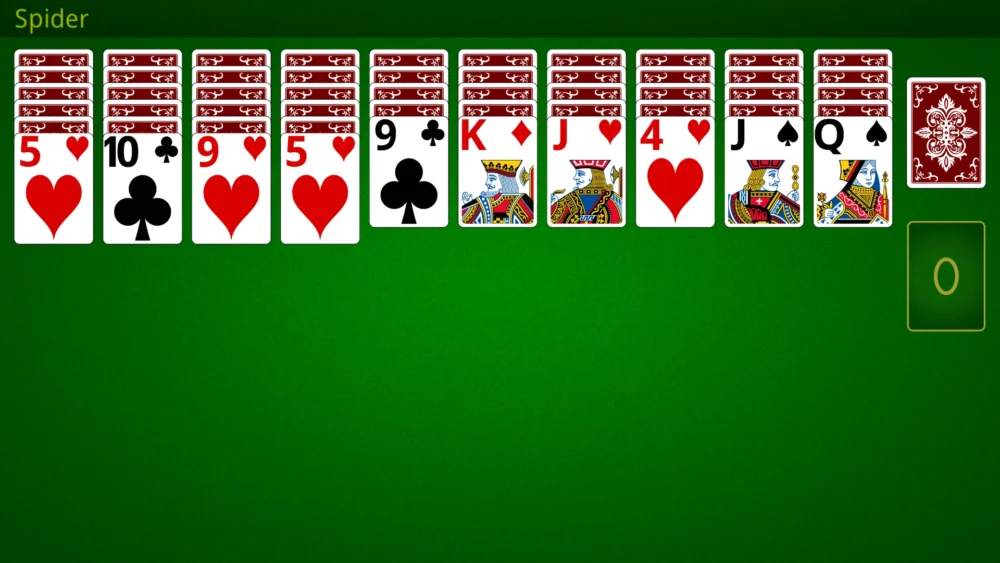
Solitaire spider provides long-term engagement because its complexity scales with player skill, offering continuous challenges that require refinement of strategies. Its combination of structured rules, variable difficulty, and evolving scenarios ensures that analytical minds remain engaged through ongoing problem-solving and skill progression.
One of the defining features of the solitaire spider is its adaptability. As players improve, they can increase the number of suits, introducing additional layers of complexity. This progression ensures that the game remains challenging and prevents stagnation.
The variability of each game also contributes to long-term engagement. No two layouts are identical, requiring players to apply familiar strategies in new contexts. This balance between consistency and variation keeps the experience intellectually stimulating.
Analytical players are particularly drawn to environments where improvement is measurable. Solitaire spider provides clear indicators of progress, such as higher win rates, reduced move counts, and improved efficiency. These metrics reinforce motivation and encourage continued play.
The game’s structure also supports deep focus, often referred to as a state of flow. When players are fully engaged, they experience heightened concentration and reduced awareness of distractions. This immersive quality makes solitaire spiders both mentally rewarding and satisfying.
Solitaire spider appeals to fans of structured thinking games because it combines logical rigor, strategic depth, and cognitive engagement within a consistent framework. By requiring players to impose order on complexity, maintain discipline, and refine their strategies over time, it offers a compelling challenge that aligns with analytical preferences.
Through repeated play, individuals not only improve their performance in the game but also strengthen skills that are directly applicable to real-world problem-solving and productivity.