

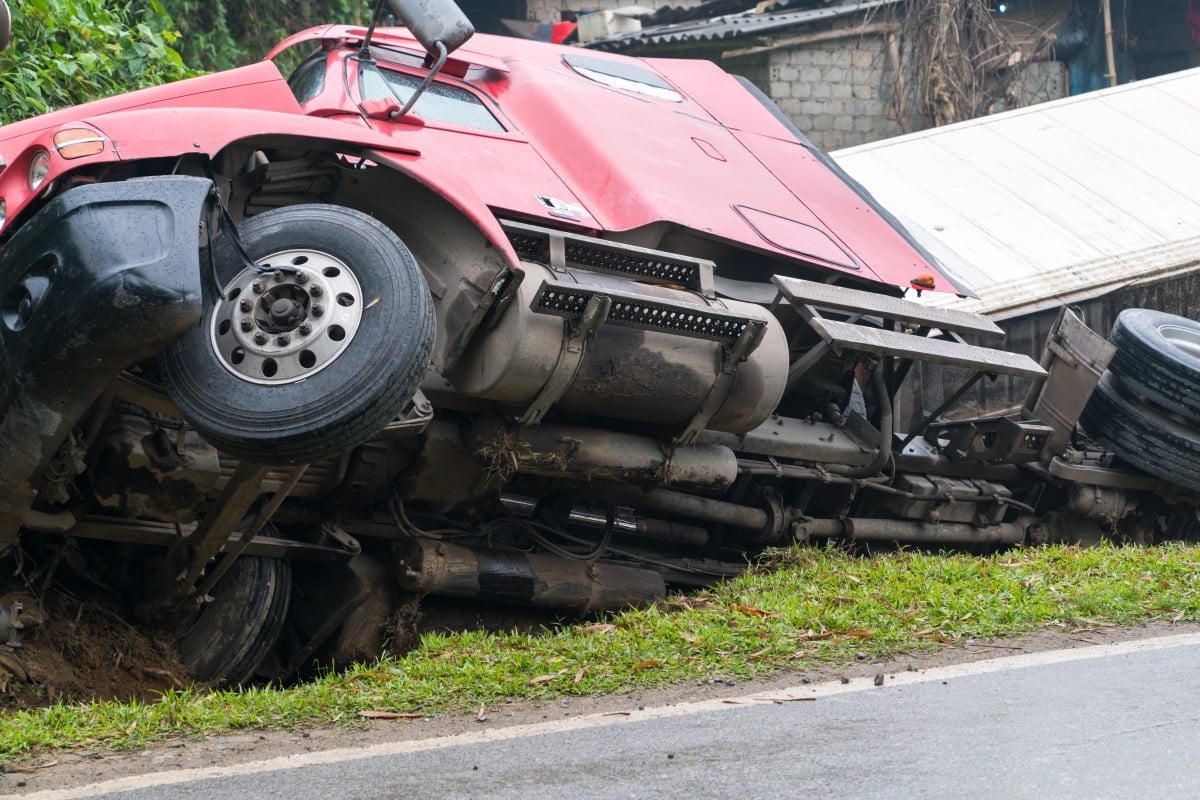
Did you know that there are about 494,000 crashes annually in the United States that involve large trucks? According to the data released by the Federal Motor Carrier Safety Administration, preliminary reports indicate over 131,000 large truck crashes causing injury or death.
Truck accidents lead to devastating injuries due to their massive size and heavy weight. Victims may face long hospital stays, lost income, emotional trauma, and ongoing medical care after a collision.
In case an accident occurs due to the fault of another person, the victim might sue for compensation of the damages.
Truck accidents remain a serious safety issue in the United States, as many thousands of accidents resulting in deaths and injuries involving large trucks happen annually.
It is now time to educate yourself in understanding what kind of compensation you may be entitled to in case you are a victim of a truck accident.
Economic Damages: The Documented Financial Losses
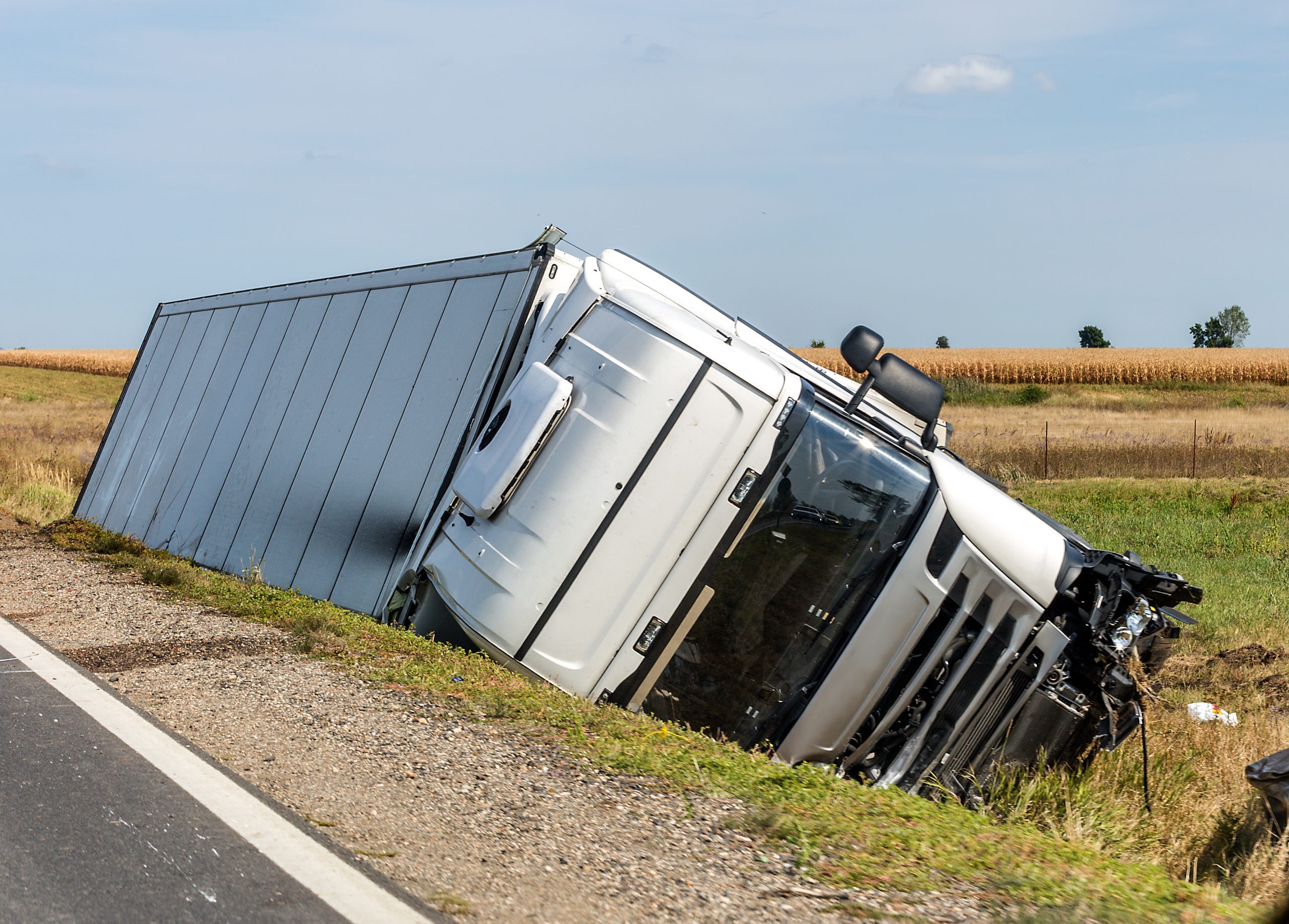
Economic damages are quantifiable financial losses owing to the accident. They lie at the base of any truck accident lawsuit and are shown rather than taken subjectively.
Medical bills can be the most costly expense following an accident. This includes medical costs such as emergency room costs, hospitalization fees, surgery charges, laboratory testing, medicine purchases, physical therapy, assistive devices, and other associated medical bills.
Gonzales truck accident lawyer Andre P. Gauthier says that you deserve full compensation for your injuries, property damage, and emotional distress. This amount often involves vocational rehabilitation professionals and economists, more so when permanent disabilities or career-ending injuries are involved.
One of the most costly and common mistakes in truck accident cases is settling without considering future medical needs. Property damage is about fixing or replacing the car and any personal property that was damaged in the accident.
Non-Economic Damages: Pain, Suffering, and Quality of Life

Non-economic damages make up for the suffering that the victims had to endure. They are not determined based on receipts.
These damages include physical and mental pain and suffering, emotional distress, anxiety, depression, post-traumatic stress disorder, and enjoyment of life and consortium for the spouse or family of an injured person.
Insurance companies and courts generally apply the multiplication method, whereby a certain figure that ranges from (usually between 1.5 and 5) is applied to the amount of economic damages depending on the nature of the injuries sustained.
Someone who has incurred about $50,000 in hospital bills and suffers a permanent injury can get non-economic damages ranging between $200,000 and $250,000. In severe truck accidents, non-economic damages will usually exceed financial losses.
Punitive Damages: When Conduct Was Egregiously Reckless
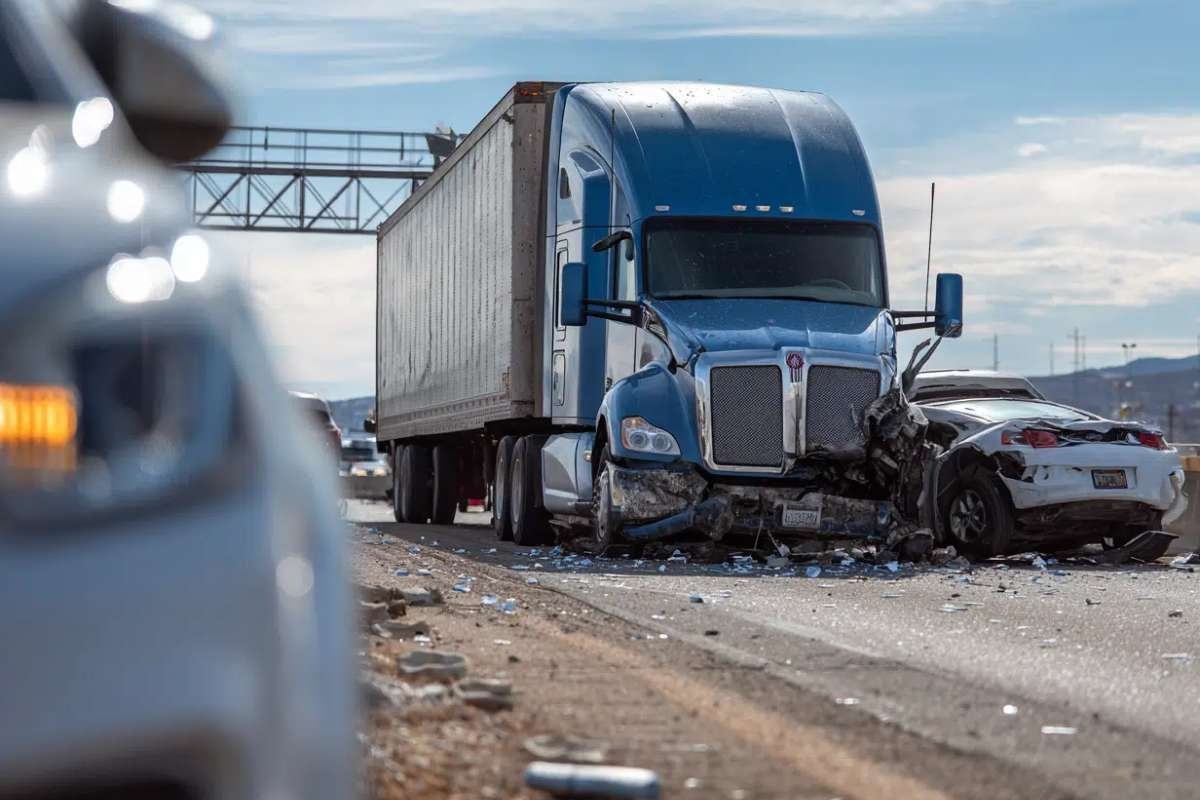
Punitive damages are rarely given and are only fitting when there is evidence that an offender acted either intentionally and maliciously or in conscious disregard for public safety. A good example would be truck accidents.
Several types of conduct may support a punitive damages claim, especially when companies or drivers knowingly ignore serious safety risks. Common examples include:
- Pressuring truck drivers to exceed legal driving hour limits
- Falsifying driver logbooks or electronic records
- Dispatching trucks that were already declared unsafe for operation
- Ignoring mandatory vehicle inspections or maintenance requirements
- Allowing drivers with a history of serious violations to remain on the road
- Knowingly overloading trailers beyond legal weight restrictions
Many truck drivers and operators have seen settlements under punitive damages when courts determined that these actions showed reckless disregard for public safety.
The amount is added directly to the total compensation for the higher damage reward that will likely more than double. In one notable example, a Missouri jury awarded a total of $462 million in a 2024 product liability case after a trailer manufacturer was found responsible for a defective rear impact guard during a fatal underride accident.
Why Truck Accident Claims Are Larger Than Car Accident Claims

The distinguishing feature of truck accident claims from the usual auto accident claims is the very serious nature of the injuries.
A truck accident can be devastating to human life. According to The Garner Law Firm, trucks are monstrous in size and weight and can crush vehicles on impact. Victims often find it tough to understand their rights, recover damages, negotiate with third parties, and file insurance claims.
The available insurance coverage is substantially higher. The Federal Motor Carrier Safety Administration requires commercial trucks hauling general freight to carry $750,000 of liability coverage as per 49 Cost and Freight Part 387.
Trucks hauling hazardous materials require $1 million to $5 million. The vast majority of large carriers carry minimum insurance levels with layered insurance towers starting at primary policies of $1 million and umbrella coverage that may go up to $10 million or more. Availability of higher coverage means that in dire cases, greater compensation can be made available.
Multiple Defendants and Why They Matter
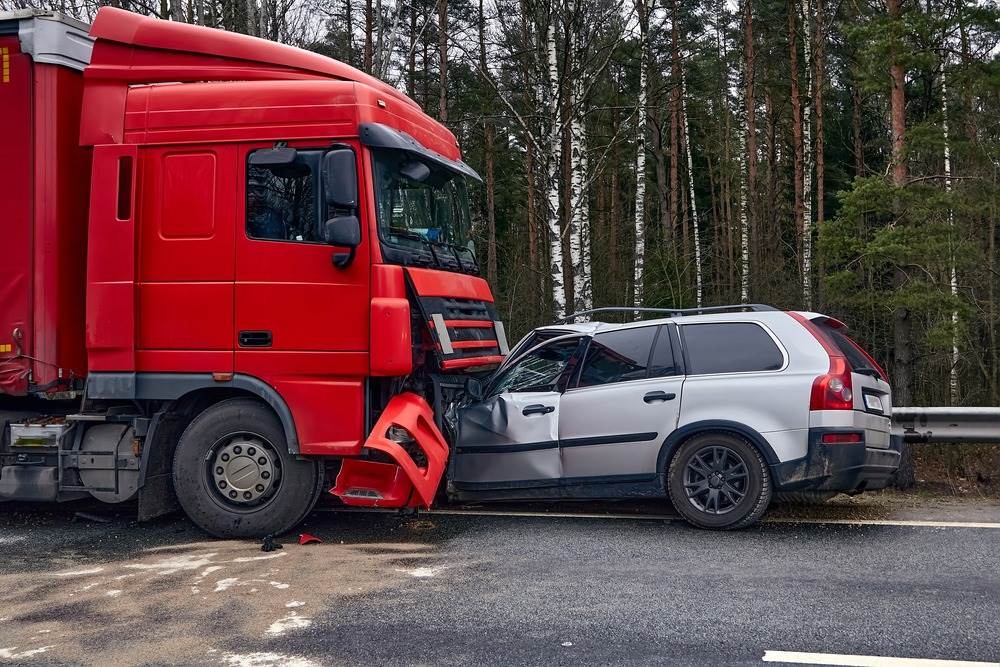
Liability in truck crashes is typically not the sole responsibility of drivers. In accordance with whatever caused the accident, a handful of parties might be liable in the eyes of the law:
- Arguably, the trucking company or their agents in charge of safe-keeping the trucks would bear responsibility if they had not adequately trained drivers, had not maintained faulty vehicles, or had coerced drivers into violating hours-of-service regulations.
- The owner of the truck, supposing it was operated by an old-time company.
- The cargo loading company would definitely be responsible should the improperly loaded cargo shift and thereby cause the wreck.
- The manufacturer of the truck or supply company might be quite liable for auto defects and inherent faults to a mechanical fault, which are very common in colossal motor vehicles.
- The maintenance company could be held liable if the defect in question was brought to its notice.
In particular, having several forces in the frame of this collision means the pattern of multiple insurance policies absorbing the claim by increasing tiers of total compensation.
What Actually Determines the Value of a Truck Accident Claim
The value of a truck accident claim mainly depends on the severity of the injuries, how clearly liability can be proven, and the amount of insurance coverage available. Cases involving catastrophic injuries, obvious negligence, and large commercial insurance policies often result in higher settlements. Lower settlements are more common when liability is disputed or insurance coverage is limited.
Truck accident cases also depend heavily on fast evidence collection. Important evidence such as black box data, CCTV footage, and driver logs can disappear or be overwritten within a short time.
Trucking companies and insurers often begin building their defense immediately after the crash, which can affect what evidence remains available and how damages are calculated. Acting quickly to preserve records and notify the responsible parties can make a major difference in the outcome of the claim.