

Planning a wedding sounds exciting until the tabs start multiplying, family opinions roll in, and every small decision suddenly feels important. One minute you are casually browsing venue ideas, the next you are comparing linen colors at midnight. Most couples go through that same moment of panic.
The good news is that wedding planning becomes much easier when everything is organized in stages instead of tackled all at once.
A clear timeline, realistic expectations, and smart prioritizing can save you from unnecessary stress. Professional planners often recommend building the wedding around a few non-negotiable priorities first, rather than trying to perfect every tiny detail.
Start With The Big Picture First
Before booking vendors or buying decorations, take time to talk honestly about the kind of wedding you actually want. Some couples get so caught up in trends that they forget the day should reflect them.
Start with three basic conversations:
- What matters most to both of you
- How large the wedding should realistically be
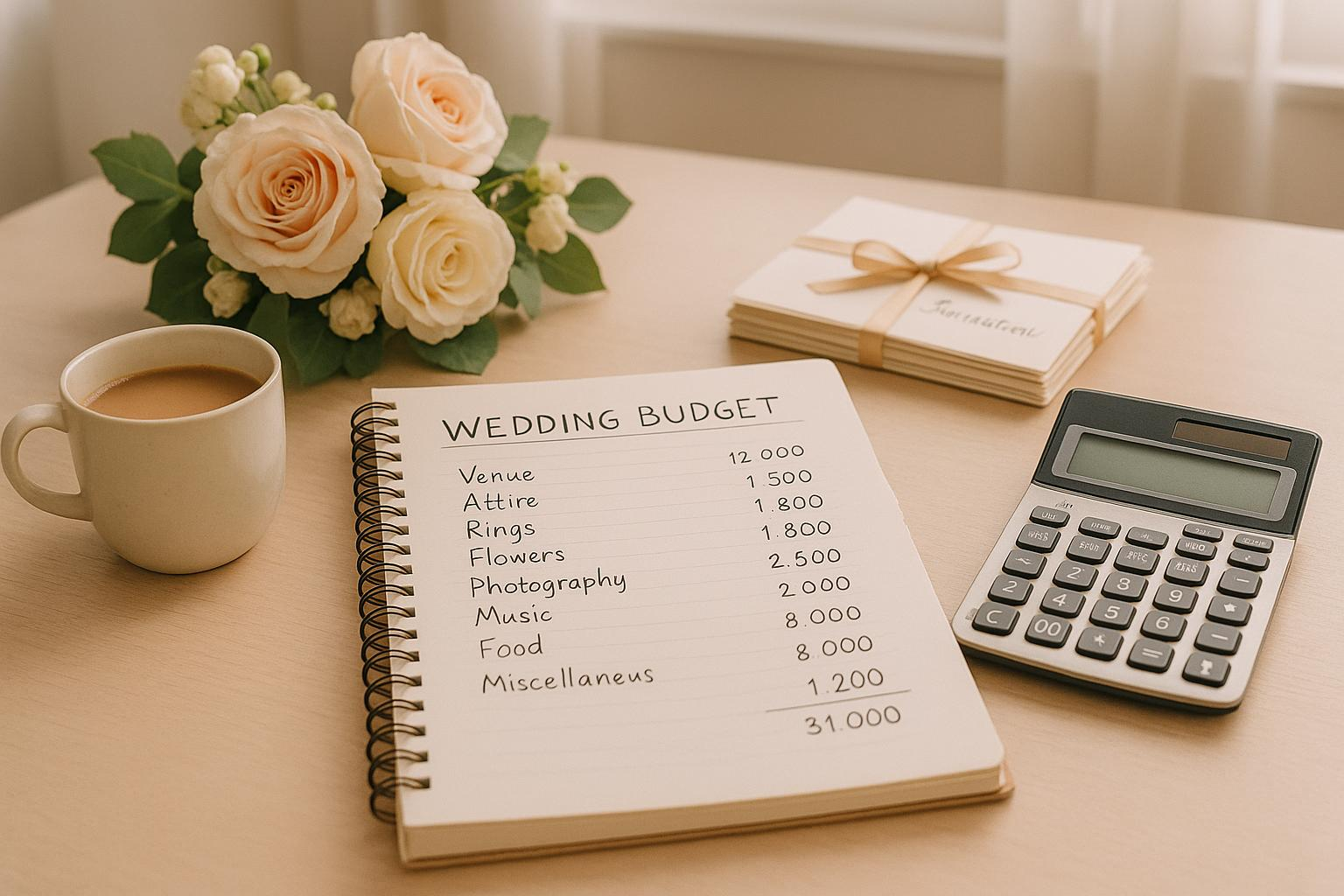
- What budget feels comfortable without financial regret later
Guest count influences nearly every expense, especially the venue and catering. Wedding experts consistently recommend locking down budget and guest numbers early because they shape the rest of the planning process.
A simple spreadsheet can help more than expensive planning apps. Track deposits, deadlines, RSVPs, and vendor contacts in one place. Keeping information centralized avoids those stressful “Where did we save that contract?” moments later.
Book Your Venue And Main Vendors Early
Once you have your wedding date and estimated guest count, move quickly on the major bookings. Popular venues and photographers can disappear over a year in advance, especially during peak wedding season.
Many couples underestimate how much atmosphere comes from entertainment and guest experience. That is why interactive details have become such a big part of modern receptions. Natural and fun photo booth rental Niagara couples often choose, can keep guests engaged between formal moments and create candid memories that traditional photography sometimes misses.
Here is a quick look at the vendors most couples prioritize first:
| Vendor | Recommended Booking Time |
| Venue | 10 to 14 months before |
| Photographer | 9 to 12 months before |
| Caterer | 8 to 10 months before |
| DJ or Band | 8 to 10 months before |
| Florist | 6 to 8 months before |
Having these core pieces secured early makes the rest of the process feel much calmer.
Build A Realistic Wedding Timeline
One of the biggest wedding planning mistakes is trying to do everything at once. Breaking the process into smaller monthly goals keeps the workload manageable. Wedding planners frequently recommend tackling tasks in stages instead of treating the entire wedding like one giant project.
A balanced planning timeline usually looks something like this:
- 12 months before, book venue and major vendors
- 8 months before, finalize guest list and send save the dates
- 6 months before, order attire and invitations
- 3 months before, confirm menu and seating plans
- Final month, focus only on confirmations and finishing details
Important note: Couples who create a detailed wedding timeline earlier usually report lower stress levels during the final weeks before the ceremony.
Trying to plan every detail in the final month often leads to rushed decisions and unnecessary arguments.
Keep The Guest Experience In Mind
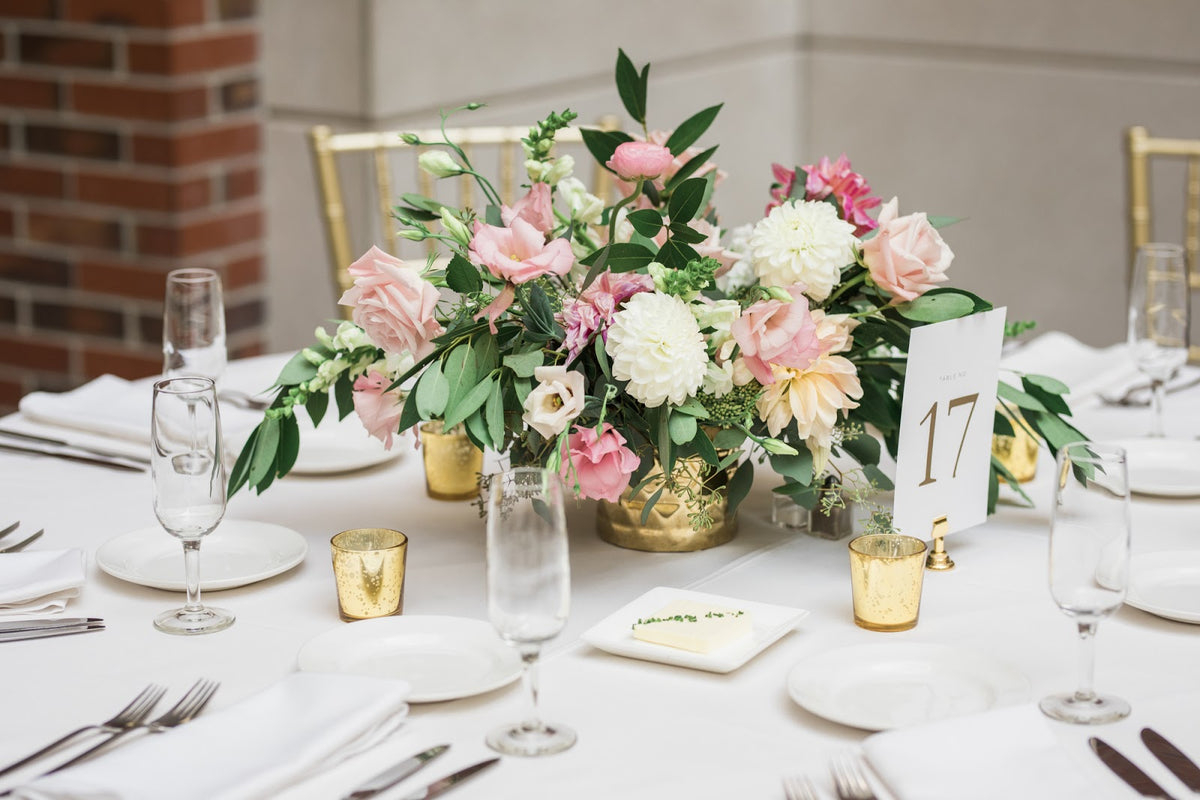
Guests may not remember the exact flower arrangements, but they absolutely remember how the wedding felt. Comfortable seating, smooth timing, good food, and clear communication matter more than ultra expensive details.
One common mistake is overpacking the schedule. A wedding day that moves too quickly can feel exhausting for everyone involved. Leave space between key moments so guests can actually enjoy themselves.
A few thoughtful touches can make a huge difference:
- Welcome drinks during cocktail hour
- Clear signage around the venue
- Transportation details shared in advance
- Comfortable seating for older guests
- Simple wedding website with updated information
Wedding etiquette experts also recommend being clear about dress codes, plus ones, and child attendance early to avoid awkward misunderstandings later.
Did You Know?
According to multiple wedding industry reports, the average couple spends more money correcting last minute problems than they do on early organization tools or planning support.
Proper scheduling often saves money indirectly by reducing rushed decisions and unexpected fees.
Avoid Decision Fatigue During Planning

After a few months, wedding planning can start feeling mentally exhausting. Every week brings another choice, another opinion, and another email thread.
One of the smartest things couples can do is simplify smaller decisions wherever possible. Not every detail deserves hours of debate.
Wedding professionals often suggest limiting vendor interviews and narrowing inspiration sources to avoid becoming overwhelmed.
Instead of endlessly comparing options, create simple categories:
- Must have
- Nice to have
- Not important
That system makes budgeting much easier too. If photography matters deeply to you but elaborate centerpieces do not, shift spending toward what truly matters.
It also helps to stop consuming endless wedding content online. Too much inspiration can actually make couples less confident in their own choices.
Prepare For The Final Month Properly
The final few weeks should focus on confirming details, not making major changes. Couples who leave big decisions too late often create avoidable stress for themselves and their vendors.
Around one month before the wedding, shift into coordination mode instead of creative planning.
Important final tasks usually include:
- Confirming vendor arrival times
- Finalizing seating charts
- Completing final dress fittings
- Organizing payment envelopes
- Preparing emergency supplies
- Sharing the timeline with the wedding party
Wedding experts strongly recommend creating a detailed day of schedule covering everything from hair appointments to reception entrances.
A small emergency kit is also surprisingly useful. Items like stain remover, tissues, safety pins, pain relievers, and phone chargers solve more problems than people expect.
Let Go Of Perfection On The Wedding Day
At some point, every couple realizes that no wedding unfolds exactly as imagined. Maybe the weather changes, somebody runs late, or the flowers arrive slightly different than expected. Guests rarely notice those things unless the couple visibly stresses about them.
The most memorable weddings usually feel relaxed and personal rather than perfectly staged.
Trust the planning work you already did. Delegate small responsibilities to trusted friends, family members, or coordinators so you are not solving problems throughout the day. Many planners recommend assigning someone else to handle vendor questions entirely once the celebration starts.
Most importantly, stay present. The day moves quickly. Couples often spend months organizing one celebration only to realize afterward how fast it all passed. Enjoy the conversations, the laughter, the unexpected moments, and the people who showed up to celebrate with you.