


Does it ever feel like anxiety and drinking are feeding each other?
You are not alone. Mental health issues and drug use overlap way more than you might realize. In fact, in 2024 alone, 21.2 million adults experienced both mental illness and a substance use disorder.
Here’s the problem:
Most people receive treatment for only one side of it. And when you only treat half the problem…
The other half keeps pulling you back.
Learn here about co-occurring disorders, their causes, and how medication assisted treatment can treat both conditions simultaneously.
Let’s jump in!
Inside this guide:
- What Are Co-Occurring Disorders?
- How Medication Assisted Treatment Fits In
- Why Do Mental Health and Substance Use Overlap?
- Warning Signs To Watch Out For
- Getting The Right Kind Of Help
What Are Co-Occurring Disorders?

A co-occurring disorder, also known as dual diagnosis, is when someone suffers from both a mental illness and a substance use disorder simultaneously.
The two conditions do not merely coexist. They interact with each other. One can exacerbate the other and make it more difficult to treat.
And the statistics are staggering. Nearly 48.4 million people in the U.S. age 12 or older had a substance use disorder in 2024. Additionally, 61.5 million adults suffered from a mental illness.
That is a lot of overlap.
How Medication Assisted Treatment Fits In.
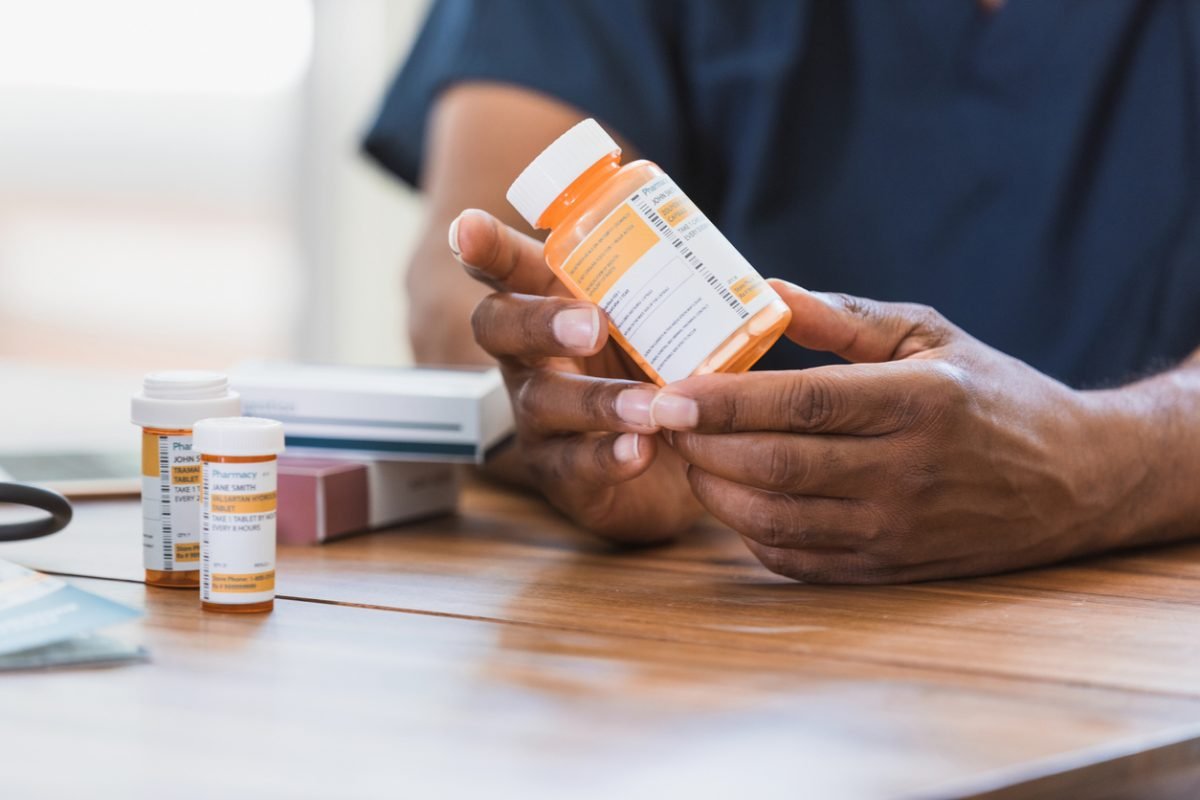
Medication assisted treatment MAT involves using FDA approved medications in combination with counseling and behavioral therapy. MAT is one of the most effective ways to treat opioid use disorder and alcohol use disorder.
Explanation: Treatment medications such as buprenorphine, methadone and naltrexone suppress cravings and withdrawal. This buys the brain some time. With the physical urge diminished, folks can finally work on counseling and psychological recovery.
Medication assisted treatment can be life altering for someone struggling with dual diagnosis because it can be impossible to heal from trauma or depression while being controlled with cravings. Learn how a recovery program combines medication-assisted treatment with mental health services at https://lanierrecoverycenter.com/.
But here’s the catch…
MAT remains grossly underutilized. Only 18% of people with opioid use disorder received medication for their condition in 2023. That means most people are being denied access to a lifesaving tool.
Why Do Mental Health and Substance Use Overlap?
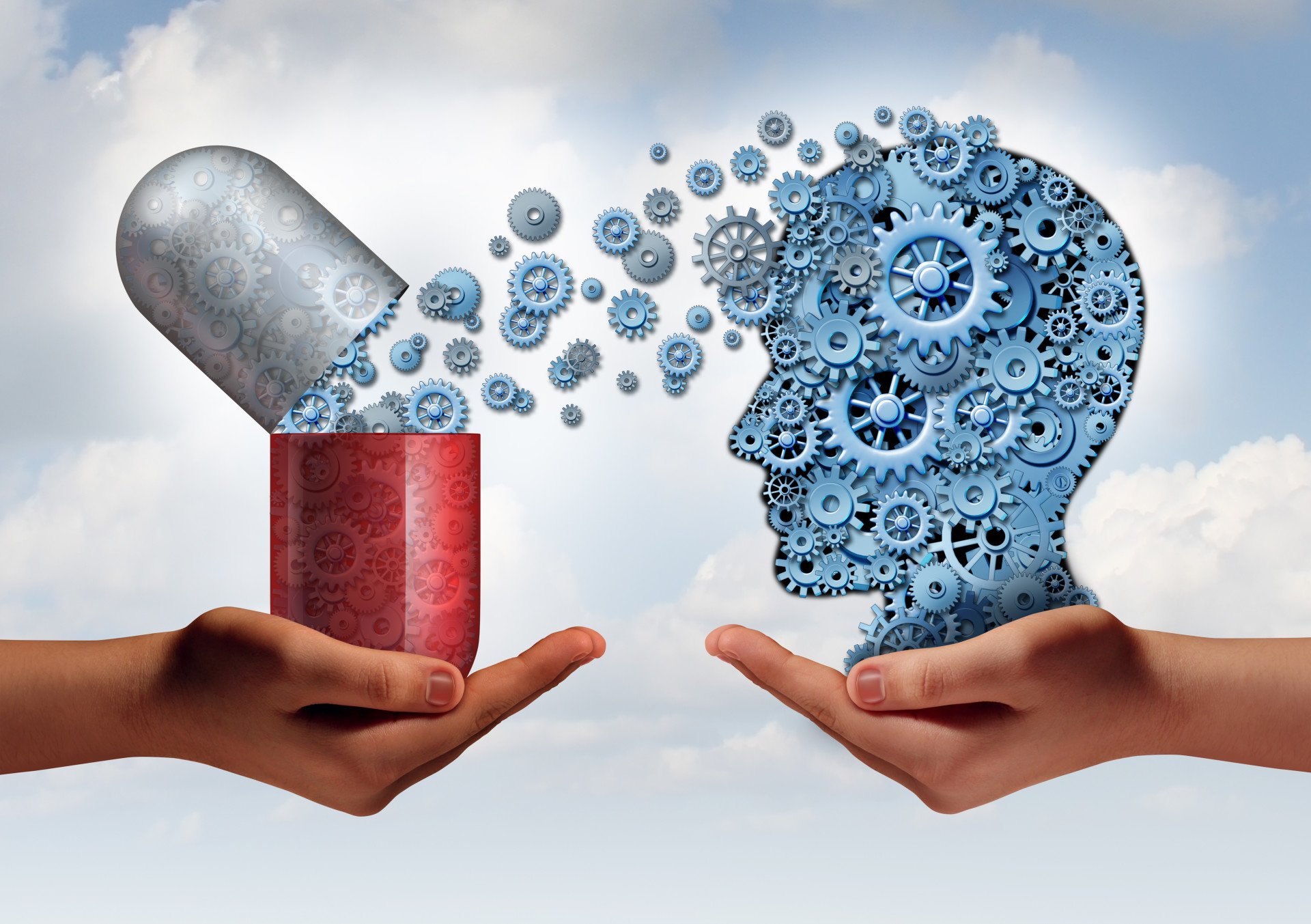
There isn’t just one reason. But there are several big ones that keep popping up.
Certain pairings are seen more frequently than others. Depression and alcohol use commonly co-occur. PTSD and opioid use often co-occur as well. Anxiety frequently co-occurs with prescription sedative misuse. Bipolar disorder frequently co-occurs with stimulant use.
Self-Medication
This is the big one.
Some folks use alcohol or drugs to mask emotions they don’t know how to feel. A drink to relax the nerves. A pill to dull those memories that cause you pain. It can seem like it helps….
But over time, it makes the original problem worse.
Shared Risk Factors
Mental health conditions and addiction often grow from the same roots. Things like:
- Genetics
- Trauma (especially in childhood)
- Chronic stress
- Brain chemistry
If someone has these risk factors they are likely to develop both conditions rather than one.
Substance Use Changes The Brain
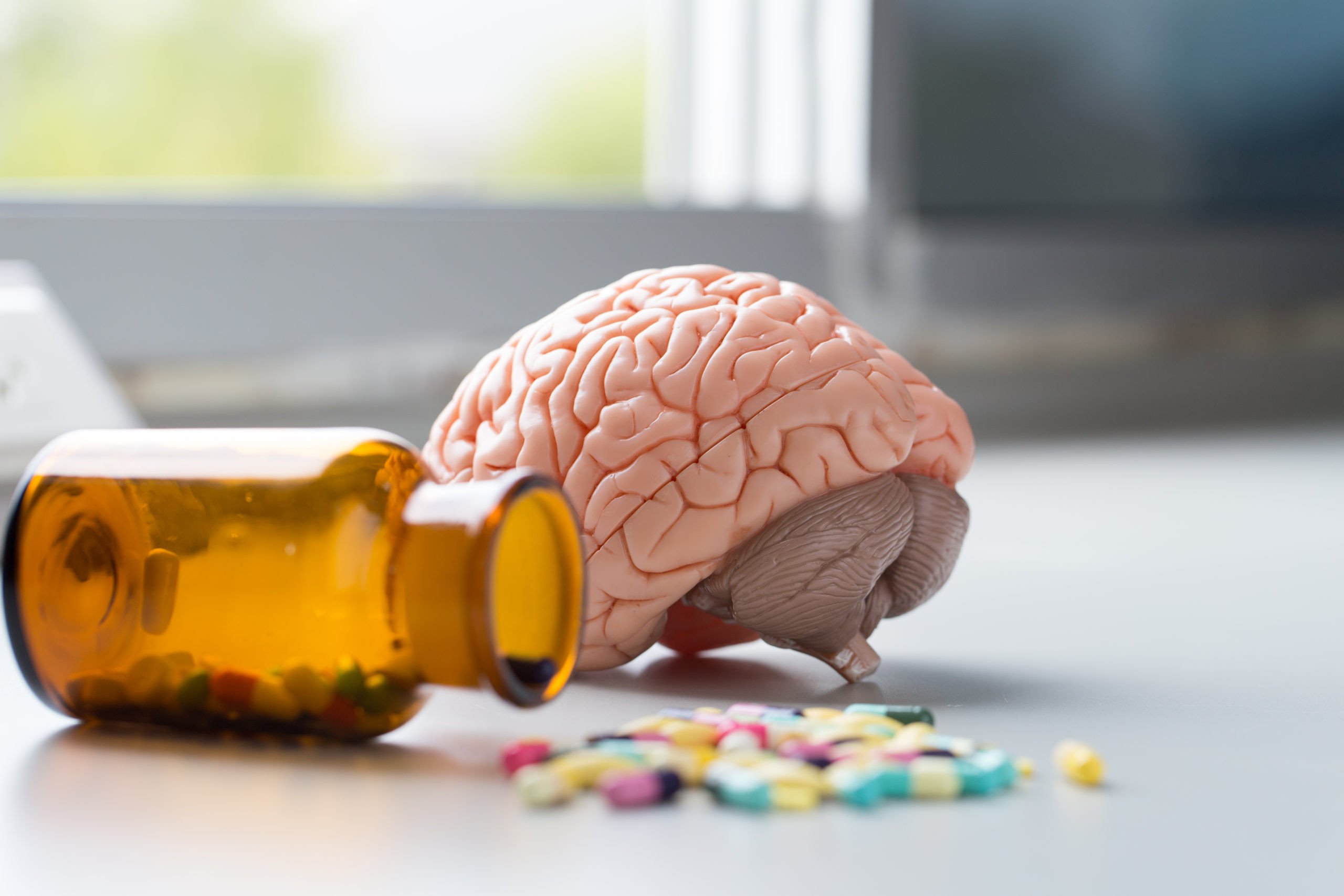
It also works the other way around.
Chronic drug use alters brain reward circuitry and how the brain responds to stress, mood, and reward. This can cause someone to experience mood disorders like anxiety, depression, or psychosis.
The connection is clear. According to federal statistics, illicit drug use is three times greater among adults who experience serious mental illness when compared to adults with no mental illness.
Warning Signs To Watch Out For
Dual diagnosis can be difficult to detect. Symptoms of one disorder can mask the other.
Keep an eye out for these signs:
- Using alcohol or drugs to “feel normal”
- Mood swings that get worse when using
- Pulling away from friends and family
- Needing more of a substance to get the same effect
- Feeling hopeless, even during sober periods
Having one or two of these is not an indication of dual diagnosis. However, if many of these occur at the same time, it’s best to speak with your doctor or mental health professional.
Disclaimer: If you or someone you care about is in crisis, please call or text 988 in the US to contact the Suicide & Crisis Lifeline.
Why Treating Both Conditions Matters

Here’s something most people don’t realise…
Addressing just one issue seldom works. Treat the addiction and neglect the depression and the depression will cause a relapse. Treat the anxiety and neglect the drinking and the drinking will sabotage all that work.
That’s why doctors suggest combined treatment. One group of caregivers treats both issues together with a unified plan.
Unfortunately many people never receive this type of seamless care. Many suffer fragmented care, hopping from service to disconnected service.
Good integrated treatment often includes:
- Medication assisted treatment for cravings and withdrawal
- Therapy such as CBT or DBT
- Medication for mental health symptoms
- Peer support groups
- A relapse prevention plan
Getting The Right Kind Of Help

Searching for the perfect program can seem daunting. Just ask yourself these easy questions.
Before choosing a program, ask:
- Do you treat mental health and substance use together?
- Do you offer medication assisted treatment?
- Is your staff trained in dual diagnosis care?
- What does aftercare look like?
Look closely at the answers. If they cannot answer these succinctly they are probably not for you.
…and remember, recovery isn’t linear. There will be bumps in the road. What’s important is you get back on track with good people around you.
The Bottom Line On Dual Diagnosis
Co-occurring disorders are common, complicated and completely treatable. Because mental health issues and substance use fuel each other, you’ll see the best results when treating both together.
To quickly recap:
- Co-occurring disorders affect millions of adults
- Self-medication and shared risk factors drive the overlap
- Medication assisted treatment calms cravings so therapy can work
- Integrated care gives people the best shot at lasting recovery
See the signs in yourself or your loved one? Don’t wait. Contact a physician or treatment provider today. Recovery for your mind and body can happen.