


Importing a Land Rover from the UK can give you access to a wider selection of vehicles, specifications, and models that may be difficult to find in your local market. However, purchasing a vehicle overseas involves more than comparing prices and arranging international shipping.
To import a Land Rover successfully, you need to confirm that the vehicle meets your country’s regulations, verify its condition and ownership, understand the total import costs, and prepare the documentation required for customs clearance and registration.
Whether you’re considering a Land Rover Defender, Discovery, or Range Rover, the following six steps explain how to import a Land Rover from the UK while reducing the risk of unexpected expenses, paperwork problems, and shipping delays.
1. Confirm destination eligibility before shopping
Before searching for a Land Rover in the UK, establish whether the vehicle can legally be imported and registered in your destination country.
Import regulations vary by country, and a vehicle that meets UK road standards may not automatically satisfy local safety, emissions, or technical requirements.
Contact the destination country’s customs and vehicle registration authorities, or consult an experienced import agent. Confirm the applicable vehicle age limits, emissions standards, steering restrictions, and approval procedures.
Right-hand-drive vehicles deserve particular attention. Most UK-market Land Rovers have the steering wheel on the right, which may be inconvenient or subject to restrictions in countries where vehicles normally drive on the right side of the road.
Even when right-hand-drive imports are permitted, additional inspections or modifications may be required.
You should also establish whether the Land Rover will be imported permanently or used temporarily. These arrangements can involve different customs procedures and registration requirements.
Checking these conditions before paying a deposit helps avoid purchasing a vehicle that cannot be registered legally in your country.
2. Define the model and specification

Once you understand the import requirements, choose a Land Rover model that suits your intended use, budget, and local driving conditions.
The Land Rover range includes vehicles designed for different purposes. A Defender may appeal to buyers who prioritize off-road capability, while a Discovery can be attractive to drivers looking for family practicality and versatile seating arrangements. Range Rover models place greater emphasis on luxury and comfort.
However, model names alone are not enough to determine whether a particular vehicle is suitable.
Review the engine, transmission, fuel type, steering position, equipment, towing capacity, and seating configuration of each vehicle you’re considering.
Pay particular attention to its dimensions and everyday practicality. A larger model might offer more interior space but be less convenient for narrow streets, parking garages, or restricted urban areas.
Local servicing is another important consideration. Confirm that workshops in your destination country can maintain the chosen engine and obtain the necessary replacement parts.
For plug-in hybrid or fully electric models, investigate charging compatibility, infrastructure availability, and the local availability of specialized service support.
A Land Rover with an unusual specification may look attractive on paper, but it can become expensive to maintain if compatible parts and qualified technicians are difficult to find.
3. Assess the supplier and the specific vehicle
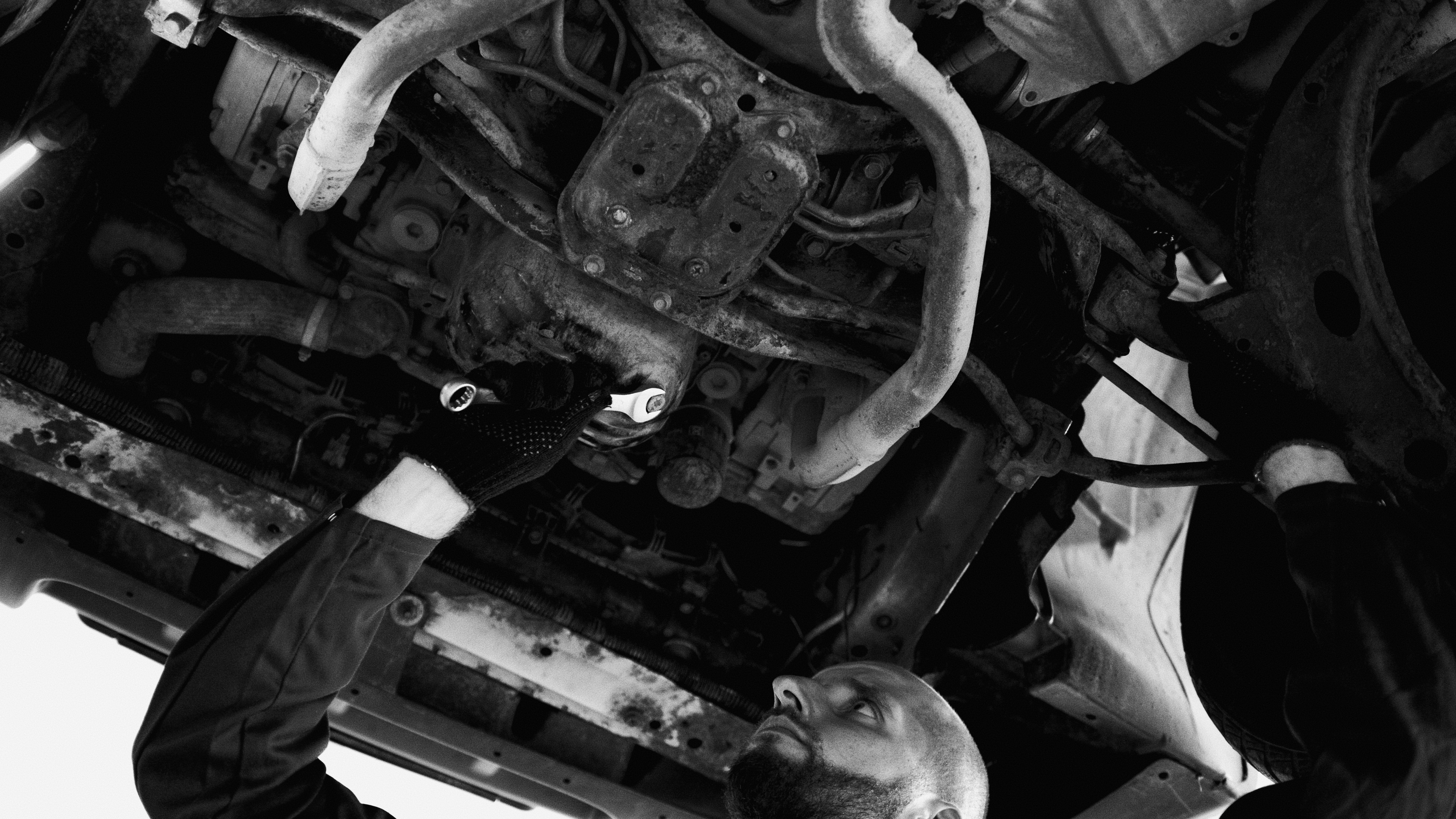
Compare exporters on their written scope of work, not just the advertised vehicle price. The Land Rover export page at importmarques.com is one starting point for exploring sourcing options. Ask any prospective supplier which parts of the purchase, inspection, export, and transport process its quotation covers.
Confirm the business identity and payment details independently. Clarify whether the exporter owns the car or is arranging a purchase from another seller, and who will be named on the agreement and invoice.
For an identified vehicle, request the VIN, build specification, registration details, service history, and available ownership records. Compare the VIN across the documents and vehicle. Arrange an independent inspection appropriate to its age and condition, with attention to diagnostic faults, accident repairs, underbody condition, tires, and fitted equipment. Photos and video help, but do not replace that assessment.
4. Agree on price, responsibilities, and documents
The advertised purchase price is only one part of the total cost of importing a Land Rover from the UK.
Before making a payment, request a written quotation that clearly separates the vehicle price from inspection fees, export administration, international transportation, insurance, destination customs duties, taxes, and registration expenses.
Import duties and taxes depend on the destination country, the vehicle’s characteristics, its customs value, and any applicable trade arrangements. Avoid relying on estimates intended for a different market.
UK VAT also requires attention. Certain vehicle exports may qualify for zero rating when the relevant conditions and export evidence requirements are satisfied. However, vehicles sold under the UK’s second-hand margin scheme cannot be zero-rated as exports under that scheme.
Request written clarification of the VAT treatment before finalizing the purchase.
Documents needed to import a Land Rover from the UK
The exact documentation depends on the destination, but the following table covers the records commonly involved in purchasing, exporting, shipping, and registering a vehicle.
For permanent exports, the UK’s Driver and Vehicle Licensing Agency (DVLA) requires the appropriate notification. When buying a UK-registered vehicle for registration abroad, the seller should provide the remaining V5C registration document after completing the permanent-export procedure.
Before shipment, ask your destination agent whether any additional certificates, official translations, or original documents are necessary.
Keep digital copies of the complete purchase and shipping file, while ensuring that required originals remain available for customs clearance and registration.
5. Book transport and review insurance
Once the vehicle purchase and export documentation are arranged, the next step is choosing a suitable shipping method.
The available options depend on the departure location, destination, shipping route, and type of vehicle.
Two methods commonly considered for international vehicle transport are roll-on/roll-off (RoRo) shipping and container shipping.
With RoRo transport, a vehicle is driven onto a specialized vessel and secured for the journey. Container shipping involves securing the vehicle inside a shipping container.
Neither option is automatically the cheapest or most suitable. Compare quotations based on the actual route, shipment arrangements, vehicle dimensions, and level of handling involved.
Ask the transport provider about collection arrangements, loading procedures, estimated transit schedules, unloading, and delivery responsibilities.
Pay particular attention to what the shipping quotation includes.
For example, a CIF quotation, meaning Cost, Insurance and Freight, includes the seller arranging freight and insurance to a named destination port. However, it does not automatically include customs duties, local registration, or delivery to your home.
Under CIF Incoterms, transit risk generally transfers when the goods are loaded aboard the vessel at the departure port, rather than when they arrive at the destination. The required insurance also provides only minimum coverage unless greater protection is agreed.
Before booking, review the insurance policy for coverage limits, exclusions, deductibles, and damage claims procedures.
Arrange a condition report and photographs before collection. These records can help establish whether any damage occurred during transportation.
Finally, confirm the expected arrival procedures and potential storage charges. Port delays or incomplete documentation can create additional expenses even when the shipping itself proceeds as planned.
6. Coordinate clearance, registration, and collection
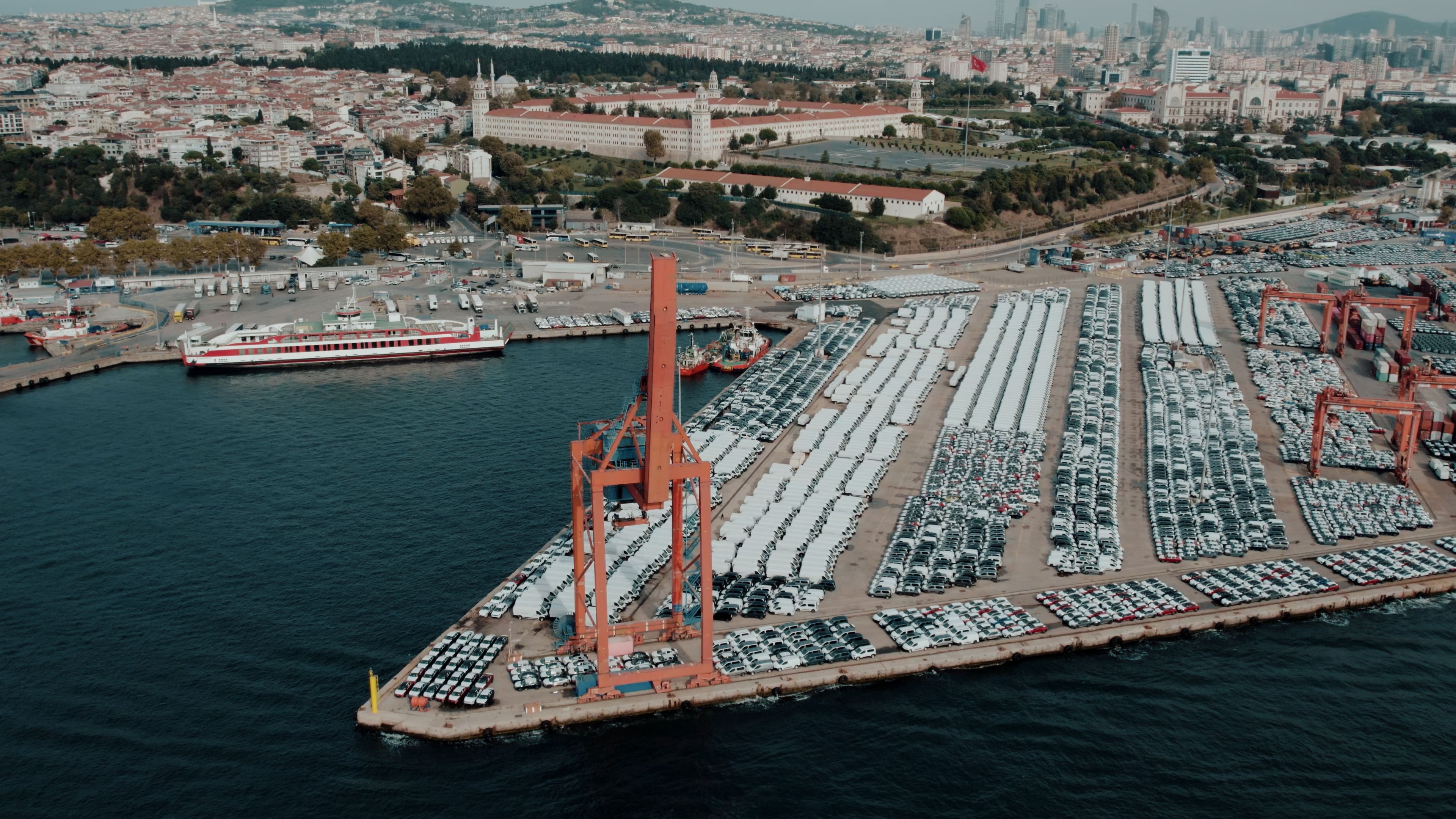
When your Land Rover reaches its destination, it must complete the applicable customs and registration procedures before normal road use.
Work with your customs agent to prepare the import declaration, verify the vehicle’s customs value, and determine the duties and taxes payable.
Some countries require advance declarations or other documentation before the vehicle arrives. Confirm these deadlines early to avoid unnecessary clearance delays.
After customs release, the vehicle may still need to undergo technical inspections, emissions testing, or individual vehicle approval.
Customs clearance and road registration are separate processes. A vehicle that has been legally imported is not necessarily approved for driving on public roads.
Follow your destination country’s requirements for obtaining registration plates, road insurance, and any necessary vehicle modifications.
If the Land Rover cannot legally be driven immediately after collection, arrange transportation to an approved inspection facility, workshop, or storage location.
At handover, inspect the exterior, interior, wheels, and fitted equipment against the condition records prepared before shipment.
Report any damage or missing equipment promptly according to the transport provider’s claims procedure.
Retain the purchase invoice, shipping documentation, customs receipts, registration papers, and inspection reports. These records can help with future servicing, insurance claims, and resale.
Frequently Asked Questions About Importing a Land Rover
Is it cheaper to import a Land Rover from the UK?
Importing can sometimes be less expensive than purchasing an equivalent vehicle locally, particularly when the UK market offers a more competitive purchase price. However, shipping, insurance, customs duties, taxes, inspections, and registration expenses can reduce or eliminate those savings. Compare the complete landed and registered cost before buying.
Can I import a right-hand-drive Land Rover?
That depends on your destination country’s regulations. Some markets permit right-hand-drive vehicles, while others impose restrictions or require modifications and additional approval. Confirm eligibility with the relevant local authority before making a purchase.
How long does it take to import a Land Rover?
The timeline depends on vehicle availability, inspections, export documentation, transport routes, customs procedures, and registration requirements. Shipping estimates alone do not account for the entire import process. Ask the exporter and destination agent for separate estimates covering each stage.
Can I import a used Land Rover from the UK?
Yes, provided the particular vehicle meets the destination country’s import and registration requirements. Used vehicles require careful attention to service history, mechanical condition, ownership documentation, and the applicable tax treatment. An independent pre-purchase inspection is particularly valuable.
Final Thoughts
Importing a Land Rover from the UK becomes easier to manage when each stage is completed in the right order.
Start by confirming local eligibility and choosing a suitable model. Verify the supplier and vehicle, establish the full purchase and import costs, and prepare the necessary documents before organizing transportation.
Most importantly, calculate the total cost of getting the Land Rover legally registered and ready to drive, rather than focusing only on its UK selling price.
With careful planning, independent verification, and clear responsibilities between the seller, shipping company, and import agent, you can reduce the risk of expensive surprises and make a more informed international vehicle purchase.