

Most safety conversations in small and mid-sized companies focus on the obvious dangers: forklifts, ladders, and sharp blades. Those risks matter, but they tend to crowd out hazards that do quieter and often more expensive damage over time. Injuries that build slowly, illnesses that never get traced back to the job, and conditions employees stop reporting are the ones owners most often miss.
The list below covers ten workplace hazards that are easy to underestimate. For each one, you will find what it looks like on the ground, why it tends to slip past management, and what a practical control looks like. A quick reference table near the end summarizes everything so you can share it with supervisors.
Table of Contents
- Ergonomic Strain from Repetitive and Awkward Tasks
- Heat Stress Indoors and Outdoors
- Slips, Trips, and Falls from Housekeeping Gaps
- Electrical Hazards Beyond the Breaker Panel
- Noise Exposure and Hearing Loss
- Poor Indoor Air Quality and Ventilation
- Chemical Exposure in Storage and Cleaning
- Combustible Dust Buildup
- Psychosocial Stress and Fatigue
- Missing Machine Guards and Misused Protective Equipment
- Quick Reference: Hazards at a Glance
1. Ergonomic Strain from Repetitive and Awkward Tasks

Ergonomic strain is probably the most underrated hazard in offices and warehouses alike. Musculoskeletal disorders (MSDs) develop when tasks demand repeated force, awkward postures, or long periods in one position. The Centers for Disease Control and Prevention describes ergonomics as designing work to fit the capabilities of the people doing it, and it links these disorders to lifting, pushing, pulling, and repetitive motion. Owners often miss the problem because symptoms arrive gradually. A sore wrist in month three rarely gets reported as a workplace issue.
Common warning signs include:
- Keyboards and mice placed too far from the body
- Monitors set below eye level, which pushes workers into constant neck flexion
- Heavy or awkwardly shaped loads lifted by hand without mechanical aids
- Storage that forces staff to reach overhead for routine items
Start with the cheapest fixes: adjust workstations, rotate tasks where possible, and add lift assists for repeated heavy handling. The NIOSH ergonomics guidance from the CDC is a solid reference for building a simple program around these steps.
2. Heat Stress Indoors and Outdoors
Heat is not only a summer problem for roofers and road crews. Commercial kitchens, laundries, foundries, and poorly ventilated storage rooms can push body temperatures up even when the weather outside is mild. OSHA states that heat-related illness is preventable, and its core protections are water, rest, shade, and acclimatization. The agency also notes that heat stress can degrade fine motor performance, which means mistakes and accidents become more likely before a worker feels seriously unwell.
Two groups are often overlooked:
- New, temporary, and returning workers, who need a gradual build-up of exposure
- Supervisors, who may not recognize early symptoms such as headache, dizziness, or unusual thirst
A practical plan includes a written heat procedure, scheduled rest breaks, and access to cool drinking water. For guidance on building that plan, see OSHA’s heat resources for employers and workers.
3. Slips, Trips, and Falls from Housekeeping Gaps
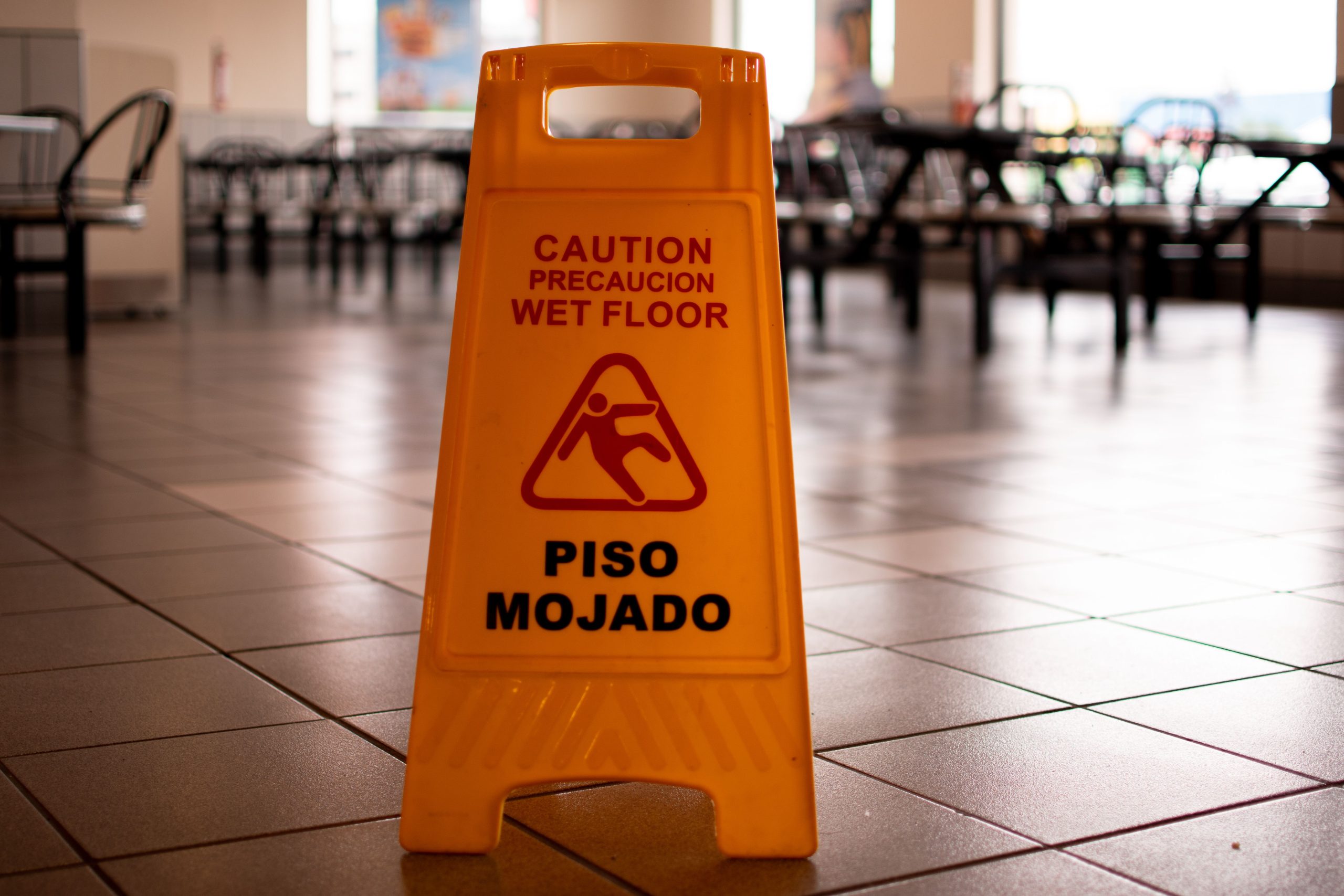
Slips and trips rarely make headlines, yet they remain one of the most common causes of workplace injury. The hazard is usually not dramatic. It is an extension cord across a walkway, a mat that has curled at the edges, or a spill that stayed on the floor for an hour because nobody was sure whose job it was to clean it up. These small conditions add up, particularly in busy entrances, break rooms, and storage aisles.
Look for these recurring issues during routine walkthroughs:
- Cords and hoses running across walkways
- Wet floors without visible signage or a clear cleanup procedure
- Stock or pallets blocking aisles and exits
- Worn or missing anti-slip mats in areas that get wet
Assign clear housekeeping responsibilities, add spill kits near high-risk areas, and make reporting hazards a normal part of the workday.
4. Electrical Hazards Beyond the Breaker Panel
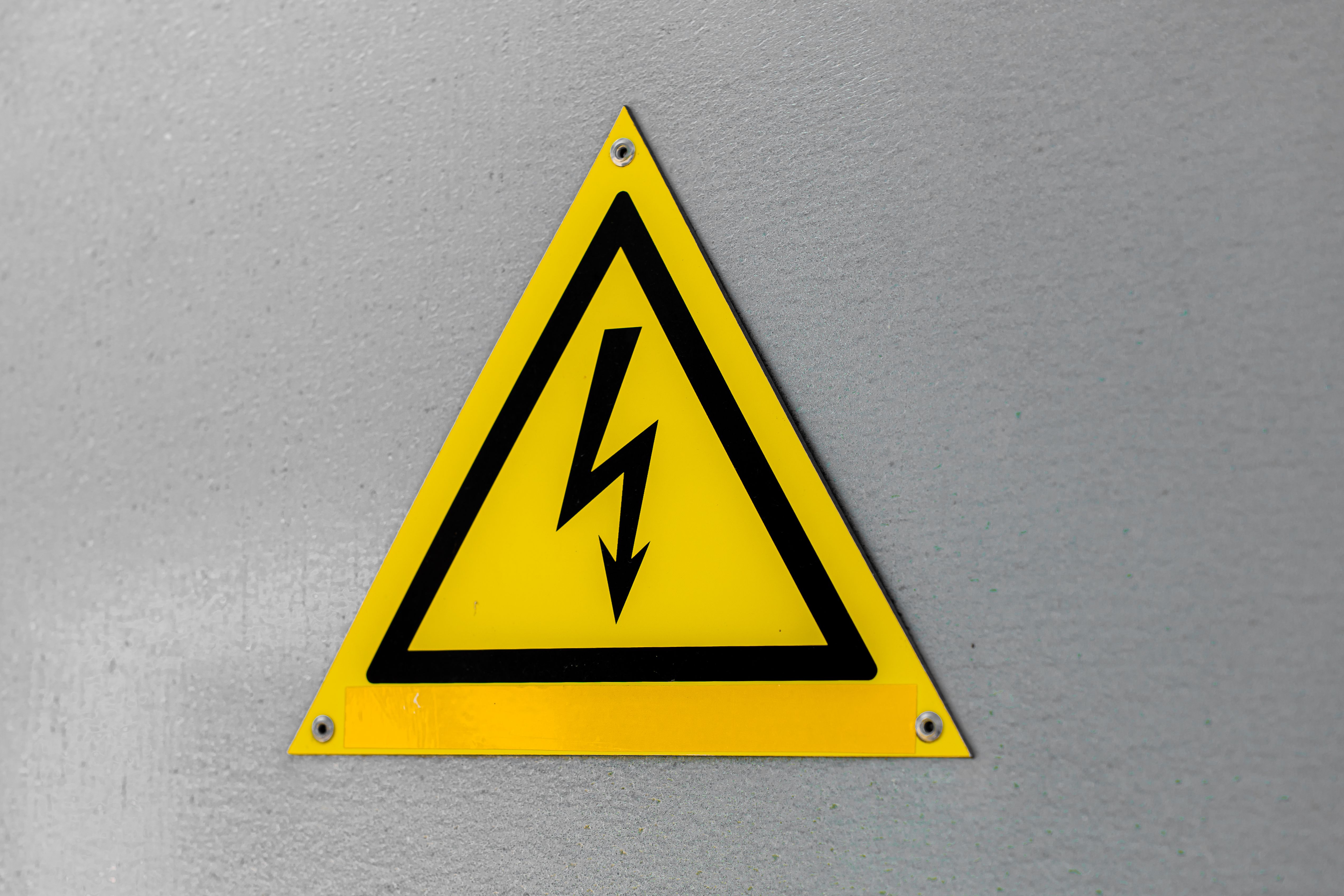
Many owners associate electrical risk with the electrician’s van and the main panel. In practice, most daily electrical exposure comes from equipment that employees plug in and forget about. Overloaded power strips, extension cords used as permanent wiring, personal space heaters, and damaged cord insulation are frequent culprits. Water near outlets without ground-fault protection creates another risk that often goes unchecked.
Practical steps include:
- Replacing extension cords used as permanent wiring with fixed outlets
- Banning daisy-chained power strips in equipment-heavy areas
- Installing ground-fault circuit interrupters (GFCIs) near water sources
- Using lockout/tagout procedures before any maintenance on energized equipment
5. Noise Exposure and Hearing Loss
Hearing loss is gradual, painless at first, and almost always permanent. That combination makes noise exposure easy to dismiss. Workshops, commercial kitchens, print shops, and facilities with compressors or ventilation fans can all exceed safe noise levels across a full shift. Employees often adapt by raising their voices or simply accepting that the area is loud, which masks how much exposure is actually happening.
A basic noise assessment, even a simple one using a calibrated meter or a professional survey, tells you which areas and tasks need attention. From there, you can prioritize engineering controls such as enclosures or maintenance on noisy equipment, then add hearing protection and audiometric testing where exposure remains high.
6. Poor Indoor Air Quality and Ventilation
Sealed buildings, undersized HVAC systems, and rooms used for printing, cleaning, or food prep can trap pollutants. Symptoms such as headaches, fatigue, eye irritation, and frequent sick days are often blamed on seasonal illness or stress, which means the building itself is rarely investigated. Dust, mold from water intrusion, and vapors from adhesives or cleaning products all contribute.
Ask these questions:
- When were the air filters last replaced, and are they the right rating?
- Do storage rooms and print areas have dedicated exhaust?
- Have complaints clustered in one zone of the building?
7. Chemical Exposure in Storage and Cleaning
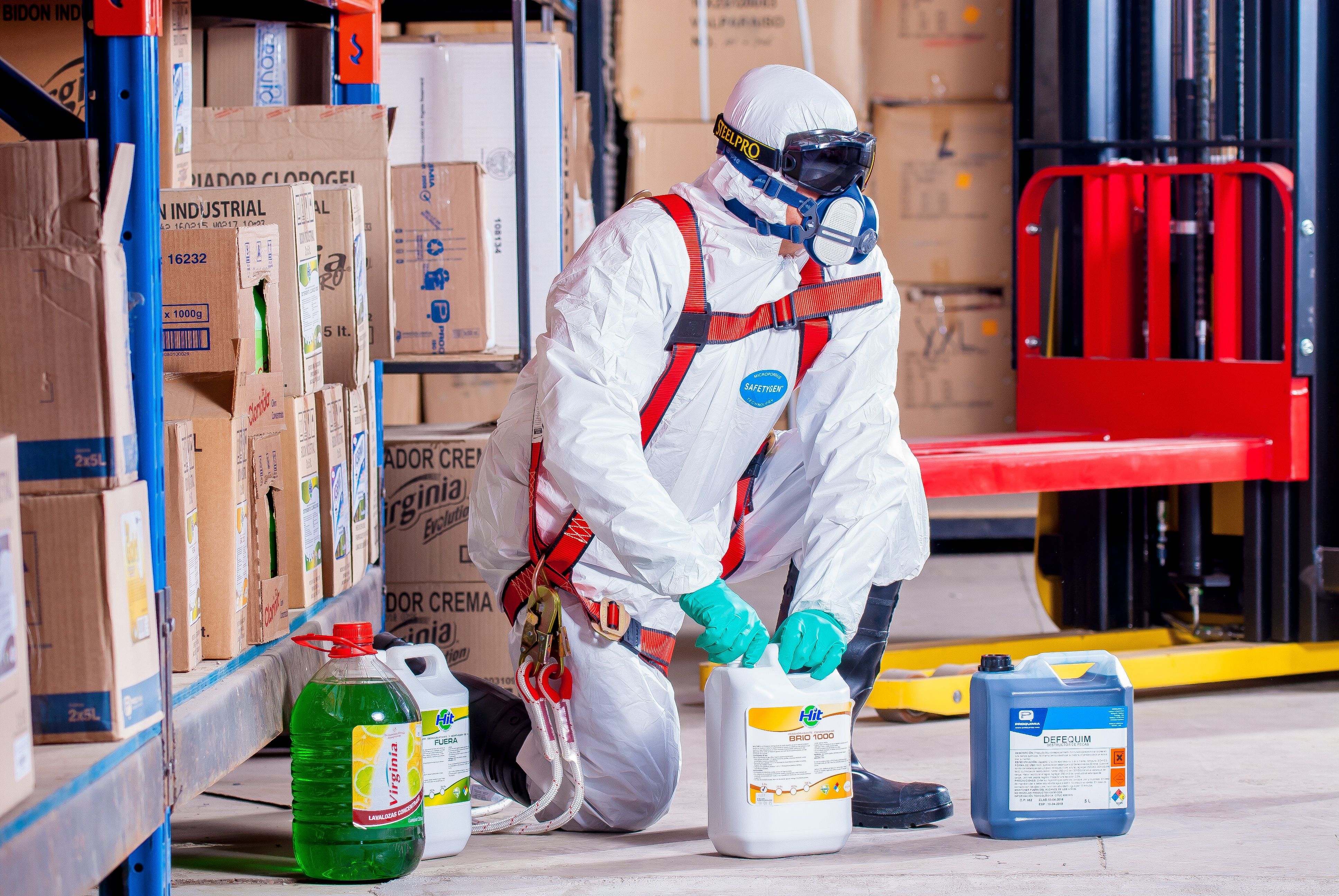
Chemical hazards are often limited in people’s minds to factory processes. Yet cleaning cabinets, paint storage, pool chemicals, and janitorial supplies are common sources of exposure in everyday businesses. The risk increases when containers are unlabeled, when staff decant products into unmarked bottles, or when two incompatible products are stored side by side.
Start by making sure every chemical has a current safety data sheet (SDS) that staff can access, and that containers are clearly labeled. Where ventilation and substitution cannot reduce airborne concentrations to safe levels, respiratory protection may be required. In some situations, a powered air-purifying respirator, or PAPR, is a practical option, but it must be selected based on the specific contaminant, a fit assessment, and training.
8. Combustible Dust Buildup
Combustible dust is one of the most dangerous hazards that owners tend to assume does not apply to them. Flour, sugar, wood, grain, plastics, and metal powders can ignite or explode when enough fine particles accumulate and meet an ignition source. Dust rarely looks like a problem until it coats ledges, ductwork, and overhead beams.
Warning signs include visible dust layers on surfaces, dust collectors that are overdue for inspection, and cleaning methods that spread particles into the air, such as dry sweeping or compressed air. Regular housekeeping with approved vacuums, proper dust collection, and control of ignition sources such as hot surfaces and electrical equipment form the core of prevention.
9. Psychosocial Stress and Fatigue
Mental strain is a workplace hazard, even though it does not appear on a floor plan. Chronic understaffing, unpredictable schedules, and long shifts can all increase the risk of errors and accidents. Fatigue is especially dangerous for workers operating vehicles or equipment, and it tends to be underreported because staff worry about how it will be perceived.
Consider the following:
- Review workloads when turnover or absences leave shifts short-staffed
- Build scheduled rest breaks into long shifts
- Offer confidential channels for reporting stress, harassment, or unsafe conditions
- Track near misses, since they often reveal fatigue patterns before an injury occurs
10. Missing Machine Guards and Misused Protective Equipment
Owners usually know that machines need guards and that workers need protective equipment. The overlooked part is what happens over time. Guards get removed to speed up a jam clearance and never go back on. Safety glasses sit in a drawer because they are uncomfortable. Gloves are issued in one size for everyone. Each small shortcut makes the next injury more likely.
Routine guard checks, fit-tested PPE in the right sizes, and short refresher training sessions help close these gaps. Ask workers which equipment is hard to use, because the answer often points directly to the shortcut that will cause the next incident.
Quick Reference: Hazards at a Glance
The table below summarizes the ten hazards, where they most often appear, and the controls that usually make the biggest difference.
Where to Start on Monday
You do not need a large budget to make real progress on these hazards. Pick two areas from this list that match your operation, walk through them with a few workers, and ask what they would change first. The people doing the work usually know which shortcuts, storage habits, and equipment quirks create the most risk. Turn those conversations into a short written list, assign an owner to each item, and review it at your next team meeting. Consistent attention to the quiet hazards is often what separates a workplace that has rarely had incidents from one that simply got lucky.