

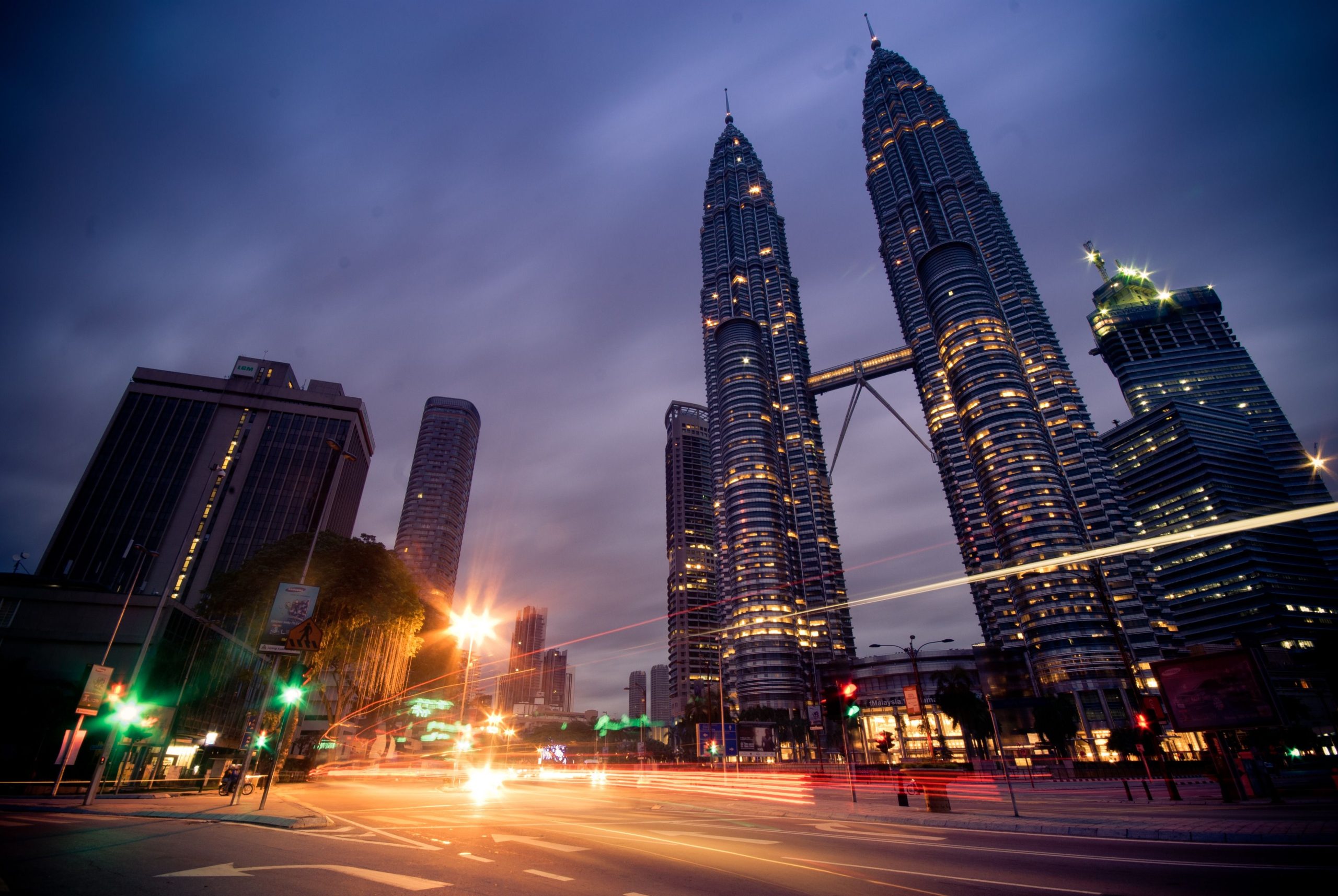
Malaysia rewards a first visit with striking contrasts: Kuala Lumpur’s high-rise skyline, George Town’s lived-in heritage streets, island beaches and the rainforests of Borneo. The hard part is not finding places to see. It is choosing a route that does not turn every other day into a transfer.
For a first trip, focus on Peninsular Malaysia: Kuala Lumpur, Penang and either Langkawi or Melaka. Add Sabah in Malaysian Borneo if you have extra time and want a distinctly different nature-focused leg. Malaysia is not a single compact loop, and trying to cover every region at once is a reliable way to see airports more than places.
Table of Contents
- Choose a route that fits your trip
- Kuala Lumpur, Batu Caves and Johor Bahru
- Penang: heritage streets and food
- Langkawi: slow down by the water
- Sabah: rainforest and Mount Kinabalu
- Before you go: entry, weather and transport
- Frequently Asked Questions
Choose a route that fits your trip
Use this as a decision table, not a checklist. The most satisfying first itinerary usually pairs one city with one heritage destination and one slower, outdoors-oriented stop.
| Destination | What it adds | Best fit for |
|---|---|---|
| Kuala Lumpur | Markets, museums, contemporary city life and Batu Caves nearby | A first landing point and a varied city base |
| George Town, Penang | Historic shophouses, religious sites, street art and a strong food culture | Walkable heritage and urban exploring |
| Langkawi | Beaches, island scenery and a more relaxed pace | A beach break after city days |
| Sabah | Highland landscapes, rainforest and access to Kinabalu Park | A separate nature-focused trip in Malaysian Borneo |
| Melaka | Historic streets and architecture shaped by Malay, Portuguese and Dutch periods | A history-led stop south of Kuala Lumpur |
The table is a planning shorthand, not a ranking. Tourism Malaysia’s transport guide lists domestic flights, rail, buses and ferries; which mode makes sense depends on the exact route and current schedules.
Kuala Lumpur, Batu Caves and Johor Bahru
Kuala Lumpur is a useful first base because it offers an easy introduction to Malaysia’s urban energy and a range of sights without requiring a long transfer. See the Petronas Twin Towers from the surrounding KLCC district, browse the Central Market area, and leave time for a meal in a neighborhood rather than spending every evening in a mall.
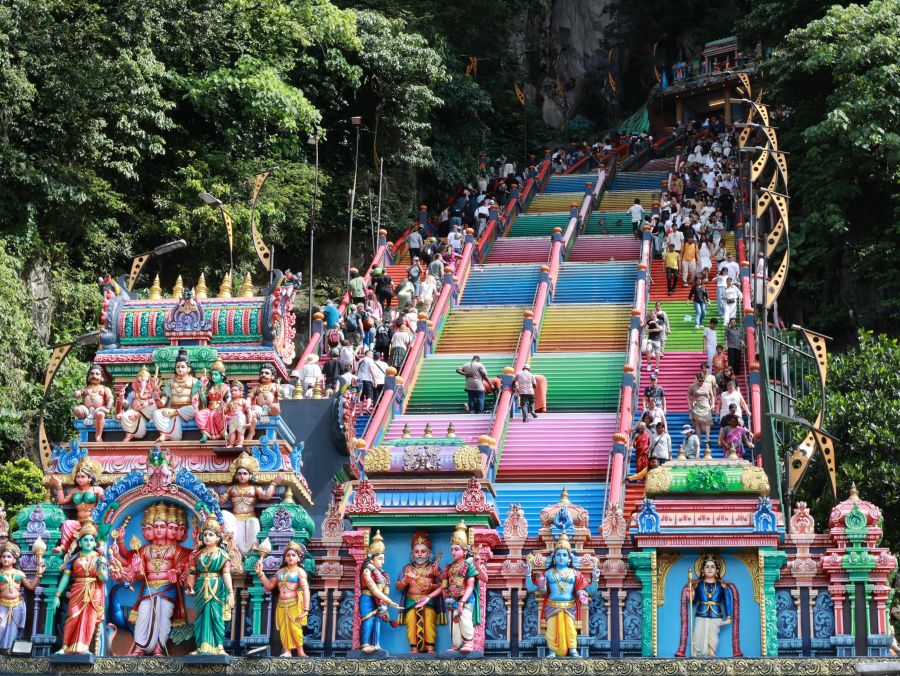
Set aside a half-day for Batu Caves, a Hindu temple complex north of the city known for its colorful staircase and limestone setting. It is an active place of worship as well as a major visitor attraction: dress respectfully, follow posted rules and avoid treating ceremonies as photo opportunities. Go earlier in the day if you prefer cooler temperatures and fewer crowds.
Johor Bahru is not an essential stop on every first visit; it makes more sense if you are arriving from Singapore, visiting southern Malaysia, or have a specific attraction there in mind. For adults researching after-dark options, third-party listings such as JB Escort Angels are not official visitor guidance; check applicable local laws and make your own informed safety decisions.
Penang: heritage streets and food
George Town is one of the strongest first-trip choices because its heritage is not confined to a museum. Shophouses, religious buildings, small businesses and street life share the same walkable blocks. UNESCO describes George Town and Melaka as historic trading cities shaped by centuries of cultural exchange; the two cities were inscribed together on the World Heritage List in 2008.
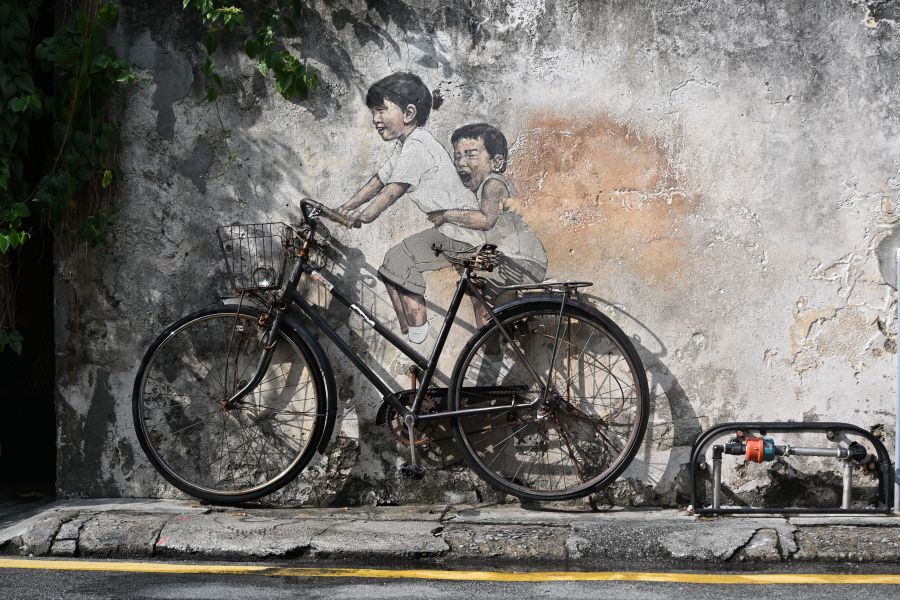
Spend time wandering the old core, including its clan houses, temples, mosques and street-art lanes, but do not make the mistake of treating Penang as a mural scavenger hunt. The food is part of the destination: try local hawker stalls and leave room to follow recommendations from residents rather than planning every meal in advance. Penang Hill and Kek Lok Si Temple make good excursions when you want a change from the heritage center.
For a more restorative pace, continue to Langkawi. It is an island destination, not simply another city stop; plan for beach time, viewpoints and time between activities rather than trying to fill every hour.
Langkawi: slow down by the water
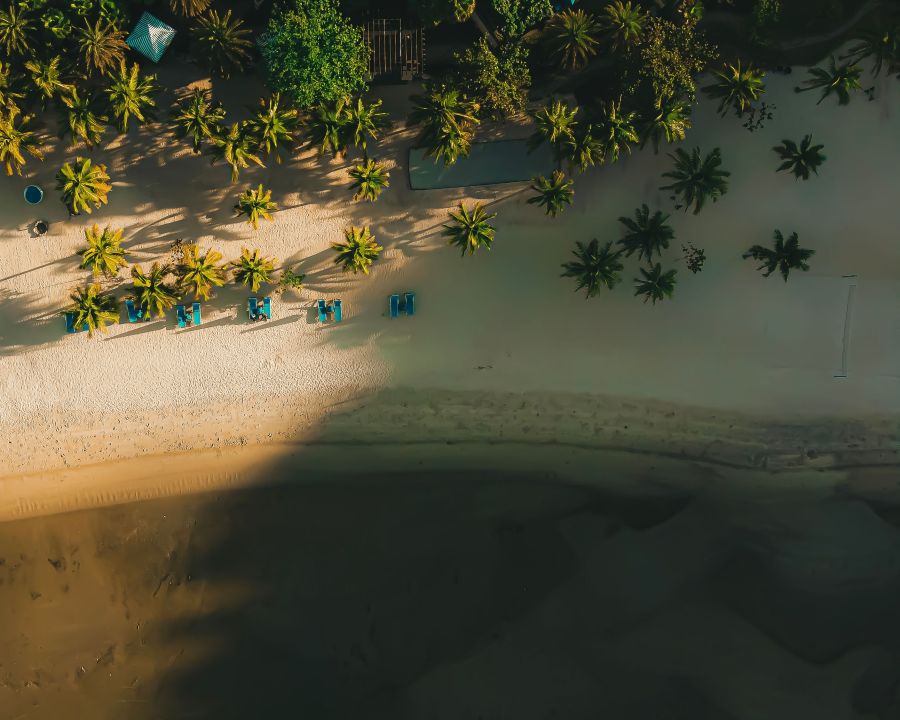
Langkawi suits travelers who want a few quiet days after Kuala Lumpur and Penang. Pantai Cenang is a convenient base for dining and beach access, while a rental car or organized excursion can make it easier to explore other parts of the island. Check current ferry and flight options before building your route around a particular connection, since schedules and services can change.
Think beyond a resort pool: pair a beach afternoon with a mangrove or island outing, or take in the broader landscape from a viewpoint. Weather can change plans, so keep one flexible day rather than scheduling a boat trip for your final hour on the island.
Sabah: rainforest and Mount Kinabalu

Sabah, on the island of Borneo, is a separate leg rather than a casual side trip from Kuala Lumpur. Kota Kinabalu is a practical gateway for coastal scenery and park visits; inland, Kinabalu Park offers a dramatic change in elevation and habitat. Even without attempting the summit, the highland setting and forest make this region worthwhile for travelers who want more than a beach-and-city itinerary.
Summiting Mount Kinabalu is a serious, regulated climb, not a spontaneous day hike. Sabah Parks requires advance booking, a permit and a registered guide, and its official booking guidance sets out current availability, preparation and safety requirements. Check that information directly before committing; do not rely on old prices or third-party availability calendars.
If you have limited time, choose Sabah instead of adding it on top of every Peninsular stop. I would rather give the island and its travel connections enough room than turn a first trip into a string of rushed overnight stays.
Before you go: entry, weather and transport
- Check entry rules by passport. Visa requirements vary by nationality. Many foreign visitors must also submit Malaysia’s Digital Arrival Card within the three-day window before arrival; exemptions apply. Use the official MDAC registration page and confirm the current rules before departure.
- Plan around regional weather, not one national “best season.” Malaysia’s Meteorological Department says the northeast monsoon runs from November to March and brings heavy rain especially to the east coast of Peninsular Malaysia, western Sarawak and northeastern Sabah. Local patterns differ, so check a destination-specific forecast and keep outdoor plans flexible.
- Use the right connection for the distance. Rail and bus are practical for parts of Peninsular Malaysia; domestic flights help connect more distant states and Malaysian Borneo. Ferries serve some islands. Confirm live schedules, terminals and transfer times before buying separate tickets.
- Pack for heat and sudden rain. Lightweight clothes, comfortable walking shoes, sun protection and a compact rain layer will be more useful than a tightly planned outfit for every day. Bring modest clothing for visits to religious sites, and check site-specific rules.
- Leave slack in the itinerary. Tropical downpours, traffic and transfers can make a tightly connected plan frustrating. Do not schedule a long intercity transfer immediately before a non-refundable activity or international departure.
For a first visit, a balanced route is Kuala Lumpur, George Town and either Langkawi or Melaka. Add Sabah when you can treat it as its own chapter. Malaysia is most rewarding when the itinerary leaves room to linger over a meal, step into a neighborhood shrine or wait out a rain shower instead of racing to the next pin on a map.