

Long hair really looks beautiful, but maintaining it can actually be a challenging task. The longer your hair grows, the more exposure the ends have to heat styling, pollution, sunlight, friction as well as daily environmental stress.
This is why long hair can actually become dry, rough, frizzy and may be prone to split ends. This is where a good hair serum for women can literally become a very crucial part of your daily hair care regimen.
A serum is designed specifically for coating and smoothing the hair surface which makes the strands easier to manage while also improving shine along with reducing frizz.
The majority of modern formulas are particularly formulated with conditioning ingredients, oils and other ingredients which are designed to boost the appearance and feel of damaged lengths and ends.
Therefore, in this blog we shall discuss why long or damaged hair needs serum, what to look for in a hair serum, and difference between hair oil and serum along with tips to apply it correctly that help you to achieve smooth and manageable hair.
Table of Contents
- Why Long, Damaged Hair Needs a Serum
- What to Look for in a Hair Serum
- How to Apply Hair Serum Correctly
- Hair Serum vs. Hair Oil: Which Is Better?
- Simple Hair Care Routine for Long, Damaged Hair
- Common Mistakes to Avoid When Using Hair Serum
- The Bottom Line
Why Long, Damaged Hair Needs a Serum
Long hair requires extra attention because its ends are older and have experienced years of washing, brushing, styling, and environmental exposure. Over time, these activities can weaken the protective outer layer of the hair, leaving strands rough, dry, and more vulnerable to breakage.
Using a hair serum for damaged hair can help improve its appearance and manageability by creating a smooth coating over the hair shaft.
The main benefits include:
- Reduced frizz: Helps smooth flyaways and control unwanted puffiness.
- Improved shine: Creates a smoother surface that reflects light more evenly.
- Easier detangling: Reduces friction between strands during brushing.
- Softer hair: Makes dry lengths and ends feel smoother.
- Better styling: Helps maintain a polished finish throughout the day.
However, hair serum cannot permanently repair split ends or reverse structural damage. It temporarily improves how damaged strands look and feel, while regular trims help remove severely split ends.
What to Look for in a Hair Serum
Finding the best hair serum for long hair depends on your hair texture, styling habits, and primary concerns. Different ingredients address different needs, so understanding the formula is more important than choosing the most expensive product.
1. For Dry and Rough Hair
If your hair feels rough or lacks softness, look for formulas containing conditioning ingredients and lightweight oils such as argan, coconut, or marula oil.
These ingredients can help improve lubrication, reduce friction, and make dry ends feel softer.
For particularly dry hair, applying a small amount of serum after conditioning may help maintain a smoother finish.
2. For Frizzy and Unmanageable Hair
A hair serum for frizzy hair often contains silicones such as dimethicone or amodimethicone.
These ingredients form a thin coating over the hair surface, helping reduce friction and improve smoothness.
Silicone-based serums can be especially useful in humid conditions when hair tends to look fluffy or difficult to manage.
3. For Heat-Damaged Hair
Frequent blow-drying, straightening, and curling can contribute to dryness and breakage.
If you regularly use heated styling tools, choose a serum specifically labeled for heat protection.
Not every smoothing serum provides this benefit. Always check the manufacturer’s instructions and recommended temperature limits before styling.
4. For Fine or Thick Hair
Hair thickness also influences which formula works best.
Fine hair generally benefits from lightweight serums that provide smoothness without leaving strands greasy or flat.
Thick, coarse, or highly textured hair may benefit from richer formulas that offer additional conditioning.
How to Apply Hair Serum Correctly
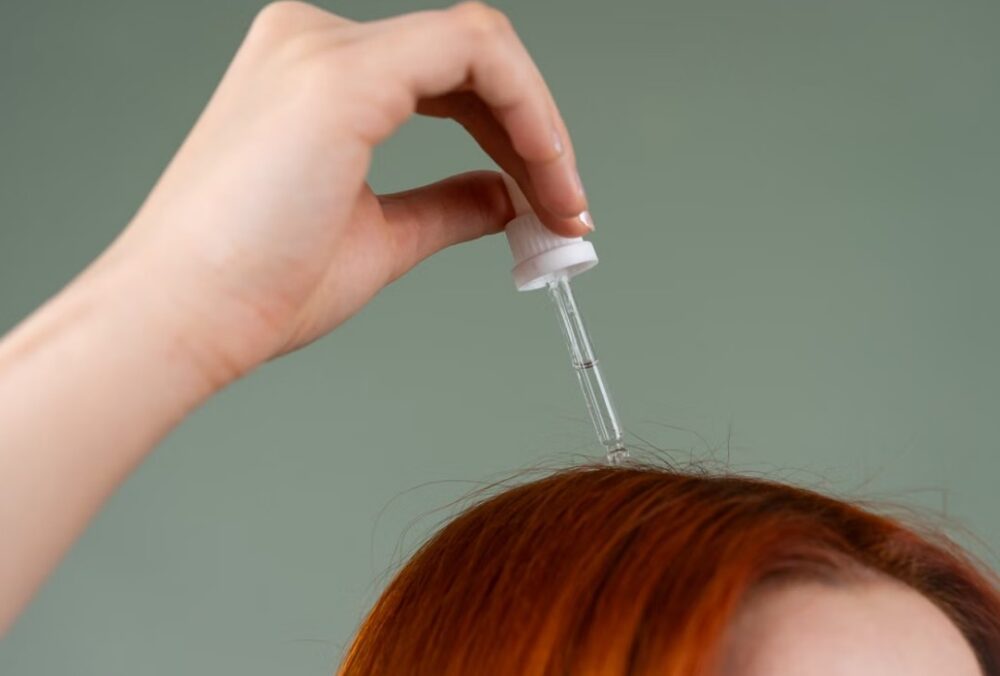
Applying hair serum correctly helps you achieve smoother, shinier hair without unnecessary product buildup.
Follow these simple steps:
- Wash and condition your hair. Use products suitable for your scalp and hair type.
- Gently remove excess water. Pat your hair with a towel rather than rubbing aggressively.
- Start with a small amount. Follow the quantity recommended on the product label.
- Spread the serum between your palms. This helps distribute the product evenly.
- Apply from the mid-lengths to the ends. Concentrate on areas experiencing dryness, frizz, or roughness.
- Style as usual. Use a separate heat protectant if your serum does not provide adequate heat protection.
Avoid applying a regular smoothing serum directly to the scalp unless the product is specifically designed for scalp use.
Pro tip: Start with less serum than you think you need. You can always add more, but excessive application may leave your hair looking oily.
Hair Serum vs. Hair Oil: Which Is Better?
Hair serum and hair oil can both improve the appearance of long, damaged hair, but they serve somewhat different purposes.
The table below explains their main differences.
| Feature | Hair Serum | Hair Oil |
|---|---|---|
| Primary purpose | Smooths frizz, adds shine, improves manageability | Lubricates, softens, and conditions hair |
| How it works | Typically coats the hair surface | Depending on the oil, may coat or partially penetrate hair fibers |
| Common ingredients | Silicones, conditioning polymers, lightweight oils | Coconut, argan, jojoba, or almond oil |
| Application | Usually on damp or dry mid-lengths and ends | Before washing or sparingly on dry lengths |
| Best suited for | Frizz control, shine, smoother styling | Dryness, roughness, and additional conditioning |
| Heat protection | Only when specifically formulated for it | Not a substitute for a tested heat protectant |
For everyday frizz control and a smooth finish, a lightweight hair serum may be more convenient.
Hair oils can complement a conditioning routine, particularly when your lengths feel extremely dry.
Neither product can permanently mend split ends, although both may temporarily improve their appearance.
Simple Hair Care Routine for Long, Damaged Hair
A consistent routine can help minimize unnecessary damage and keep long hair looking smoother. The American Academy of Dermatology’s healthy hair care tips also emphasize choosing products based on hair type, conditioning regularly, and protecting strands from excessive heat.
- Choose a gentle shampoo: Cleanse your scalp without over-washing or using unnecessarily harsh products.
- Condition every wash: Focus on the mid-lengths and ends, where dryness is often more noticeable.
- Detangle carefully: Use a wide-tooth comb or suitable detangling brush, starting at the ends and gradually working upward.
- Apply hair serum: Use a small amount to smooth rough areas and improve manageability.
- Limit excessive heat: Choose lower effective styling temperatures and use appropriate heat protection.
- Reduce friction: Avoid pulling hair tightly or rubbing it aggressively with a towel.
- Trim damaged ends: Remove severely split ends when necessary to prevent further splitting along the affected fibers.
For additional conditioning, consider using a suitable hair mask occasionally, especially if your hair feels particularly dry after washing.
Common Mistakes to Avoid When Using Hair Serum
Even a high-quality serum may produce disappointing results when applied incorrectly.
One of the most common mistakes is using too much product. Excessive serum can weigh down fine hair and create a greasy appearance.
Another mistake is applying a smoothing serum directly to the scalp. These products are typically intended for the hair lengths rather than the scalp.
Using serum as a replacement for conditioner is also not ideal. Conditioner helps provide lubrication and manageability during the washing routine, while serum usually provides additional surface smoothing afterward.
Finally, avoid assuming that every serum protects against heat damage. Heat protection should be clearly specified on the product packaging. The American Academy of Dermatology also identifies common hair care habits that can cause damage, including excessive heat styling and aggressive towel drying.
The Bottom Line
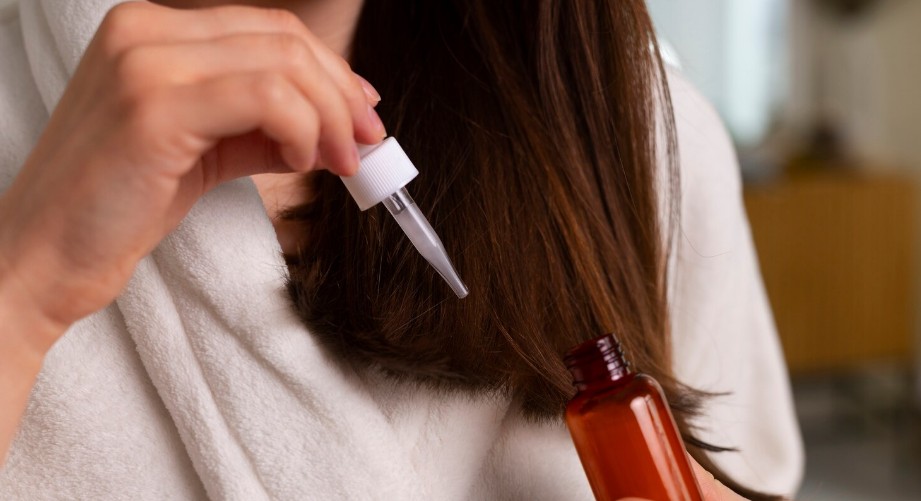
The best hair serum for long, damaged hair is one that matches your hair type and addresses your main concerns, whether dryness, frizz, roughness, or heat-related damage.
A well-formulated serum can make long hair appear smoother, shinier, and healthier while reducing friction and improving everyday manageability.
However, serum works best as part of a complete hair care routine that includes conditioning, gentle detangling, appropriate heat protection, and regular trimming when necessary.
If your primary concern is thinning or hair growth rather than damaged lengths, consider a targeted scalp treatment instead of relying solely on a cosmetic smoothing serum. For additional guidance, the American Academy of Dermatology offers recommendations for managing hair loss and caring for fragile strands.
With consistent care and the right products, long hair can become easier to style, softer to the touch, and noticeably more manageable.