

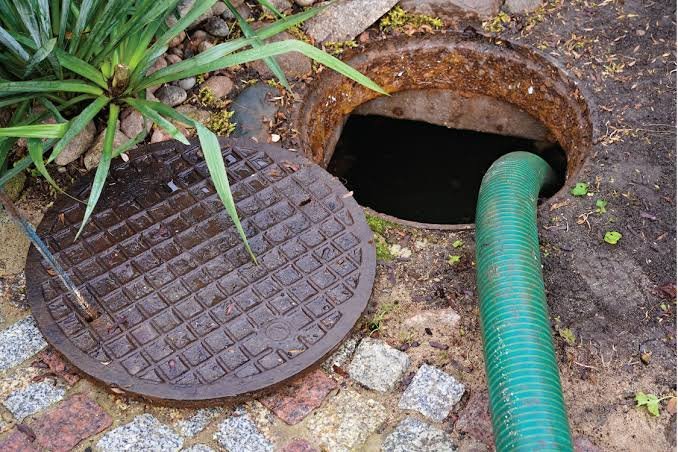
A private wastewater system is incredibly convenient until something goes wrong. Many homeowners don’t even know they have these setups until there is a major problem, as they are hidden beneath the ground. Ignoring early warning signs often turns minor fixes into massive plumbing emergencies. If you’re aware of what to expect, you can prevent these common issues from taking a toll on your lawn and wallet.
Sluggish Drains Across the House
However, if one drain is slow, it’s likely a local clog. But, if all your toilets, showers and sinks take a long time to drain, it’s probably the main underground tank.
This is a common problem of slow drainage, and there is either a lot of sludge or the main line is clogged. If you do not address this symptom, you will be faced with a problem of raw sewage backing up into your home in the future.
When you notice multiple slow drains, reaching out to the trusted professionals at Alligator Septic is the smartest move. They are able to precisely identify the blockage and safely pump the tank and restore flow to the normal condition.
How to Tell Whether the Problem Is Getting Worse
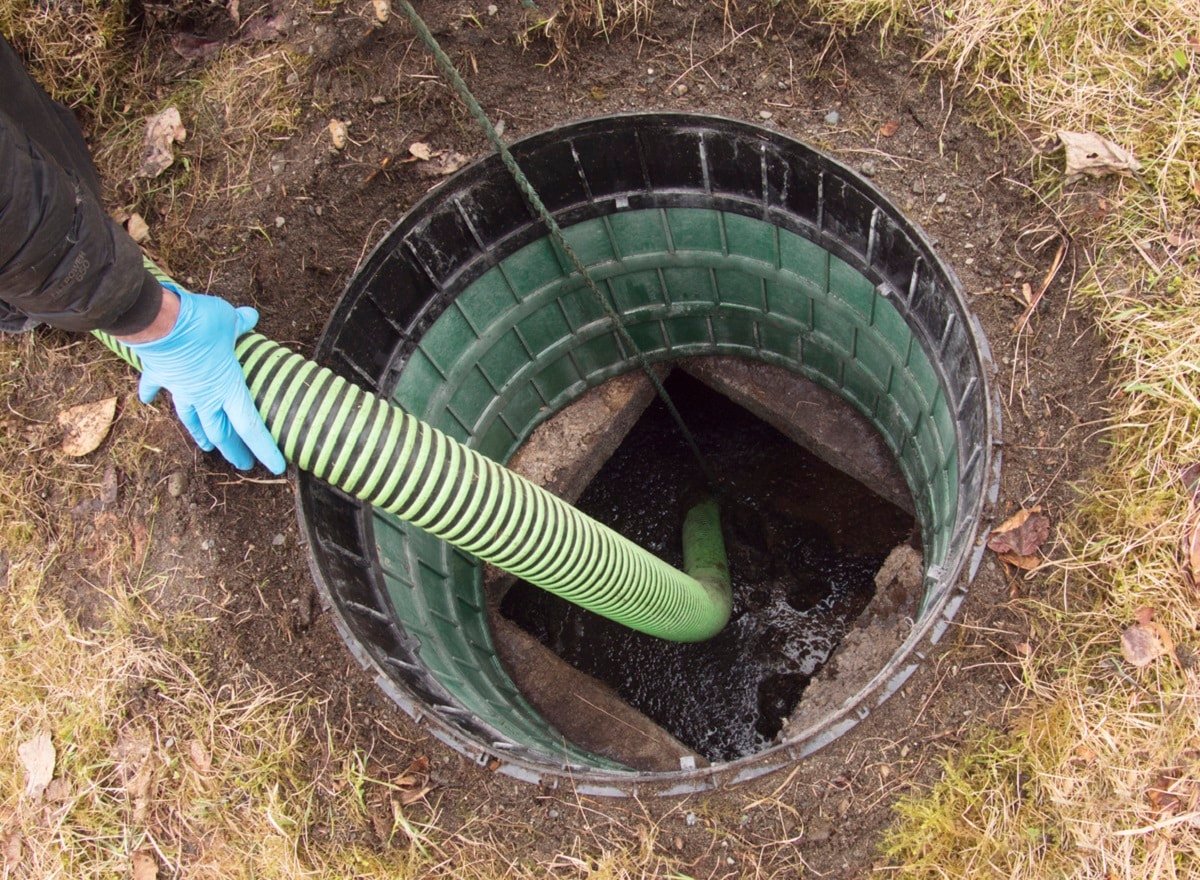
Slow drainage rarely happens without warning. You might first notice water collecting around your feet while showering or a toilet taking longer than usual to flush.
Pay attention to these additional symptoms:
- Water rises in the shower when the washing machine drains.
- Toilets require several flushes to clear completely.
- Multiple plumbing fixtures drain slowly at the same time.
- Wastewater returns through the lowest drain in the house.
These problems don’t automatically mean your septic tank needs pumping. Blocked pipes, damaged components, and a failing drain field can produce similar symptoms. A professional inspection can help determine the actual cause before repairs begin.
Foul Odors Indoors and Outdoors
The plumbing system is a special system that is engineered to contain toxic sewer gases within the pipe or vent them safely through the roof. If you are smelling rotten eggs in the interior of your bathrooms, or outside in your yard, then something has gone wrong.
The unpleasant odors are typically due to a full tank, a cracked vent pipe or a clogged drain field. Any odd smell in close proximity to a plumbing fixture should never be ignored. Toxic gases are harmful to breathe and typically lead up to a much bigger messy leak on your premises.
Lush Green Grass Over the Drain Field
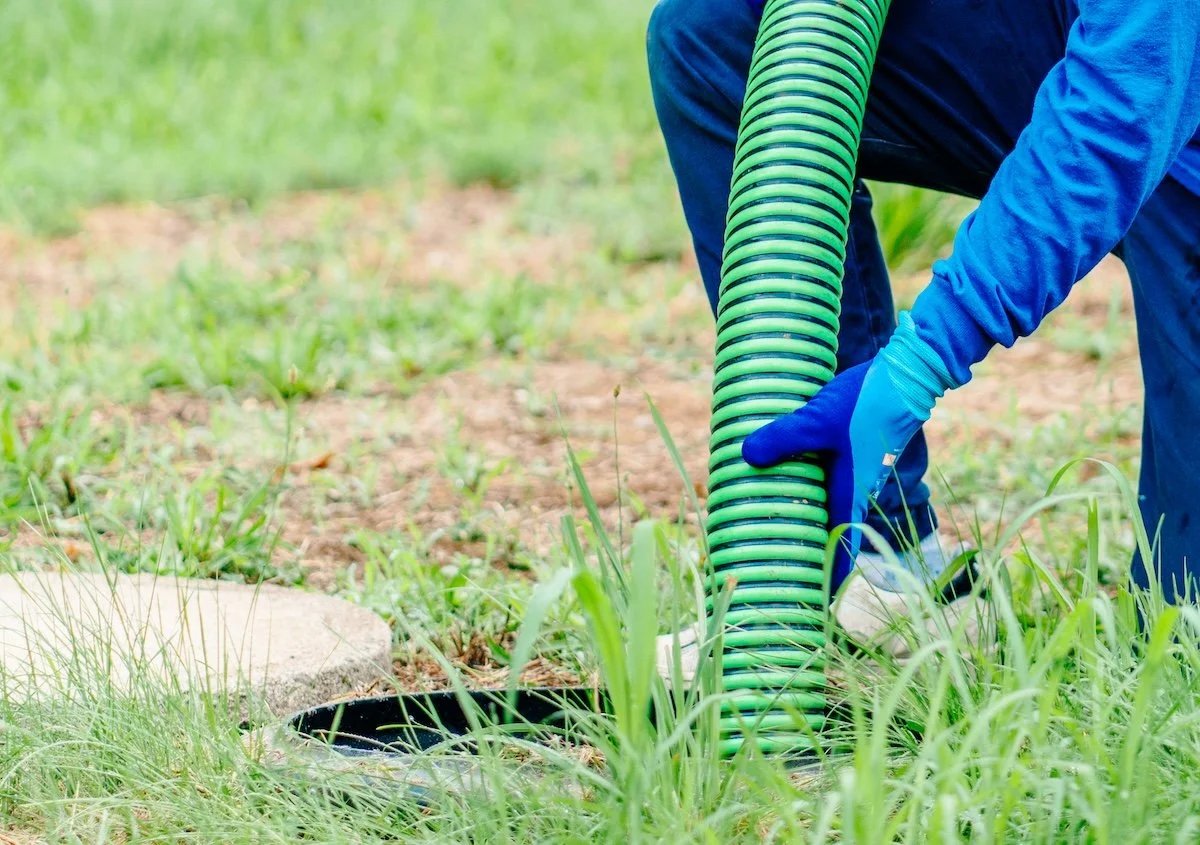
There is a desire among every homeowner to have a beautiful green lawn. If you see a green area that is unusually bright and quickly growing directly over your septic drain field, though, you are in trouble. This abnormal growth occurs when the liquid wastes leak from the pipes underground and fertilize the soil!
A healthy drain field allows wastewater to infiltrate the soil. Surface-level moisture indicates a problem in the processing of the liquid at the surface. This issue requires immediate professional inspection to prevent total system failure.
Why Your Landscaping Habits Matter
Not every septic problem begins inside the house. The way you maintain your property can influence how effectively wastewater moves through the soil.
Parking vehicles, building patios, or placing heavy equipment over the drain field can compact the soil and damage underground pipes. Planting trees too close to the system may also cause problems when roots grow toward moisture.
Keep the drain field free from heavy structures and avoid directing excessive rainwater toward it. Proper landscaping helps protect the underground system and makes future maintenance easier.
Gurgling Sounds in the Plumbing
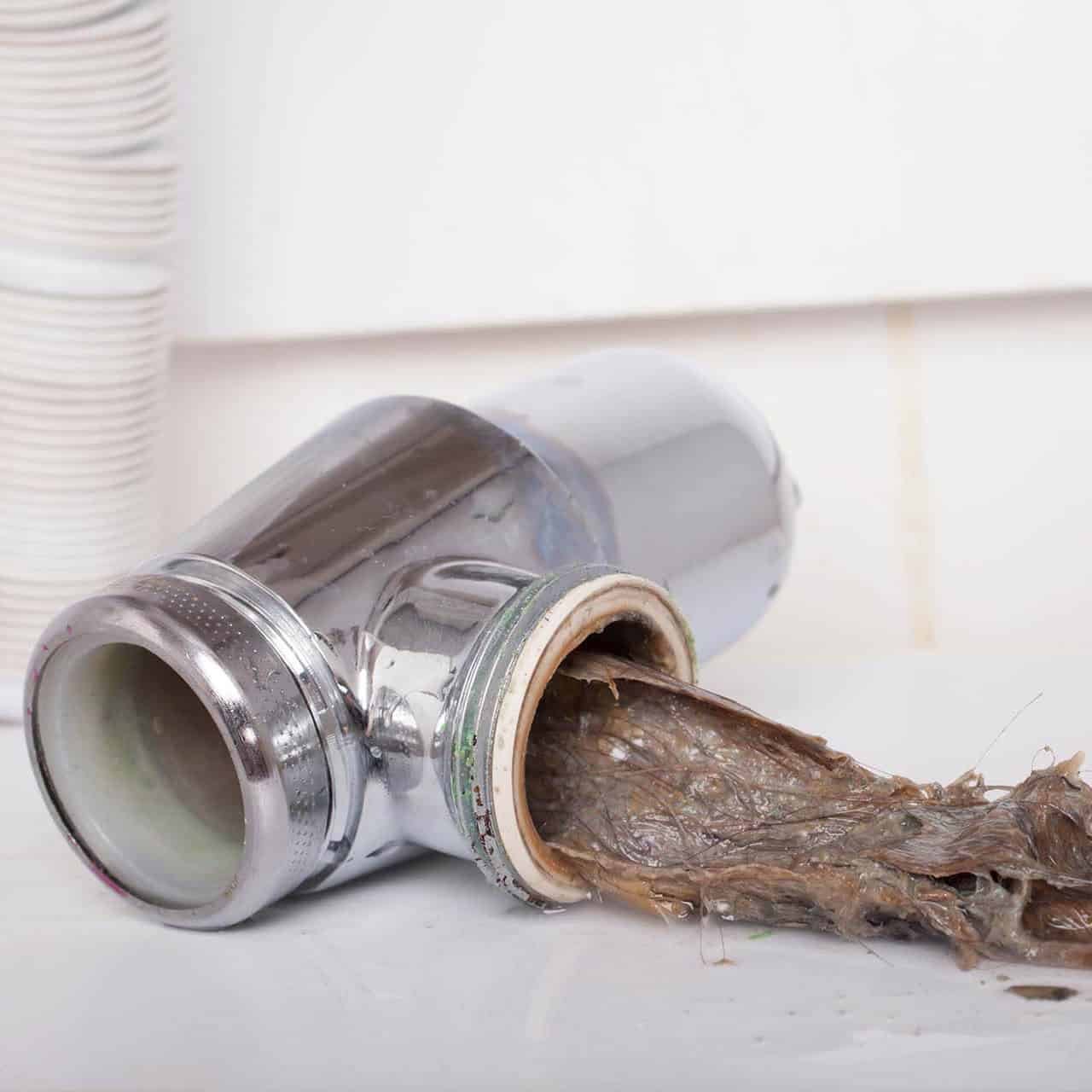
A good plumbing system runs without any noise. If your toilets bubble or your bathtub drains make loud gurgling noises, your system is struggling to breathe. This unusual noise is generated when a buildup of air makes an attempt to move through the water inside of your pipes.
The main sewer line to the underground tank is partially blocked, as evidenced by this. If you don’t want to worry about these strange noises, the clog will continue to build up until the entire floor in your bathroom is flooded.
Standing Water in the Yard
It’s normal to see puddles in your yard after a heavy rainstorm. Puddles forming over your drain field during a dry week spell is an absolute disaster. When the ground is saturated and no more liquid waste can be absorbed, it is standing water.
The standing water is very unhygienic and can be dangerous for your family and pets. When a drain field becomes this broken, it most likely indicates that the underground pipes are 100% blocked by solid waste.
Quick Guide to Septic System Warning Signs
Different septic problems require different responses. Knowing which symptoms deserve immediate attention can help homeowners avoid unnecessary damage.
|
Warning Sign |
Possible Cause |
Recommended Action |
|
Multiple slow drains |
Blocked main line or overloaded system |
Schedule a professional inspection |
|
Sewage odors |
Venting issue, leak, or septic malfunction |
Identify the source and arrange repairs |
|
Unusually green grass |
Excess moisture or wastewater reaching the soil |
Inspect the drain field |
|
Gurgling plumbing |
Partial blockage or venting problem |
Have the plumbing checked |
|
Standing water |
Saturated soil or drain field failure |
Keep people away and contact a septic professional |
Simple Maintenance Habits That Prevent Expensive Repairs
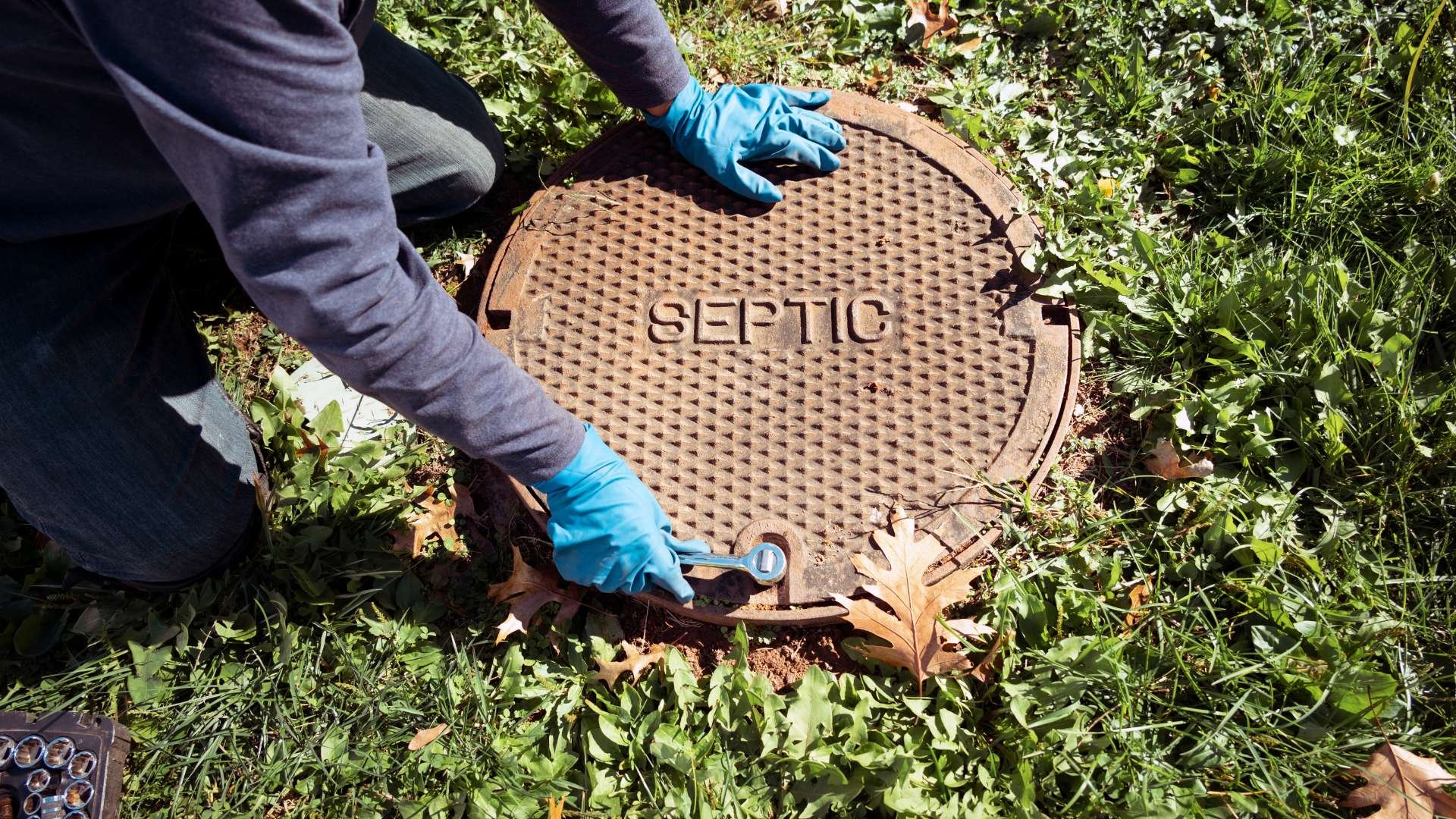
Many homeowners only think about their septic system when something stops working. However, a few practical habits can reduce the likelihood of unexpected emergencies.
Start by paying attention to what enters your drains. Cooking grease, wipes, paper towels, and hygiene products can create blockages or interfere with normal septic operation.
Water consumption also matters. Running several large loads of laundry consecutively or dealing with leaking toilets can overload the system with unnecessary wastewater.
Septic tanks generally need inspection every one to three years and pumping approximately every three to five years, although actual intervals depend on household size, tank capacity, and water usage.
Keeping maintenance records is equally helpful. Write down inspection dates, pumping services, and any unusual plumbing symptoms. These details make it easier for technicians to identify recurring problems.
Most importantly, never attempt to enter a septic tank or open it without appropriate professional assistance. Dangerous gases and other hazards make septic tank work unsuitable for untrained homeowners.
Conclusion
Ignoring strange plumbing behavior is a costly mistake for any homeowner. The best way to prevent costly home repairs is to be aware of their existence. Identify minor things like slow drains, odors, and unusual noises and changes in your lawn, and avoid ignoring them.
Your wastewater system operates efficiently with regular maintenance and speedy professional response. These warning signs are not to be taken lightly, and they help to keep your home safe and help you maintain the worth of your property.