

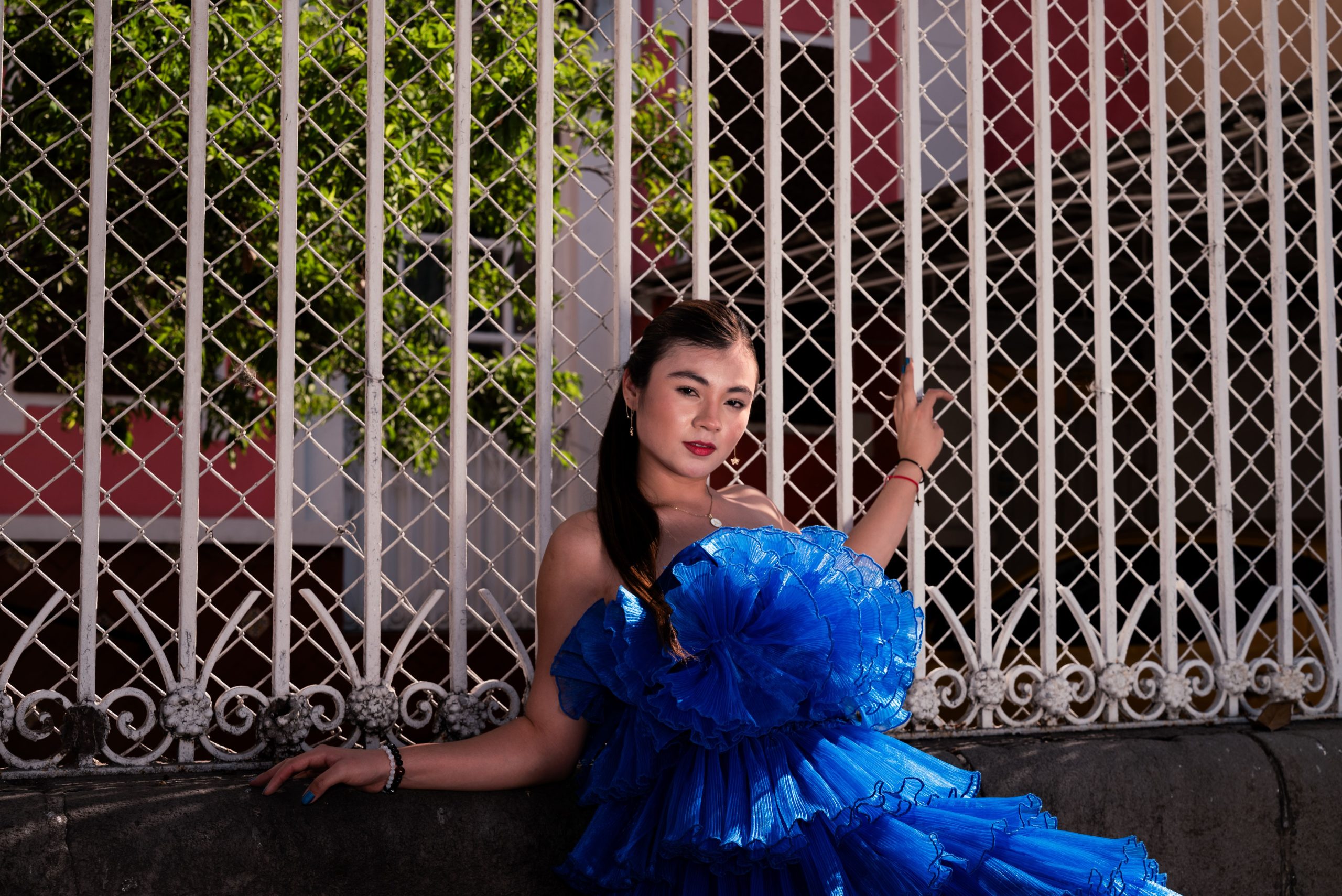
A few years ago, “dress with a built-in bra” meant one thing: a thin ribbed tank dress with a sad strip of elastic under the bust, the kind you wore to bed and never in public. Now the same phrase covers everything from a $20 Amazon staple to a Dolce & Gabbana runway piece to an Olympic-grade compression dress meant for a 10K. Something shifted, and it wasn’t just fabric technology.
My read is that this isn’t really a dress trend at all. It’s a bra rebellion that happened to find a convenient disguise.

The backlash started with the bra, not the dress
Before anyone was buying built-in bra dresses, women were already telling pollsters they’d rather not wear a bra at all if they could help it. A 2023 YouGov survey of American women found that 53% describe wearing a bra as very or somewhat uncomfortable, compared with 45% who call it comfortable. Flip the question around and the gap gets wider: 63% say going braless feels comfortable, versus 33% who find it uncomfortable. One in five women said they wear a bra less often than they did five years earlier.
That is not a niche complaint. That is most of the market quietly voting with their closets, years before “built-in bra dress” became a search term anyone bothered to track.
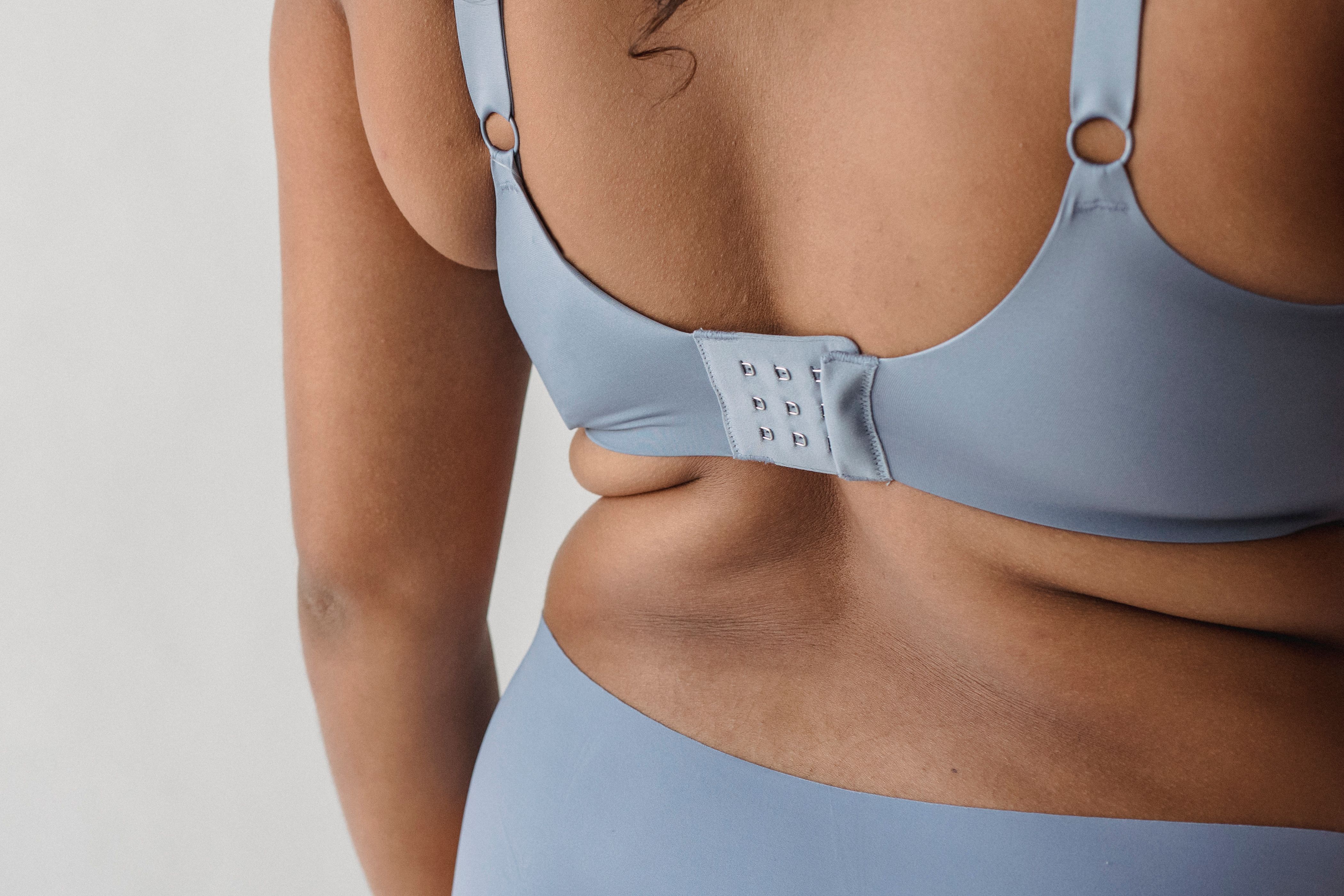
Three separate trends collided at exactly the same time
If you look at why built-in bra dresses specifically are having a moment, it’s not one cause. It’s three unrelated shifts that happened to converge.
The first is the comfort-first lingerie movement described above: fewer underwires, more bralettes, more “going without.” The second is the normalization of athleisure and loungewear as real daywear, a habit that hardened during the pandemic and never fully reversed; once women got used to not layering a separate bra under a soft tank at home, doing the same under a dress at the grocery store stopped feeling like a compromise. The third is almost the opposite impulse: fashion has started putting the bra on the outside. Red carpets this past year have been full of what InStyle has dubbed the “peek-a-bra” trend, with Lindsay Lohan, Mila Kunis, Kate Hudson, and Selena Gomez all stepping out in eveningwear that lets a built-in bra show at the neckline on purpose. Miu Miu, Dolce & Gabbana, and Valentino all built entire looks around the idea for recent collections.
I think that last point gets too much credit in a lot of trend coverage. The red carpet didn’t start this; it just gave photographers something to caption. The everyday version of this dress was already selling in quiet, unglamorous volume before any of those gowns hit a step-and-repeat.
The sales numbers back it up
Uniqlo’s ribbed Bra Tank Top is usually credited as the spark: it went viral on TikTok back in 2023 and racked up over 2.7 million views, which pulled the brand’s built-in bra dresses along with it into cult-favorite territory. By 2026, the category had stopped being a one-brand phenomenon. M&S, Abercrombie & Fitch, Lululemon, and a long tail of Amazon sellers all now carry some version of the format, from basic ribbed tanks to occasion-ready pieces dressy enough for a wedding guest.
The bigger context is a lingerie market that’s growing faster than it has in years. Global lingerie revenue was valued at $48.59 billion in 2025 and is projected to reach $104.55 billion by 2034, according to Fortune Business Insights – a growth rate the firm attributes largely to demand for comfort-first, wire-free designs rather than traditional structured bras. A built-in bra dress is, in a sense, the purest expression of that shift: it removes the separate garment entirely rather than just making it softer.
It’s also worth noting how fast this has shown up at the register, not just in headlines. Amazon’s own built-in-bra dress listings saw year-over-year unit sales roughly double in mid-2026 compared to the same period the year before – the kind of spike that usually means a format has crossed from niche to default option, not just trended for a news cycle.
Shelf bra, molded cup, or integrated support? They are not the same product
Here’s where a lot of disappointed reviews come from: people buy “a dress with a built-in bra” expecting one experience and get a completely different garment, because the category covers at least four distinct constructions with very different jobs.
| Type | Support level | Best suited for | What to look for |
|---|---|---|---|
| Basic shelf bra | Light | A–B cups, lounging, layering under jackets | Elastic underband, single fabric layer, no cups |
| Shelf bra with molded cups | Light to moderate | A–C cups, casual daywear | Foam or fiberfill cups, higher spandex percentage |
| Integrated bra with sewn-in cups | Moderate to full | C–D+ cups, structured or occasion dresses | Separate cup construction, wider band, often removable padding |
| Compression/athletic build | Moderate to high, movement-specific | Low-impact activity, travel, everyday errands | Compression knit, wide underband, moisture-wicking fabric |
Construction categories based on descriptions from bra experts Jené Luciani and Dr. Sapna Palep, co-CEO of Journelle, via reporting on built-in bra tops and dresses.
The shelf bra you remember from a decade ago and the integrated-cup dress sitting on shelves now are, functionally, different products wearing the same name. Conflating them is where most of the buyer’s remorse comes from.
Where built-in support actually falls short
This is the part most retail copy skips entirely, and it’s the honest caveat the trend needs. “Shelf bra camis have been around forever, but the problem with most of these is that they really offer little to no support,” bra expert and author Jené Luciani told Today.com. Dr. Sapna Palep was more specific about the limit: “Generally, anyone with A-B cups may prefer a built-in bra for light support versus wearing a separate bra underneath a top or a dress. C and D cups and larger may find built-in bras do not offer enough support to lift breasts appropriately, but I wouldn’t say that someone with larger cups should avoid tops and dresses with built-in bras.”
If you have a C cup or larger, I’d treat “built-in support” as a nice-to-have rather than a promise. The physics of unsupported fabric don’t change just because the dress is cute, and a long day on your feet will tell you that faster than any product description will.
There’s a real trade-off buried in that trend piece, and it’s worth naming directly: do you want the five fewer seconds it takes to get dressed in the morning, or the certainty that everything stays exactly where you put it through a twelve-hour day? For a brunch or a beach walk, most people will happily take the first. For a wedding where you’re on your feet until midnight, the calculation changes, and no amount of trend coverage changes the math.
What to check before you buy one
A few things actually predict whether a built-in bra dress will work for you, beyond the marketing copy:
- Cup construction, not just the word “support.” A dress description that says “built-in bra” with no further detail is almost always describing a basic shelf bra.
- Band width at the ribcage. A narrow elastic strip will dig in or ride up over hours; a wider band distributes pressure the way a real bra band does.
- Whether the straps adjust independently of the neckline. If tightening the strap also pulls the neckline up, you lose the ability to fine-tune fit without changing the whole look of the dress.
- Fabric content. Higher spandex or elastane percentages hold shape through a wash cycle; cotton-heavy knits stretch out faster and lose support within a few wears.
Activewear brands have leaned hardest into getting this right, since a workout dress that loses support halfway through a walk is a return, not a repeat customer. Reitmans’ activewear line has built an entire sub-category around it – their Robes De Sport Hyba – Confort Et Style collection includes moisture-wicking, built-in-bra dresses designed specifically for movement rather than just appearance, which is a different engineering problem than a dress meant to be worn to dinner.
Frequently asked questions
Do built-in bra dresses actually work for larger busts?
They can, but expect moderate rather than full support. Experts recommend looking specifically for integrated sewn-in cups with a wide band rather than a basic shelf bra if you’re a C cup or above, and treating the built-in support as a supplement rather than a full replacement for a well-fitted bra on long or active days.
What’s the actual difference between a shelf bra and an integrated bra?
A shelf bra is a single layer of fabric with an elastic band underneath, offering light hold with no separate cups. An integrated bra has its own cup construction sewn into the garment, closer to a real bra, and generally offers more lift and separation.
Can you wear a regular bra underneath a built-in bra dress?
Yes, and many women do for higher-impact days or larger busts, though it can create visible lines or bulk under tightly fitted necklines. If you plan to layer a bra underneath, size up slightly or choose a looser silhouette to avoid an obviously doubled-up look.
Are built-in bra dresses good for exercise?
Some are, but only the ones built for it. Look for compression knit fabric, moisture-wicking properties, and a wide underband designed for movement rather than a basic lounge-style shelf bra, which will not hold up through anything more intense than a walk.
How do I know if a built-in bra dress will fit before buying online?
Check the brand’s size chart against your actual band and bust measurements rather than your usual dress size, read reviews specifically mentioning your cup size, and favor brands that list fabric composition and band width in the product description rather than just the word “supportive.”
Why did built-in bra dresses suddenly become trendy?
It’s less sudden than it looks. A multi-year shift toward comfort-first, wire-free lingerie, the mainstreaming of athleisure as daywear, and a parallel fashion trend of exposing bras as a style statement on runways and red carpets all converged around the same two or three years, making a format that already existed in niche form look like a brand-new idea.
The dress isn’t the point
Strip away the marketing language and what’s actually being sold here is permission: permission to skip a garment most women already said they found uncomfortable, dressed up as a fashion category instead of a complaint. That’s a smarter pitch than “we removed the annoying part,” even if it’s the same product.
I don’t think this replaces the bra drawer entirely, and the experts quoted above would say the same. But the next time you see three different people in three different built-in bra dresses in a single afternoon, that’s not a coincidence of good taste. That’s a decade of mild, well-documented discomfort finally getting a retail answer.