


Utilizing professional blood cleanup not only minimizes trauma, it effectively changes chaotic spaces into manageable environments. This helps individuals regain a feeling of safety and control after distressing situations.
Rapid response in blood cleanup can greatly lessen long-term trauma reactions, fostering a more supportive atmosphere for recovery compared to those who tackle the aftermath alone.
Through blood cleanup, clients can experience emotional healing. A clean space cultivates feelings of safety, comfort, and clarity in challenging times.
The blood cleanup process includes key phases such as assessment, containment, sanitization, disposal, and a final inspection to guarantee a safe environment is reinstated.
Timeliness in blood cleanup is vital for preserving property value.
Postponing action can repel potential buyers and diminish the property’s worth due to persistent negative associations.
When selecting a blood cleanup service, it’s essential to prioritize certifications, experience, and sufficient liability insurance—this ensures the biohazard materials are managed safely and effectively.
Clients gain crucial reassurance from insurance and certifications, affirming they’re partnering with legitimate businesses that prioritize safety and follow regulatory guidelines in the cleanup process.
The Psychological Benefits of Professional Blood Cleanup
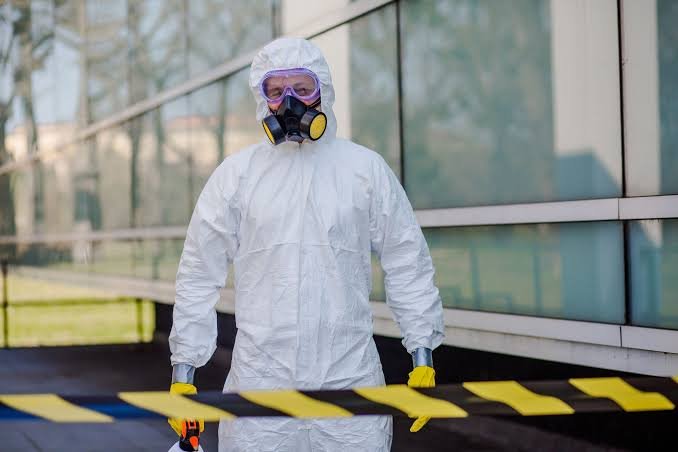
How Immediate Action Reduces Trauma
Trauma often emerges in various forms, particularly after distressful incidents like accidents or crime scenes. By enlisting professionals for blood cleanup, the emotional repercussions linked to these events can be diminished.
Quick interventions convert chaotic situations into manageable ones. It’s more than mere cleaning; it’s about reinstating a sense of safety. When experts address the situation without delay, they not only clear away unsettling evidence but also assist victims and witnesses in reclaiming control over their environment.
They can shift focus to healing instead of being hindered by the traumatic memories.
Quick responses drastically reduce feelings of anxiety and helplessness. One moment individuals find themselves engulfed in chaos; the next, it’s transformed into a more secure and familiar setting. Isn’t that what everyone seeks during such trying times?
Studies indicate that prompt cleanup efforts can lessen long-term trauma responses. Those who benefit from timely interventions process their experiences much differently than individuals managing the aftermath alone. This isn’t merely a cleanup; it’s about crafting an environment that nurtures recovery.
Restoration as a Path to Healing
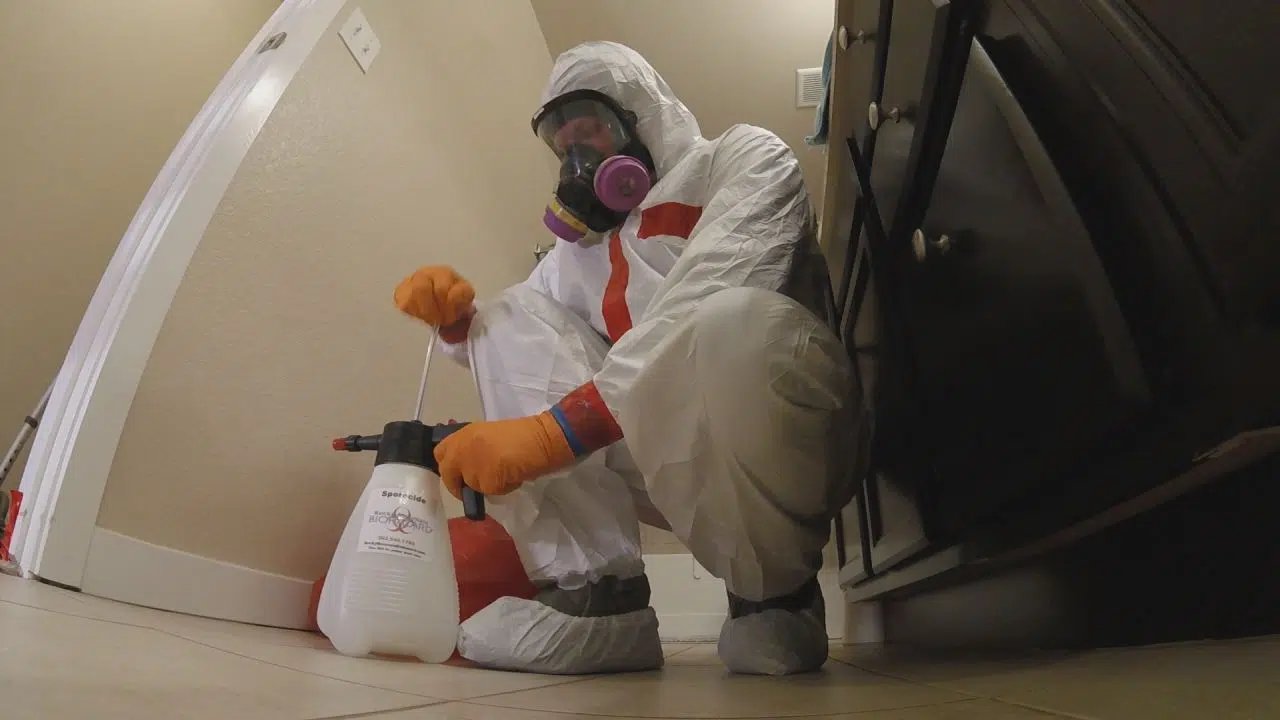
The restoration of a space plays a pivotal role in emotional recovery. After blood cleanup, a location can transition from a source of pain to one of positivity. Consider the unsettling emotion when revisiting a location tied to distressing occurrences. Lingering memories can act as constant reminders of trauma.
Professionals often discover that clients require reassurance. With a clean, restored space, individuals can embark on emotional healing. This environment can transform into one that embodies safety, comfort, and a fresh beginning.
Many clients find that a clean slate nurtures clarity and emotional stability. Knowing experts meticulously managed the cleanup provides significant peace of mind.
“A clean environment lays the groundwork for emotional recovery, allowing individuals to reclaim their lives.”
Understanding the Process: What to Expect During Blood Cleanup
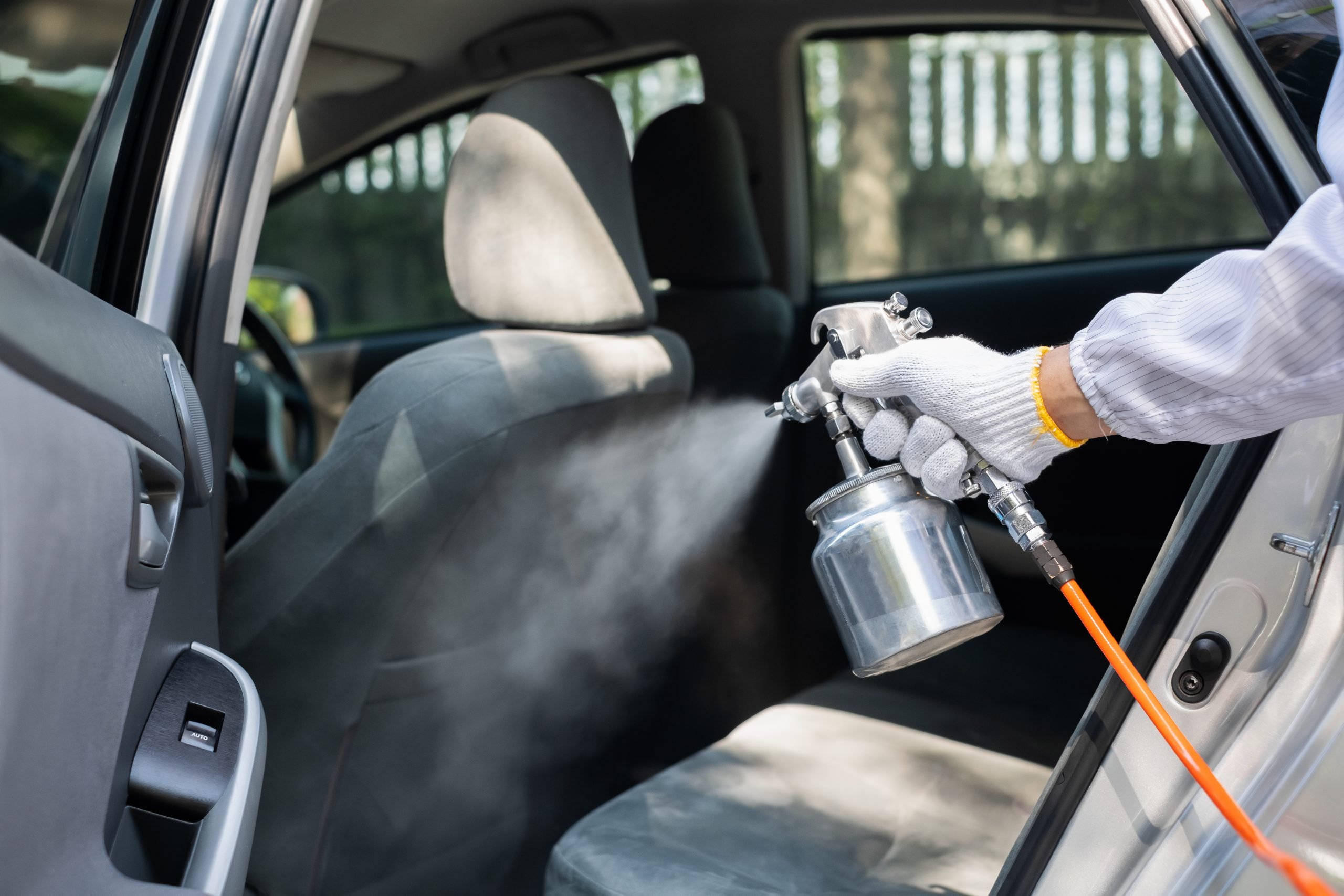
A Step-by-Step Breakdown of the Cleanup Procedure
The blood cleanup process encompasses several vital steps, and familiarity with these can greatly assist those impacted during difficult times. Typically, professionals adhere to a strict protocol to guarantee both safety and thoroughness. Here’s what unfolds:
- Assessment: Cleanup teams arrive on site to evaluate the situation, identifying hazards and crafting a plan.
- Containment: The area is secured to prevent contamination, ensuring safety and privacy.
- Sanitization: Utilizing specialized techniques and products, the site is thoroughly sanitized. Focus is placed on biological materials to eliminate harmful pathogens.
- Disposal: Contaminated materials are disposed of according to strict regulations, minimizing health risks and potential legal issues.
- Final Inspection: A comprehensive check guarantees that the area is safe for re-entry, confirming no traces of the incident remain.
This detailed procedure not only underscores safety but also highlights a commitment to restoring peace within affected places. Professionals go beyond cleaning; they ensure that an environment tainted by distress is made safe again.
The Role of Experts in Ensuring Safety
Trained professionals navigate the complexities of blood cleanup that most individuals wouldn’t typically know how to handle. The specialized equipment and products necessitate expertise. Clients reap enormous benefits, as the cleanup team is trained to manage potential hazards.
They take on everything, from hazardous materials to biohazard waste disposal.
For example, using personal protective equipment (PPE) is imperative. This protects the cleanup crews. Often, the public underestimates these risks, assuming any cleaning crew is equipped for such sensitive tasks.
However, the truth is much different. Experts, well-acquainted with appropriate procedures, contribute to a safer overall environment.
“Handling blood doesn’t just require cleaning expertise; it demands a deep understanding of biohazard safety.”
Real-Life Scenarios: When Blood Cleanup is Essential

Addressing Crime Scenes and Accidental Injuries
Each incident brings its own unique challenges. When blood appears at a crime scene, the need for meticulous attention and specialized procedures becomes apparent. Clients may not realize that the aftermath encompasses far more than just superficial cleaning.
This disruption impacts not only the physical surroundings but also those who inhabit them.
Take, for instance, a family that has experienced a violent event. They often grapple with overwhelming emotions.
Initiating blood cleanup right after the incident can serve as a crucial component for finding closure. The promptness usually helps restore a sense of normalcy quicker than would be expected.
Protective gear, like specialized hazmat suits, morphs from mere cleaning equipment to symbols of recovery.
Why Timely Cleanup Matters for Property Value
Delaying blood cleanup isn’t just inconvenient; it can directly affect property value. Leftover traces can dissuade prospective buyers or renters. Grasping the correlation between a property’s condition and its market value is essential.
When professionals act swiftly and take the right precautions, they safeguard property investments.
Real estate agents or property managers often encourage immediate cleanup services post-incident to avert long-term repercussions. Homeowners might underestimate how future buyers could perceive properties associated with negative histories. But the facts speak for themselves.
- Quick Action: Helps restore the property’s appeal.
- Professional Cleanup: Increases marketability.
- Documentation: Providing evidence of cleanup reassures prospective buyers.
Making well-informed decisions about blood cleanup can expedite healing while protecting financial interests. Expert cleaning ensures that a home can once again symbolize stability and comfort.
Choosing the Right Blood Cleanup Service: Key Factors to Consider
What Qualifications Should a Cleanup Team Have?
Selecting an appropriate blood cleanup service largely depends on the expertise and credentials of the team. Clients must focus on finding skilled professionals who comprehend the complexities pertinent to such delicate tasks. Key qualifications to consider include:
- Certifications: Look for relevant certifications in biohazard cleaning or public safety.
- Experience: The team should have a solid history of handling similar cases.
- Insurance: Adequate liability insurance is crucial, protecting both clients and service providers, while providing peace of mind.
Though it may feel daunting, exploring service options is necessary to ensure invaluable support during traumatic phases.
Experts advise checking references to establish reliability. Proper qualifications are vital, as clients should only entrust their sensitive environments to trained and knowledgeable teams.
The Importance of Insurance and Certifications

Insurance and certifications offer indispensable safety nets. Clients need assurance that they are dealing with legitimate companies prepared to tackle hazardous materials legally and responsibly. The absence of appropriate coverage can leave individuals vulnerable to future complications stemming from any mishandling during cleanup.
This lapse can lead to financial troubles nobody should have to face, particularly in vulnerable times. Cleanup teams should be ready to provide documentation, thus assuring clients that their safety is a top priority.
Consider these aspects:
- Proof of Liability Insurance: Essential for any cleanup undertaking.
- Training Certifications: Confirm that personnel possess the necessary skills and knowledge for effective cleanup.
- Regulatory Compliance: Ensure that the team adheres to local and state laws regarding biohazard disposal and safety.
Choosing the right cleanup service involves more than simply obtaining a clean environment. It’s about ensuring individuals feel safe and supported as they move forward.