

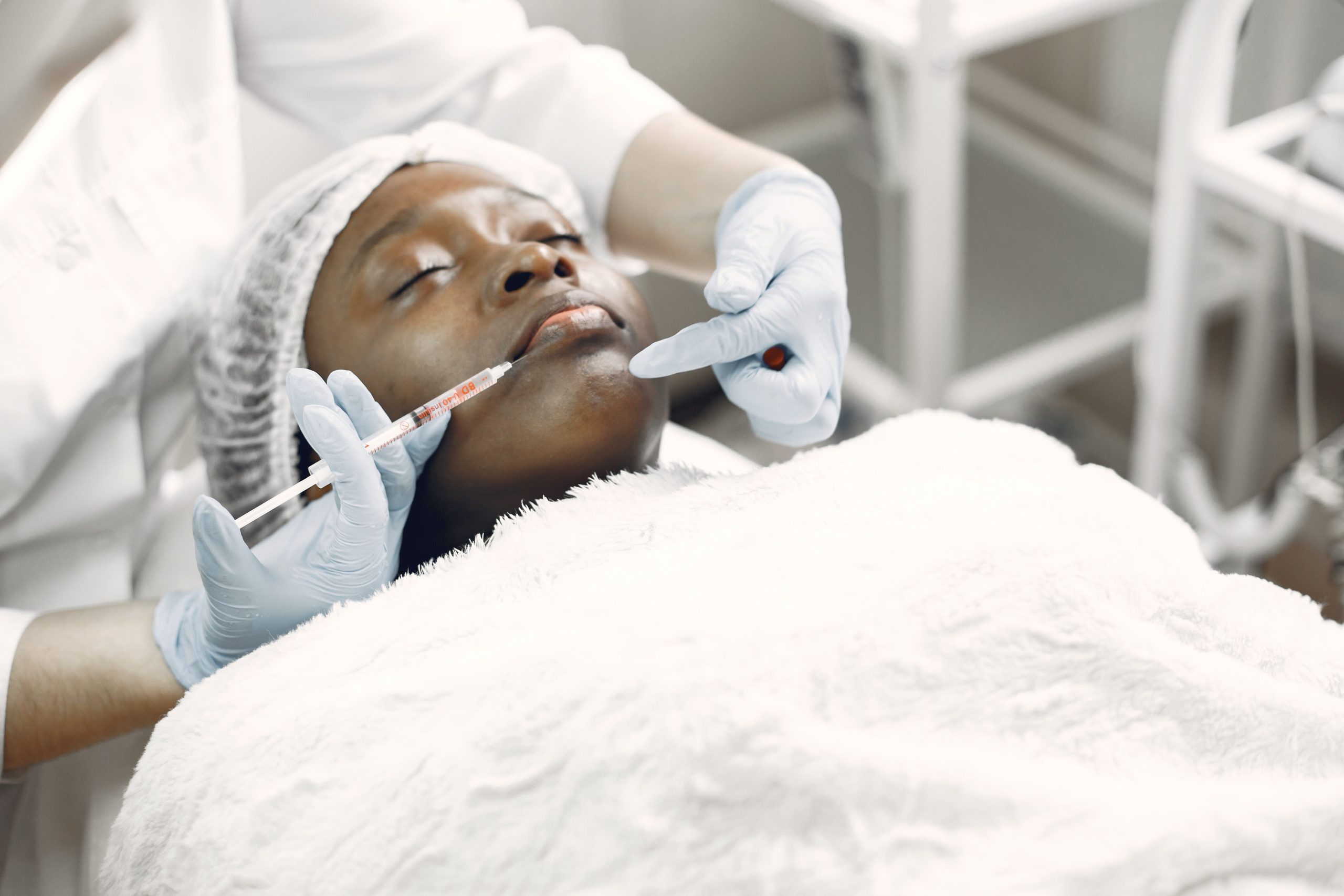
Ask anyone who has looked into a cosmetic procedure what it costs, and you will usually hear a range rather than a single number. A single treatment can cost a few hundred dollars or more than $10,000, depending on what is done, where it is done, and who performs it. This guide explains typical prices for popular surgical and non-surgical options, what those headline figures leave out, and how to build a realistic budget before you book.
Table of Contents
- Why Cosmetic Prices Vary So Much
- What Surgical Procedures Typically Cost
- Non-Surgical Treatments and Their Price Points
- Hidden Costs That Add Up
- Building a Realistic Budget
- A Final Word Before You Book
Why Cosmetic Prices Vary So Much
Demand for cosmetic work is large and still growing. The American Society of Plastic Surgeons (ASPS) counted about 1.52 million cosmetic surgical procedures in 2025, a 7 percent increase over the previous year, according to its 2025 procedural statistics report. Volume alone does not determine price, though. Several factors shape what you will be quoted:
- Surgeon experience and credentials. Board-certified plastic surgeons with long track records often charge more than newer practitioners.
- Location. Clinics in major metropolitan areas usually have higher overhead than those in smaller cities. Some patients also travel abroad for lower prices, such as those comparing a Turkey hair transplant cost against quotes at home, though travel, lodging, and follow-up care should be factored in.
- Complexity and time. A procedure that takes two hours in the operating room costs more than one that takes thirty minutes.
- Facility type. Procedures done in an accredited office-based surgical suite can cost less than those done in a hospital.
- Number of areas or sessions. Injectables are priced per area, and laser and skin treatments often require a series of visits.
What Surgical Procedures Typically Cost
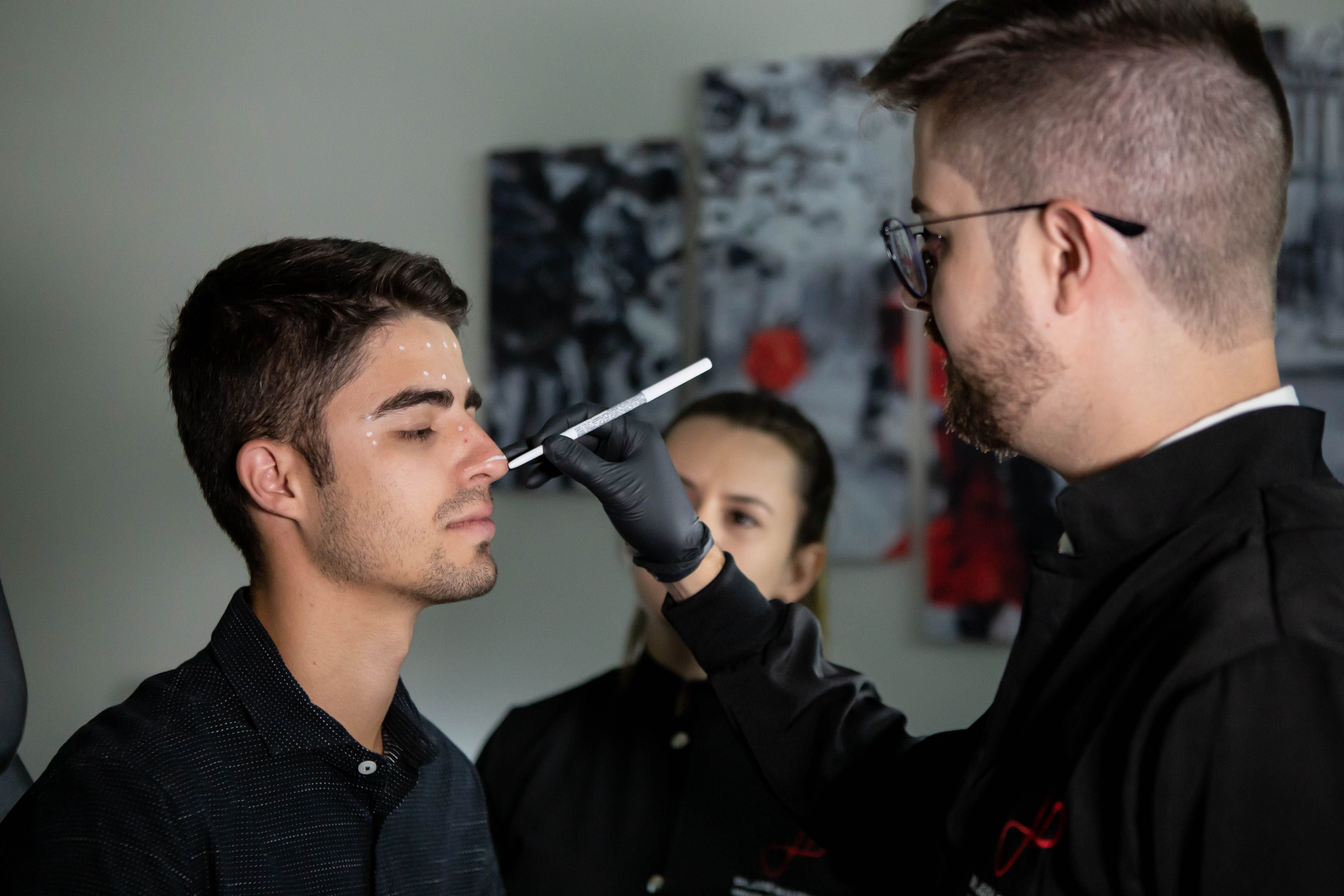
Surgical prices are most often quoted as the surgeon’s fee alone. The table below lists average surgeon’s fees for several common procedures, as published on ASPS cost pages. These numbers are a starting point, not a final bill.
The ASPS cost pages do not show a publication year for these averages, so treat them as a rough guide and confirm current figures with the surgeon’s office. Procedures that combine several operations, such as a body lift after major weight loss, fall well outside this range.
Non-Surgical Treatments and Their Price Points

Minimally invasive treatments are the most common cosmetic procedures overall. The ASPS reports that neuromodulator injections accounted for 50 percent of minimally invasive treatments in 2025, and soft-tissue fillers for about 30 percent. Their lower upfront cost is one reason they are popular, but the recurring nature of these treatments means the total spending can add up over time.
- Neuromodulator injections (such as Botox): Usually priced per area or per unit. Costs commonly start in the low hundreds of dollars per session, and the total depends on how many areas are treated.
- Dermal fillers: Usually priced per syringe. A single syringe often costs several hundred dollars, and some patients need more than one.
- Laser skin treatments: Pricing varies by device and by the number of sessions a treatment plan requires.
- Chemical peels: Generally among the lower-cost options, though deeper peels cost more.
Because the effects of injectables and many laser treatments fade, it helps to think of them as ongoing expenses rather than one-time purchases.
Hidden Costs That Add Up
The number a clinic quotes is rarely the number a patient ends up paying. The ASPS states that its rhinoplasty average of $7,637 is only part of the total price and does not include anesthesia, operating room facilities, or related expenses. Common add-on costs include:
- Anesthesia fees
- Hospital or surgical facility charges
- Pre-operative medical tests
- Post-surgery garments and prescription medication
- Follow-up visits, if they are not included in the original quote
- Travel, lodging, and time off work for recovery
Insurance rarely covers elective cosmetic work. The ASPS notes that most health plans do not cover cosmetic procedures such as liposuction or breast augmentation, and may not cover related complications or revision surgery.
Building a Realistic Budget
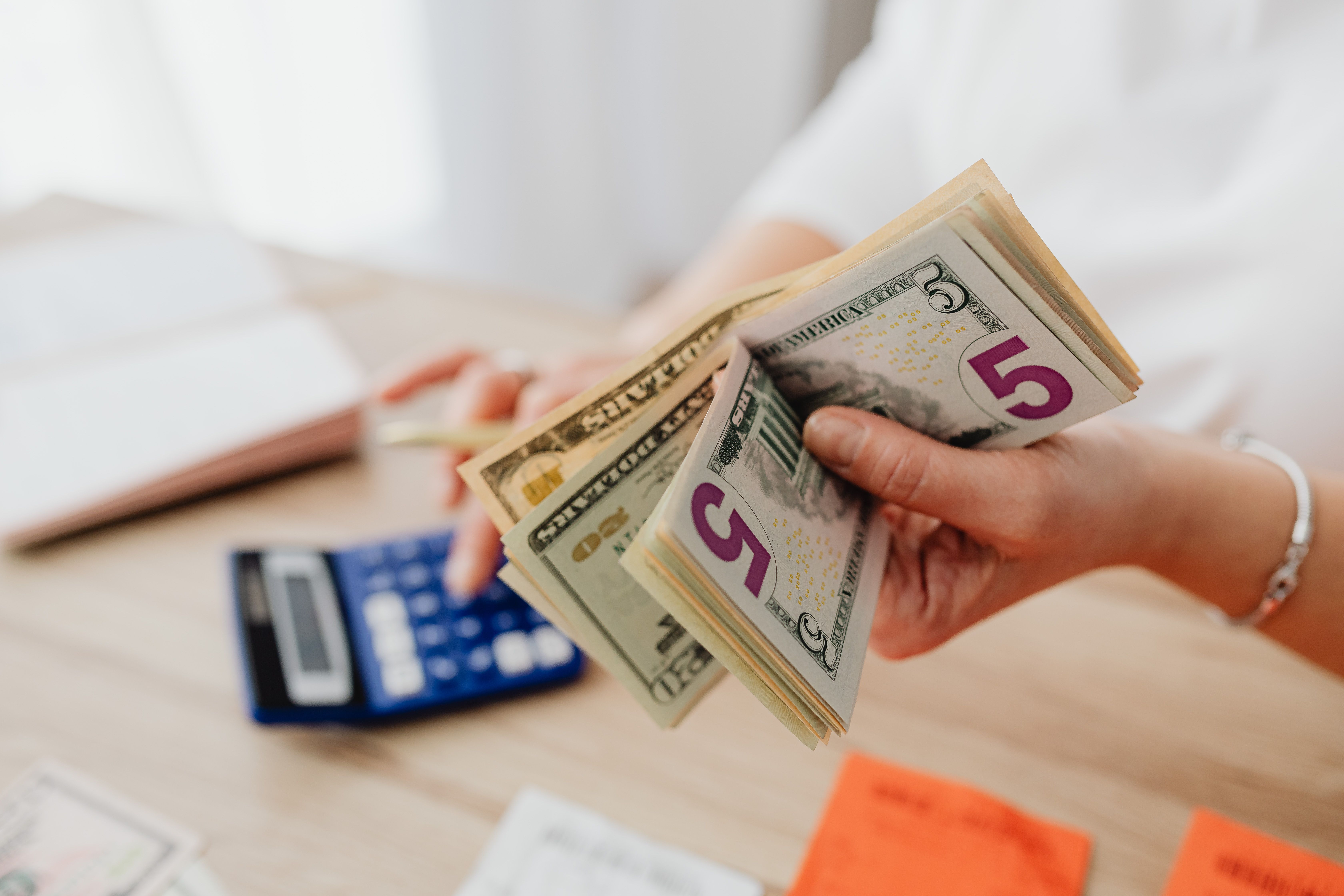
A practical budget covers more than the procedure itself. Consider the following steps when planning:
- Request an itemized quote. Ask for the surgeon’s fee, facility fee, anesthesia, medications, and follow-up care listed separately.
- Clarify what is included. Find out whether revisions, touch-ups, or complications are covered under the original price.
- Estimate recovery costs. Account for time off work, help at home, and any supplies you may need.
- Plan for maintenance. Injectables, laser sessions, and other follow-up treatments may be needed to sustain results.
- Ask about financing. Many practices offer payment plans, though interest and fees vary.
A Final Word Before You Book
Cosmetic costs range widely, and the advertised figure is only the starting point. Comparing itemized quotes, confirming the surgeon’s credentials, and budgeting for recovery and maintenance will give a far more accurate picture than any single average. A consultation with a qualified specialist is the most reliable way to learn what a specific plan will cost.