

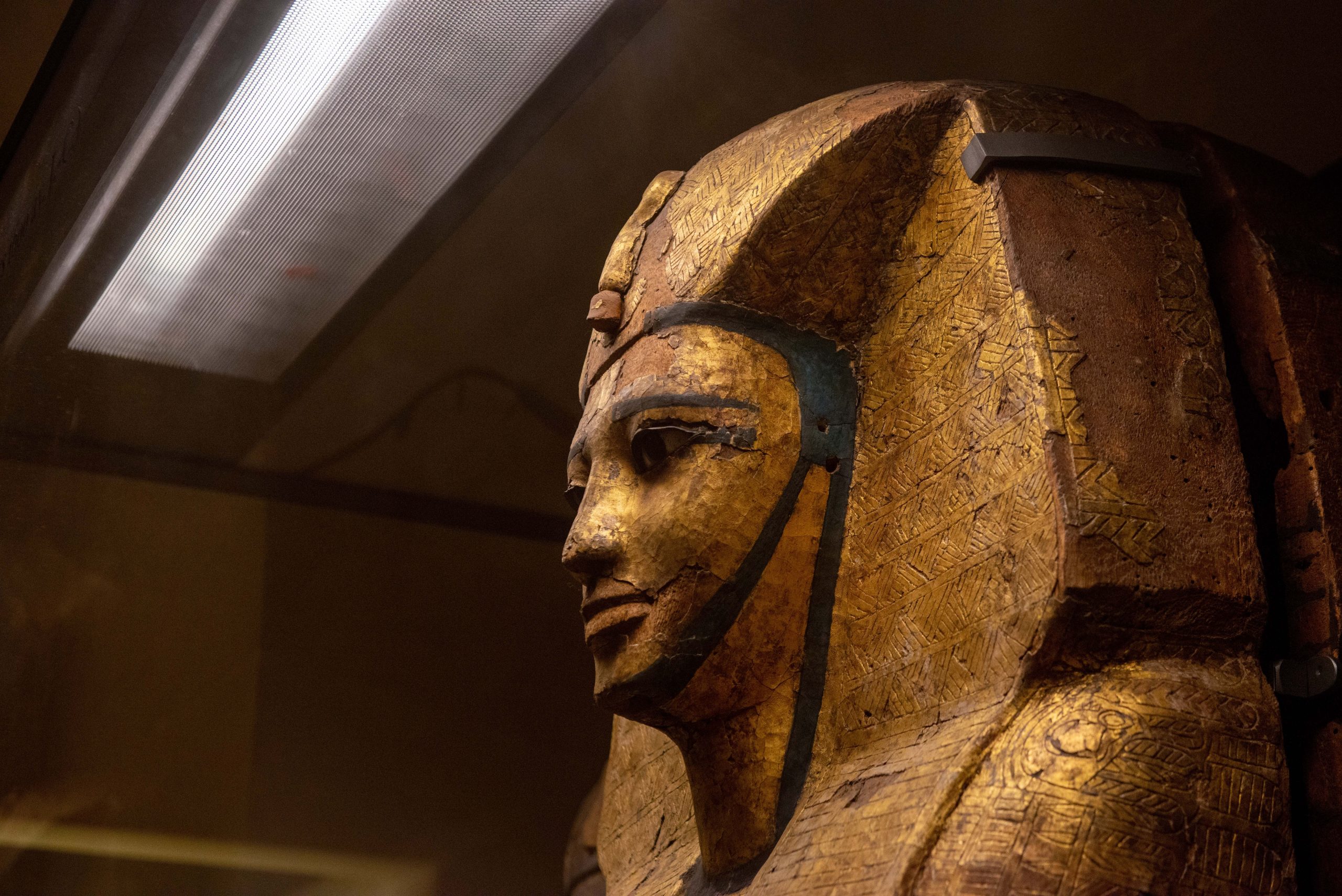
Walk through any online slot lobby or browse a mobile game store and you will find pharaohs, pyramids, and golden scarabs within a few scrolls. Ancient Egypt has been a favorite game theme for decades, and its symbols show no sign of fading. The reasons combine history, visual design, and simple psychology, and they explain why a civilization that ended nearly two thousand years ago still shapes what players see on their screens.
Why Ancient Egypt Keeps Showing Up in Games
Egyptian imagery is not a random collection of old-looking pictures. It is a coherent visual language with strong, recognizable shapes, and that makes it easy for designers to build around. Several factors keep the theme in heavy rotation:
- Instant recognition: Most players can identify a pyramid, a sphinx, or an ankh without any explanation.
- A built-in story: Tombs, curses, buried gold, and divine rivalries give developers ready-made plots.
- Strong color palettes: Gold, turquoise, and deep blue contrast well on screen and read clearly even at small sizes.
- Flexible mechanics: The same theme can support a simple match-three puzzle, a platform adventure, or a complex slot with free spins and multipliers.
Because of this flexibility, Egyptian themes appear across genres rather than staying confined to one niche. The visual shorthand works whether the game is a quick casual title or a long strategy experience.
Symbols That Carry Real Meaning
Hieroglyphs as a Visual Language
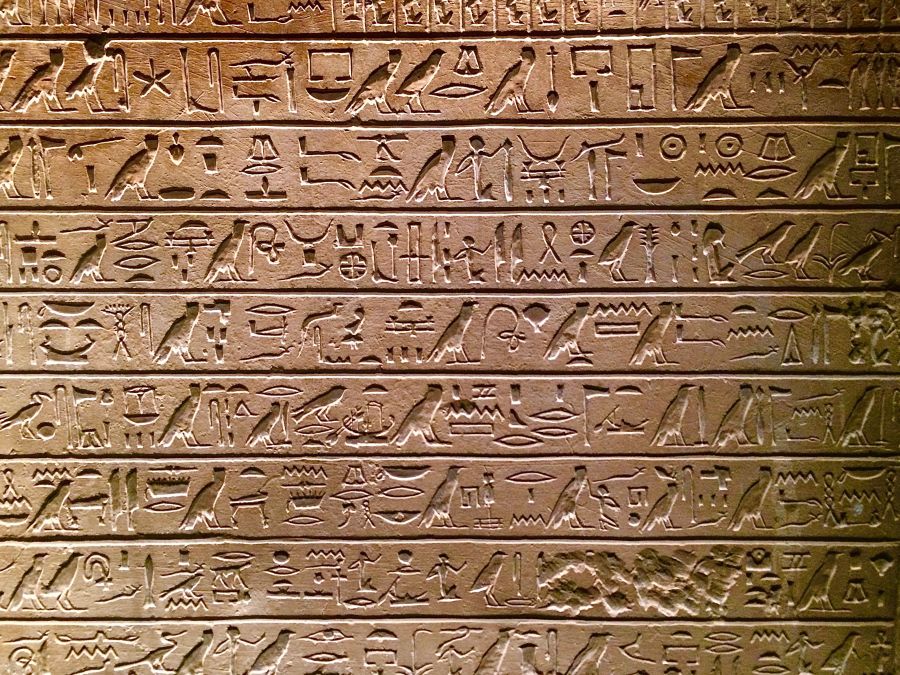
Hieroglyphs were used for writing in Egypt for more than three thousand years, and their carved, blocky forms still look striking today. Game artists often borrow them for borders, title logos, and background walls because they signal age and mystery without needing a single word of translation. Many of the motifs that appear in games are drawn from the wider set of ancient Egyptian symbols that were used in religion, funerary art, and daily life.
Designers tend to pick symbols that carry a clear meaning, which helps players feel that the game has depth. Common choices include:
- The ankh, a looped cross linked to life
- The Eye of Horus, a protective and healing emblem
- The scarab beetle, tied to renewal and rebirth
- The djed pillar, associated with stability
The Ankh, the Eye, and Other Icons
The Ankh and the Idea of Life
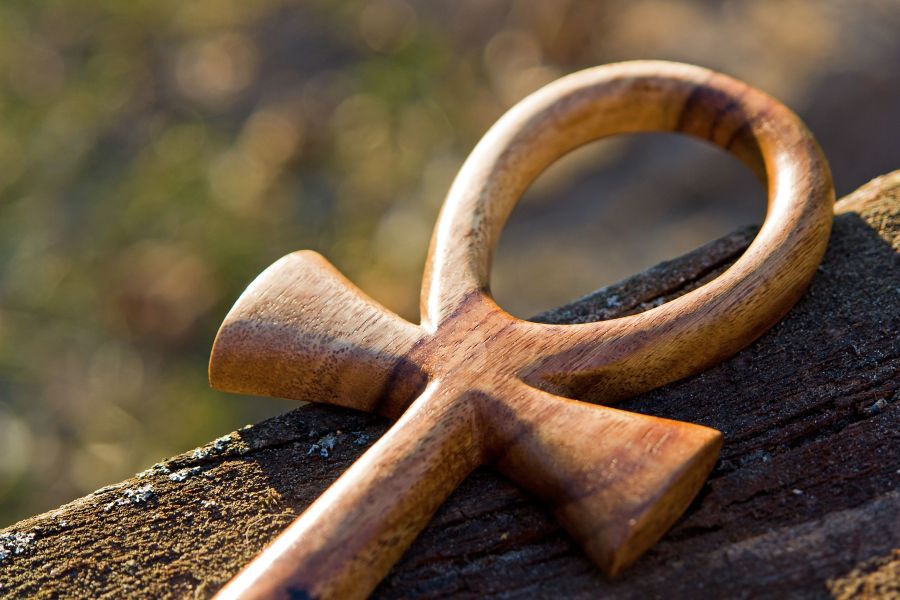
The ankh is probably the most recognized Egyptian symbol in the world. In Egyptian art it represented life and eternal life, and many gods are shown carrying it. That association makes it an obvious choice for games where a symbol needs to feel valuable or special. A high-value ankh in a slot, for example, plays on the same idea that it was once a powerful amulet.
The Eye of Horus and Its Story
The Eye of Horus, also called the udjat or wedjat, tells a story of injury and restoration. In the myth, the god Horus loses an eye in a conflict with Set, and the eye is later made whole again. Because of that story, the symbol came to stand for protection, healing, and completeness, which is why it became one of the most common amulets in Egyptian history. Game designers like it because the shape is simple, memorable, and easy to animate.
The table below summarizes several icons and how they are often used in modern titles. The “common role” column reflects typical game design patterns, not a rule that every game follows.
Mystery, Tombs, and Hidden Treasure
The Appeal of the Unknown
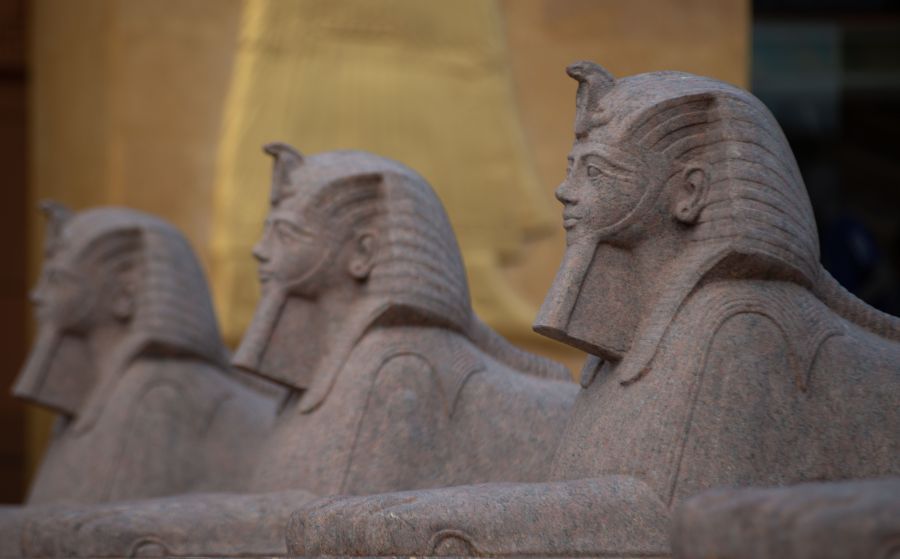
Much of the theme’s staying power comes from the questions that still surround ancient Egypt. Players tend to be drawn to a setting where history feels partly unsolved. Several elements of that mystery translate directly into game design:
- Sealed tombs that suggest hidden rooms and bonus areas
- Buried gold, which maps neatly onto jackpot and reward systems
- Ancient curses and divine punishments that add tension
- Monuments whose construction methods remain debated, which fuels an air of wonder
Academic work on this subject also explains why the symbols feel so layered. Egyptian symbolism shaped most religious art, and researchers continue to study its origins, as described in the scholarship on Egyptian religious iconography. That depth gives designers material that can feel authentic even when a game is built for entertainment.
How Developers Turn Symbols into Gameplay
From Icons to Features
A symbol becomes memorable only when it does something. Developers usually connect Egyptian icons to mechanics that players can understand quickly. Typical approaches include:
- Using a deity or pharaoh as a wild or multiplier character
- Triggering free spins when a set of scarabs appears
- Letting expanding or sliding symbols mimic the idea of shifting desert sands
- Rewarding collection mechanics tied to hieroglyphic tokens
For anyone who wants to see how different studios handle these motifs in practice, the easiest route is to play JILI games and compare the art, pacing, and bonus rounds directly. Seeing several takes on the same theme side by side makes it clear how much the symbols depend on execution.
Frequently Asked Questions
Why are Egyptian symbols used so often in slot machines?
They are instantly recognizable, visually bold, and connected to stories of treasure and mystery, which suits reward-based gameplay well.
Do the symbols in games match their original meanings?
Sometimes. Many games keep the core idea, such as the ankh representing life, but adapt the role of each symbol to fit game mechanics.
Is the Egyptian theme limited to slots?
No. It appears in puzzle games, adventure titles, strategy games, and mobile games of many kinds.
The Symbols Outlasted the Empire
The ankh, the Eye of Horus, and the scarab were meaningful to people thousands of years before any screen existed, and they still carry that weight. Games borrow them because they already mean something, and players respond because the shapes feel both ancient and familiar. The reels and levels are simply the newest place where those old ideas are being retold.