


The paperwork always arrives faster than the answers.
A crash occurs, the phone rings and someone shoves a contract in your face before the bruises have even changed colour. That contract is far more important than most people understand. It determines who owns the claim, who battles with the insurer and how much of any settlement reaches a bank account.
So slow down.
Selecting a car accident attorney shouldn’t be a toss-up in the air. Two hours of homework separates an equitable result from a file collecting dust for twelve months.
Here is exactly how to do that homework…
What’s covered below:
- Why This Homework Matters So Much
- The 5 Checks To Run Before Signing
- Red Flags That Should End The Meeting
- What To Ask In The First Consultation
Why This Homework Matters So Much

Car crashes are not rare events, and neither are the firms chasing them.
On a national scale, NHTSA estimates there were 2.42 million people injured in police-reported crashes during 2024. Texas bears a large burden of those injuries. TxDOT logged 251,977 people injured on Texas roadways during the year. That’s a reportable crash every 57 seconds.
That’s a HUGE pool of potential customers. And where you have many customers you have many firms. Some are excellent. Others are a volume operation that cuts and runs.
That’s exactly why picking a car accident attorney deserves some thought. A qualified Houston car accident attorney will gladly explain how a crash claim is built, who does the day-to-day work and what happens when an insurer won’t pay a fair amount. A sign-and-settle shop will gloss over all of that and direct you right to the signature line.
The good news?
The difference between the two shows up quickly once the right questions get asked.
The 5 Checks To Run Before Signing
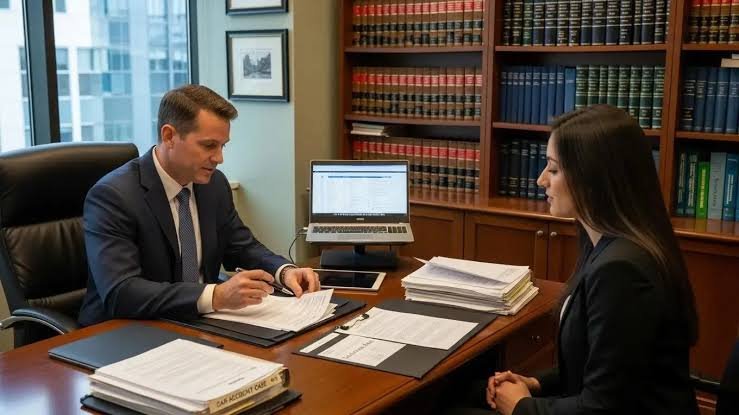
None of these take long. Run all five and the picture gets clear fast.
Check The Licence And Discipline History
Begin with the fundamentals. Are they licensed, in good standing, and admitted in the proper state?
Every state bar has a free public directory. The State Bar of Texas’ “Find a Lawyer” directory indicates licence status, year of admission, and public disciplinary history.
Two things to watch for. 1) An active license with no public sanctions. 2) How long they’ve actually been practicing. Just because someone is a newer lawyer doesn’t mean they are a bad choice….but a new lawyer that doesn’t have any senior trial attorneys overseeing them is a risk.
If a firm gets cagey about this question, that reaction is the answer.
Find Out Who Actually Handles The File
Here’s the part most people skip…
The lawyer you see pitching the service in the TV advert isn’t usually the lawyer working on your case. Many firms sign clients under a high profile name and delegate the file to a case manager who’s overseeing 100 other claims.
So ask directly:
- Who negotiates with the insurance company?
- Who picks up the phone when there is an update?
- Who takes the case to court if it gets filed?
Ask for NAMES. Not job titles. If a company is doing legitimate business they won’t hesitate.
Ask About Trial Experience

Nearly all car accident cases settle. Hear that word true — and understand why this question is important.
Insurance companies have files on what firms file suit, and what firms never file suit. A firm that never places a crash case before a jury has little negotiation power when an adjuster lowballs them because the adjuster knows how the story ends.
Ask them how many cases they’ve taken to trial and when was the last. If you get a vague answer there, that tells you more than any online review will.
Read The Fee Agreement Line By Line
Personal injury attorneys typically work on a contingency fee basis. This means their fee is contingent upon what they recover. Typical contingency fees range from 33% to 40%, and they usually increase after a lawsuit is filed.
That part is normal. What varies wildly is everything around it:
- Case expenses — filing fees, expert witnesses, medical records. Are these taken out BEFORE or AFTER the fee is calculated?
- Lost case — do they still have to pay those costs?
- Switching firms — does previous firm take lien on any future recovery?
Read every word. Question anything that sounds unclear. Expect your attorney to welcome that conversation.
Test How They Communicate

The first meeting is a free preview of the next 18 months.
Do they return calls in one business day? Does someone tell you how the process works and not drown you in legalese? Does the lawyer ask you about treatment and how your crash occurred — or just the insurance limits?
Clients commonly file grievances with their state bars about lawyers who don’t communicate well. Responding slowly before signing retention papers rarely gets better after you sign.
Red Flags That Should End The Meeting
A few warning signs are serious enough to walk away over on the spot:
- A firm settlement figure. No one can give you a number until treatment and evidence are complete.
- Pressure to sign today. Urgency is a sales tactic, not legal advice.
- They contacted you first. Someone you didn’t know calling or showing up at your hospital room following an accident is VERY fishy.
- No written fee agreement. Ever.
- Refusing to name the handling attorney.
- Any suggestion to skip treatment or exaggerate symptoms.
One red flag deserves a hard follow-up question. Two of them deserve the door.
What To Ask In The First Consultation

Most consultations cost nothing, so use them properly. Walk in with this list:
- How many crash cases like this one has the firm handled?
- Who will run this file day to day?
- What is the fee, and how are expenses treated?
- How long does a case like this normally take?
- What is the filing deadline in this state?
- How often will updates come, and who sends them?
Visit two or three firms before you decide. When you lay the answers side by side, the best choice will stand out.
Tying It All Together
Signing with the wrong firm isn’t an insignificant error. It’s one signature that controls your medical bills, negotiation and bottom line months down the road.
To quickly recap the process:
- Confirm the licence and check the discipline record
- Find out who really handles the file
- Ask about trial experience, not just settlements
- Read the fee agreement line by line
- Watch how the firm communicates before committing
- Compare two or three options
None of this takes long, and it costs absolutely nothing.
You’ll feel pressure to sign fast. Expect it to come from those who benefit from you signing quickly. Any reputable company that you would hire will wait a day for you to finish your homework.
Take the two hours. Ask the awkward questions. Then sign.