


Strategic planning gaps between executives and delivery teams rarely appear because people are careless. More often, the plan sounds clear in the boardroom, then becomes harder to use when real work begins. Priorities compete. Capacity is limited. Teams interpret goals differently. Someone says “urgent,” someone else hears “optional,” and suddenly everyone is busy but not moving in the same direction.
The problem is usually not effort. It is translation.
Why Executive Strategy Often Feels Clear Until Work Starts
Executives usually think in outcomes: growth, margin, market position, customer retention, risk reduction. Delivery teams think in work: people, systems, dependencies, deadlines, approvals, and trade-offs. Both views are valid, but they are not automatically connected.
This is where many strategic planning gaps begin. A leadership team may approve five priorities, but delivery teams may not know which one wins when the same specialists are needed on three projects. Have you ever seen a roadmap where everything is marked “high priority”? That is not prioritization. That is a polite way of postponing a hard decision.
HBR’s sponsored Brightline content on strategy delivery makes one useful point: strategy delivery needs the same attention as strategy design, because execution does not happen automatically after planning is finished.
The Missing Link Between Strategy, Portfolio, And Capacity
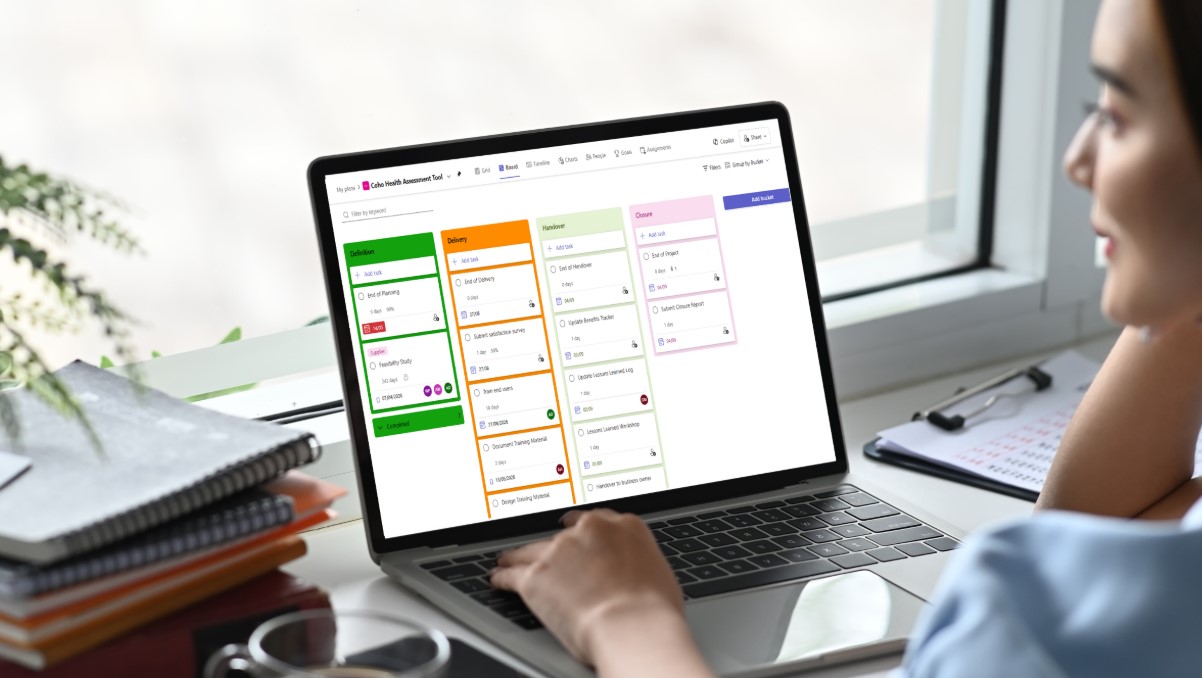
A strategy becomes useful only when teams can connect it to funded work, real capacity, and clear decision-making. Otherwise, it becomes a document people mention in meetings but rarely use when choosing what to start, stop, or delay.
This is where strategic portfolio management tools can be useful. Not because software fixes poor leadership. It does not. But the right system can help leaders and delivery teams see priorities, dependencies, budgets, resources, and trade-offs in one place.
A practical check is simple:
- Can teams see which initiatives support which strategic goals?
- Can leaders see where capacity is already committed?
- Can someone explain why one project is funded and another is paused?
If the answer is no, the gap is already active.
Common Planning Gaps That Create Delivery Problems
Most delivery problems do not begin on the delivery side. I know that is not always a popular thing to say in executive rooms, but it is often true. Teams struggle when plans arrive with unclear ownership, vague outcomes, or too many active priorities.
Here are the gaps I would look for first:
- Strategic goals are written as broad intentions, not measurable outcomes.
- Delivery teams are involved too late.
- Dependencies are discovered after timelines are approved.
- Resource limits are treated as temporary inconvenience.
- Success metrics are unclear or different across departments.
PMI’s 2024 Pulse of the Profession report focused on how project management approaches, work models, and team flexibility affect project performance, which is a useful reminder that delivery conditions shape results, not just ambition.
Good delivery starts before work begins.
Where Executives And Delivery Teams Usually Misread Each Other

Executives may think delivery teams resist change. Delivery teams may think executives ignore reality. Both assumptions are usually too simple. What is really happening? Each side is working with different information.
| Planning Area | Executive View | Delivery Team View |
| Priority | What matters most for business results | What must be done first with available people |
| Timeline | Target date needed for market or financial reasons | Sequence of tasks, dependencies, testing, and approvals |
| Risk | Business exposure or missed opportunity | Technical, operational, supplier, or staffing blockers |
| Progress | Milestones, budget, and reported status | Work completed, issues found, and decisions still pending |
This is why regular translation matters. Not more meetings for the sake of meetings. Please, nobody needs that. The goal is better conversations where leaders and teams compare assumptions before those assumptions become expensive.
How To Close The Strategy Execution Gap Early
Closing the gap starts with asking better questions before the plan is approved. A strategy review should not only ask, “Is this the right direction?” It should also ask, “Can this be delivered with the people, budget, systems, and time we actually have?”
A useful planning routine includes:
- Involve delivery leaders before final approval.
- Rank priorities instead of labeling everything critical.
- Define what will be stopped if new work is added.
- Review dependencies before announcing deadlines.
Intrafocus defines the strategy execution gap as the distance between strategic ambition and actual delivered outcomes, which matches what many teams experience in practice.
One direct question often changes the room: “What are we willing to delay so this can succeed?”
Make Accountability Clear Without Turning It Into Blame

Accountability should help people act, not make them nervous. When no one knows who owns a decision, delivery slows down. When everyone owns a goal, no one really owns the next step. That sounds familiar, does it not?
A better structure separates ownership into clear layers. Executives own strategic choices and trade-offs. Portfolio leaders own prioritization and resource visibility. Delivery leaders own planning, execution, and escalation. Teams own the work they are assigned, but they should not be expected to solve leadership-level conflicts quietly.
Important fact – accountability works best when decision rights are clear before pressure increases.
That means naming who can approve scope changes, who can pause lower-value work, and who resolves conflicts between departments.
Keep Strategy Alive After The Planning Workshop
The planning workshop is not the finish line. It is the starting point for review, adjustment, and honest reporting. A strategy that is not reviewed against delivery evidence will slowly become outdated, even if everyone still respects it.
Monthly or quarterly reviews should focus on a few practical questions. Are strategic initiatives still aligned with business goals? Are delivery teams blocked? Has capacity changed? Are benefits still realistic? Should any work be stopped?
This is where leaders need discipline. It is tempting to add new priorities without removing old ones. I get it. New ideas are more pleasant than cancellation conversations. But delivery teams notice when old commitments never leave the list.
A living strategy needs active choices, not passive tracking.
FAQs
Final Thoughts
Strategic planning gaps between executives and delivery teams are fixable, but only when both sides treat delivery as part of strategy, not as a separate activity. Clear priorities, honest capacity planning, visible trade-offs, and regular reviews make a real difference.
A good strategy should help people decide what to do next. If it cannot do that, it is not ready for delivery yet.