

Modern games often include huge worlds, long tutorials, progression systems, online features, and frequent updates. Classic games usually get players into the action much faster.
Retro titles still attract players because their mechanics are easy to learn but difficult to master.
Short sessions also fit naturally into breaks, while scores, secrets, faster runs, and multiplayer create reasons to return.
Seven games show how strong mechanics can stay enjoyable long after their original consoles and computers disappear.
1. Solitaire
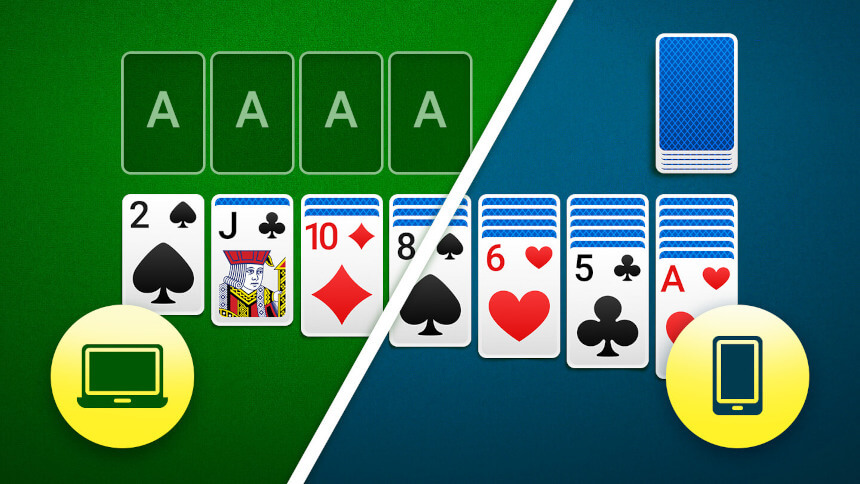
Solitaire became one of the most recognizable computer games after appearing on personal computers used by millions of people.
Its inclusion on desktop systems introduced digital card play to users who might never have purchased a traditional video game.
Rules can be learned within minutes. Players organize cards, reveal hidden ones, and work toward completing the layout before useful moves run out.
Several traits help Solitaire work well in short sessions:
- Random card layouts keep individual games different
- A round can fit into a short break
- Faster completion times create a personal challenge
- Alternative rule sets increase difficulty without changing the core idea
Browser and mobile versions have helped keep Solitaire easy to access long after its classic desktop era.
Browser and mobile versions have helped keep Solitaire easy to access long after its classic desktop era.
Players can also try Free Cell Solitaire online, which uses a 52-card deck and places all cards face-up, making planning and card management central to play.
Nostalgia matters for some players, but the game does not depend on it. Clear rules, short sessions, and constant variation are enough to keep the basic loop effective.
2. Tetris
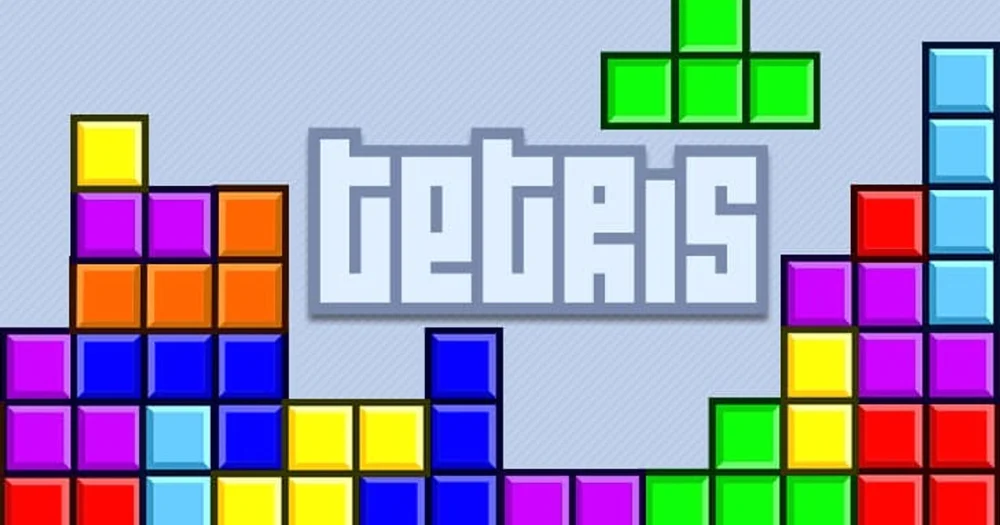
Tetris uses one of gaming’s simplest concepts. Falling blocks must be rotated and placed to complete horizontal lines before the stack reaches the top.
Basic controls take only moments to learn, but higher speeds quickly expose mistakes. Early play allows time for planning, while later stages demand fast decisions and accurate placement.
Score chasing gives each run a clear reason to continue. Players often return to improve line clears, survive longer, or recover more efficiently after a bad placement.
Modern editions have added features without replacing the original formula, including:
- Competitive multiplayer
- Online mode
- Improved visual presentation
- Convenience features that make play smoother on current hardware
Story and realistic graphics are unnecessary. Pressure comes directly through timing, speed, and the risk created by every placement.
Tetris shows how a small set of rules can support decades of competition and repeated play.
3. Pac-Man
Pac-Man gives players an immediate objective: clear pellets inside a maze while avoiding four ghosts. Power pellets temporarily reverse that threat and create short windows for aggressive play.
Simple controls hide considerable depth. Experienced players learn ghost behavior, safer routes, timing, and efficient use of power pellets.
Skill becomes more important as difficulty rises. Later stages punish hesitation and poor positioning, making each mistake more costly.
High-score play adds long-term motivation without requiring a traditional ending.
Short learning time also makes Pac-Man easy to introduce to new players. Anyone can start moving within seconds, while skilled players can spend years refining patterns and decisions.
Few arcade games show the strength of simple but demanding design as clearly.
4. Super Mario World
Super Mario World became one of the defining SNES platformers through precise controls, memorable stages, colorful presentation, hidden exits, and the introduction of Yoshi.
Mario responds quickly to input, which keeps jumping and movement reliable.
Good controls are especially important in platform games because every landing depends on timing.
Yoshi changes how certain enemies, obstacles, and routes can be handled, adding another layer without making the controls difficult.
Replay value grows through hidden exits and alternate paths.
Some stages contain routes that can open new areas on the world map, giving observant players reasons to revisit completed levels.
Level design also helps the game age well. New mechanics usually appear in manageable situations before returning in harder combinations later.
Cutting-edge graphics eventually age. Carefully built levels and responsive controls often last much longer.
5. Sonic the Hedgehog 2

Sonic the Hedgehog 2 helped define Sega’s 16-bit era through momentum, loops, branching routes, fast replays, co-op play with Tails, and a memorable soundtrack.
Speed separated Sonic 2 compared with many slower platformers. Players could build momentum across slopes, race through long sections, and launch through loops at a pace that felt unusually energetic.
Fast movement still required control. Poor timing could send Sonic into enemies, hazards, or slower routes, while experienced players learned how to keep momentum across entire stages.
Branching paths gave repeated runs more value. Later attempts could uncover quicker routes, hidden areas, extra rings, or safer ways through difficult sections.
Tails also supported local cooperative play without turning the game into a complex multiplayer system.
Music and visual presentation gave Sonic 2 a strong 1990s identity, but replayability comes mainly through performance. Finishing a level is only one goal.
Speed works as both a mechanic and a reason to replay familiar stages.
6. A Link to the Past
A Link to the Past launched on SNES in 1991 and became one of the most influential action-adventure games of its era.
Light World and Dark World structure gives players two connected versions of many locations. Changes between those areas affect routes, puzzles, and access to hidden spaces.
Dungeon design rewards observation and experimentation. Locked doors, switches, environmental clues, hidden rooms, and item-based puzzles require more than simple combat.
New equipment gradually changes what Link can do. Areas that appear inaccessible early can become reachable after finding the correct item.
Progress rarely follows one straight path. Players are encouraged to think about location, equipment, clues, and environmental connections.
Many modern adventure games still use similar ideas, including item-based progression, interconnected areas, puzzle-heavy dungeons, and optional secrets.
Historical importance matters, but strong combat, puzzles, and discovery are what keep the game playable decades later.
7. Streets of Rage 2
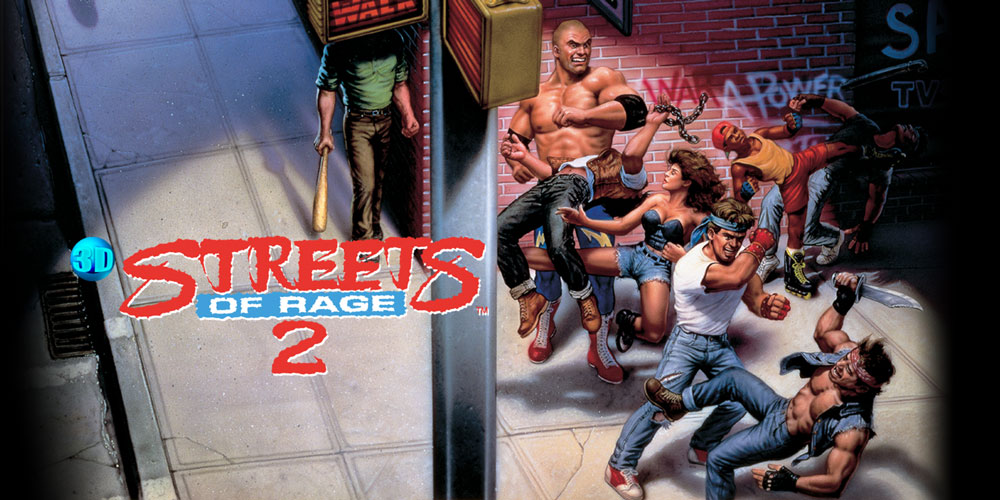
Streets of Rage 2 uses a straightforward setup. Players move through side-scrolling stages, fight groups of enemies, pick up useful items, and work toward boss encounters.
Combat is responsive and easy to grasp. Basic attacks, grabs, throws, jumping moves, and special attacks create variety without demanding long command lists.
Playable characters differ enough to change how a session feels.
Differences in speed, power, reach, and movement give players reasons to experiment.
Local co-op adds another layer without slowing down the action. Two players can control crowds, rescue each other during difficult encounters, and coordinate attacks.
Several elements make longer sessions more engaging:
- Character choices support different play styles
- Enemy groups force constant movement
- Boss fights break up stage pacing
- Electronic music gives each area a strong identity
Short sessions work just as well because players can start fighting almost immediately.
Streets of Rage 2 succeeds by keeping its goal clear: move forward, fight effectively, and cooperate when another player joins.
A Wrap Up
Hardware changes quickly. Graphics improve, storage grows, controllers add features, and game systems become more complex.
Strong gameplay ideas often last longer.
Modern games can offer experiences older hardware could not support. Classic games often offer faster access, clearer goals, and fewer barriers before play begins.
Graphics and hardware eventually become outdated. A satisfying gameplay loop can stay enjoyable for generations.