


Career growth in 2026 will not only belong to software teams. Strong opportunities will sit where products move, gases are stored safely, equipment is repaired, and customers expect service without delays. If you like practical work and clear responsibility, industrial gas, logistics, and technical services deserve attention.
Why these sectors are getting more attention
Industrial gas, logistics, and technical services share one thing: companies cannot pause them without real problems. Hospitals need gases. Manufacturers need steady supply. Warehouses need movement. Restaurants, workshops, laboratories, farms, and construction sites need equipment, delivery, and support.
That is why these paths can be stable. The U.S. Bureau of Labor Statistics projects logisticians to grow 17 percent from 2024 to 2034, much faster than average. That does not make every logistics job easy to get. It means people who understand planning, inventory, delivery timing, and supplier pressure will be useful.
Industrial gas careers with real-world value
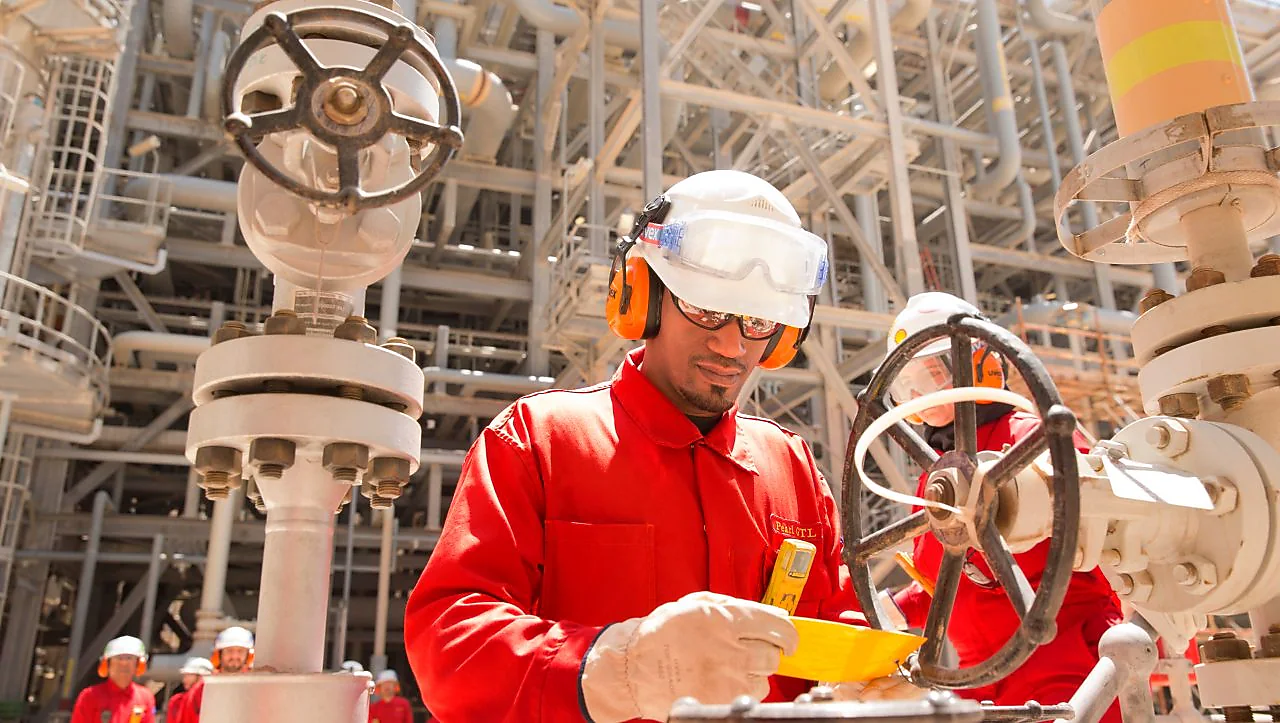
Industrial gas may sound narrow until you notice how many businesses depend on it. Welding, food packaging, healthcare, laboratories, metal fabrication, and heating services all need safe supply and dependable handling. One simple example is a propan automat, where access, stock control, customer convenience, and safety all meet in one service point. Behind that kind of solution, people still need to manage supply, maintenance, inspection, and customer support.
Good opportunities include:
- Cylinder distribution coordinator
- Gas safety and compliance technician
- Industrial gas sales specialist
- Bulk supply planner
If you enjoy practical responsibility, this field rewards calm people who follow procedures.
Logistics roles are becoming more analytical
The best logistics careers in 2026 will not be only about moving goods from one address to another. That part matters, but companies increasingly want people who can read data, spot delays early, compare carrier performance, and explain problems without panic. People who fix delivery issues and keep customers calm are valuable.
Strong roles include logistics coordinator, supply chain analyst, route planner, inventory control specialist, and transportation manager. The Bureau of Labor Statistics projects transportation, storage, and distribution managers to grow 6 percent from 2024 to 2034, with about 18,500 openings per year on average.
Technical services are where reliability becomes a career

Technical service careers often suit people who like equipment more than meetings, although, yes, there will still be meetings. The work usually involves installing, maintaining, checking, repairing, and documenting systems that businesses rely on every day. This includes gas systems, refrigeration equipment, warehouse machinery, compressors, control panels, and safety devices.
The Bureau of Labor Statistics projects employment for industrial machinery mechanics, machinery maintenance workers, and millwrights to grow 13 percent from 2024 to 2034. Strong candidates will combine tool skills with record keeping, safety awareness, and basic digital confidence.
Important fact: technical service is no longer only “fixing things.” It is inspection, prevention, documentation, customer communication, and safe handover.
The roles with the strongest 2026 potential
Here is a practical view of where career opportunities may sit. Titles vary by country and company, but the skill patterns are similar. Use this table as a starting point, not as a final career map. Your local market, language skills, licenses, and willingness to travel will all matter.
|
Career area |
Why it matters in 2026 |
Good fit for |
| Logistics planning | Lower delays and better stock visibility | Organized problem-solvers |
| Technical maintenance | Automation and machinery need support | Hands-on learners |
| Industrial gas safety | Compressed gases require careful handling | Detail-focused workers |
| Field service | Customers need correct repairs | Calm communicators |
| Procurement | Supply risk and cost control remain important | Patient negotiators |
Skills that separate good candidates from average ones

In these sectors, employers rarely hire only for enthusiasm. They want proof that you can be trusted with equipment, customers, schedules, and safety rules. That sounds strict, but it is also good news. You can build proof through certifications, short courses, apprenticeships, warehouse experience, driving experience, technical training, or a well-documented entry-level role.
Focus on skills such as:
- Safety procedures and incident reporting
- Inventory systems and basic data analysis
- Route planning and delivery coordination
- Preventive maintenance habits
- Clear customer communication
The World Economic Forum’s Future of Jobs Report 2025, based on over 1,000 employers representing more than 14 million workers, highlights technology, green transition, and skills gaps as major job forces from 2025 to 2030.
How to choose the right path without guessing
Start with the type of pressure you handle best. Do you like physical problem-solving? Technical services may suit you. Do you like planning and tracking details? Logistics could be better. Do you like customer contact mixed with product knowledge? Industrial gas sales or field support may be a smart route.
A simple way to decide:
- Choose logistics if you like schedules, data, and coordination.
- Choose technical services if you like tools, systems, and troubleshooting.
- Choose industrial gas if you like regulated work, safety, and practical customer needs.
No career path is perfect. Choose work where the difficult parts are manageable.
Career moves worth making before applying

Before you apply, make your profile look useful. Not fancy, useful. List equipment you have worked with, systems you know, routes or stock processes you managed, safety training you completed, and customer problems you helped solve. Hiring managers in these sectors like details because details reduce risk.
Useful steps include taking safety courses, improving Excel skills, learning inventory software basics, and documenting maintenance or delivery results. For industrial gas roles, read basic guidance on compressed gas hazards.
OSHA notes that compressed gases can involve oxygen displacement, fire, explosion, toxic exposure, and high-pressure hazards, which explains why handling precautions matter.
FAQs
Final thoughts
The biggest career opportunities in 2026 will favor people who can keep operations reliable. Industrial gas, logistics, and technical services offer serious paths for people who like useful work.
Choose the area that matches how you think, build proof of your skills, and take safety seriously. These industries also reward people who keep learning after they get hired, especially as logistics tools, maintenance systems, and safety standards keep changing.
If you are not sure where to start, look for entry-level roles that expose you to real operations, not just theory. A steady first role can teach you what kind of pressure you handle well, and that is often the best career signal you can get.