


In 2026, placing an international call to Eritrea is no longer a single technology question. It depends on where you are, how stable your internet connection is, what infrastructure the person in Eritrea has access to, and how much quality you’re willing to trade for price.
Eritrea’s telecoms landscape is shaped by limited competition and a government-run monopoly, which means mobile and internet penetration remain among the lowest in the region.
That reality rewards a careful, well-researched approach: the most economical option for one conversation might not be the best for a weekly family call or a time-sensitive business exchange.
Before you pick a route, benchmark actual prices and rounding rules – the fine print is what you pay, not the marketing banner.
A fast way to calibrate your expectations is to scan a current per-minute rate sheet for a call to Eritrea and see how mobile, fixed, and special prefixes differ. Those small deltas often predict real-world bills better than headline “up to 90% off” claims.
Cost follows infrastructure. International calls to Eritrea ride either the open internet (app-to-app or app-to-phone via VoIP) or traditional switched telephony. Each path has its own economics, latency profile, and vulnerability to congestion.
When the person you’re calling only has a basic handset and limited data access – common outside Asmara – a plain phone call may actually be more reliable per successful minute than an internet call that keeps dropping. Conversely, if both sides have decent Wi-Fi, data calling can deliver reasonable quality at a fraction of legacy tariffs.
What really sets the price in 2026

Three levers matter more than any promotional banner:
Termination rates inside Eritrea. Every international minute to an Eritrean number pays a wholesale fee to EriTel, the state-owned monopoly carrier.
That fee is relatively high compared to more competitive markets, which is reflected in retail prices. Mobile termination, where available, tends to cost more than fixed-line termination.
How the provider bills time. Per-second billing is kinder than per-minute. A 19-second “How are you?” costs a full minute on some services.
Look for disclosures on connection fees and rounding increments; with Eritrea’s higher baseline rates, these add-ons often matter even more than in cheaper-destination markets.
Network quality along the path. Cheap routes that traverse multiple intermediaries can sound hollow or clip words; better routes pay for higher priority.
Eritrea’s domestic network has limited redundancy, so the quality of the final mile is largely outside your control – which makes choosing a reputable international provider all the more important.
One macro factor to keep in mind: Eritrea has one of the lowest internet and mobile penetration rates in Africa. Public datasets from the International Telecommunication Union put structure around those trends, and they align with what callers report anecdotally – connections in Asmara are generally more reliable, while calls to rural areas or smaller towns can be significantly harder to complete.
A fast decision tree you can actually use
Both sides online and comfortable with apps? Use internet-based voice (app-to-app). It’s typically the cheapest path on Wi-Fi, though internet access in Eritrea is limited and expensive, so don’t assume the other side has reliable data.
You have data; the person in Eritrea only wants a regular phone call. Use an app’s “out” feature (VoIP-to-PSTN) to dial their number. It is often cheaper than your carrier’s international plan and more flexible than calling cards.
Your internet is unstable or the conversation is important. Use a traditional international call via your mobile or a landline. Pay a little more for reliability and consistent signaling – to Eritrea, this trade-off is often worth it.
No international plan and you prefer cash-based control. Use a calling card or a local access “call-through” number. Expect more steps, but sometimes a better price for longer sessions.
Rule of thumb: if you can confirm the person in Eritrea has reliable connectivity, data calling is the better value. If you can’t confirm that – and with Eritrea, you often can’t – pay for a route that guarantees completion and accept a slightly higher tariff.
Dialing Eritrea correctly (so you don’t pay for misdials)
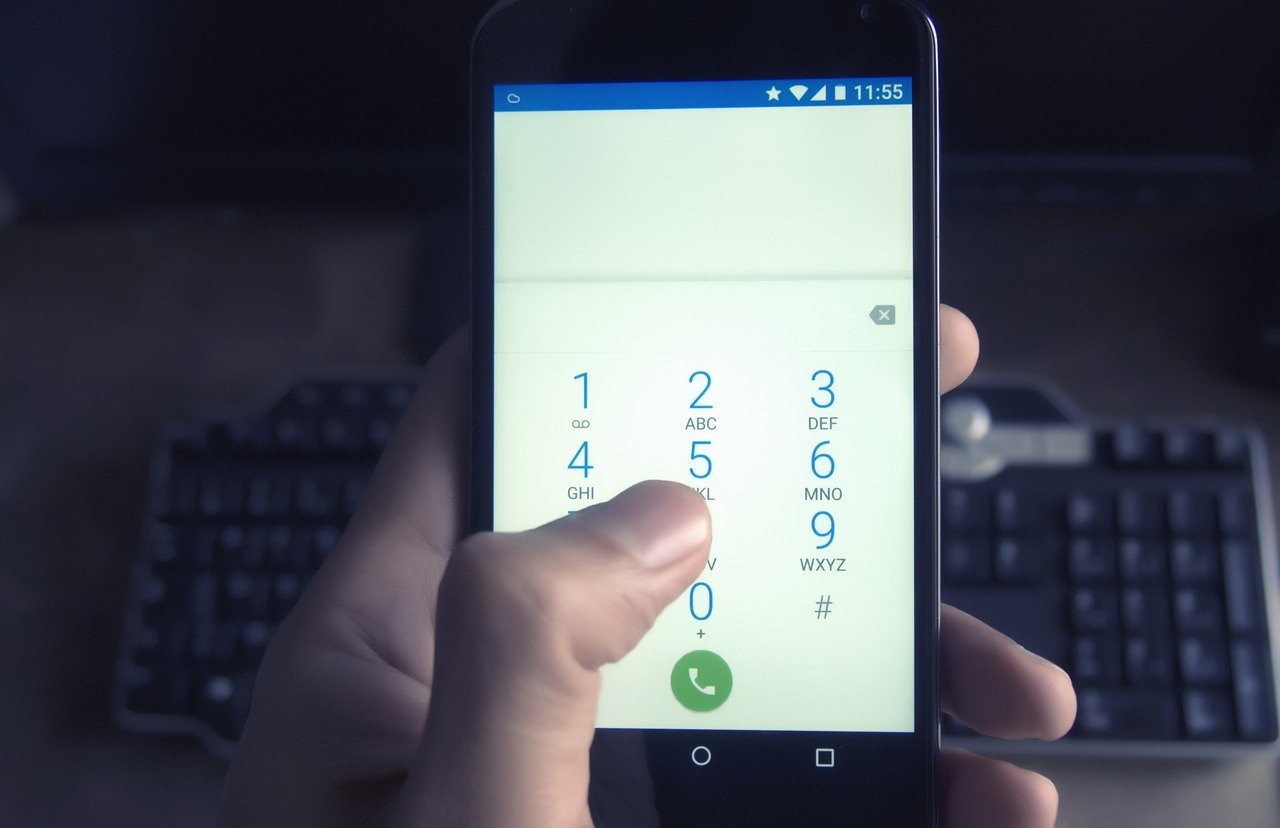
Eritrea’s country code is +291. When calling from abroad, drop any leading 0 from the local number.
For example, a number that looks like 07XXXXXXX inside Eritrea becomes +29107XXXXXXX from outside.
Fixed lines in Asmara use the area code 1: the local format 01XXXXXX becomes +2911XXXXXX internationally. Save contacts in your phone with the full international E.164 format to avoid the common and costly mistake of double prefixes or missing country codes.
Wi-Fi and app-based calling: when it works, it’s the best value

When both you and the person in Eritrea have access to a stable connection, internet-based voice is the most cost-effective option.
Modern audio codecs are resilient: they compress speech efficiently and adapt to changing bandwidth, often keeping calls intelligible with limited data. On a typical link, voice consumes roughly 0.2-0.6 MB per minute – far less than video calling.
To make this approach work consistently:
- Prefer Wi-Fi to mobile data when possible. If you must use mobile, stay in areas with strong signal. In Eritrea, Wi-Fi at larger hotels in Asmara is typically more stable than mobile data connections.
- Minimize background load. Pause big downloads and cloud backups before the call. On limited bandwidth, even a single background sync can degrade voice quality significantly.
- Use a wired or quality headset. Even a perfect network can’t fix a laptop mic pointed at a table. Where possible, wired beats wireless: Ethernet to your router and a wired headset reduces packet loss and echo.
- Avoid VPNs during voice sessions. They can add latency and force your traffic through congested paths, making an already challenging call worse.
- Let the app adapt. Most modern clients switch codecs dynamically. Interruptions often stop after a few seconds if you don’t keep forcing reconnections.
Important caveat: internet access in Eritrea is heavily restricted and among the most expensive on the continent. Do not assume the person you’re calling has reliable or affordable data.
If in doubt, a traditional phone call is more likely to connect and to complete without interruption.
Traditional telephony: the most reliable path to Eritrea

For important, time-sensitive, or emotionally significant conversations, a conventional international call via your mobile or a landline remains the most predictable choice when calling Eritrea.
You’re paying for more than minutes: you’re buying reliable signaling, stable latency, and a connection that doesn’t depend on the recipient having internet access.
To keep costs in check on this route:
- Ask your carrier for an international add-on. A modest monthly fee can cut per-minute charges significantly. Verify billing increments and whether mobile and fixed lines in Eritrea are priced differently.
- Consider call-through numbers. These services provide a local access number you dial first; after recognition, you enter the Eritrean number. They piggyback on local minutes and route internationally, often at competitive prices.
- Scrutinize fees carefully. Look for connection charges that apply on every call, and avoid services that bill in 60-second lumps if your calls are often short. At Eritrea’s rate levels, these add-ons have a proportionally larger impact on your total bill.
Traveling? Build your plan before you leave
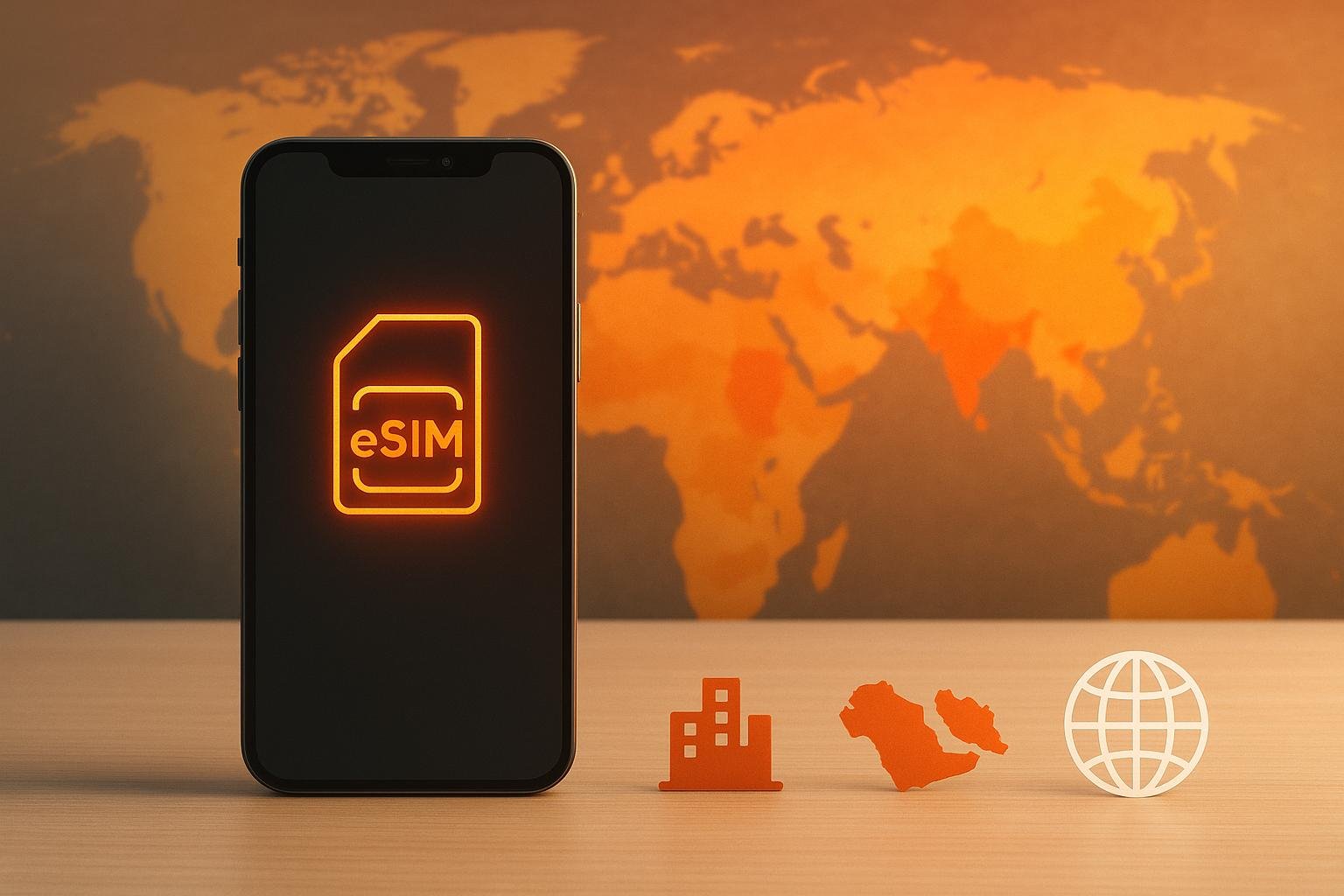
When you’re abroad and need to reach Eritrea, resist impulse dialing over standard roaming unless it’s an emergency. Voice roaming rates remain punishing in many regions. A smarter stack for travelers in 2026 is:
- eSIM data or a local prepaid SIM in the country you’re visiting. Provision data on arrival, then use a VoIP app to place calls to Eritrea.
- A fallback calling card with a local access number, for situations where data simply refuses to cooperate. Since completing a call to Eritrea is harder than to most destinations, having this backup matters more than usual.
Security and privacy, briefly
Traditional phone calls route through carriers and can be lawfully intercepted. Some internet-based services offer end-to-end encryption for app-to-app calls, but this protection does not extend to calls that terminate on the public telephone network.
If you handle sensitive information, verify which mode you’re using and understand the privacy policies in both your country and Eritrea before assuming a particular level of confidentiality.
Costs in context
Retail prices to Eritrea tend to be higher than to many African destinations, reflecting the state monopoly’s termination fees. As a rough orientation in 2026, discount VoIP and call-through services typically quote somewhere between $0.17 and $0.45 per minute depending on the provider and whether you’re calling a mobile or a fixed line, while standard carrier rates without an international add-on can run several times that. Treat these figures as a snapshot – rates shift, which is exactly why checking a current rate sheet before committing pays off.
You’ll typically see one rate for mobiles and another for fixed lines, and even at similar per-minute quotes, effective costs diverge because of rounding and connection fees. Track your real average – how much you pay divided by completed minutes – over a couple of weeks.
If the number surprises you, switch provider. Eritrea has among the lowest fixed-line and mobile subscription rates in the region, which is part of why calling it costs more: there is less competition, less infrastructure investment, and fewer routes to choose from.
A one-minute checklist to pick the right path
- Does the person in Eritrea have reliable internet access? Yes: use app-to-app voice. No or unsure: use a traditional phone route.
- Is the call short and casual? Favor per-second billing and avoid providers with connection fees – these add up fast at Eritrea’s rate levels.
- Is the call long or important? Pay for a higher-quality route or a carrier ILD add-on. The incremental cost is worth it for reliability.
- Traveling? Use eSIM data plus a VoIP app, and keep a calling card as a safety net.
There is no single permanent “cheapest” way to reach Eritrea, because the cheapest minute is the one that completes cleanly, at the first attempt, with clear audio on both ends. In a constrained telecoms environment like this one, a reputable provider with transparent billing and reliable routes matters more than shaving a fraction of a cent off the headline rate.
Focus on the actual conditions on each end rather than the label on the technology, and picking the right method becomes straightforward, repeatable, and measurably cheaper over the course of a year.