

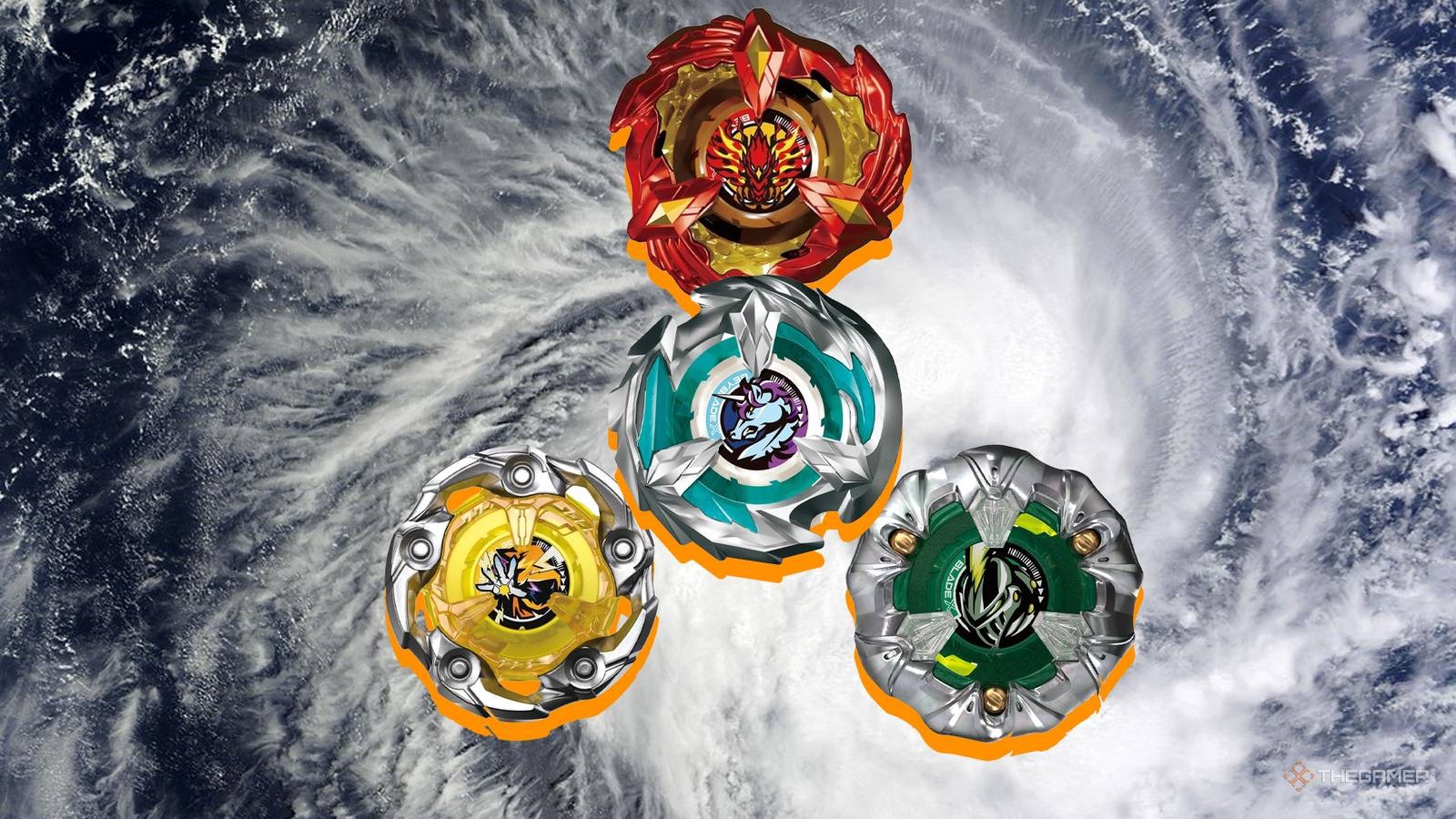
Beyblade Burst has become one of the most recognizable modern toy battle systems, combining mechanical design, collectible components, and competitive gameplay.
Since its introduction, Beyblade Burst has attracted players around the world who enjoy customizing their tops and battling them in specially designed arenas.
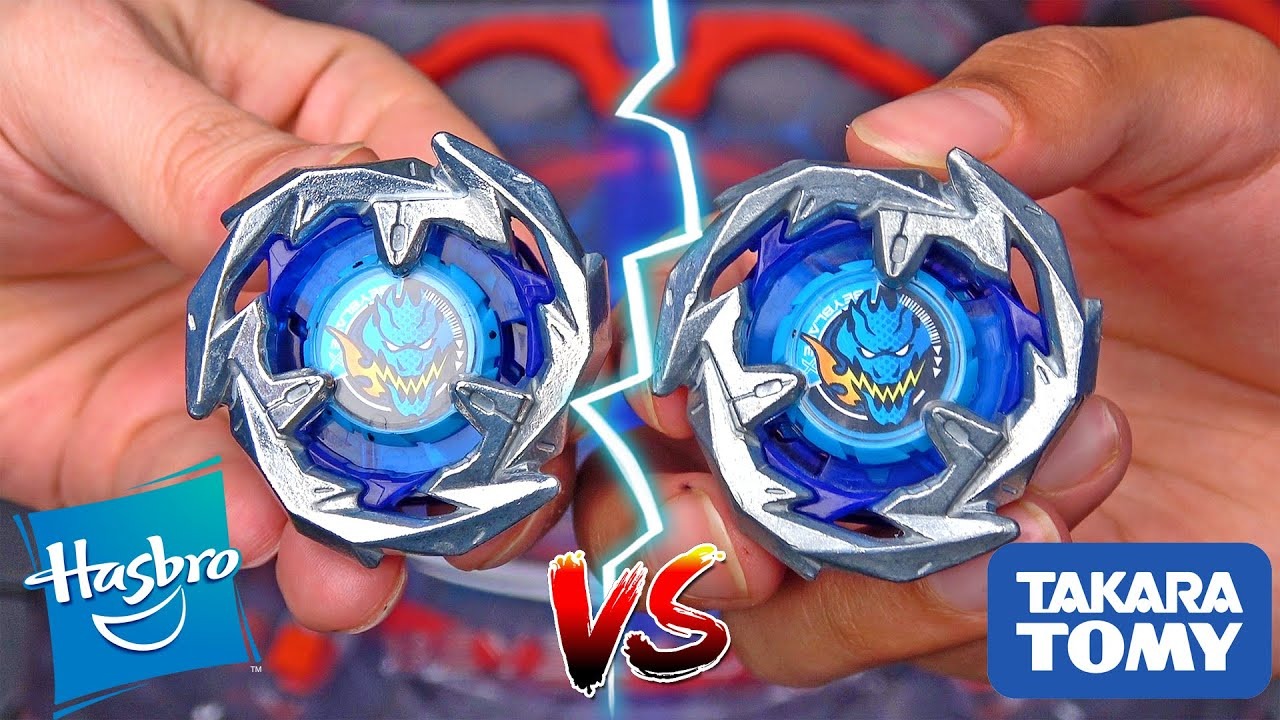
However, one of the most discussed topics within the Beyblade community involves the differences between two major manufacturers: Hasbro and Takara Tomy.
Both companies produce Beyblade Burst products, but they often differ in design philosophy, materials, and gameplay mechanics. For collectors and competitive players, understanding these differences can help determine which versions of the toys best match their preferences and play styles.
The Origins of Beyblade Burst
Beyblade as a concept originated in Japan in the late 1990s when Takara Tomy introduced spinning-top battle toys inspired by traditional battling tops. The idea quickly became popular among children and hobby enthusiasts, eventually expanding into animated television series, tournaments, and collectible toy lines.
The Beyblade Burst generation introduced a unique feature known as the “burst system,” which allows a top to break apart when struck with enough force during battle. This mechanic adds an extra layer of excitement and unpredictability to matches, since victory can occur not only by outspinning an opponent but also by causing their Beyblade to burst.
As the Beyblade Burst series expanded globally, different manufacturers began producing their own versions of the toys for different markets.
Two Major Manufacturers: Hasbro and Takara Tomy
Takara Tomy, the original Japanese manufacturer, produces Beyblade Burst toys primarily for the Japanese and Asian markets. These versions are often considered the original designs because they are released first and follow the storyline of the anime series closely.
Hasbro, an American toy company, produces Beyblade Burst products for many Western markets, including North America and parts of Europe. Hasbro’s versions are often adapted for broader accessibility and mass distribution.
Players researching competitive gameplay often explore guides discussing beyblade burst hasbro vs takara tomy to better understand how these two product lines compare.
While both companies produce compatible toys within the same general system, the details of design and construction can vary significantly.
Differences in Materials and Build Quality
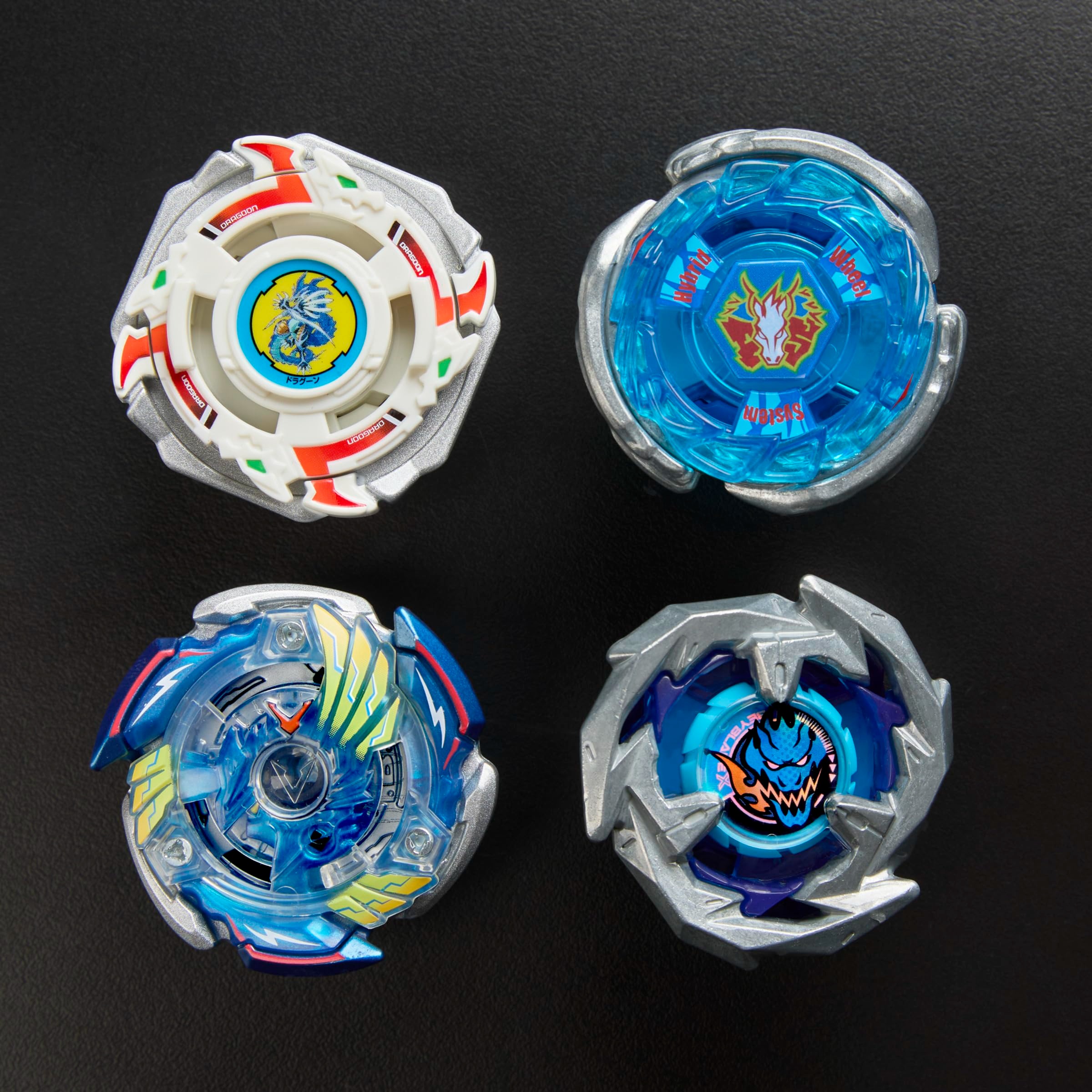
Takara Tomy models often incorporate metal components and detailed engineering that closely match the original anime designs.
These metal elements can increase weight and durability, which may influence battle performance in certain situations.
Hasbro versions, in contrast, sometimes simplify designs or replace metal parts with plastic components. These adjustments may reduce manufacturing costs and make the toys lighter or easier to produce in large quantities.
While these changes do not necessarily make the toys inferior, they can lead to noticeable differences in weight, balance, and overall feel during battles.
Performance and Competitive Play

Performance differences between the two brands often become most apparent during competitive matches. Because Takara Tomy Beyblades frequently contain metal components and detailed engineering, they may demonstrate stronger stamina, attack power, or stability in some cases.
Competitive players often prefer Takara Tomy models when participating in tournaments or serious battles.
Hasbro versions, however, remain extremely popular among casual players and younger audiences. Their designs often focus on accessibility and ease of use rather than precise competitive balance.
For recreational play, both brands provide enjoyable experiences, but competitive enthusiasts frequently compare performance characteristics carefully when selecting their Beyblades.
Design Variations and Customization
In Beyblade Burst players can combine different layers, discs, and drivers to create unique configurations suited to different battle strategies.
Takara Tomy versions typically maintain closer alignment with the anime series designs, including intricate details and color schemes. Many collectors appreciate these versions for their visual accuracy and craftsmanship.
Hasbro versions may sometimes feature simplified design elements or unique variations not present in the original Japanese releases.
These variations mean that collectors and players may choose different versions depending on whether they prioritize accuracy, performance, or accessibility.
Release Schedules and Product Availability
Takara Tomy usually releases new Beyblade models in Japan first, often following developments in the Beyblade anime storyline.
Hasbro versions typically appear later, sometimes with modified designs or different packaging for international markets.
This delay can influence purchasing decisions among enthusiasts who want to obtain the latest models as soon as they become available.
Online retailers and hobby communities often track new releases closely, allowing collectors to stay informed about upcoming Beyblade products.
The Role of Stadiums and Launchers
Beyond the Beyblades themselves, stadium designs and launchers can also differ between Hasbro and Takara Tomy products.
Takara Tomy stadiums often follow specific shapes designed to enhance competitive gameplay. These designs influence movement patterns, collisions, and battle dynamics.
Hasbro stadiums sometimes include unique gimmicks or structural changes intended to create dramatic battle moments. While these designs can be exciting for casual play, they may behave differently from traditional competitive stadiums.
Launchers—the devices used to spin the Beyblades—can also vary in power and construction between the two brands.
Community Discussions and Player Preferences
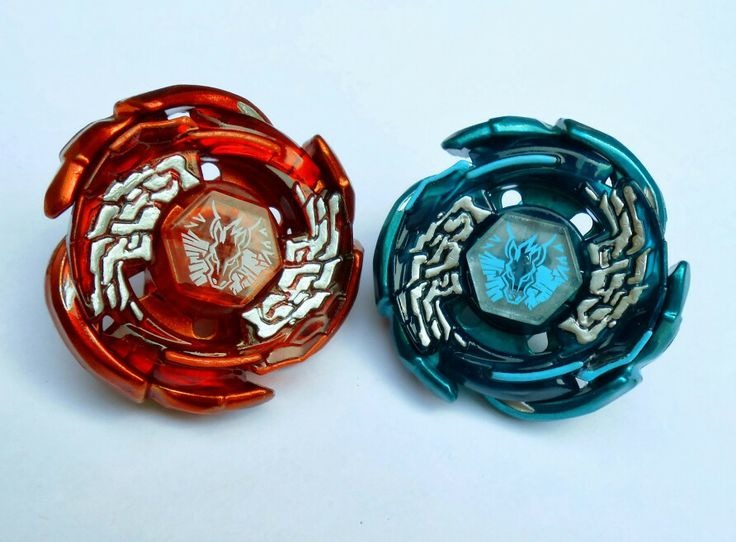
Enthusiasts frequently analyze battle videos, performance statistics, and component designs to determine how different Beyblades perform.
Online forums, video platforms, and hobby blogs provide spaces where players share experiences and strategies. These conversations help new players understand the strengths and limitations of different Beyblade versions.
Collectors also contribute to these discussions by documenting variations between releases and tracking rare or limited-edition products.
Toy Design and Engineering Insights
Beyblade Burst toys represent an interesting example of mechanical toy design. Engineers must balance weight distribution, rotational speed, and durability while ensuring the toys remain safe and engaging for players.
The burst mechanism itself requires precise engineering so that Beyblades remain stable during normal spinning but can separate when struck with sufficient force.
Toy designers often experiment with different shapes, materials, and component structures to create unique gameplay dynamics.
According to information from the Toy Association, modern toy design increasingly incorporates engineering principles that encourage interactive play and creativity among children and hobby enthusiasts.
Collecting and the Future of Beyblade
Beyblade Burst continues to attract collectors and competitive players around the world. Limited releases, special editions, and region-exclusive models have made the toy line appealing not only as a game but also as a collectible hobby.
As the Beyblade franchise evolves, new generations of products may introduce additional mechanics or design innovations that expand the gameplay experience.
For players and collectors alike, understanding the distinctions between Hasbro and Takara Tomy versions provides valuable insight into the broader world of Beyblade design and competition.