


Nobody calls an upholstery cleaner because everything is going great. Usually there’s a stain. Or a smell that survived three rounds of Febreze. Or a sofa that’s starting to look its age in a way that’s hard to explain but impossible to ignore.
Fair enough. But here’s what most people discover only after the job is done: the obvious problem – the stain, the odor, the dullness – turns out to be the least interesting thing that got fixed.
Professional upholstery cleaning services NYC deliver a set of outcomes that nobody particularly advertised, and that most clients didn’t see coming.
Six of them are worth knowing about before you even pick up the phone.
1. Your Furniture Actually Gets Younger
Not metaphorically. Structurally.
Dirt embedded in upholstery fibers doesn’t just sit there looking bad – it behaves like fine-grain sandpaper. Every time someone sits down, shifts position, or gets up, those microscopic abrasive particles grind against fabric at the fiber level. The result is premature thinning, fraying, and the kind of tired, flat texture that gets misread as “old furniture” when it’s actually “dirty furniture.”
Professional extraction removes the abrasive load. Fabrics that were technically intact but felt worn often regain a texture and resilience that surprises their owners. The sofa didn’t age – it accumulated. There’s a meaningful difference.
The average quality sofa in the US costs around $1,000. Professional cleaning, done annually or every 18 months, is a fraction of that. The math on furniture longevity is straightforward once someone shows it to you.
2. It Changes the Air in the Room – Not Just the Furniture
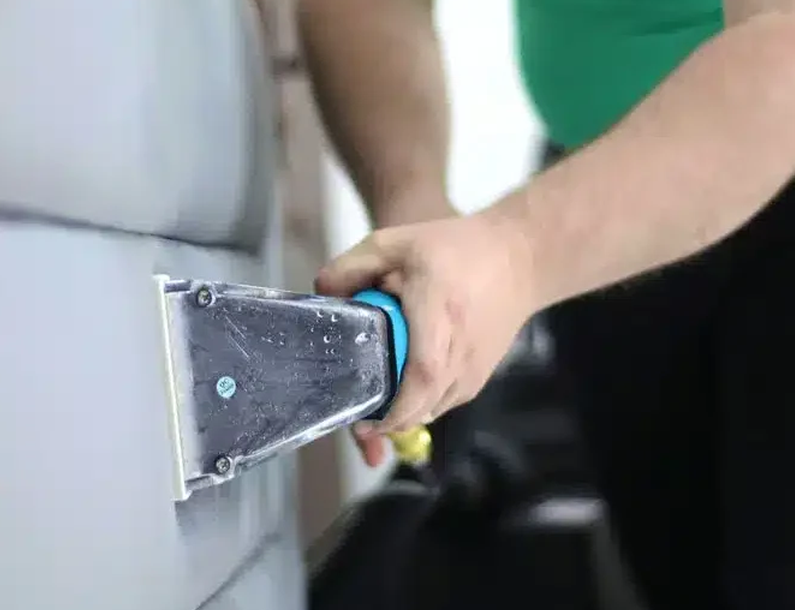
This one sounds like marketing. It isn’t.
The EPA consistently reports that indoor air pollutant levels run 2 to 5 times higher than outdoor levels. Upholstered furniture is a major reason why – fabric acts as a slow-release system for whatever it has absorbed: dust mite waste, pet dander, mold spores, skin particles, pollen tracked in from outside.
These don’t stay in the couch. Every time the cushion compresses, particles become airborne. You breathe them. The people in your household breathe them. Guests breathe them within thirty seconds of sitting down – though they’re too polite to mention it.
After professional deep cleaning, the particulate release from furniture drops significantly. People with allergies or respiratory sensitivities often notice the change before anything else. The room just becomes easier to be in. Not cleaner looking – actually cleaner, in the atmospheric sense.
3. That Smell You Stopped Noticing Gets Removed
Here’s an uncomfortable truth about the human nose: it adapts. Within days of a new odor entering a space, the brain begins filtering it out as background noise. Homeowners genuinely cannot smell their own homes the way visitors can.
A significant portion of “house smell” – that ambient scent every home has, which guests register immediately – originates in upholstered furniture. Body oils, food particles, pet presence, and organic buildup from years of daily use create a layered baseline odor that air fresheners cannot address because they don’t touch the source.
Professional cleaning removes the source. The result isn’t a new scent – it’s a subtraction. Rooms smell less like anything at all, which is the actual definition of fresh. As designer William Morris once observed: “Have nothing in your house that you do not know to be useful or believe to be beautiful.” The unspoken extension of that principle: nothing in your home should smell like last Tuesday.
4. Children and Pets Are the Ones Who Benefit Most
Adults sit on the sofa. Kids live on it – face-down, mouth-open, nose buried in a cushion during Saturday morning cartoons. Pets do the same, often for hours at a stretch.
The American Lung Association notes that dust mite allergens are present in roughly 4 out of 5 American homes, with upholstered furniture among the primary accumulation zones. For small children whose immune systems are still developing, and for pets with sensitivities to dander and mold, the furniture they spend the most time touching directly affects their daily health.
This isn’t about visible mess. A sofa can look spotless and still be a concentrated source of allergens at the height where a toddler plants their face. Professional cleaning addresses what the eye can’t evaluate. Parents who’ve made the switch often connect the dots retrospectively: fewer unexplained sniffles, better sleep, less scratching in pets.
5. Stains You’d Written Off Come Back From the Dead
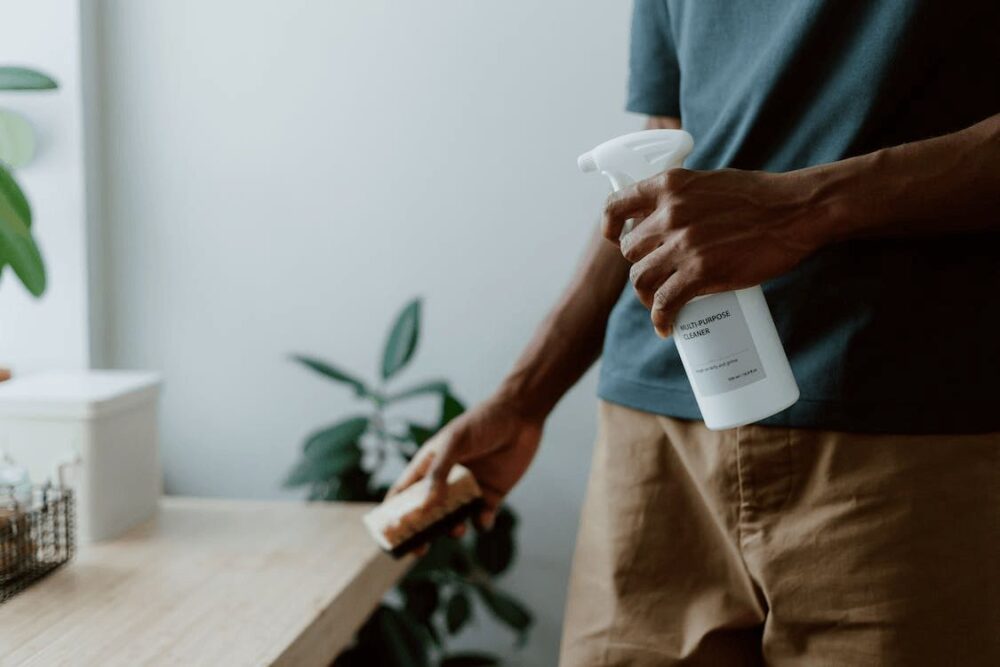
There’s a category of stain – the ones that have been there long enough that they’ve become part of the furniture’s identity. The wine from that dinner party. The coffee ring from some forgotten morning. The mystery spot that nobody claims.
Professional upholstery technicians work with fabric-specific chemistry and equipment that reaches the full depth of the stain rather than agitating it at the surface. Many stains that homeowners have accepted as permanent turn out to be entirely removable when addressed with the right method and the right product for the specific material.
Not every stain comes out. Set-in stains on certain delicate fabrics have limits. But the surprise rate – stains that were considered lost causes that came back clean – is higher than most people expect. It’s one of the most consistent pieces of feedback from first-time clients.
6. It Resets the Room Without Buying Anything New
Interior refresh projects tend to follow a familiar arc: the room looks tired, so the conversation turns to new furniture, new rugs, maybe a coat of paint. New furniture gets purchased. Two months later the room still feels a bit flat.
The issue is often the existing upholstery – its accumulated dullness creates a visual baseline that makes everything around it look dated by association. After professional cleaning, colors become more distinct, fabric texture recovers closer to its original state, and the entire room reads differently. Not because anything changed structurally – because what was dulling the room got removed.
It’s the home equivalent of cleaning your glasses and suddenly realizing you could see perfectly well all along. The room was fine. The furniture needed attention.
Most of these benefits don’t appear in the before photos. They’re documented in the after – in the air, in the sleep quality, in the credit card bill that didn’t go to a furniture showroom. Professional upholstery care is one of those home maintenance decisions that pays you back in ways you didn’t think to ask for, which is the best kind of ROI there is.