

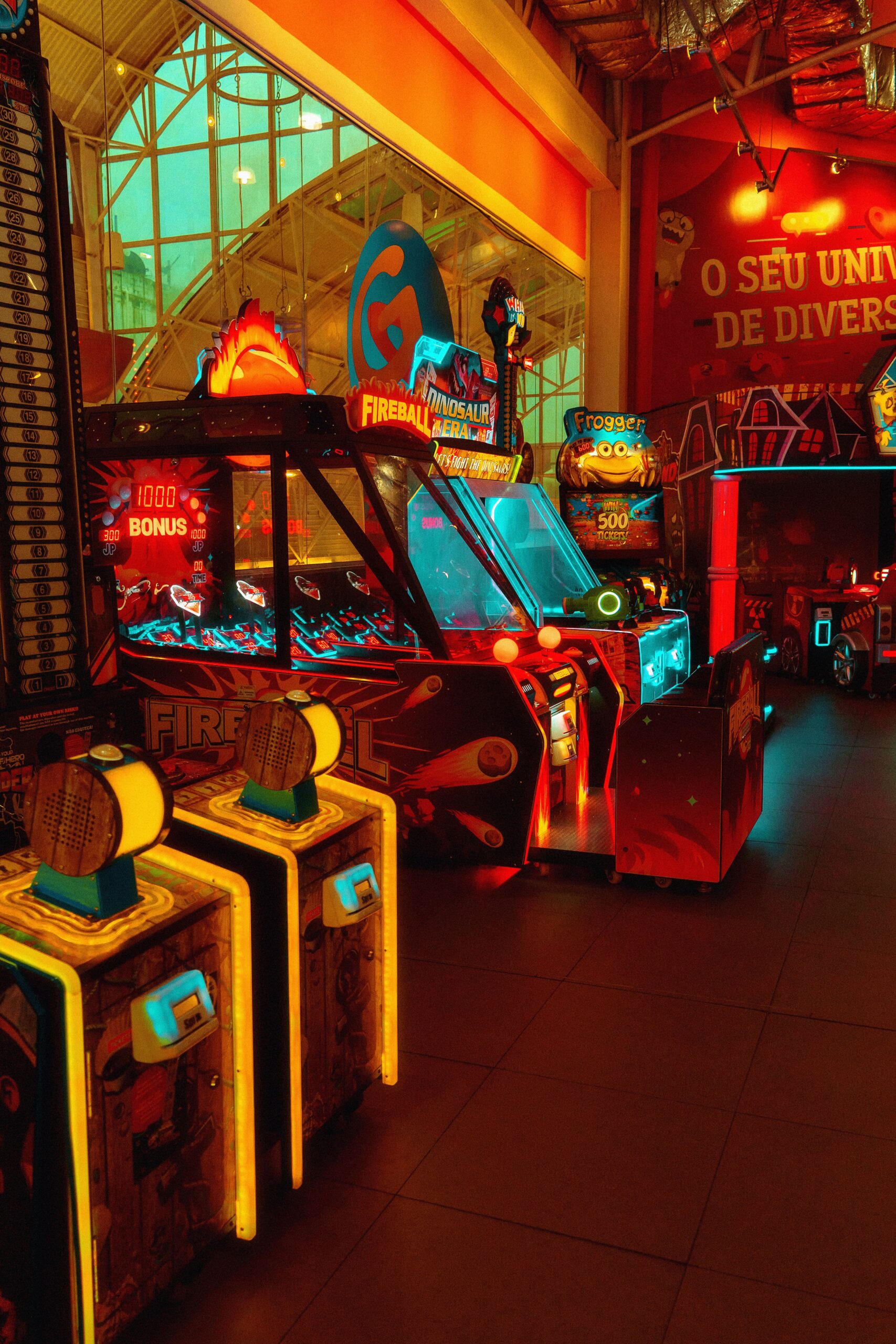
Every few months another headline declares that “retro gaming is back,” usually accompanied by a stock photo of an SNES controller and a stat about how many Millennials bought a mini console for Christmas. That’s not really what this is about. Buying a plug-and-play Sega Genesis to look at on a shelf is nostalgia. What’s actually interesting is the much smaller list of old games that people are still playing, competing in, and setting new records on, right now, in 2026, against opponents who in some cases weren’t alive when the game came out.
I went looking for that list specifically, which meant throwing out a lot of games that get lumped into “retro” lists purely because they feel old. Minecraft, Terraria, and The Binding of Isaac all had huge 2026 moments, but they’re indie-era titles from 2011 to 2014, not old-school in any meaningful sense. The games below are the real thing: some are pushing their 30th or even 45th anniversary and still drawing crowds, prize pools, and Twitch chat drama.
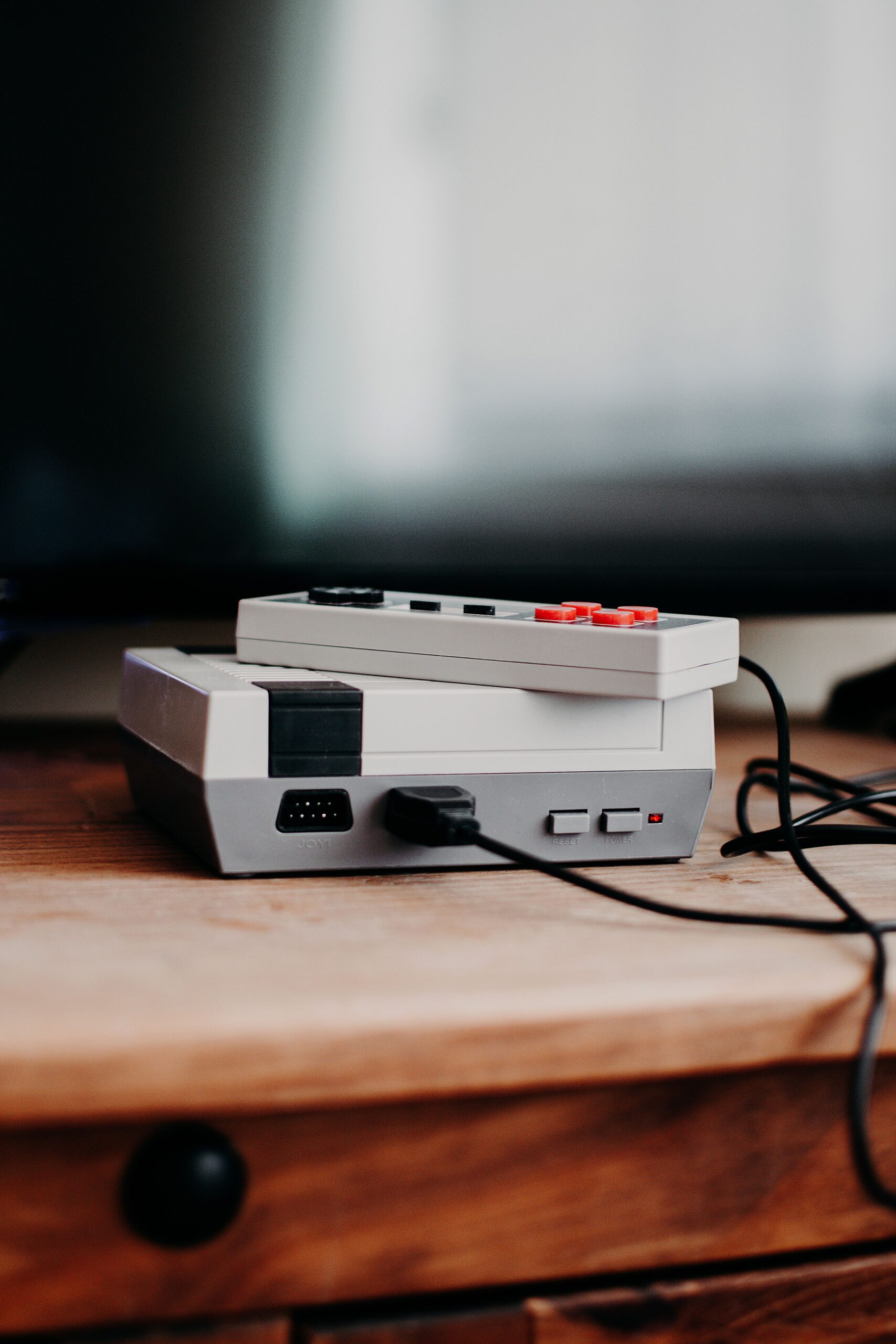
There’s a reason a browser tab of Free Cell Solitaire has outlasted a dozen live-service shooters that launched with far bigger budgets: constraints, not features, are usually what make a game replayable forever. Every entry on this list survives for a slightly different reason, and honestly, a couple of them survive almost by accident.
At a glance: what’s actually still active in 2026
| Game | Original release | Genre | Evidence it’s alive right now |
|---|---|---|---|
| Pac-Man | 1980 | Arcade maze | New tracked high scores logged as recently as July 2026; barcades built around it are expanding nationwide |
| Tetris (NES) | 1984 | Puzzle | 17th Classic Tetris World Championship held June 2026 in Pasadena, $14,124 prize pool |
| Street Fighter II | 1991 | Fighting | Still on tap at arcade bars in 2026; its 1997 cousin Vampire Savior got a full Evo revival this year |
| Super Mario 64 | 1996 | Platformer | Marked its 30th anniversary in 2026 with an active speedrunning scene still saving single frames |
| Pokémon Red & Blue | 1996 | RPG | 30th-anniversary Switch remasters sold over 4 million copies within weeks in 2026 |
| Diablo II | 2000 | Action RPG | First new content in 25 years (Reign of the Warlock) racked up 93.4 million hours played in one month |
| Counter-Strike | 1999/2000 | Tactical shooter | CS2 hit 1,169,470 concurrent Steam players in February 2026 |
| RuneScape (Old School) | 2001 / frozen at 2007 | MMORPG | Hit a 240,000-concurrent record in 2025 and, per Jagex, kept breaking it through 2026 |
Figures current as of the events and reports cited throughout this article, checked in August 2026.
Pac-Man (1980): the corner cabinet that won’t die
Pac-Man is 46 years old this year, and people are still submitting new scores to be tracked. Community leaderboard site Arcadehighscores logged fresh Pac-Man entries as recently as July 2026, more than four decades after the cabinet debuted. Only a handful of players have ever reached the theoretical maximum score of 3,333,360 points, a run that requires clearing all 255 levels without dying once, and the pursuit of it hasn’t stopped.
What’s kept Pac-Man specifically alive isn’t emulation, it’s furniture. The “barcade” model, arcade cabinets paired with craft beer, has been quietly expanding for two decades and is still growing: Barcade, the chain that more or less invented the format in a Brooklyn loft in 2004, now runs nine locations, and outlets like Toronto’s Antisocial Pinball Lounge describe a straightforward pitch, people are tired of just standing at a bar. Global arcade-market trackers put growth at roughly 5.5% annually as of early 2026, driven almost entirely by that “experience economy” logic rather than by anyone thinking Pac-Man is cutting-edge design.
Tetris (1984): the puzzle game with an actual world championship
The NES version of Tetris held its 17th Classic Tetris World Championship in Pasadena in June 2026, and it is not a cute novelty event. There’s a 129-player bracket, qualifying rounds, and a genuine prize pool. Michael “dogplayingtetris” Artiaga beat “meme” 3-2 in the grand final to win his third world title, making him the first player since the late Jonas Neubauer to do it three times. NES Tetris is also, unusually for a 40-year-old game, still generating new competitive techniques, players discovered hyper-tapping and rolling inputs years after the game’s release that pushed scores to heights the original developers never imagined possible.
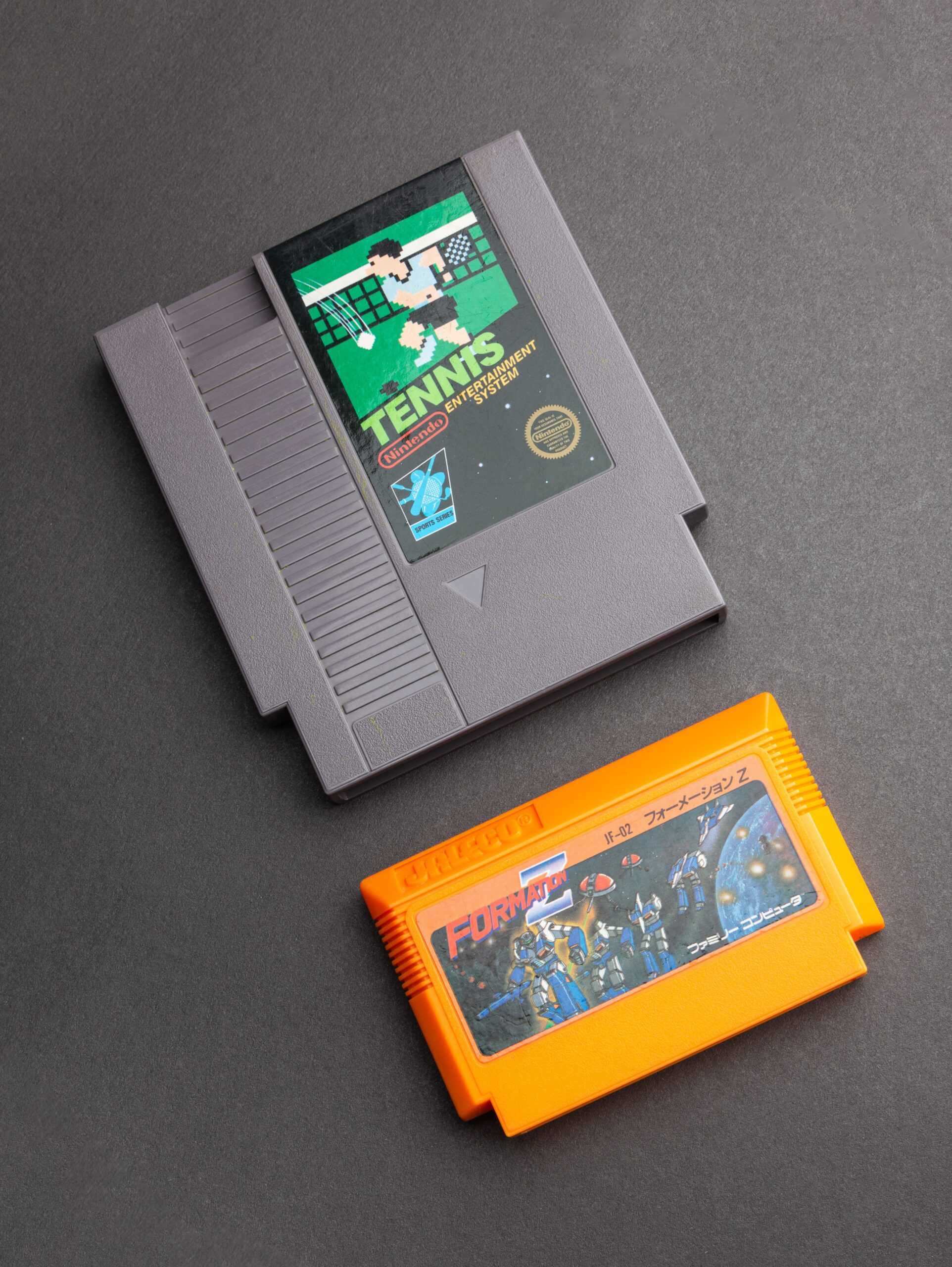
My honest opinion here: Tetris is probably the single best argument that “old-school” and “outdated” are not the same thing. A puzzle built entirely around seven shapes and gravity doesn’t age, because there was nothing to age out of it in the first place.
Street Fighter II (1991): why your local bar suddenly has a joystick
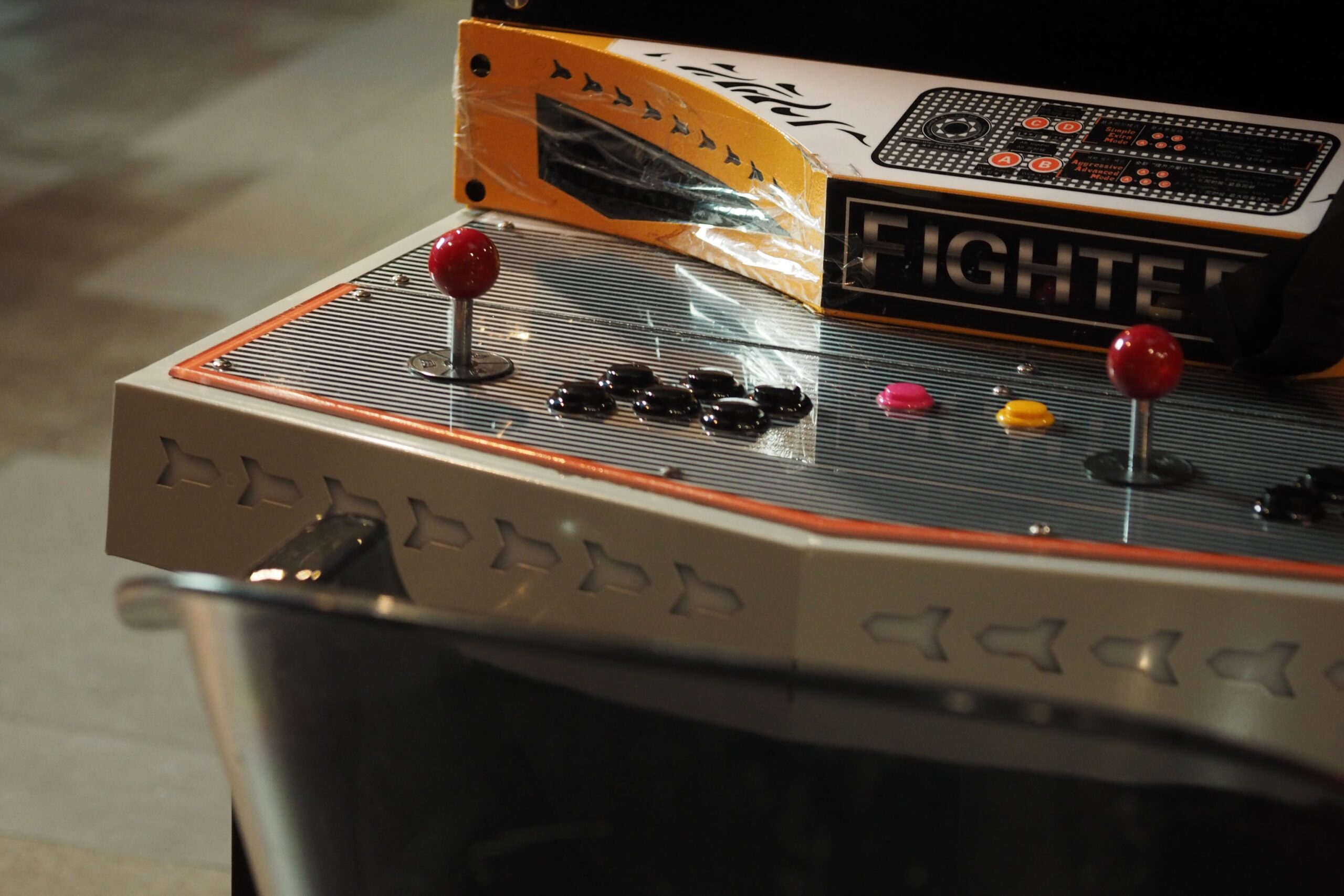
The Evolution Championship Series, the biggest fighting-game tournament on earth, traces its entire lineage back to a 40-person Super Street Fighter II Turbo tournament in 1996. Street Fighter II itself isn’t a main-stage Evo game anymore, but its DNA is everywhere at the event, including this year’s full-scale revival of 1997’s Vampire Savior, which drew some of its largest-ever tournaments at both Evo Japan and Evo Las Vegas in 2026. Meanwhile the original cabinet is turning up in the wild again: a recent piece on the UK arcade-bar boom noted that “the local” has been trading its dartboard for a Street Fighter II machine, and New York’s original Barcade location, before its planned 2029 closure, is still explicitly advertised as a place to challenge a friend to a round of it.
It’s worth saying plainly that Evo itself had a rough 2026: registration fell more than 30%, from 8,541 competitors in 2025 to 5,774, a drop Kotaku attributed to visa friction for international players, rising travel costs, and backlash against the tournament’s new Saudi ownership. That’s a real headwind, and I don’t think it’s honest to wave it away. But the fighting-game community’s actual attachment to its oldest titles didn’t shrink, it just found a home in bars and side tournaments instead of the main arena.
Super Mario 64 (1996): still handing out bounties for its own world records
Mario’s first 3D outing turned 30 in 2026, and its speedrunning community treated the anniversary like a real occasion, including a two-hour documentary years in the making that interviewed top runners going back to 2020. Earlier in the year, organizer KingJO444 pulled off a 70-person relay speedrun at Awesome Games Done Quick, with each participant collecting exactly one star before passing the controller, several of them had never played the game before that week. Games Done Quick’s charity marathons overall raised more than $2.4 million for the Prevent Cancer Foundation at that event.
There’s also a genuinely strange subplot: a standing bounty, reportedly around $8,000, for anyone who can beat certain world records in the game’s less-played categories, and so far the only person claiming new records is the same runner whose dominance created the bounty in the first place. That’s a small, funny detail, but it says something real about how competitive a 30-year-old platformer still is: there’s enough at stake that people are literally paying for upsets.
Pokémon Red and Blue (1996): 30 years old, still outselling most new releases
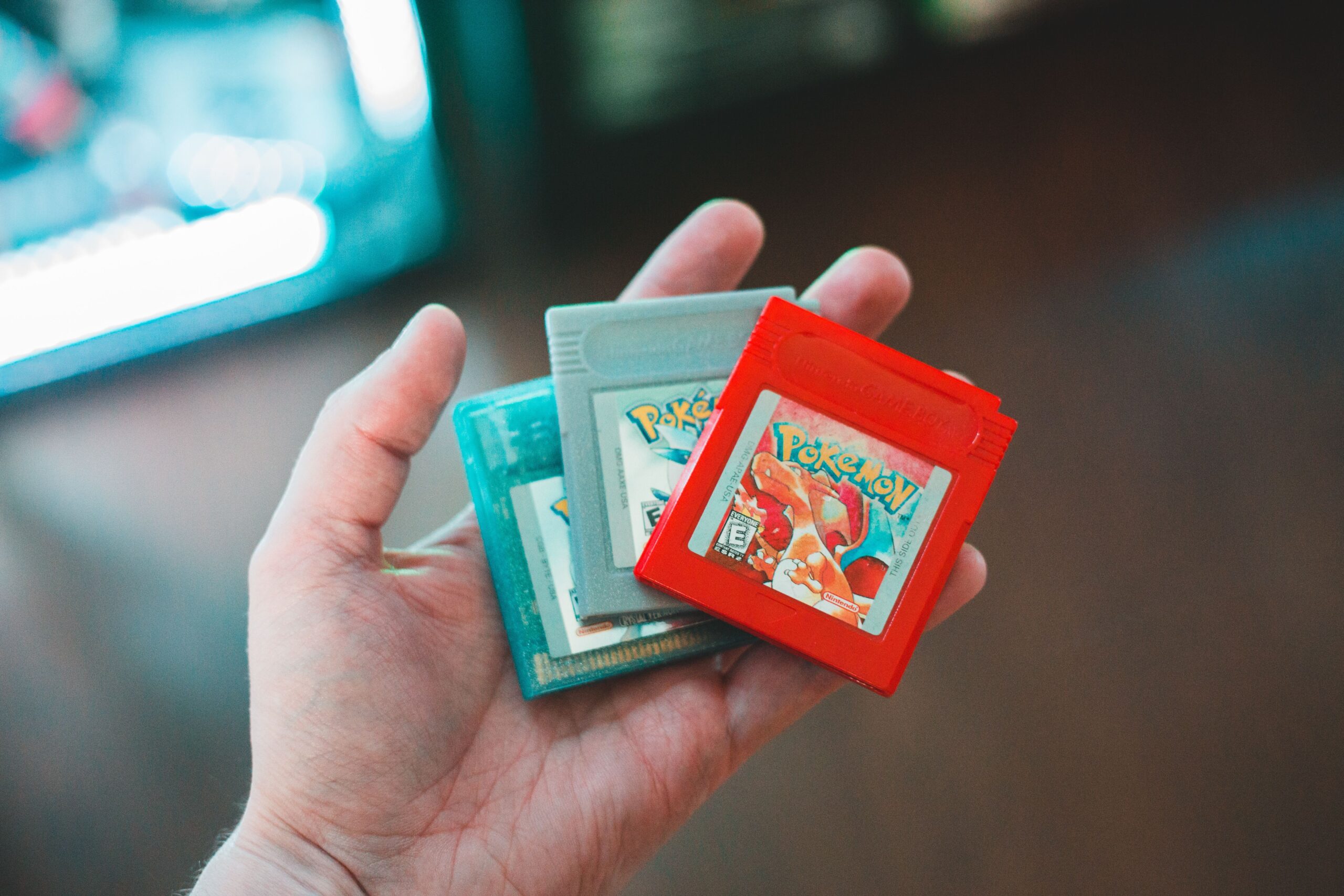
Pokémon turned 30 on February 27, 2026, and Nintendo marked the occasion by porting the Game Boy Advance remakes FireRed and LeafGreen to Switch. Within roughly five weeks, according to Nintendo’s own fiscal-year results, those ports and the new spin-off Pokémon Pokopia had each sold more than 4 million copies. A YouGov survey published for the anniversary found that 67% of Britons could identify Pikachu on sight and that the franchise has generated an estimated $147 billion since 1996, reportedly making it the highest-grossing media franchise in history, ahead of Star Wars and the Marvel Cinematic Universe.
I’d argue Pokémon’s staying power is the least surprising entry on this list, and also the hardest to replicate: it isn’t one old game surviving, it’s an entire generation of parents handing the exact same starter-Pokémon decision (Charmander wins that argument, by the way, with 51% of the vote in that same survey) down to their kids.
Diablo II (2000): Blizzard just gave a 25-year-old game its first new content in decades
This is the one that genuinely surprised me. In early 2026, Blizzard shipped Reign of the Warlock, an expansion for Diablo II: Resurrected, marking the first new content added to the Diablo II experience in a quarter century. Polygon reported, based on numbers shared directly by Blizzard, that players logged 93.4 million hours with the expansion in its first month and created around 1.92 million new Warlock characters. “Tons and tons of folks still play that 25-plus-year-old game,” lead producer Matthew Cederquist told Polygon, adding that the team suspected the passionate base was there but was still surprised by the scale.
That’s not a nostalgia number, it’s a live-service number, attached to a game that came out the same year as the first PlayStation 2.
Counter-Strike (1999/2000): the shooter that technically never left
Counter-Strike started as a Half-Life mod in 1999 and hit standalone release in 2000. Its modern incarnation, CS2, pulled 1,169,470 concurrent Steam players in February 2026, and has topped 1.8 million concurrent users at its all-time peak. What’s more interesting to me is that the older versions haven’t disappeared either: Counter-Strike: Source, a 2004 release built on assets that trace straight back to the original mod, was still averaging over 2,000 concurrent players in the 30 days before this was written, entirely through third-party community servers, since Valve stopped actively updating it years ago. People are choosing to keep playing a 20-plus-year-old build of a game that has three newer official versions.
Old School RuneScape (2001, frozen at 2007): breaking every record it has
This is the strangest and, I think, the single best case study on this whole list. RuneScape launched in 2001, but Old School RuneScape is a separate, still-running version of the game that was deliberately snapshotted back to how it looked in 2007 and has been developed forward from that point ever since. According to a BBC report from January 2026, the game hit 240,000 simultaneous players in 2025, a record in its 25-year history, with paid memberships growing more than 30% over the prior year to “well over a million.”
The part I did not expect: Jagex CEO Jon Bellamy told The Games Business that “about half of the active members for Old School RuneScape have joined OSRS as their first RuneScape game.” These aren’t all returning Millennials. A meaningful chunk of the playerbase is choosing to start their RuneScape experience with the 2007-era version over the actively modernized one, on purpose. Bellamy called that “bizarre,” and honestly, so do I. It’s the clearest evidence I’ve found anywhere that “old” and “outdated” have genuinely come apart as concepts for at least one generation of players.
The honest exception: not every old game gets a second life
It would be dishonest to close this out without naming the games that prove being old isn’t enough on its own. Team Fortress Classic, Valve’s 1996 mod-turned-standalone shooter, still has a pulse, SteamDB shows it averaging around 50 concurrent players through most of 2026, but that’s persistence, not popularity. Nobody’s running a world championship for it. The difference between Team Fortress Classic and Old School RuneScape isn’t age, they’re roughly the same vintage, it’s that one had a publisher actively investing in competitive infrastructure, esports prize pools, or a snapshot-server gimmick that gave players an actual reason to show up, and the other didn’t.
That’s really the throughline across all eight games above: none of them survived purely on memory. Tetris has a championship circuit. Diablo II got literal new content. RuneScape got a deliberate retro fork. Pac-Man got repackaged as a night out. The nostalgia opened the door, but something concrete kept people walking through it.
So will any of this still be true in 2030?
My honest read: Tetris, Pokémon, and OSRS are the safest long-term bets on this list, because each has an institution actively maintaining it, a championship series, a first-party publisher, and a dedicated live-ops team, rather than relying on community goodwill alone. Counter-Strike and Diablo II depend more heavily on their publishers continuing to invest, which is not guaranteed; Blizzard could easily have left Diablo II alone for another decade. Pac-Man and Street Fighter II are the most fragile in pure numbers but the most protected by physical infrastructure: a barcade with the cabinet bolted to the floor doesn’t care whether the game trends on social media.
If there’s a single lesson in all eight of these, it’s that longevity in games looks a lot like longevity in anything else people keep doing for fun: low barrier to re-entry, a community that keeps score, and just enough new content, or new context, to make an old routine feel current again. That’s the same logic that keeps people opening a round of solitaire on a lunch break forty years after the genre was invented, it’s just been dressed up with prize pools and Twitch overlays.
How this article was put together: every player-count, tournament result, sales figure, and quote above comes from reporting or primary tournament data published between January and August 2026, including BBC News, Polygon, Kotaku, Wikipedia’s Evo and Classic Tetris World Championship pages, YouGov, SteamDB/SteamCharts, and Arcadehighscores.com, all checked on 12 August 2026. Concurrent-player numbers fluctuate constantly and the figures here reflect the specific dates cited in each source; anyone checking Steam Charts next month should expect different numbers, though the broader trend for most of these titles has held for years.