


Many publishers possess a portion of traffic that ordinary display networks basically reject. Direct traffic, referral clicks from forums or messaging apps, impressions from returning users who are immune to ads because they’ve got a blocker running, it’s high-quality traffic that doesn’t earn anything if you’re using a conventional setup. The publishers who manage to monetize this source without destroying the reputation of their website are those who gain a second income that actually multiplies (instead of drying up).
What “Non-Standard Traffic” Actually Means
The phrase sounds a bit abstract, but essentially, it refers to a specific group of visitors for which premium ad networks refuse to pay or offer very low rates. For example, direct traffic where people enter your URL or use a bookm
ark doesn’t leave any reference data, which many contextual and programmatic systems interpret as low intent. Similarly, referral traffic from social apps, forums, or link sites is often categorized as low intent, even though engagement might be quite high. Then there’s traffic that’s sort of bot-adjacent, not fraud but too noisy for AdSense because advertisers are unwilling to pay for impressions they can’t track.
That doesn’t necessarily mean they’re worthless; just that the standard display-brokerage monetization stack isn’t designed to value them, and non-standard formats consciously exist in that blind spot.
The Contradiction Publishers Keep Running Into
Here’s the tension: this traffic is frequently more engaged than the traffic premium networks love. A user who bookmarked your tool or came back from a referral link already trusts you enough to return. But because standard networks won’t monetize it well, publishers face a binary choice. Leave the revenue on the table, or bolt on aggressive interstitials and popups that annoy the exact users who were loyal enough to come back in the first place.
Most guides on this topic pick one extreme. Either they tell you to blast every session with pops and stack push notifications until the site feels like a casino, or they tell you any non-standard format is inherently spam and you should avoid it entirely. Both positions are lazy. The real answer is that pop, push, and interstitial formats can coexist with a healthy brand, but only if you treat the user as someone you want to keep, not inventory you’re burning through once.

Matching the Format to the Traffic
Most of the work here is done by three formats, and they’re not interchangeable. Popunder ads open in a new browser window, hiding behind the active window. The user therefore is not disturbed during his surfing session and is not forced to leave the site after an ad. This makes pops a great choice for referral traffic, users who are only planning on your page for a bit, don’t care about any havoc in the background, and tend to close their browser completely after leaving.
It’s also the format that best answers the ad-blocker problem: since ad blockers primarily target on-page display units and known ad-server scripts, popunders bypass a meaningful share of blocking software, which matters given that roughly 27% of internet users worldwide actively use ad blockers.
When Push Notifications and Interstitials Work Best
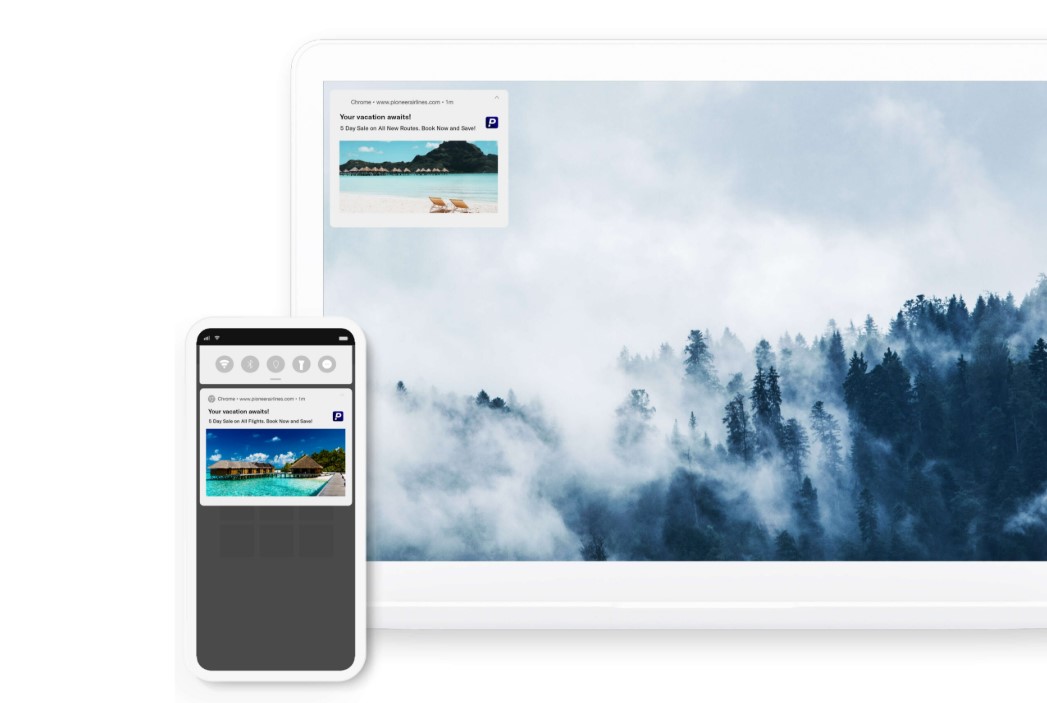
Web push notifications operate in a different way. You need an opt-in, but after users subscribe, you can re-engage them even if they are not on your site. This is suitable for direct and returning traffic – users who already are familiar with your brand and are more inclined to agree to a subscription request without being upset. It’s more of a long-term game as you have to gather a big volume of subscribers before you see significant revenue, but it turns a single direct visit into a potential recurring revenue source.
Interstitials are full-screen ads displayed between pages or during transitions. They are most effective on gaming sites, utility tools, or sites with multiple steps where an ad break naturally occurs, between a level change or after a file is processed. The biggest mistake is using too many interstitials on a blog with no natural interruption as well as for the wrong kind of site. This is the advertising format that tends to hurt the brand the most if you misuse it.
With any of these formats, the first mistake almost everyone makes is choosing the format and putting it everywhere. Start with user intent and behavior and match the ad format to that.
What to Actually Check Before Picking a Network
Once you’ve settled on the format that best capitalizes on your traffic, the network you use to route it probably has more impact than the format itself, and there are a few things besides payout rate to consider. Start with payout history. Verify references or ask for case studies, you want a payout minimum net-30, and higher is better. Fill rate transparency is just as important, as is payout structure. Revenue share networks have an incentive to serve your impressions because they only get paid when they do. Flat CPM means stability for you but the risk in slack periods also shifts back to you.
Last, and likely most important, is their ability to filter out fraudulent traffic. This is usually the first thing companies slack on when their volume gets high, but understand, if they’re not actively filtering bots, they don’t care if you serve impressions to non-human visitors, which means you’ll get away with that for a month or two before the advertisers notice the invalid traffic patterns and suspend your account.
Quality always varies between networks, but if you make them work for your traffic, not the other way around, you can secure long-term business and big payments. When you’re comparing options against that checklist, it’s worth looking at providers that specialize in this inventory type rather than general exchanges bolting on a pop product as an afterthought, Profiton’s best pop ads network is built around exactly that specialization, with fill-rate reporting and creative moderation aimed at publishers who need this traffic monetized without the usual reputation risk.
Running one bad ad for too long can cost more than one conversion worth of revenue, because it doesn’t just kill the ROI on that user’s interest, it also conditions other visitors to close when they see that type of ad, dooming your campaign before it starts.
How to Test This Without Gambling Your Brand
You don’t need to turn your entire site into an experiment. Just isolate a small portion of your non-standard traffic, a particular referral source, or a set percentage of direct traffic, and direct it against the new format in isolation. Apply aggressive frequency capping from the start: one to two impressions, maximum, per user. Don’t ever display the new ads to logged-in users or anyone you’ve cookied as a previous loyal visitor. Those people are your most important users, and you shouldn’t be hitting them with a new ad when they’ve spent the effort to block the existing old ones.
Let the test run for seven to fourteen days. That’s enough time on a reasonably busy site to develop a solid picture of whether bounce rates and revenue-per-user are being impacted, without locking a poor decision in for a whole month. Should bounce rate uptick and revenue-per-user hold steady, revert to the old design. Should revenue-per-user increase and bounce rate either remain the same or improve, enough users are finding the new design more appealing that you should consider expanding its use.
But do so incrementally. Gradually increase the size of the isolated traffic slice. If your test segment is 5% of direct traffic, let it affect 1% of total traffic in week 2, 2% in week 3, and so forth. Don’t just switch 100% of users over to the design and hope the metrics hold up when you’re pushing the ad in front of five times the number of eyeballs.

The UX Guardrails That Keep Revenue and Trust in Balance
Here are the rules that do most of the heavy lifting here, the most protective rules we could think of. Cap frequency at one to two impressions per exposure, and cap per session, full stop. Cap all units so they can be dismissed in under three seconds. Another obvious one, exclude your logged in or otherwise identified repeat visitors from the most aggressive formats; they’re the visitors you’re least likely to want to lose.
And then the most stringent, check your Core Web Vitals after you’ve implemented this stuff. There’s nothing publishers love more than easy ad revenue, and pop and interstitial scripts are notoriously easy to screw up. A few milliseconds shunted off your LCP on a phone, and that easy revenue will evaporate faster than you can say ‘hello lower search ranking.’
Compliance Comes Before Any of This
All of the above goes out the window if you’re not obtaining consent. If you send targeted pop or push ads to users in GDPR or CCPA territory, a consent management platform is a mandatory component. Web push in particular must be an explicit opt-in, not a pre-checked box, not fine print.
It’s neither sufficient nor legal for a term buried in your terms of use to grant you permission to send advertising-supported pop or push notifications. You must clearly note in your privacy policy that you are using pop and push formats. If you don’t have this properly in place, the rest is moot; the legal liability is potentially ruinous no matter how great your frequency capping and fraud filtering may be.
The Actual Takeaway
Unconventional traffic isn’t necessarily a problem you overlook or take advantage of. It can be a valuable resource that reacts to the same rules you would apply to any other part of your monetization system: select the right format for the type of traffic you have, evaluate the network based on actual metrics and not just the highest rate offered, eliminate fraudulent activity, limit frequency, and ensure you have consent as of the first day.
Publishers who take this approach generate sustainable revenue. Those who don’t have to justify to their authentic users why the website is starting to look like an ambush.