

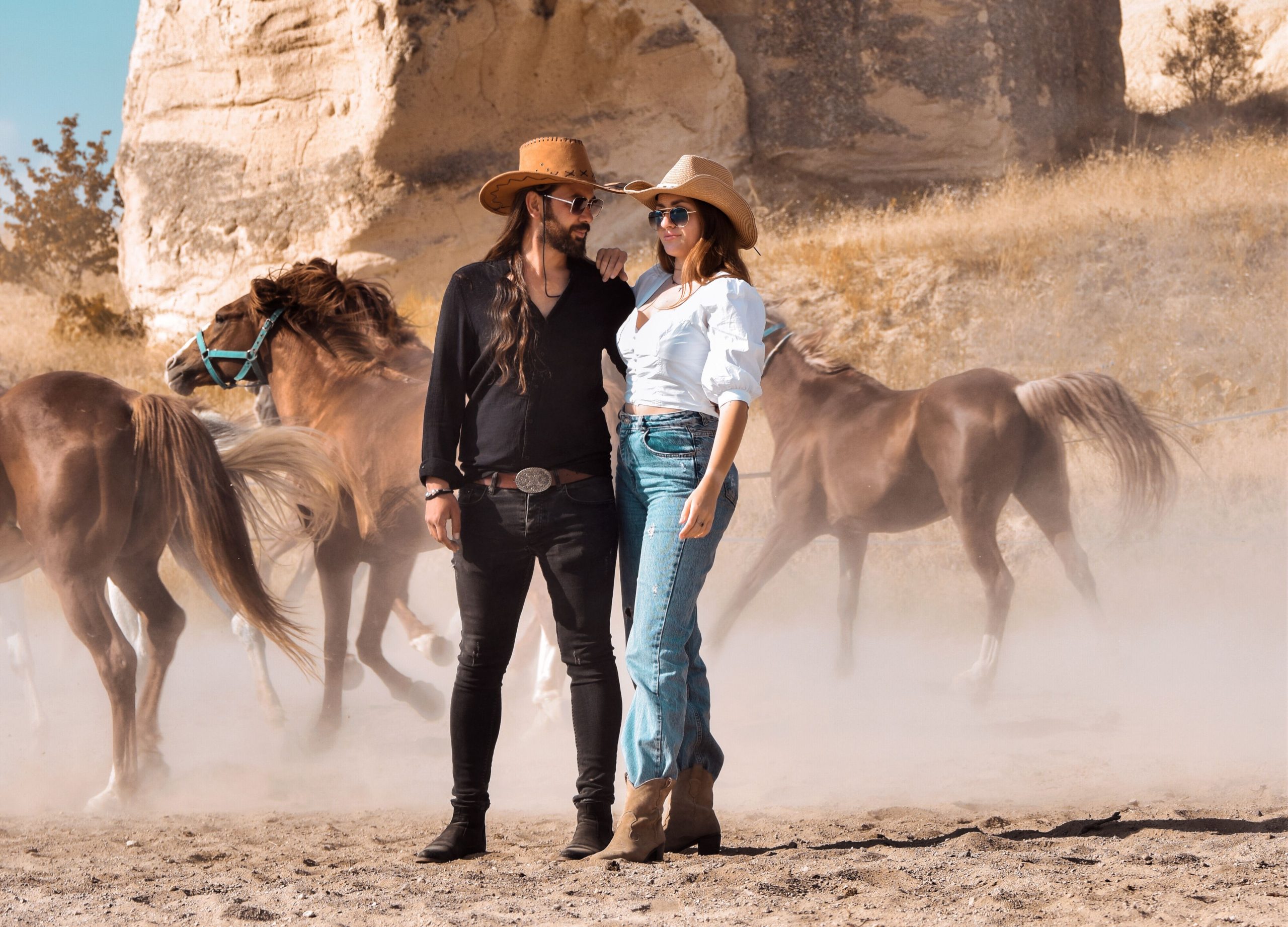
Western fashion is more than just a passing trend today. It’s a strong mark of the American identity for sure. It began as a way to equip the people of the rough-and-tumble frontier days for the simple purpose of survival, and has expanded into a significant worldwide fashion movement. This one-of-a-kind style is truly an interesting tale of work and cultural change from a leather boot to wide hats. These iconic pieces are still a wardrobe essential today, and great design never goes out of vogue over time.
The Practical Roots of Frontier Clothing
The original cowboy outfit was made for a purpose. Outdoor living necessities meant hardy garments that could withstand harsh weather and long days in the saddle. Brush protection was provided by thick denim jeans. The wide-brimmed hats protected the rider from the hot sun and heavy rain. The second must-have was a silk scarf. A quality piece like those from Cowtown Wild Rags served to keep dust away from the face and warmth locked in during cold nights. The practical items quickly evolved into a lasting style.
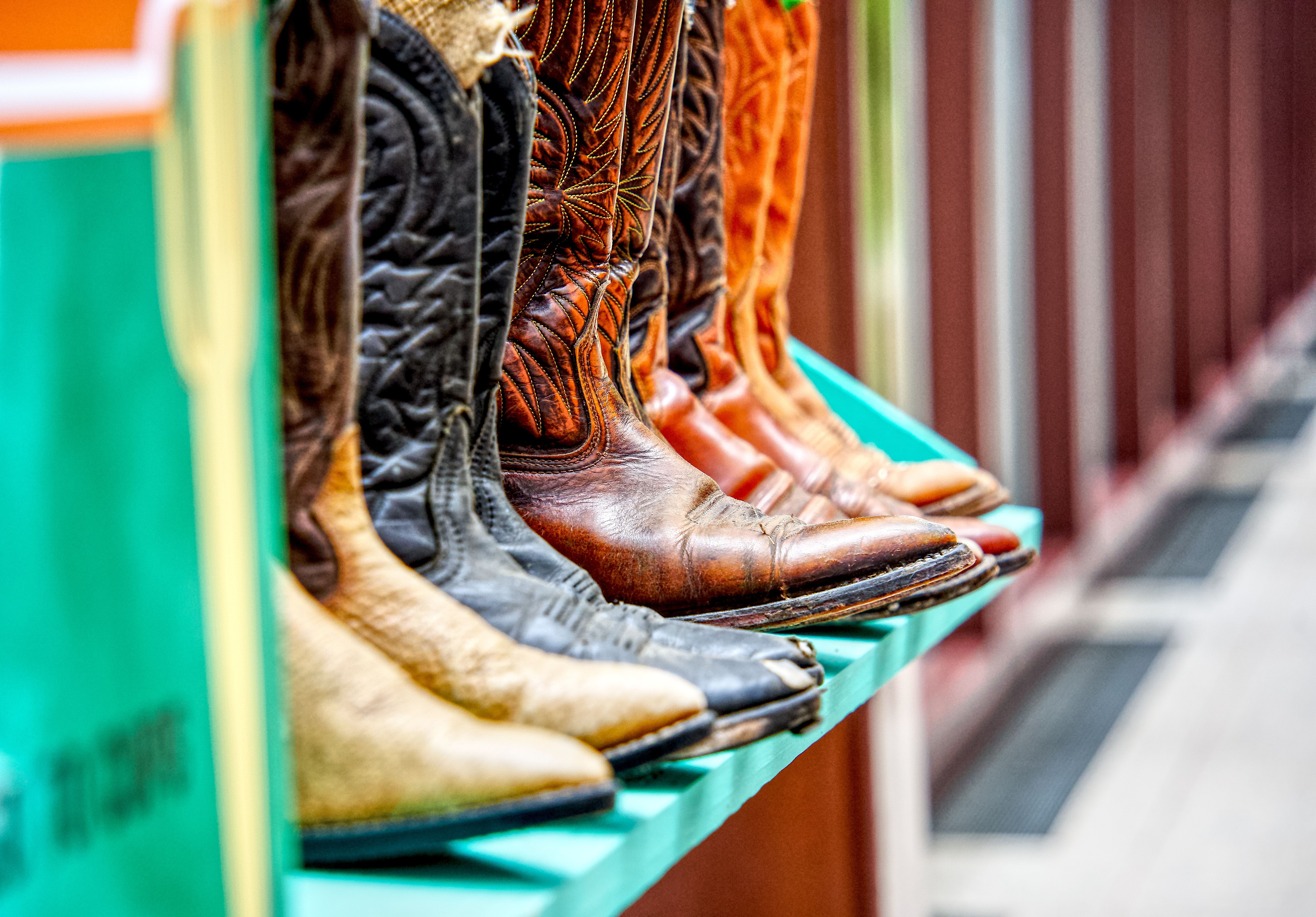
Hollywood Shapes the Cowboy Image
With the end of the frontier period, the entertainment industry took over and romanticized the West. The cowboy was a hero in early movies who wore exaggerated clothing. Tailed shirts with pearl snaps and fancy embroidery were worn by silver screen stars. This glamorous method created outfit ensembles that were basically work clothes with a lot of flash. Nationwide audiences were inspired to embody this bold appearance. The film industry was able to make regional work wear into the preferred fashion that today’s modern world can only dream about.
Country Music Amplifies the Trend
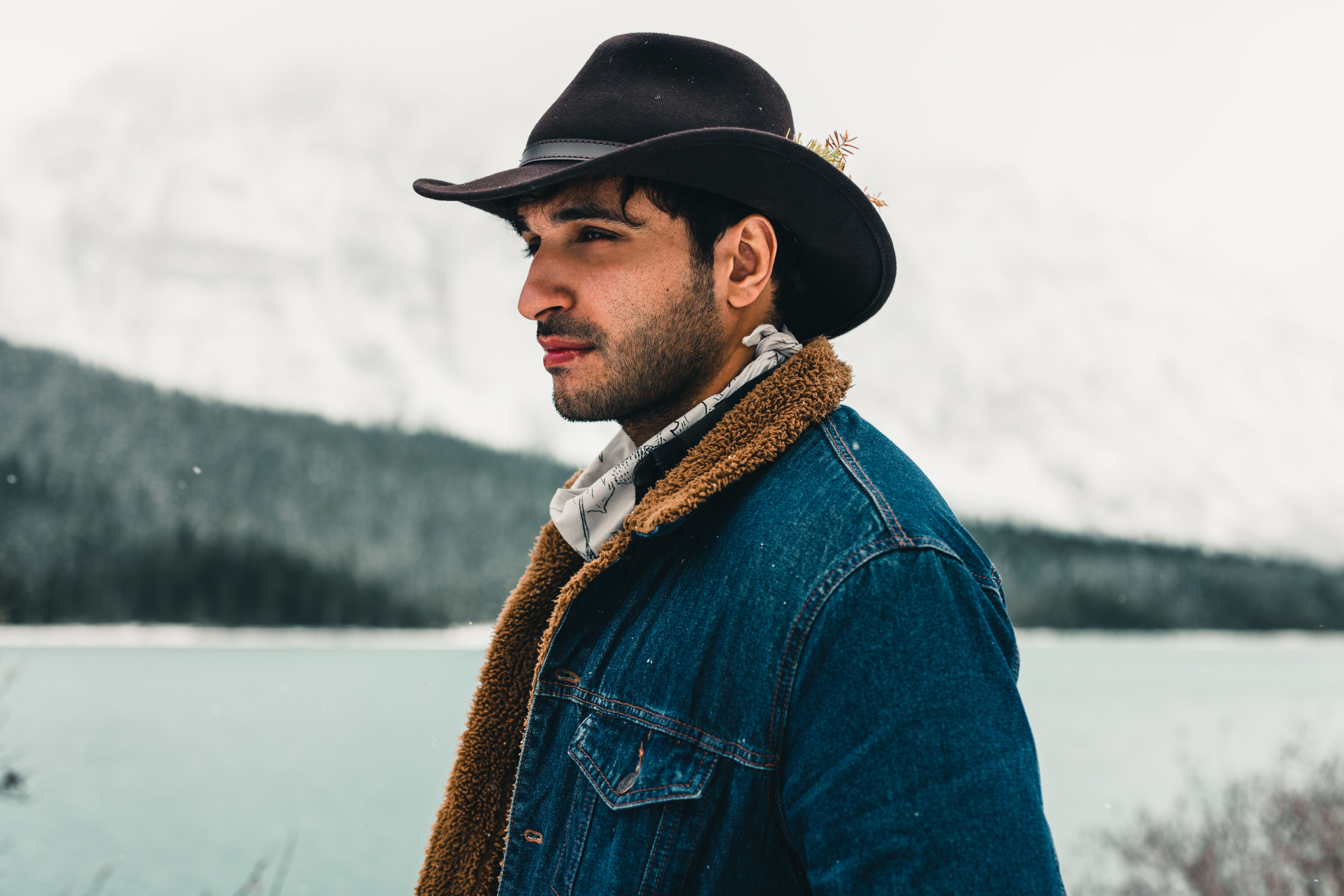
This unique style was popularised by the use of music. The cowboy style of clothing became a visual language for country music performers when they started wearing it.When country musicians began wearing the cowboy attire, it became a visual language for their storytelling. Performers were garbed in specially designed boots and glittering belt buckles for their audiences on the stage. This link between music and fashion was a big hit with the audience. People started dressing alike to concerts and other events in order to express their appreciation for the artist. Country music cemented these garments as a symbol of authentic American culture, making them popular for any type of casual daily wear.
The Shift to Mainstream Closets
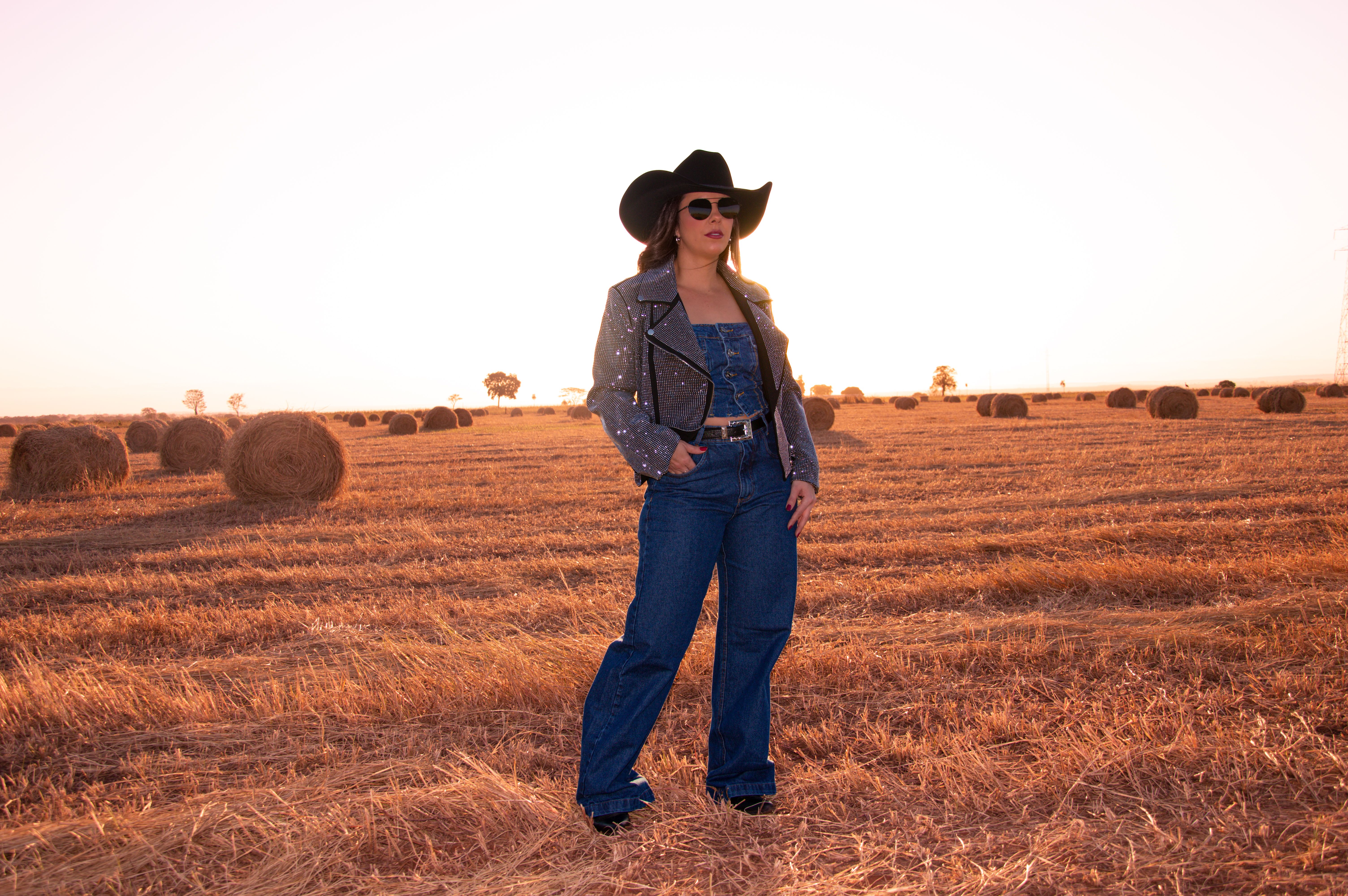
This rugged fashion eventually left the ranches and concert halls. Cowboy fashion elements started to be featured in regular fashion lines. Denim jackets and fringe features began making their way onto to the urban streets and onto high fashion runways. It was a combination that people enjoyed – comfort and rebellious charm. It wasn’t necessary to have a horse to understand a good pair of leather boots. The wide popularity of this style ensure this fashion became a staple in the everyday lives of ordinary citizens in America.
Vaquero and Indigenous Threads in the Story
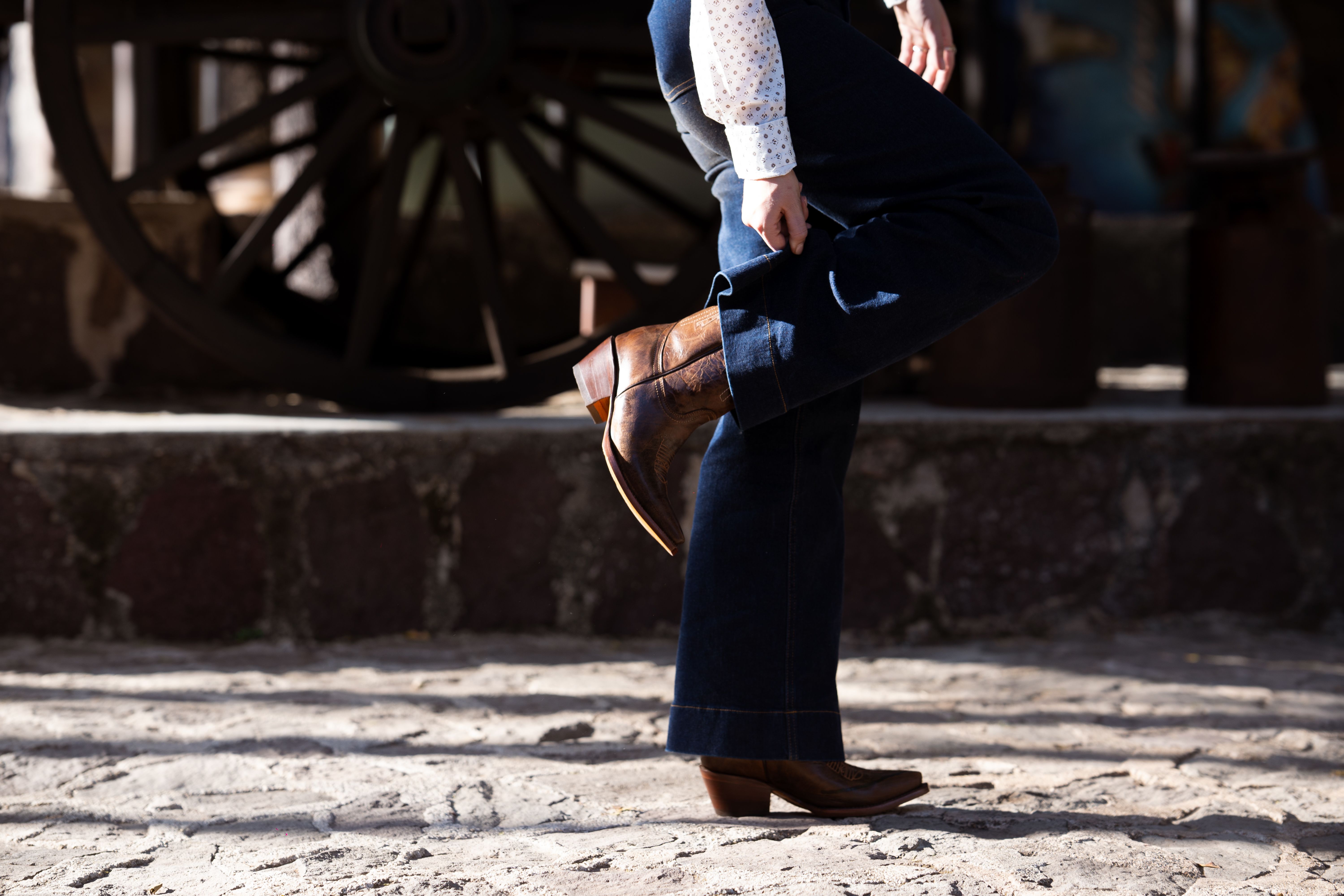
Long before Hollywood put its own spin on the look, Western style was already a blend of cultures. Much of the cowboy’s original kit – the wide-brimmed hat, the tooled leather, the riding chaps – traces back to Mexican vaquero horsemen who worked cattle across the Southwest generations before the American cowboy existed. Fringed jackets, another Western staple, borrowed directly from Native American garment-making traditions, where fringe served both a practical and decorative purpose long before it became a stage costume detail. The Autry Museum’s Dress Codes exhibition traces this layered history in detail, showing how Western wear has always been a conversation between cultures rather than a single, tidy invention. Recognizing these roots doesn’t diminish the American mythology built around cowboy style – it deepens it, showing a garment tradition shaped by trade routes, ranch labor, and shared frontier life rather than one region or group alone.
Western Style Decade by Decade
Looking at the style era by era makes it easier to see how each generation added its own layer without erasing what came before. Denim itself only became a true workwear staple after Levi Strauss and Reno tailor Jacob Davis secured a patent for riveted denim work pants in 1873, a small manufacturing fix that ended up outlasting every trend that followed it.
| Era | Signature Pieces | What Drove the Look |
|---|---|---|
| 1870s–1900s | Riveted denim trousers, plain leather boots, work hats | Ranch labor and frontier survival |
| 1930s–1940s | Pearl-snap shirts, tailored western suits, dude ranch wear | Singing cowboy films and dude ranch tourism |
| 1950s–1960s | Rhinestone suits, fringe jackets, statement belt buckles | Country music stages and TV Westerns |
| 1970s–1990s | Bell-bottom denim, embroidered boots, denim-on-denim | Mainstream fashion adopting ranch style |
| 2000s–today | Tailored western suits, streetwear denim, statement hats | Celebrity styling, music videos, and social media |
What stands out across every row of that table is how little the core pieces actually change. A hat is still a hat, a boot still a boot – it’s the styling, fabric, and context around them that keeps shifting to match the moment.
Modern Twists on Classic Apparel
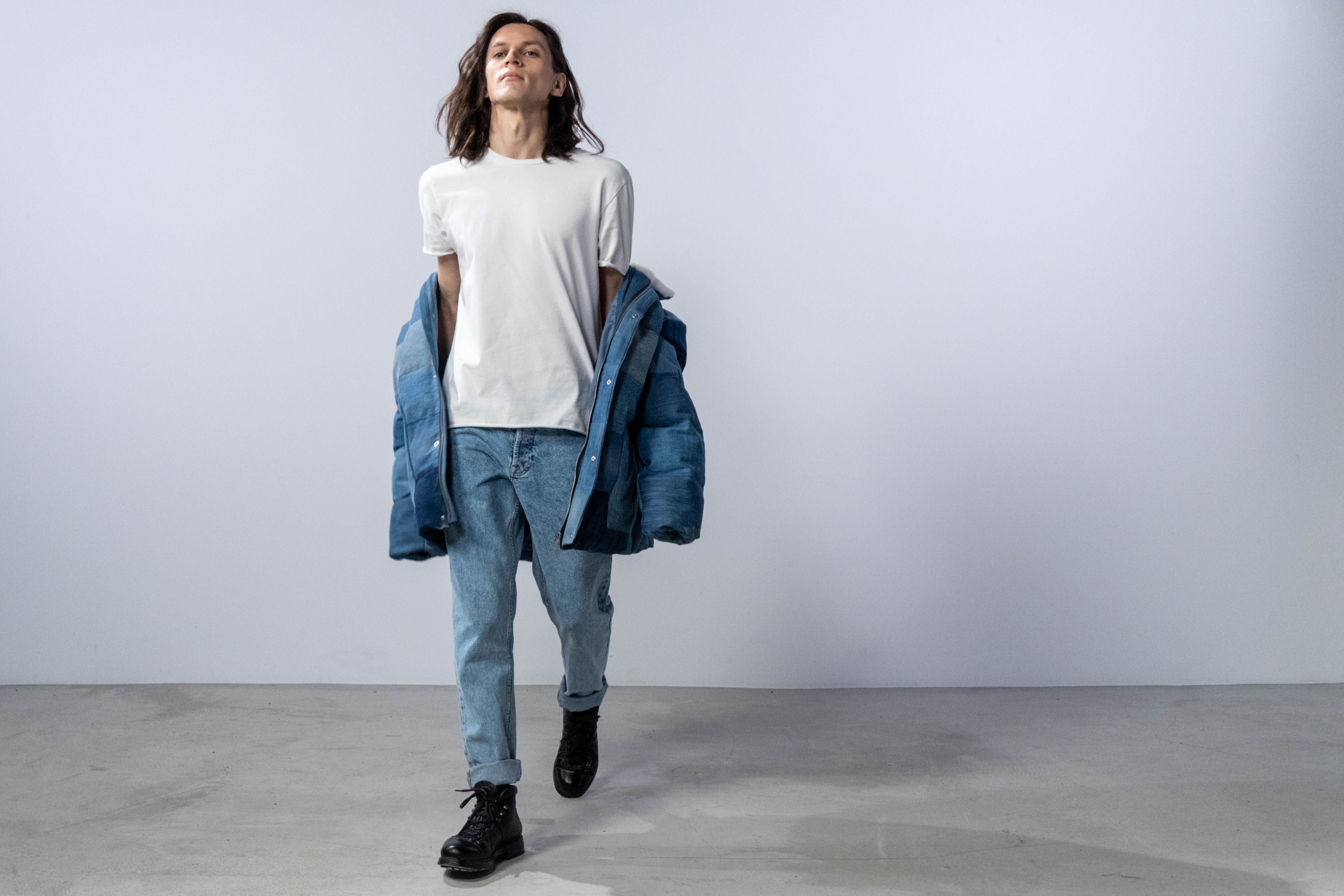
The style lives on, today, but with respect to its origin. Modern brands mix traditional materials with contemporary cuts. Classic western elements and a contemporary take on street wear is easy to come by. This versatility is the secret to its enduring popularity. A pearl snap shirt can be paired with fashionable trousers for a casual office style. These timeless classics are able to keep up with trends, and never look dated or costume-like today.
Conclusion
The enduring impact of Western fashion on America’s style was achieved by combining functionality with romance. It evolved from necessary survival gear into a powerful symbol of independence. Its popularity spread from coast to coast through movies and music. Today, its effect can be seen in every closet in the nation. Whether for aesthetic appeal or enduring quality, this iconic American style is sure to endure for generations to come, and continue to inspire generations of people to wear their heritage with pride.