


Vietnam Visitors in 2025 will find a country full of energy, color, and constant movement.
New visa policies, upgraded highways, modern airports, and growing interest among remote workers make travel smoother than ever.
Culture, food traditions, natural settings, and a long coastline offer countless moments to enjoy and remember.
Essentials for Vietnam Travel in 2025
Visa rules in 2025 allow travelers from many regions to enter with longer stays and easier e-visa processing. Planning usually feels simple once requirements are checked in advance.
Best travel periods vary by region. Northern provinces shine in autumn and spring. Central areas feel most comfortable in February to April. Southern provinces offer warm conditions almost all year.
Budgets can fit any traveler. Backpackers usually spend modestly, while mid-range visitors enjoy upgraded stays at fair prices. Luxury options exist in major cities, islands, and heritage towns.
Connectivity feels reliable thanks to widespread 4G, eSIM services, and affordable local SIM cards. Safety remains high, with standard precautions such as watching belongings in busy areas.
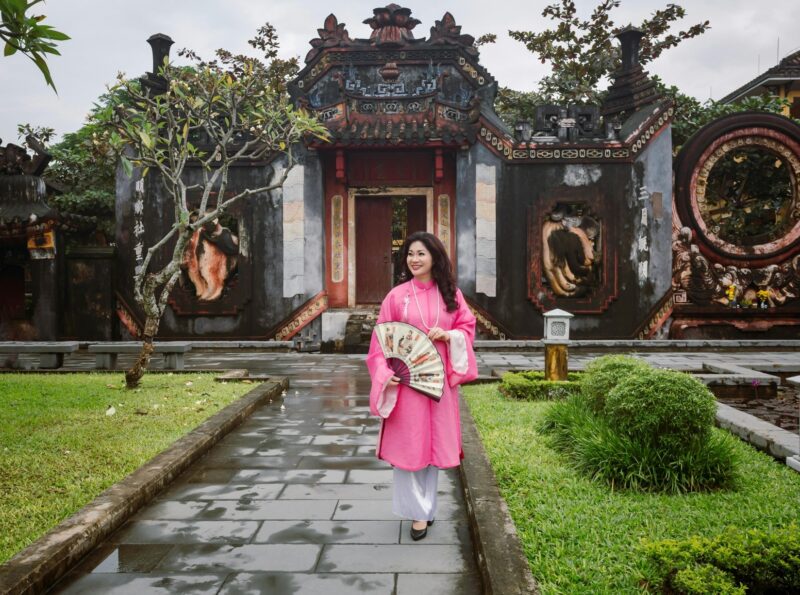
Respectful behavior matters. Modest clothing at temples, polite communication, and awareness of local customs help create positive impressions.
Getting Around Vietnam

Travel across Vietnam feels smooth in 2025 thanks to improved roads, modern airports, and efficient transport apps.
Movement between regions varies in comfort and speed, so choosing the right option helps create a pleasant travel rhythm.
Domestic Travel Options
An overview of major national transport choices is listed below:
- Frequent flights link major hubs such as Hanoi, Da Nang, and Saigon.
- Trains offer slow but enjoyable rides with scenic coast views and relaxed seating.
- Long-distance buses connect every province, often serving rural towns that flights and trains cannot reach.
- Sleeper buses give cost-effective overnight travel on popular routes.
Local Transportation
Urban movement shifts quickly due to busy streets and compact city layouts.
Several transport styles dominate daily life.
- Grab offers quick rides at fair prices in cities and towns.
- Scooters fill every street and represent the fastest way to move locally.
- Cyclos appear in tourist districts, providing slow and pleasant sightseeing rides.
- Motorbike rental grants freedom to explore, though attention in traffic remains essential.
Suggested Travel Routes
Travelers often follow well-known paths or choose loops built around adventure. Several recommended options appear below:
- Hanoi → Ninh Binh → Ha Long → Hue → Hoi An → Da Nang → Saigon
- Hanoi → Sapa → Ha Giang → Cao Bang → Lang Son
- Da Nang → Hoi An → Quy Nhon → Nha Trang
- Hanoi → Ha Giang Loop for a Vietnam motorcycle tour through superb northern scenery
Regional Overview: Where to Go & Why
Vietnam spans regions with distinct flavors, traditions, and natural settings. Each part offers something different, making route planning a key step in shaping your travel experience.
Northern Vietnam
A mix of ancient capitals, iconic bays, mountain passes, and cultural villages sets the tone for the northern region.
- Hanoi offers old streets, lively markets, traditional crafts, and endless street food stalls.
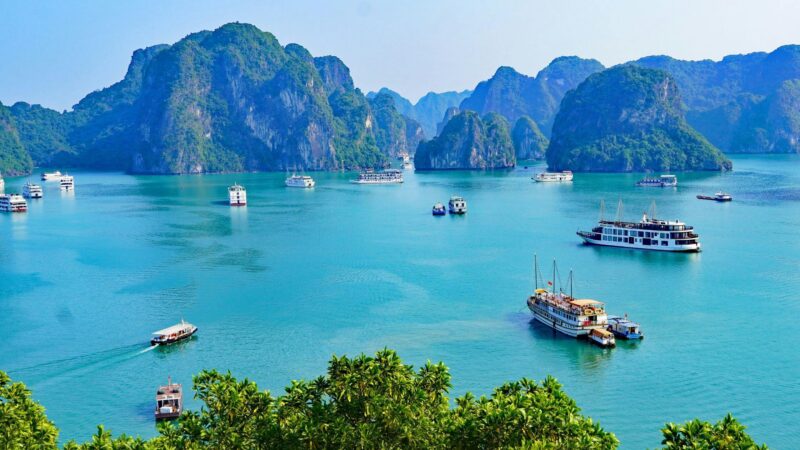
- Ha Long Bay invites visitors to absorb limestone formations on day or overnight cruises.
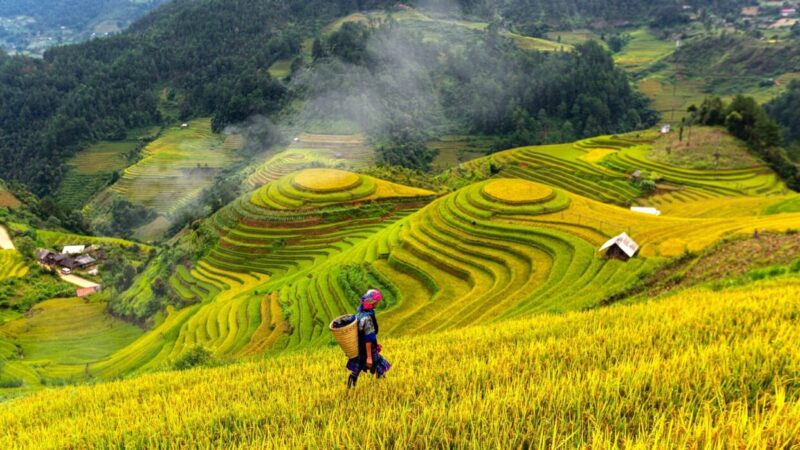
- Sapa delivers terraced hillsides, mountain vistas, and warm interactions with ethnic communities.
- Ninh Binh draws travelers with calm rivers, karst towers, and historic temples.
Ha Giang provides a breathtaking road adventure marked by high passes and welcoming hamlets.
Central Vietnam
Central provinces carry traces of ancient dynasties, quiet beaches, artistic towns, and dramatic caves. An introductory list of key destinations appears below:
- Hue presents imperial structures, royal cuisine, and calm riverside settings.
- Da Nang offers long beaches, a fire-breathing dragon bridge, and a cable car route to the Golden Bridge.
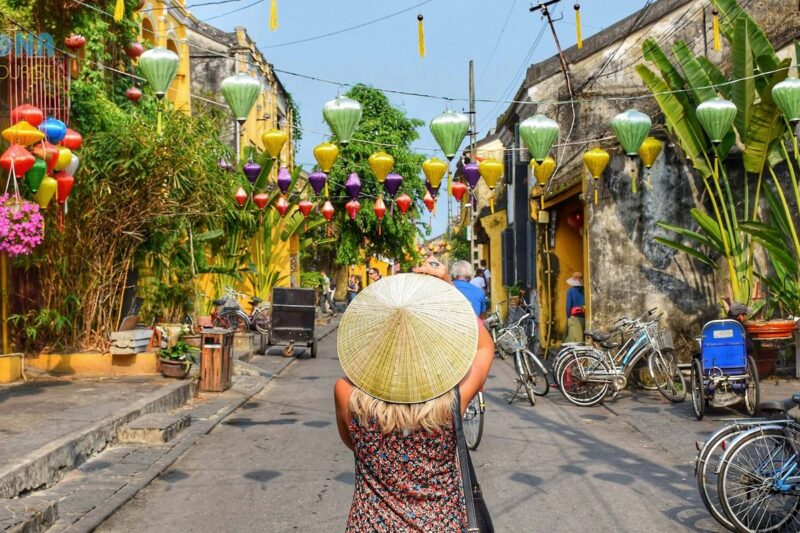
- Hoi An enchants visitors with lantern evenings, talented tailors, and food specialties found nowhere else.
- Phong Nha – Ke Bang features giant caves, subterranean rivers, and adventure tours that draw travelers worldwide.
Southern Vietnam
Southern regions pulse with modern energy, fertile river systems, and coastal retreats. Several highlights appear below:
- Ho Chi Minh City (Saigon) bursts with nightlife, rooftop views, markets, and historic museums.
- Mekong Delta showcases a slow river rhythm where boats, orchards, and canals shape daily life.
- Can Tho attracts visitors with the vibrant Cai Rang Floating Market.
- Phu Quoc Island features soft sands, coral-friendly waters, and calm resorts perfect for relaxation.
Bucket List Experiences
Vietnam offers memorable experiences that many travelers place at the top of their plans. A list of essential moments follows:
Lantern Festival nights in Hoi An create glowing scenes along ancient streets.
Ha Long Bay cruises remain unforgettable thanks to peaceful waters and dramatic stone towers.
Riding the Ha Giang Loop excites road lovers seeking mountain curves and remote villages.
Cu Chi Tunnels reveal stories of clever strategy and survival.
A sampan ride in the Mekong Delta delivers quiet moments on narrow waterways.
Phu Quoc’s cable car trip gives sweeping sea views.
Da Nang’s Dragon Bridge draws crowds as it breathes fire on weekend nights.
Golden Bridge invites photographers drawn to its artistic design held by giant stone hands.
Coastal Wonders of Vietnam
Vietnam’s shoreline stretches for thousands of kilometers, dotted with resort towns, quiet fishing villages, and island getaways. A selection of coastal spots appears below:
Phu Quoc Island welcomes beach lovers seeking clear water and calm sand.
Nha Trang offers city comforts paired with island-hopping tours.
Da Nang provides wide city beaches just minutes from restaurants and cafés.
Cua Dai and An Bang near Hoi An appeal to visitors seeking quiet beach moments.
Mui Ne offers golden dunes, strong winds for kitesurfing, and peaceful coastal stays.
Final Tips & Resources
Packing varies by region. Northern provinces can get cool in winter, while southern and central areas often stay warm. Light clothing, sun protection, and comfortable shoes help in any season.
Common tourist scams include overpricing taxis, fake tour operators, and pushy vendors. Using reputable apps and checking reviews helps avoid issues.
Useful Vietnamese phrases such as “Xin chao” (hello), “Cam on” (thank you), and “Bao nhieu?” (how much?) go a long way.
Helpful apps include Grab for transport, Google Translate for communication, and Maps.me for offline navigation.