

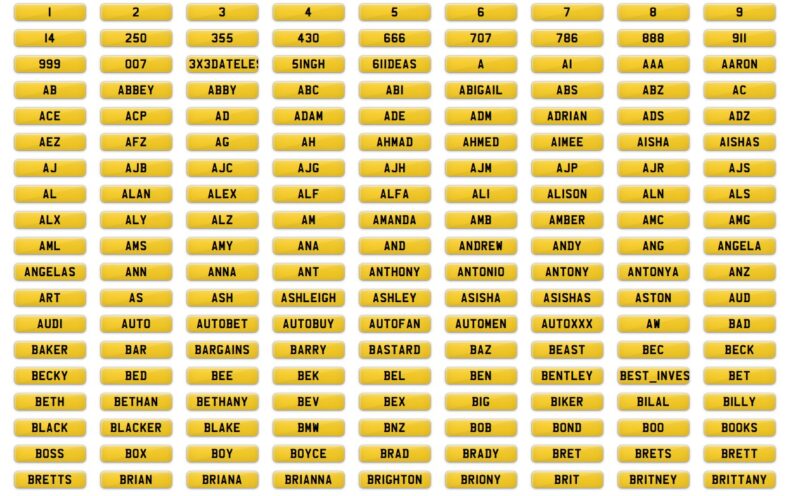
Ever noticed how a private registration can instantly make a car feel more personal, more “yours,” and strangely more memorable on the road? In the UK, more people are choosing private registrations than ever before, and not just for the fun of it. Some do it for branding, some for sentimental reasons, and some simply because it looks great.
But before you attach that unique identity to your vehicle, there are a few important things to prepare. Getting this right saves time, prevents DVLA rejections, and keeps your car fully legal on the road.
Let us walk through everything you need to know so you can assign your private plate without stress.
What Assigning A Private Plate Actually Means
Many drivers like the idea of giving their car a unique identity, but before assigning a private registration it is useful to understand how the whole process fits together.
A common first step is browsing trusted platforms where it is easy to check availability, compare prices, and securely purchase Private Number Plates. Once a suitable registration is obtained, the real preparation begins.
This includes making sure the paperwork is correct, ensuring the vehicle meets DVLA eligibility rules, and confirming that tax and MOT status are fully compliant. This affects your records, insurance details, and paperwork. If anything is missing or incorrect, your application can be delayed or refused.
Taking care of these details early prevents delays and keeps the assignment process smooth and stress free.
The V5C Logbook Is Your Foundation
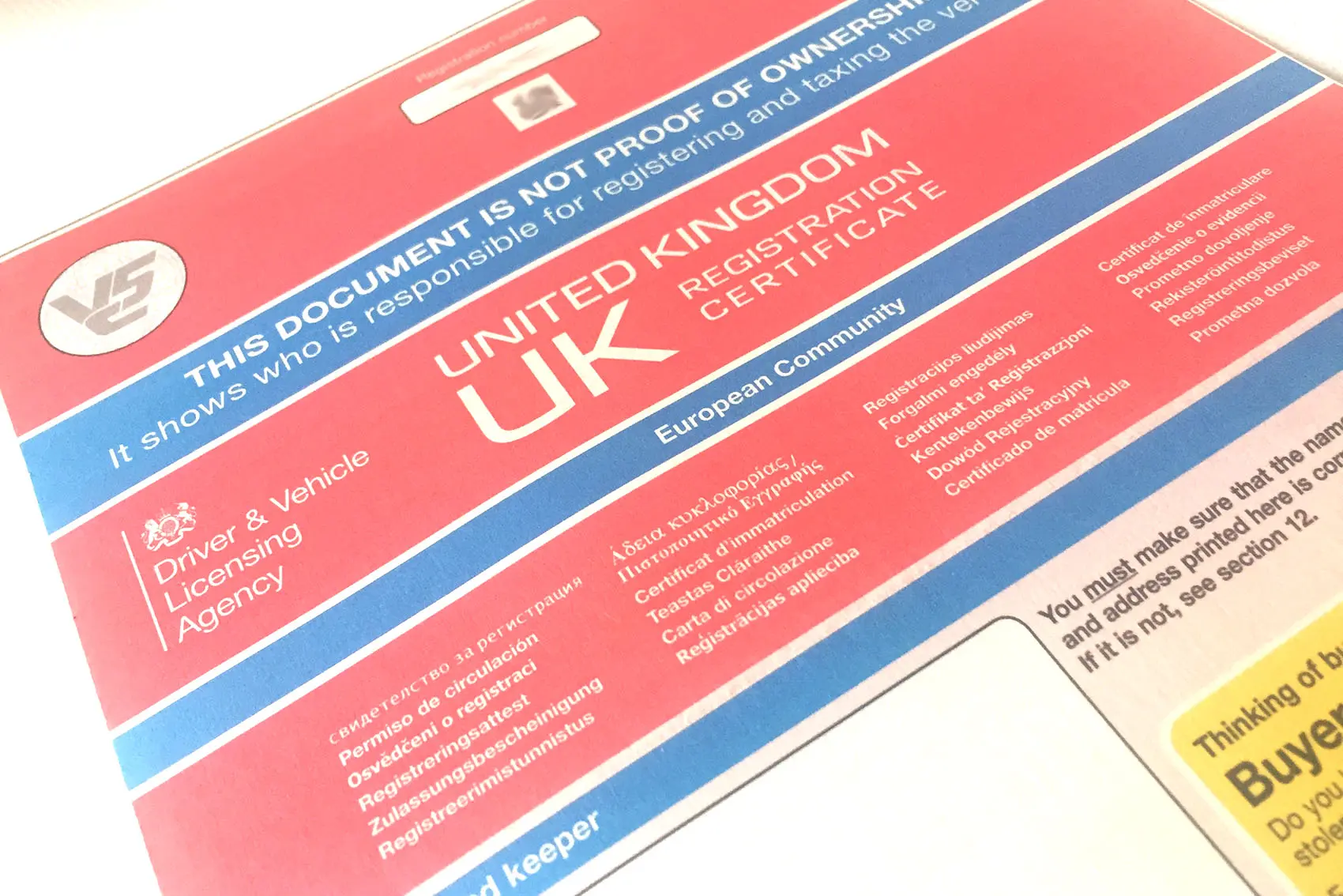
Your V5C logbook is the heart of the assignment process. It proves ownership and links your identity to the vehicle. Without an updated and accurate V5C, assignment cannot happen. Make sure:
- The vehicle details match your car exactly
- The registered keeper information is correct
- The address is current and valid
If you have recently changed ownership, you may need to wait until your updated V5C arrives before assigning the registration. If you lost your V5C, you must apply for a replacement first. The logbook is not optional. It is the primary proof that lets DVLA legally connect your chosen registration to your vehicle.
Vehicle Tax, MOT And Roadworthiness Requirements
A private plate can only be assigned to a vehicle that is legally on the road or declared correctly with DVLA. The status matters more than many people realise. Your car must meet the following conditions before assignment:
- Vehicle tax must be up to date
- MOT must be valid if it requires one
- The car must not be recorded as scrapped or written off
- It must not currently be under inspection or in dispute
These requirements make sense. A registration identifies a usable and legally compliant vehicle. If your car is not in proper status, the DVLA system will simply not allow plate assignment to proceed.
Understanding Eligibility And Legal Naming Rules

There are legal rules around what kind of registration you can assign, especially regarding the age identifier. You cannot make a car look newer than it is. That means a 2012 car cannot legally wear a plate that suggests it was registered in 2020. DVLA systems are strict on this point.
A private registration must never make a vehicle appear newer than its actual manufactured or first registered year. This protects consumers and ensures accurate vehicle identity history.
As long as your chosen plate complies with age rules and DVLA formatting standards, you are on the right track.
Vehicles That Cannot Have Private Plates Assigned
Not every vehicle is eligible. Some vehicle types fall outside private plate assignment rules completely. If your vehicle falls into any of these situations, DVLA will not allow assignment:
- Vehicles that are Q-plated
- Some classic imports without age verification
- Vehicles that have not been taxed or declared SORN correctly
- Vehicles registered as scrap or permanently removed
If you are unsure about eligibility, it is always smart to check first. This avoids disappointments later when the system rejects your application.
Common Mistakes To Avoid
Many assignment problems come from simple oversights. People forget to check their V5C details, ignore expired MOTs, assume eligibility without checking, or try to apply age-inappropriate registrations. None of these issues are dramatic, but they do waste time and cause frustration. Taking a calm, methodical approach is your best advantage.
Make sure your paperwork is accurate, your vehicle is compliant, and your chosen plate follows DVLA rules. When all that is aligned, assigning a private registration is smooth, satisfying, and genuinely enjoyable. In the end, preparation is not just about bureaucracy. It is about making sure your car proudly carries its new identity with complete peace of mind.