

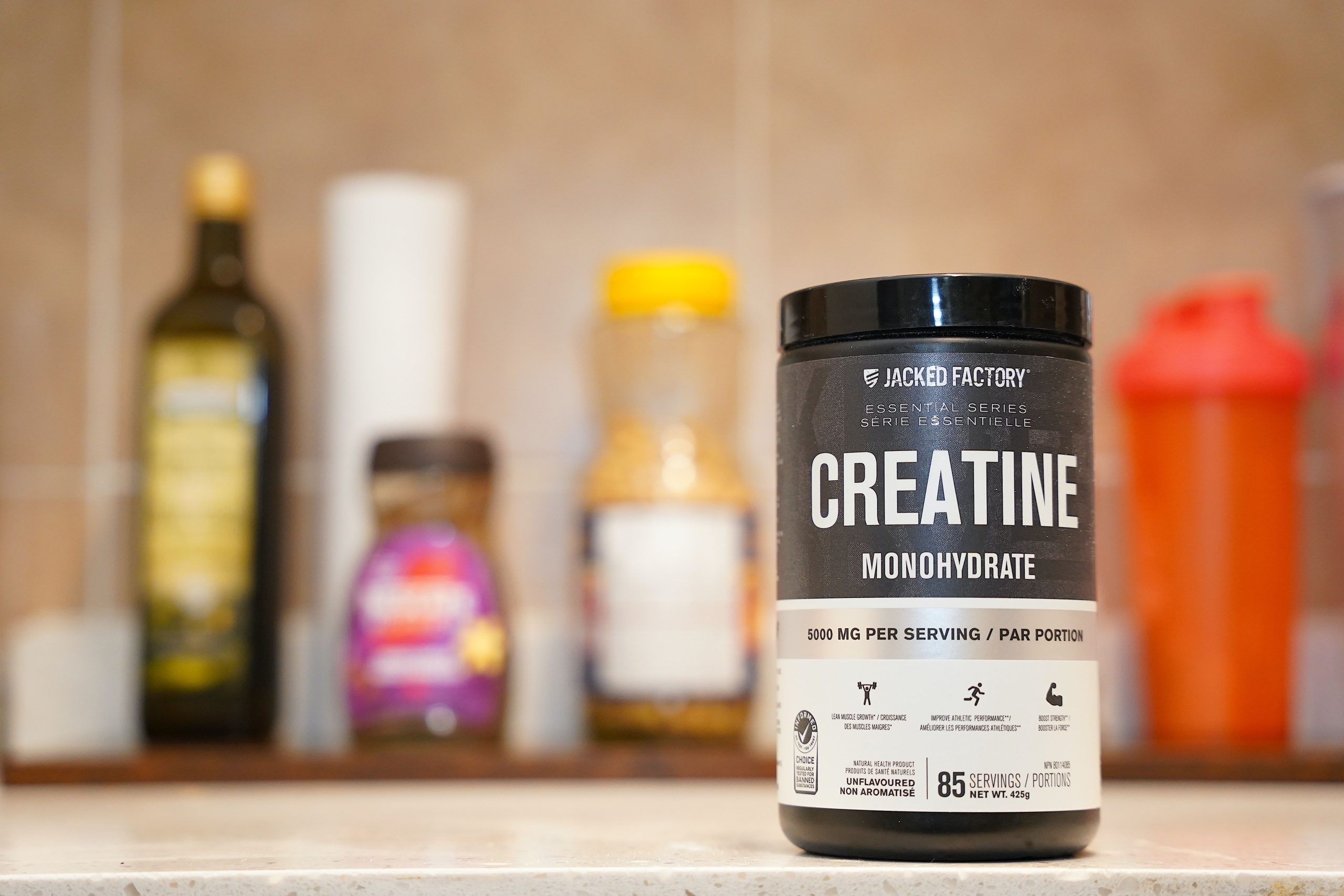
A bottle holding 150 creatine gummies can contain only 30 servings. That is easy to miss when a powder beside it advertises its serving count on the front of the jar. The larger piece count can make the gummy order look as though it will last much longer than it does.
The comparison gets clearer once the buyer knows how many pieces make a serving and how much creatine that serving contains. These 4 websites have both powder and gummy options, along with different ways to sort them. Their product pages are useful for gathering the numbers, but the final comparison still needs a little arithmetic.
Compare creatine amounts before pack prices
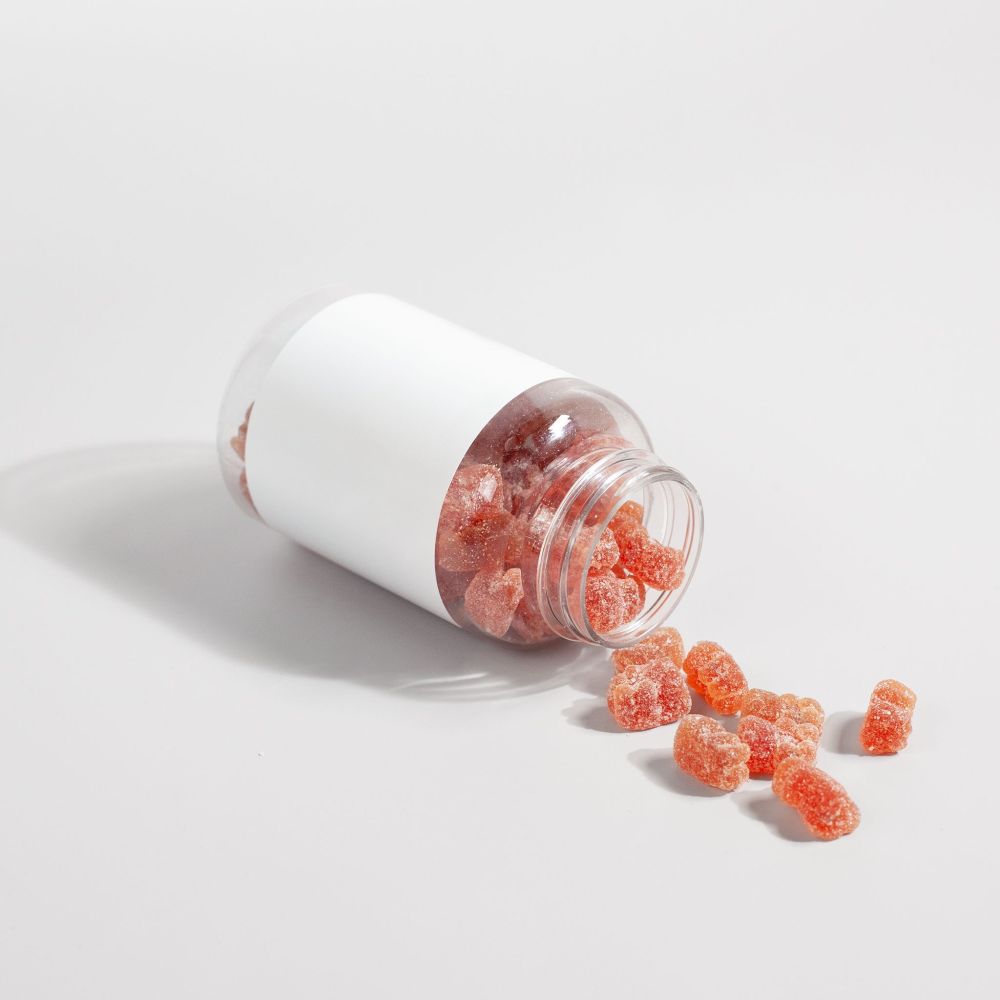
A serving is defined by the product [1]. It is not a fixed measure across brands or formats. A powder might list 5 g of creatine in a scoop, while a gummy product lists 4.5 g across 3 gummies. Both labels can be accurate without describing the same amount.
For a fair cost comparison, the buyer needs the container price, the labeled serving count and the creatine amount in each serving. Dividing the price by servings gives cost per labeled serving. Dividing that result by grams of creatine gives cost per gram, which allows different serving sizes to be compared.
A dated example shows the difference. On November 6, 2026, The Feed Lab Creatine Monohydrate listing was $15 for 60 servings containing 5 g each. That works out to $0.25 per labeled serving and $0.05 per gram. iHerb’s Force Factor Mixed Berry gummies were $29.99 for 30 servings containing 5 g each, or about $1 per serving and $0.20 per gram. Those observed prices can change, and delivery costs are separate.
These sums compare the labeled amounts being sold. They do not test what is in the product or decide how much a person should take.
1. GNC
GNC [2] is the best place to start when sorting a large range by form. Its creatine category has separate filters for powder, gummy, capsule, chew and other formats. A buyer can narrow the shelf before opening individual product pages.
That first step is worth taking because gummies and chews often appear together. GNC’s gummy-and-chew category carries brands including Create, Legion and Myprotein, while its broader creatine shelf includes powders such as Optimum Nutrition Micronized Creatine Powder. Sharing a category does not make the products interchangeable.
Check the serving behind the piece count
Create products in GNC’s catalog include 45-gummy packs labeled as 15 servings and 90-gummy packs labeled as 30 servings. The smaller bottle does not contain 45 days’ worth simply because it contains 45 pieces. The pack description gives a useful early check before the full ingredient panel is opened.
A shopper comparing formats can keep a short note for each candidate with the serving count and creatine grams. Flavor and pack size belong in the note as well, since a different pack or flavor can change the price.
Use filters to narrow the search
GNC also lets shoppers filter by testing or certification. These help locate candidates, but their wording names different kinds of testing or certification [3]. The exact product needs its own check if a particular program matters to the buyer.
Category cards can also contain conflicting fields. One powder card displayed a different serving count in its title and serving field. When that happens, the label needs to settle the calculation before the buyer divides the price. A handy filter cannot fix an unclear product description.
2. The Feed
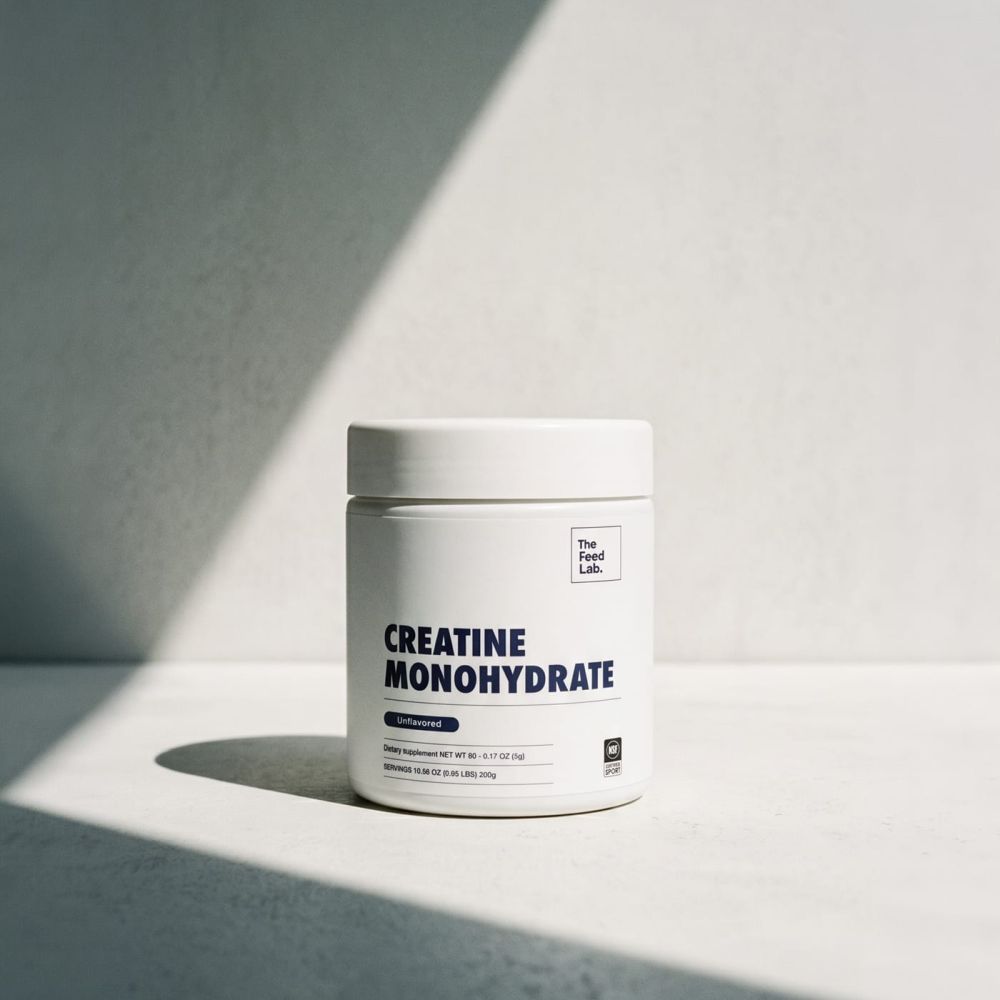
The Feed [4] makes it possible to compare a basic powder with gummy products while staying within a sports-nutrition catalog. It groups creatine powders and gummies separately. The product pages show serving details and pack choices.
The Feed Lab Creatine Monohydrate is a useful plain-powder comparison. Its 60-serving listing gives 5 g per scoop. The separate The Feed Lab Creatine product also gives 5 g but uses Creapure, so the similar names do not describe identical ingredient branding or prices.
Create gummies add a different serving basis. The Sour Cherry selection lists 3 gummies per serving and 4.5 g of creatine monohydrate, with 30 servings in the pack. Comparing its serving price directly with a 5 g powder serving does not account for the different amounts. Cost per gram can express the difference without suggesting that someone should take part of a gummy.
The store does not automatically turn every powder and gummy into a dose-matched price comparison. Its pages provide the inputs, and the buyer still has to align the selected pack, price and label. That is also the point to read other ingredients and sugar content rather than assuming the two formats differ only in convenience.
3. The Vitamin Shoppe
The Vitamin Shoppe [5] is useful when the buyer wants to narrow the price range before comparing individual labels. Its creatine category has a Price per Serving filter, and the product cards display listed serving costs. Its Creatine Central area also separates Gummies & Chews from other selections.
The shelf includes BodyTech Elite German Creatine powder and gummy products from Create Wellness, Legion, Bucked Up and Force Factor. The shopper can compare several brands rather than formats from one maker.
Use the serving-price filter to narrow the choices. It cannot settle whether 2 products provide the same creatine amount. A product with fewer grams in its labeled serving may look less expensive in the filter while costing more for the same quantity of creatine.
Pack size needs attention too. The same brand can appear in more than one size, and flavor selections can have different product details. A comparison saved against one listing should follow the exact selection into the cart. Check local pickup and shipping separately. A nearby store may not have the item.
4. iHerb
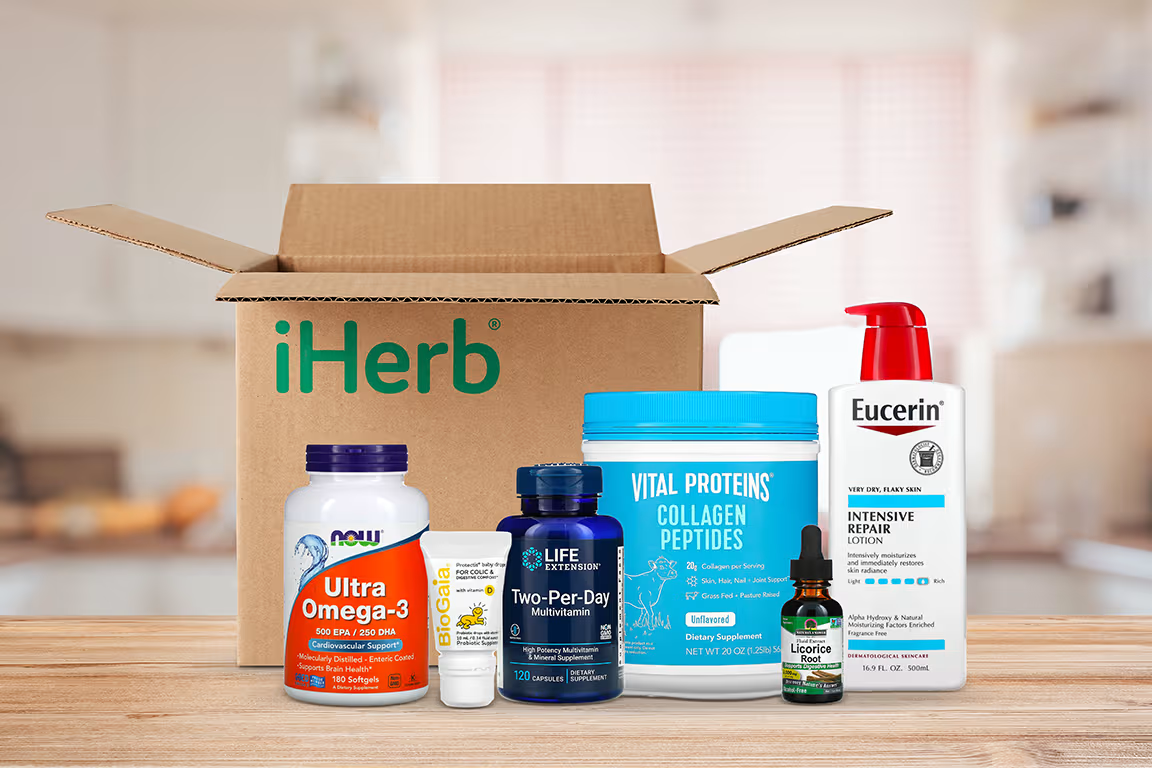
iHerb offers a broad creatine shelf with visible unit prices and detailed text panels on individual pages. Powders from brands such as Thorne, Optimum Nutrition and Nutricost appear alongside gummy products, including Force Factor.
Its Force Factor Mixed Berry gummy page shows why the full panel matters. It lists 5 gummies per serving, 30 servings per container and 5 g of creatine monohydrate. The same panel gives 6 g of total sugar, including 5 g of added sugar. A buyer can therefore compare the intended creatine amount and the rest of the serving at the same time.
This helps prevent a common comparison error. One gummy is not one serving of that product. The container’s listed serving price refers to the full 5-gummy amount.
The site’s own warning adds another reason to check the package when it arrives. A manufacturer may change the packaging or ingredients before the website is updated. A saved comparison should therefore be reviewed when the actual label differs. Keep the country setting the same while comparing. Changing it can change the currency and what is for sale.
Count the servings that fit the intended routine
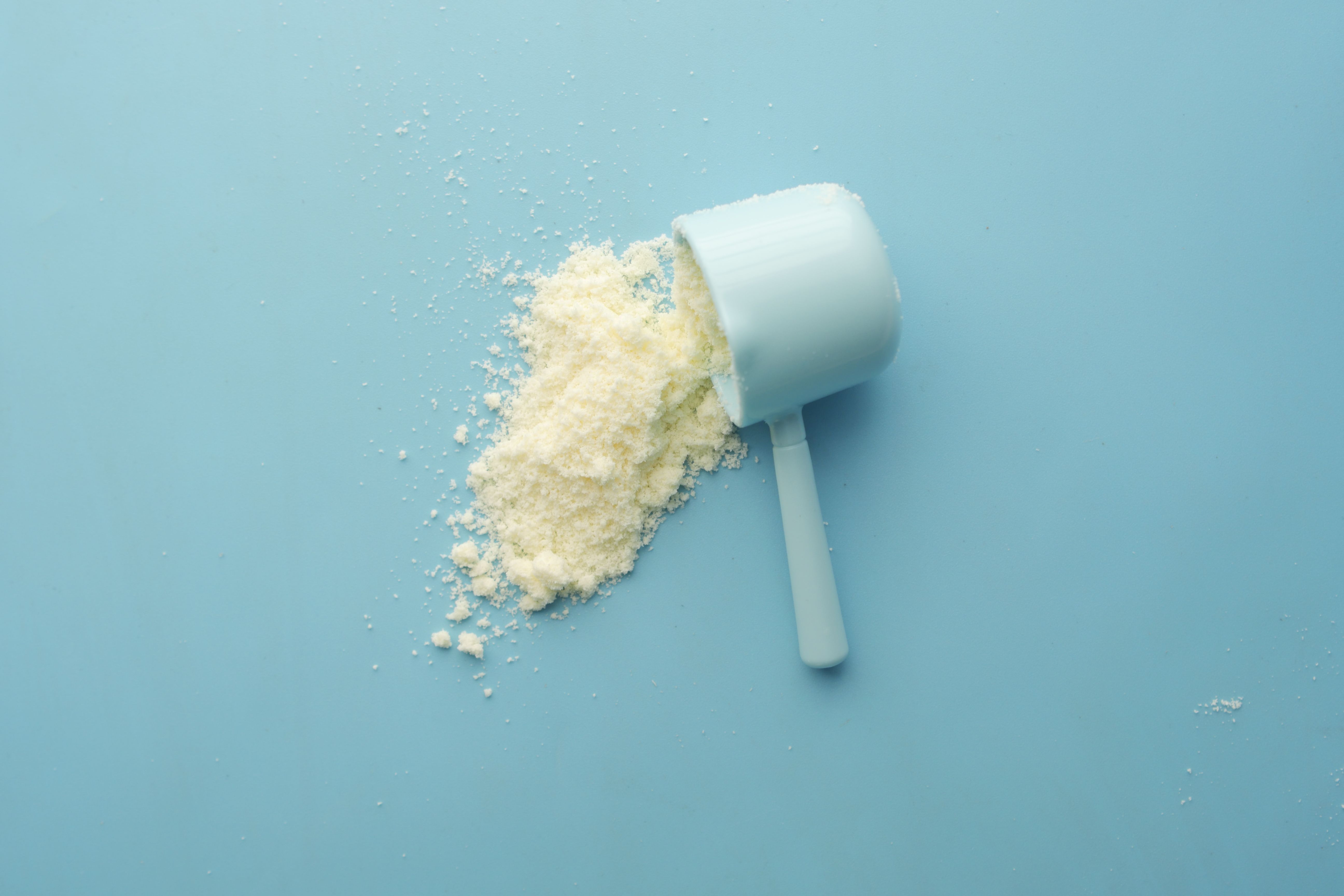
The lowest cost per gram may help narrow the order, but it does not answer every buying question. A buyer who prefers a gummy still needs to be comfortable with the number of pieces in a serving and the other ingredients. Someone choosing powder needs a pack size that suits the intended routine rather than the largest container available.
Pressed-powder chews deserve a separate line in that comparison. They are another format, not a synonym for gummies. A product should be compared under the form its manufacturer sells, with the label supplying the amount per piece or scoop.
Before payment, the buyer can count the number of labeled servings the order provides and include shipping in the total. Any discount tied to a subscription or membership should be separated from a one-time price. That leaves a comparison that still makes sense when the sale ends or the next refill is a different size.
References