

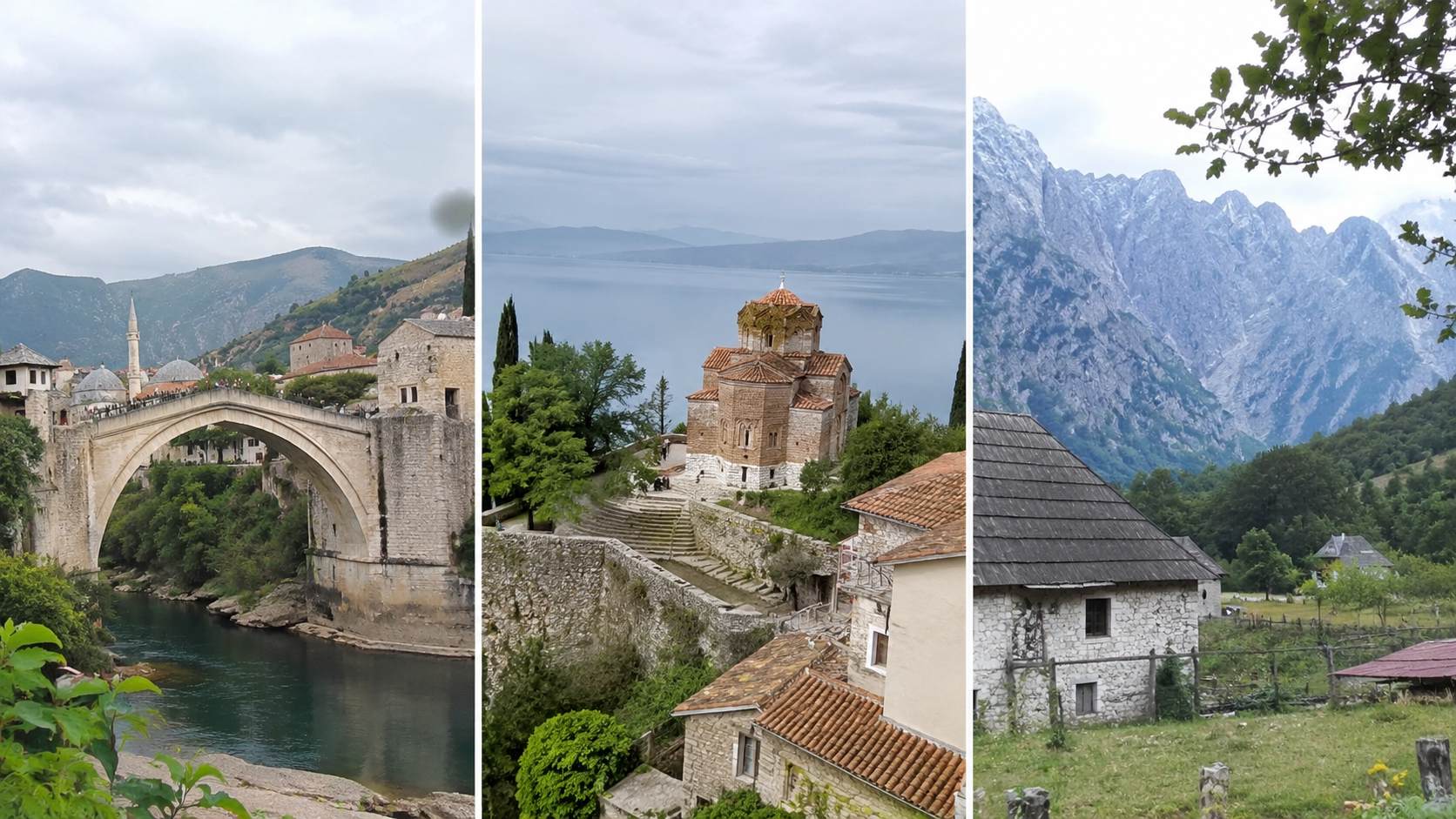
Italy, France, Greece, and Spain attract millions of visitors every year, but some of the most interesting European destinations receive far less international attention. Ancient towns, mountain villages, spectacular lakes, and historic cities are waiting in countries that rarely dominate travel recommendations. If you are planning a European vacation in 2027, several lesser-known destinations deserve a closer look.
Traveling between neighboring countries can also be surprisingly easy. Trains and buses are excellent options for visiting several destinations without booking additional flights.
In the Balkans, for example, Livno Bus provides connections linking Bosnia and Herzegovina with Croatian cities such as Split and Zagreb. Regional buses are especially useful in areas where international railway connections are limited.
1. Bosnia and Herzegovina
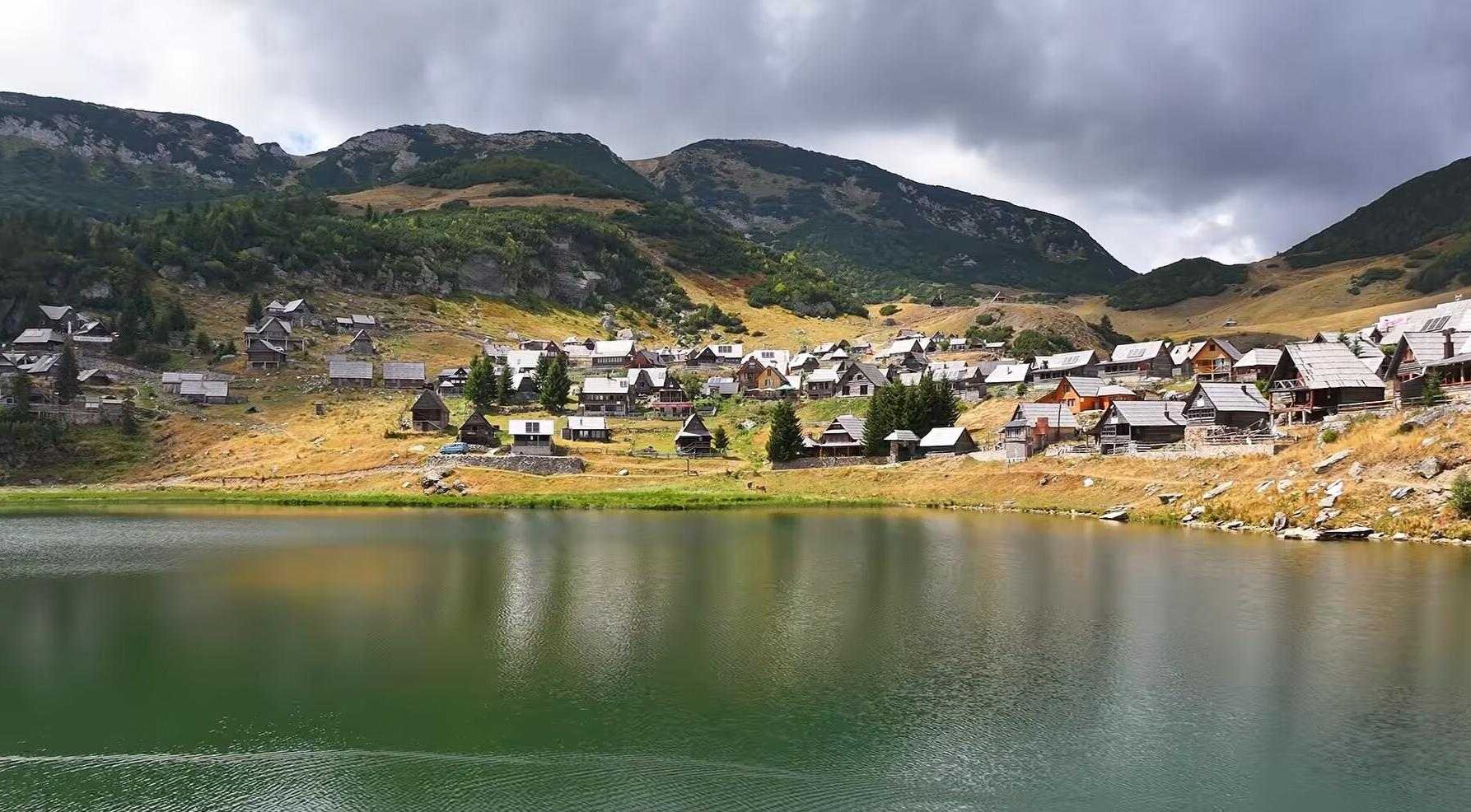
Bosnia and Herzegovina has beautiful mountains, historic Ottoman towns, waterfalls, and a fascinating mixture of cultures. Yet many tourists visiting the Balkans spend most of their vacation along the Croatian coast and overlook the country next door.
Sarajevo is an excellent starting point. Its old bazaar, Baščaršija, has narrow streets lined with traditional shops, bakeries, and coffee houses. You can visit Ottoman mosques, Austro-Hungarian buildings, and museums documenting the complicated history of the region.
Further south, Mostar is famous for itsUNESCO-listed Old Bridge, which crosses the Neretva River. Nearby Blagaj offers a historic monastery beside the source of the Buna River.
For something different, visit Jajce, where a large waterfall sits directly below the historic town. Nature lovers should also consider Una National Park, known for its rivers and waterfalls.
- Best time to visit: May, June, September, and early October offer pleasant conditions for exploring towns and natural attractions.
2. Albania
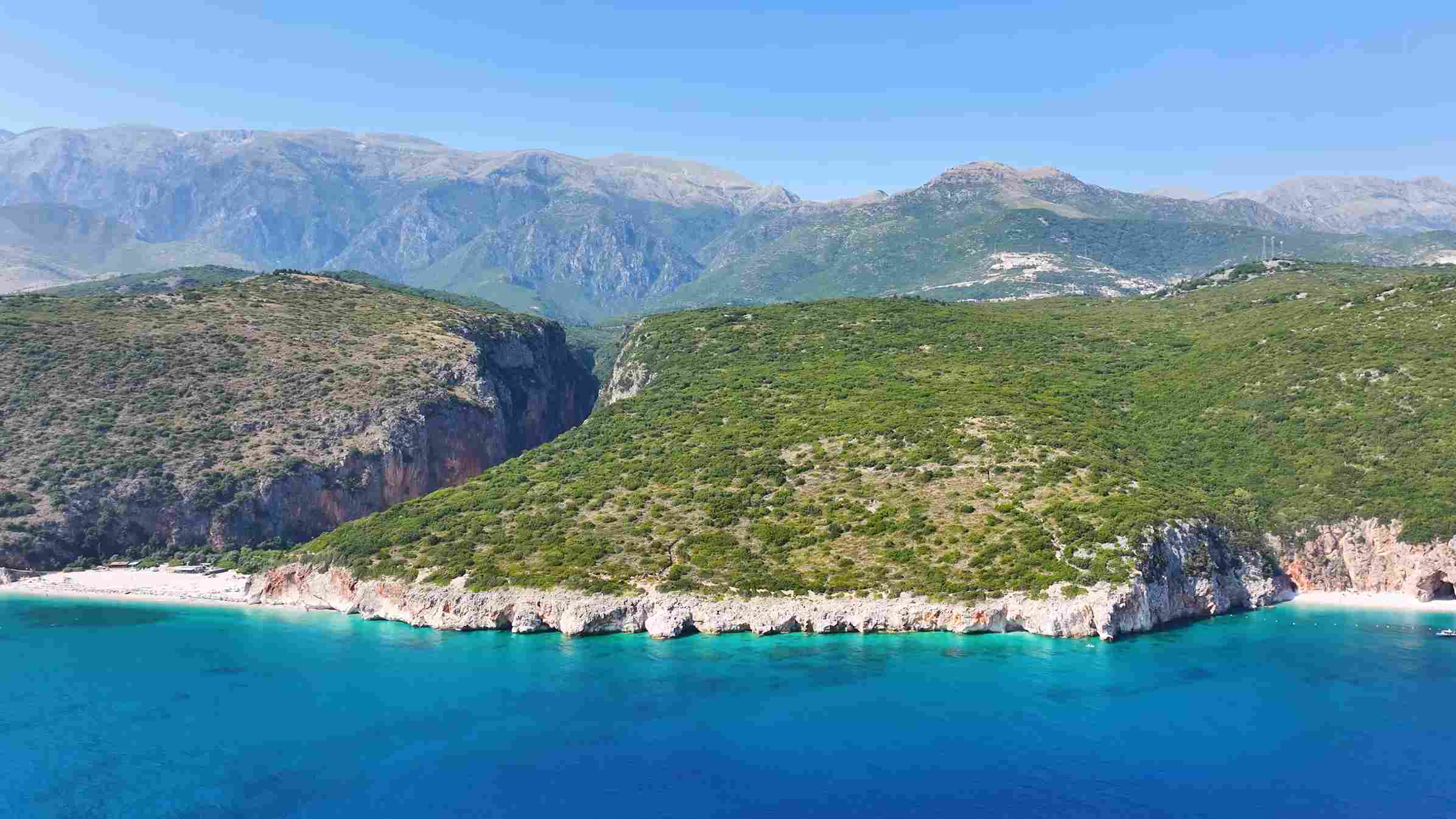
Albania is becoming increasingly recognizable as a summer destination, especially because of its beaches. However, the country offers considerably more than the popular coastal resorts around Ksamil and Sarandë.
Start with Berat, a historic town famous for its hillside houses and castle. Another excellent destination is Gjirokastër, where traditional stone buildings climb the slopes beneath a large fortress.
Both towns are recognized by UNESCO for theirwell-preserved Ottoman architecture.
If you enjoy hiking, head north to Theth or Valbona. The Albanian Alps offer mountain scenery, walking trails, and villages surrounded by dramatic peaks. Road conditions and mountain weather require preparation, especially outside summer.
Tirana is also worth exploring. The capital has colorful buildings, museums, lively cafes, and restaurants serving Albanian dishes.
- Best time to visit: May, June, and September are excellent for sightseeing. Summer is more suitable for swimming and high-altitude hiking.
3. North Macedonia
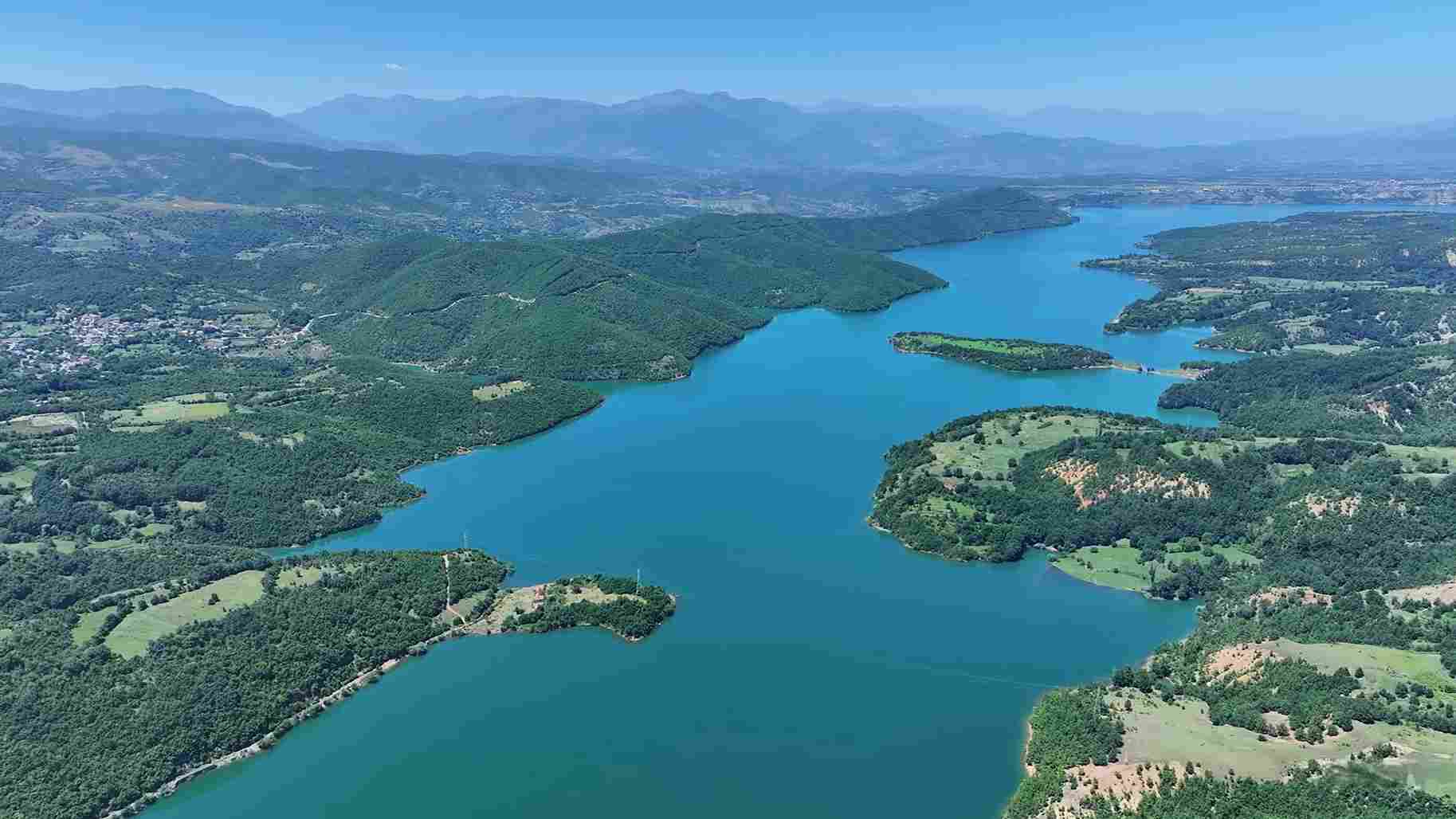
North Macedonia rarely appears at the top of European vacation lists, despite having one of the continent’s most remarkable lakes.
Lake Ohrid is the main attraction. Its clear waters, historic churches, and surrounding mountains make it suitable for both relaxing holidays and cultural exploration.
The town of Ohrid contains centuries of religious architecture, including the Church of St. John at Kaneo overlooking the lake. UNESCO recognizes the natural and cultural heritage of the Ohrid region, which extends into neighboring Albania.
Skopje offers a different experience, with its old bazaar, Stone Bridge, museums, and modern monumental architecture.
Outside the capital, Matka Canyon is popular for boat trips and outdoor activities. Mavrovo National Park provides opportunities for mountain walks and winter sports.
- Best time to visit: May through September is ideal for Lake Ohrid. Spring and autumn are pleasant for exploring Skopje and hiking at lower elevations.
4. Montenegro
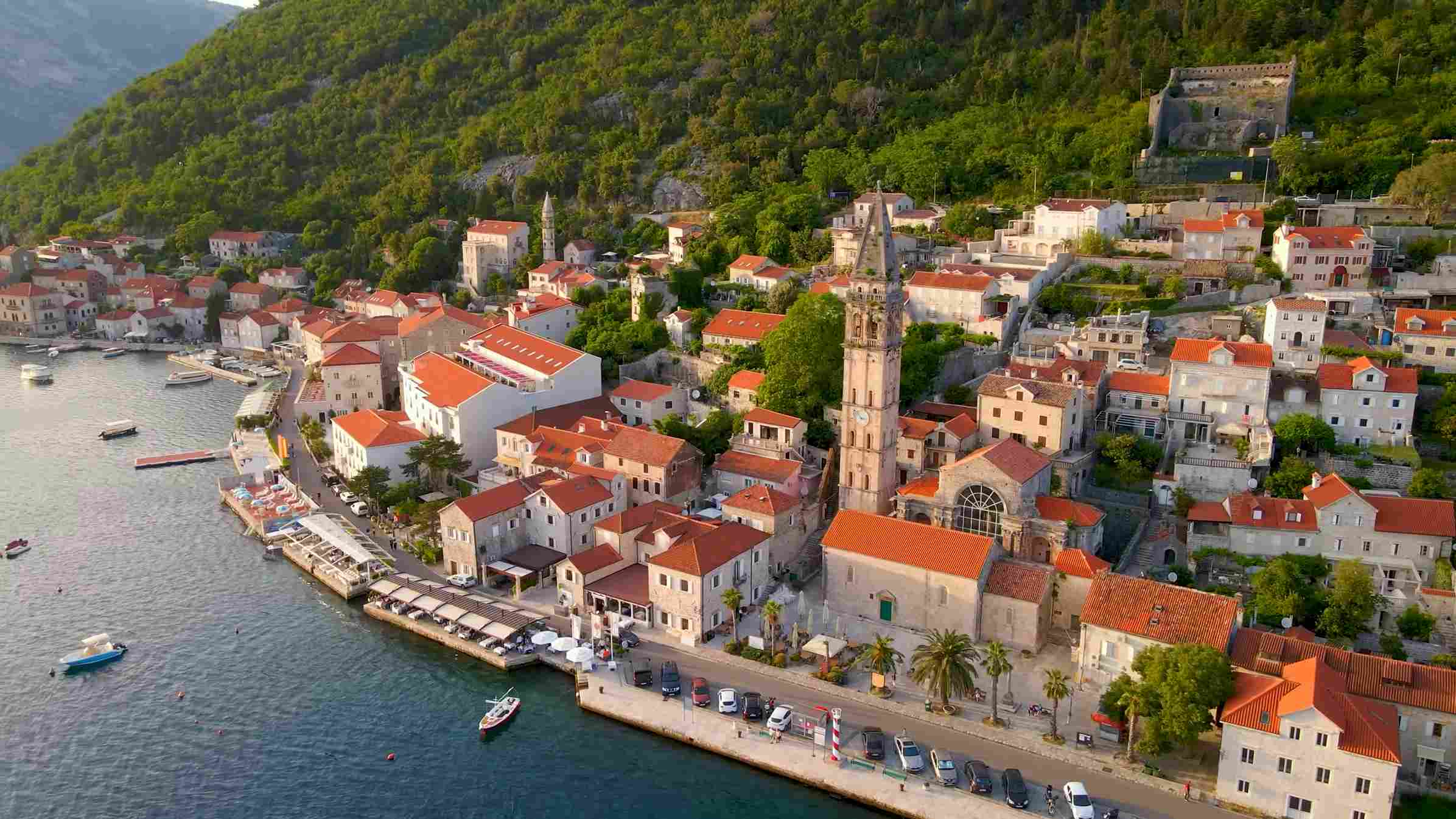
Montenegro has become popular among travelers visiting the Adriatic, but many never venture far past Kotor, Budva, and the surrounding coastline.
Kotor deserves its reputation. Its fortified old town sits beneath steep mountains beside the Bay of Kotor. You can explore historic streets, climb toward the fortress, or take a boat trip across the bay.
However, northern Montenegro offers an entirely different type of vacation.
Durmitor National Park contains glacial lakes, high mountain peaks, and hiking trails. The nearby Tara River Canyon is known for dramatic scenery and rafting activities.
Žabljak is a convenient base for visiting Durmitor, and the Black Lake is one of the easiest natural attractions to reach.
Travelers interested in quieter coastal areas can also explore Ulcinj, which has a long sandy beach and a historic old town near the Albanian border.
- Best time to visit: June and September suit coastal visits, with July through September generally better for mountain hiking.
5. Moldova
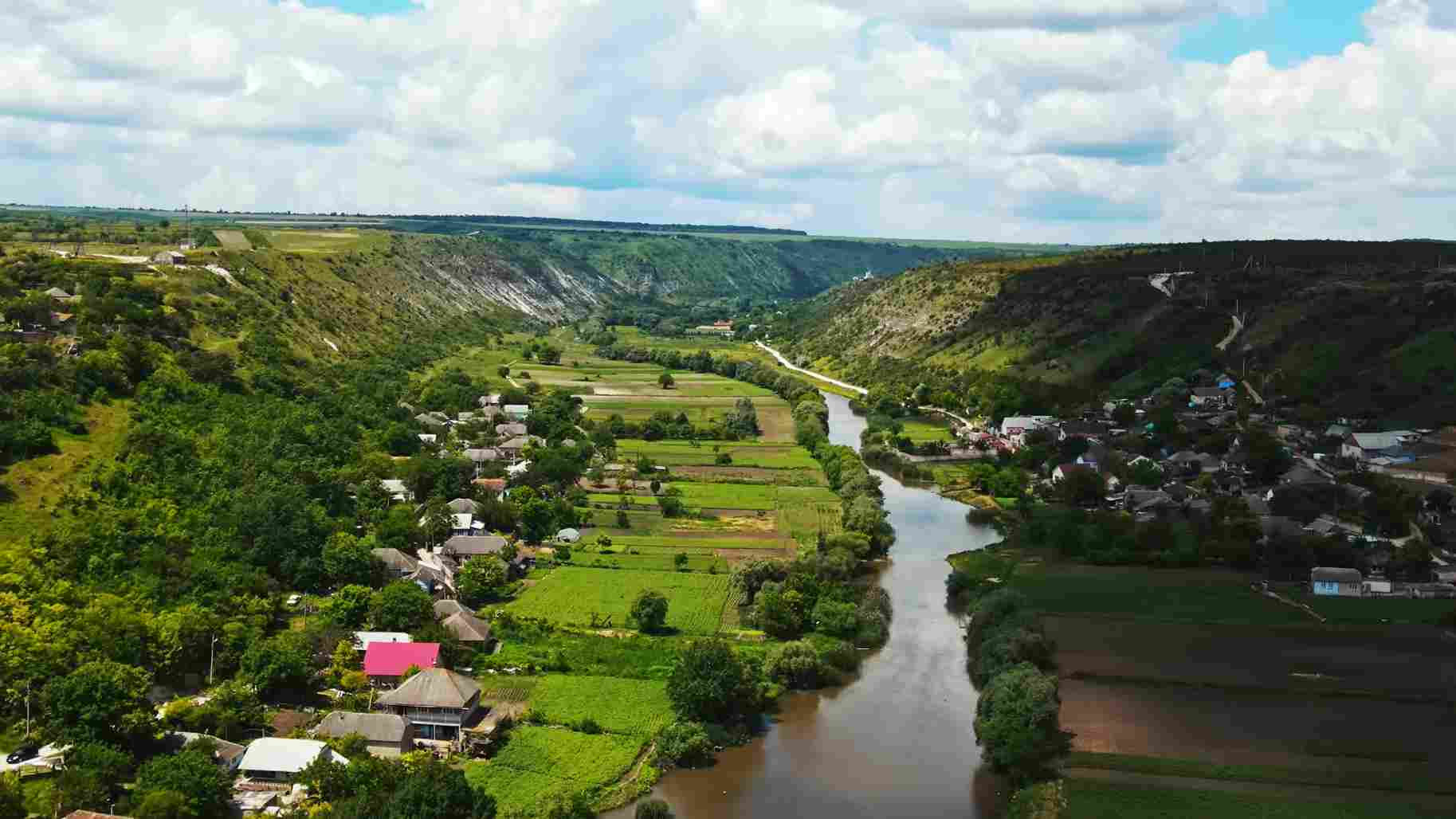
Moldova is one of the least obvious choices for a European vacation. Its attractions include wine cellars, traditional villages, historic monasteries, and countryside largely absent on typical travel lists.
Chișinău is the capital and the main arrival point. You can explore its central parks, museums, markets, and restaurants before heading into the surrounding countryside.
Orheiul Vechi is among the country’s most interesting historical destinations. The archaeological complex sits in a scenic river valley and includes cave monasteries and remains of earlier settlements.
Wine tourism is another major attraction. Moldova has extensive underground wine cellars, including the famous facilities at Cricova and Mileștii Mici. Theofficial tourism website provides information about wineries, accommodation, and cultural attractions.
However, travel planning requires additional care. Security concerns related to the war in neighboring Ukraine remain relevant, and official travel advisories recommend reconsidering travel to Transnistria. Check current government guidance before booking a 2027 visit.
View this post on Instagram
- Best time to visit: September and October are attractive for wine tourism and rural scenery.
6. Romania
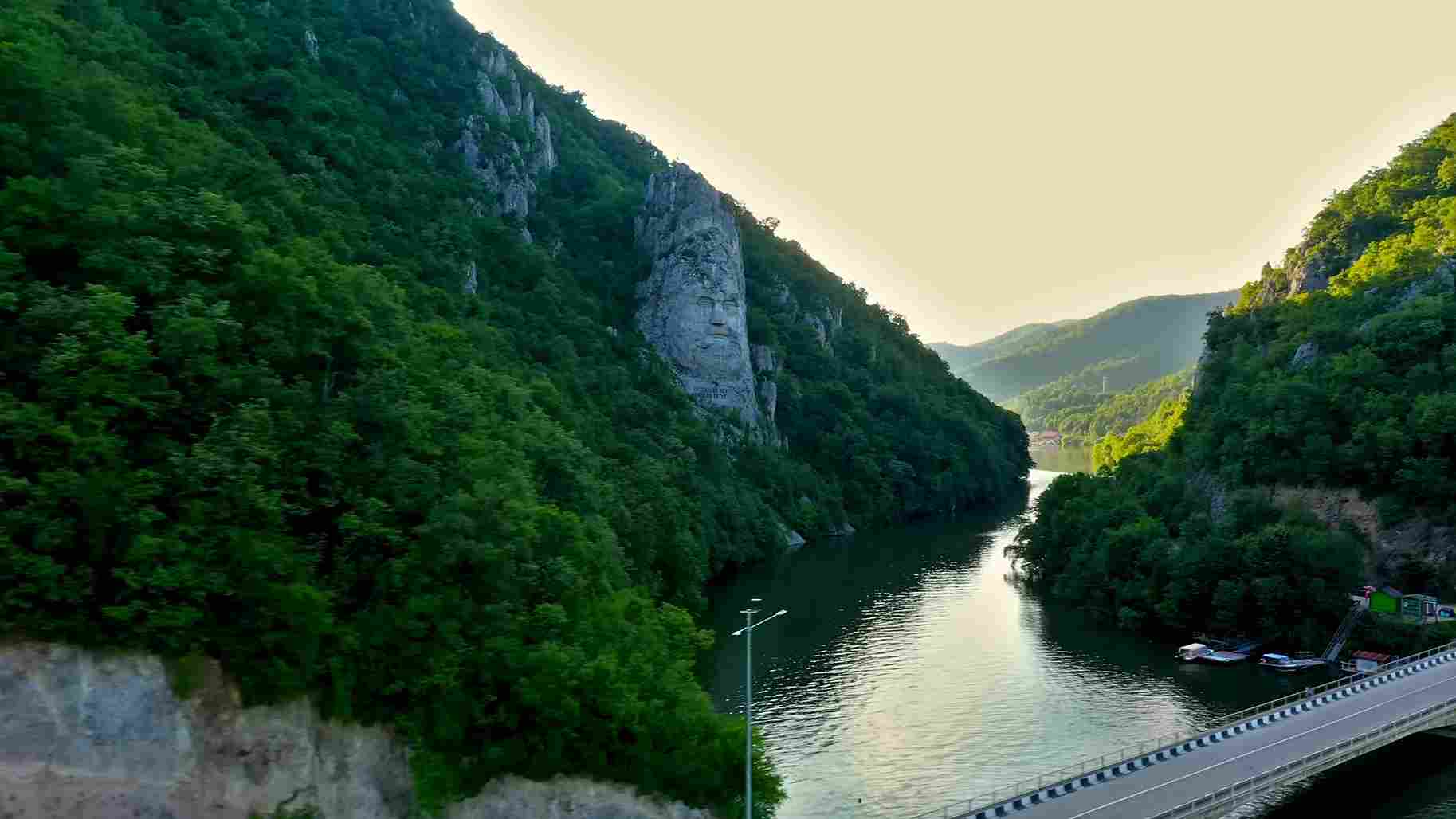
Romania offers medieval towns, mountain roads, impressive castles, and traditional villages. Bucharest and Bran Castle receive much of the international attention, but several other regions deserve more time.
Sibiu is a beautiful city with colorful squares, medieval streets, and historic buildings. Nearby Brașov has an attractive old town surrounded by mountains.
Sighișoara is another highlight, with its fortified medieval center and colorful houses. The surrounding countryside contains remarkable Saxon villages, including Viscri and Biertan.
UNESCO recognizes thefortified churches of Transylvania for their preserved medieval architecture and historic village layouts.
For rural traditions, visit Maramureș in northern Romania. The region is known for wooden churches, traditional houses, and villages where agriculture remains an important part of daily life.
- Best time to visit: May through October works well for sightseeing, with September particularly attractive in the countryside.
7. Slovakia
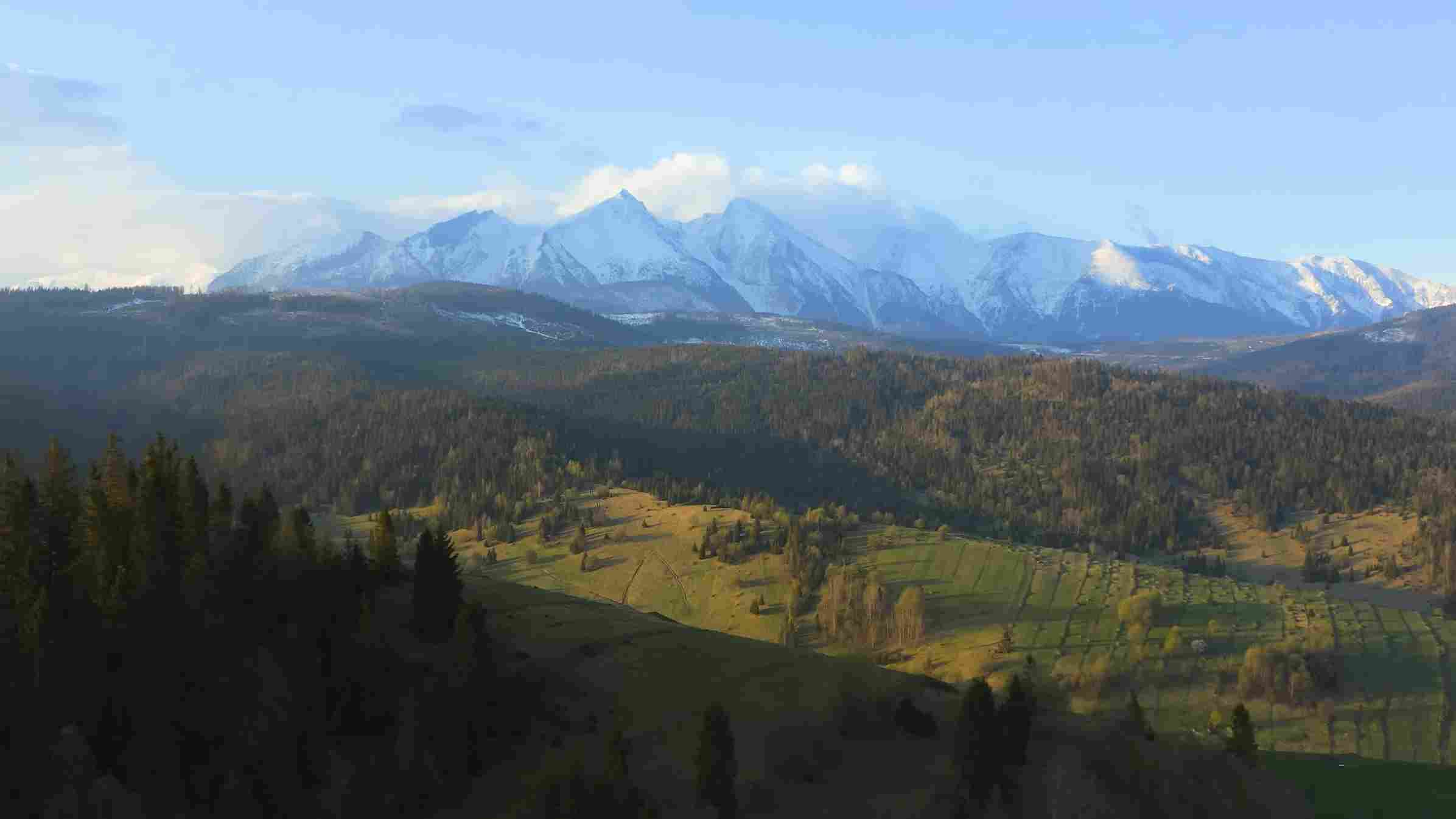
Slovakia is frequently overlooked by tourists traveling between Austria, Hungary, Poland, and the Czech Republic.
Bratislava is a convenient destination for a short city break, with its historic center, castle, and views over the Danube. However, the country’s greatest attractions are found outside the capital.
The High Tatras offer mountain lakes, hiking routes, and impressive peaks. Towns such as Štrbské Pleso and Starý Smokovec provide access to hiking trails and mountain transportation.
History enthusiasts should visit Banská Štiavnica, an old mining town recognized by UNESCO. Spiš Castle and the historic town of Levoča are also worth visiting, especially if you enjoy medieval architecture.
Slovakia has a useful railway network connecting major towns, making several destinations accessible without renting a car.
- Best time to visit: June through September suits mountain hiking. December through March is more suitable for winter sports, depending on snow conditions.
8. Latvia
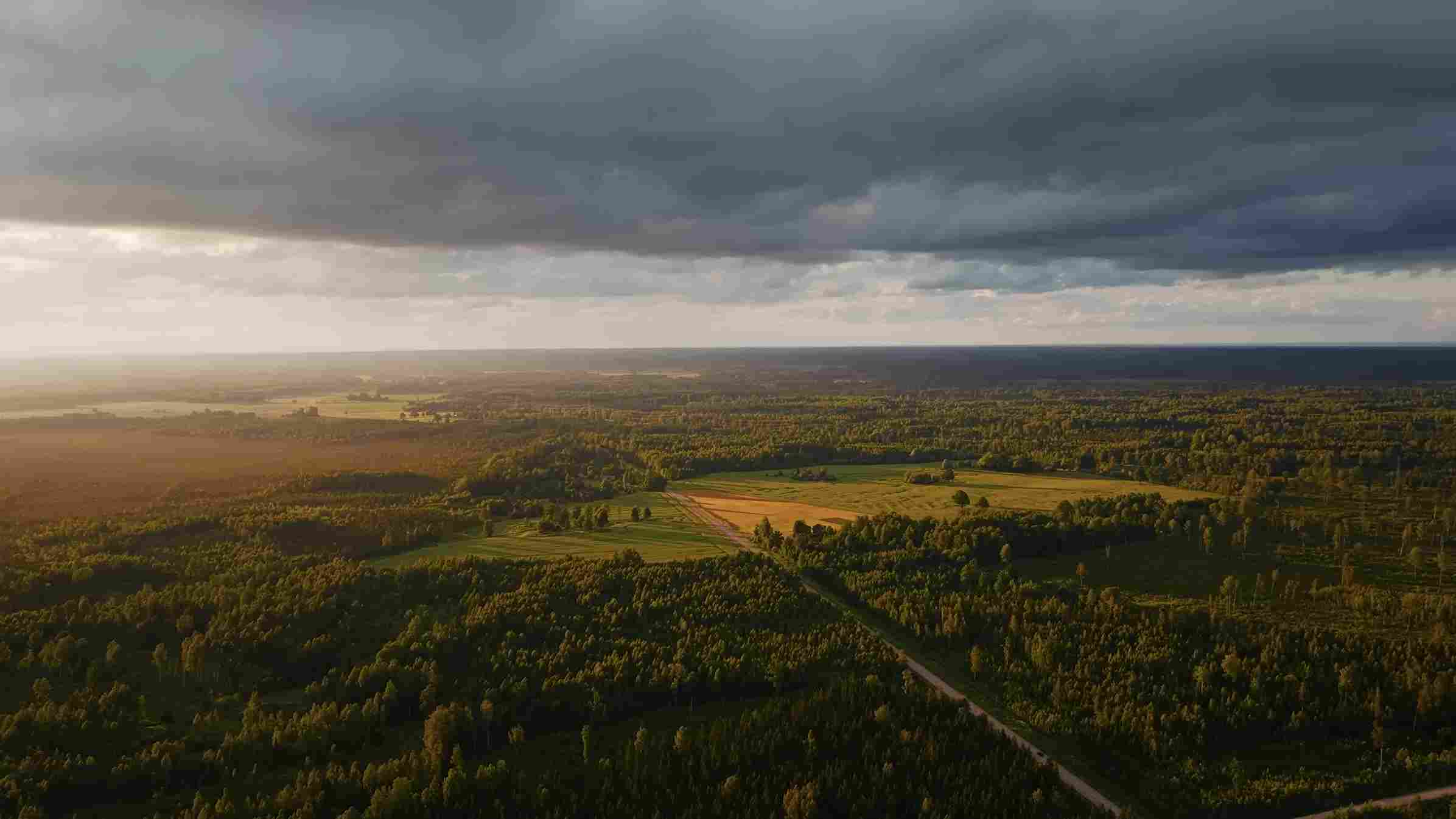
Latvia offers historic cities, peaceful forests, Baltic beaches, and medieval castles. Its capital, Riga, is famous for Art Nouveau architecture and an attractive historic center.
Riga is an excellent place to begin, but spending your entire vacation in the capital would mean missing some of Latvia’s most interesting attractions.
Sigulda and Cēsis provide access to Gauja National Park, where forests, sandstone cliffs, and medieval castles dominate the scenery. The park is especially attractive during autumn when the trees change color.
Western Latvia also deserves attention. Kuldīga has a remarkably preserved old town and the broad Ventas Rumba waterfall. Itshistoric center received UNESCO recognition in 2023.
If you prefer coastal scenery, explore Jūrmala, which has sandy beaches and traditional wooden architecture.
- Best time to visit: June through August suits beaches and outdoor activities. September and October are excellent for autumn scenery.
The Bottom Line
Traveling through several countries can be rewarding, but transport connections vary considerably. Some regions have reliable rail services, whereas others depend heavily on buses and private transportation.
- Entry requirements: Check passport validity, visa rules, and applicable European entry procedures for your nationality.
- Border crossings: Non-EU Balkan countries have separate border procedures, so allow additional time for international journeys.
- Transportation: Compare available train and bus services, especially when traveling between smaller towns.
- Seasonal conditions: Mountain roads, hiking trails, and coastal transportation schedules can change with the seasons.
- Accommodation: Reserve rooms early during summer festivals and popular holiday periods, even in less internationally recognized destinations.
For a first visit, three or four days in one region usually allow more time to experience its towns, food, and natural attractions than attempting to cover an entire country in a weekend.