


The median payments attach rate among vertical SaaS companies was about 40% in Tidemark’s 2025 benchmark survey of more than 200 companies, up from about 27% a year earlier. A 13-point gain in 1 year is large for a feature that asks a merchant to change how it collects money. For a vendor selling only to dentists or roofers, the number of potential customers in that trade is fixed, so revenue per customer is the figure that has to move.
Market Size Limits in Narrow Verticals

Industry-specific software sells to a finite list of buyers. A product built for independent veterinary clinics cannot treat car dealerships as its next market without rebuilding most of what makes it useful, so growth has to come from selling more to the same clinics. Seat expansion offers little help in these markets. A clinic with 2 veterinarians and 3 technicians has few people who will ever log in.
Menlo Ventures counted roughly 30 horizontal SaaS companies valued above $10 billion in April 2026 and only 7 vertical ones, and it noted that 2 of those 7 get most of their value from payments. A clinic’s annual card volume is usually many times larger than its annual software bill, which gives a vertical vendor a revenue source that does not depend on finding new clinics.
Expansion Revenue Per Customer
Tidemark reported that payments contributed an average of about $4,200 in incremental annual recurring revenue per customer among companies offering the product. At a subscription price of $350 per month, that amount equals a second subscription. Card volume also rises with the prices a customer charges. Inflation therefore lifts payment revenue while the subscription price stays where it was.
The same survey found that 45% of companies starting in another product category, such as commerce tools or back-office tools, chose a financial product as their second product. No other category was a more common choice for expansion. Vendors at that stage have already sold their main product to the customers they can reach, and a financial add-on can be offered to all of them through the application they already use.
Retention Differences by Product Type
Tidemark’s retention table groups companies by the function their customers rely on most. Fintech-led companies reported gross revenue retention of 96% and net revenue retention of 112%. Commerce-led companies reported 90% and 105%, and back-office companies reported 90% and 110%.
These figures describe companies whose main product is financial. Adding payments to an existing product will likely produce a smaller effect.
The direction is still useful for planning, since a 6-point difference in gross retention compounds across every renewal cycle.
Workflow Requirements by Trade

A standalone terminal records an amount and a card number. A dental office collects a co-pay at the desk and bills an insurer later, while a roofing contractor takes a deposit before materials are ordered and collects the balance after inspection. Those sequences are difficult to reproduce with separate equipment, and payment processing for software platforms allows each step to be tied to the appointment or job record that triggered it.
A vendor that knows the sequence can also build for the exceptions. A veterinary clinic can attach a payment plan to a treatment estimate, and a property manager can schedule rent collection against a lease date and apply late fees according to the lease terms. Horizontal payment tools leave that logic to the customer, who usually ends up tracking it by hand and accepts the risk of costly spreadsheet errors in the billing records.
Sector Rules and Buyer Comparisons
Each vertical adds conditions that a general payment tool ignores. A medical practice has to keep patient information off card descriptors and receipts to comply with federal HIPAA law. A nonprofit needs donor receipts for tax purposes, and a contractor may need lien waivers released against each progress payment. Building those conditions into the payment flow removes a manual step from the customer’s week and gives the vendor a feature that a general tool has no reason to develop.
Buyers in these trades also compare vendors directly. When a software company in a trade offers built-in payments, its competitors have to answer for the gap during sales calls, and the question often comes from a prospect who saw the feature at a trade show or heard about it from another owner. Waiting until prospects raise the subject means building the product while those deals are already being lost.
Exit Costs for Existing Customers
A customer leaving a vendor with built-in payments has to reissue stored cards, re-enter bank details, and repeat merchant onboarding with a new provider. The decision then involves the bookkeeper and the office manager as well as the owner. The project can take weeks.
Economists group this effort under switching costs, meaning the expense and inconvenience a buyer absorbs when moving to a competing product. Investors pay attention to it for a related reason. A company whose customers face high costs to leave is more likely to have an economic moat, the term for a durable advantage that protects profits from competitors, and that quality affects what a buyer will pay for the companies.
Transaction Data and Adjacent Services

Each card payment tells a vendor how much a customer sold and on what day. Over a full year of records, a vendor can identify seasonal slumps and offer working capital advances sized to actual sales, and it can do so without asking the customer for tax returns.
Payment revenue also changes the economics of winning new accounts. A vendor can lower its subscription price and recover the difference through transaction income, which reduces customer acquisition cost in markets where small operators resist large monthly fees. Sales teams in those markets can lead with a lower entry price and a single bill.
Operating Costs of the Feature
Payments bring work that a software support team has not done before. Disputes arrive with deadlines set by the card networks, merchants ask why a deposit is short, and finance staff must reconcile payouts against fees each day. Engineering budgets rarely include these costs, and they tend to appear in the support queue during the first quarter after launch. Many vendors launch through a partner for that reason.
Attach Rate After Launch
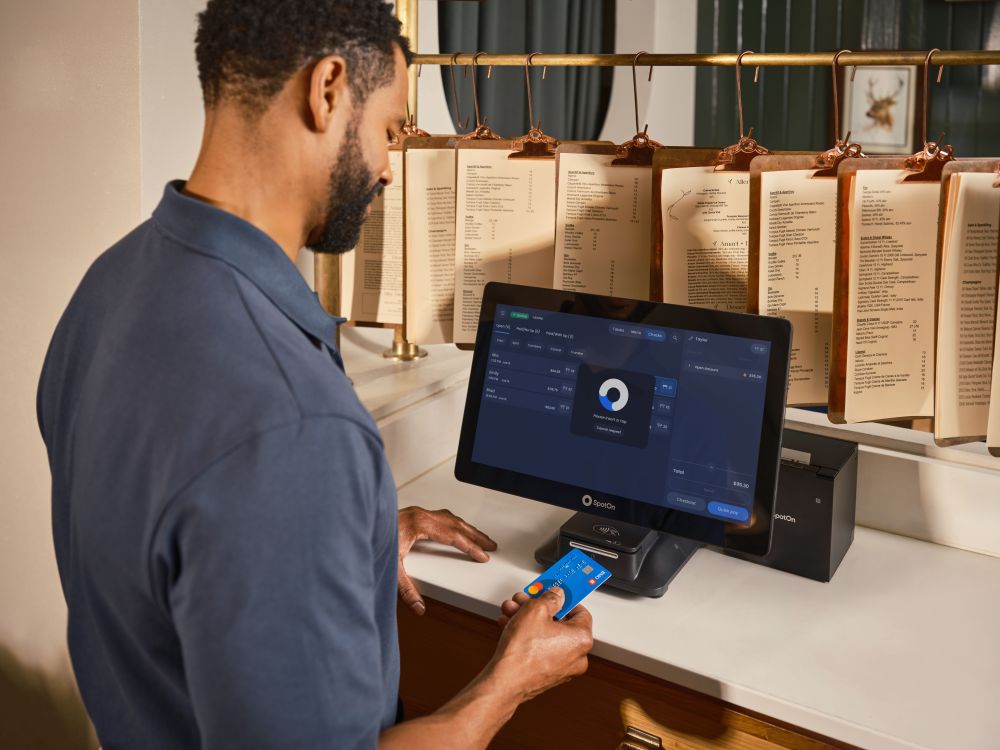
The metric that decides how much of this revenue appears after launch is the share of active customers processing through the product, and sales compensation, onboarding scripts, and pricing all have to be built around raising it. Tidemark’s survey put the median at about 40%, which leaves about 60% of a typical vendor’s customers collecting their money somewhere else.